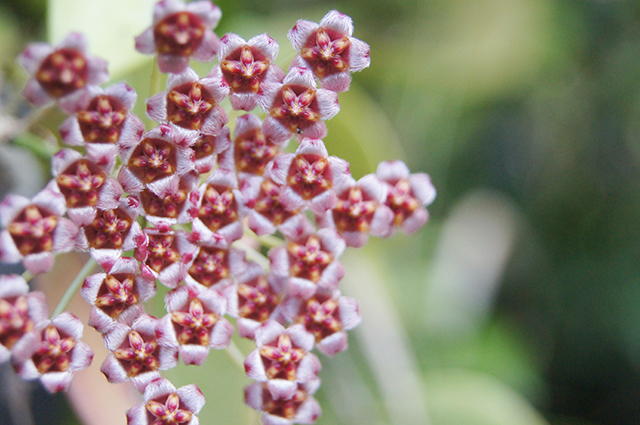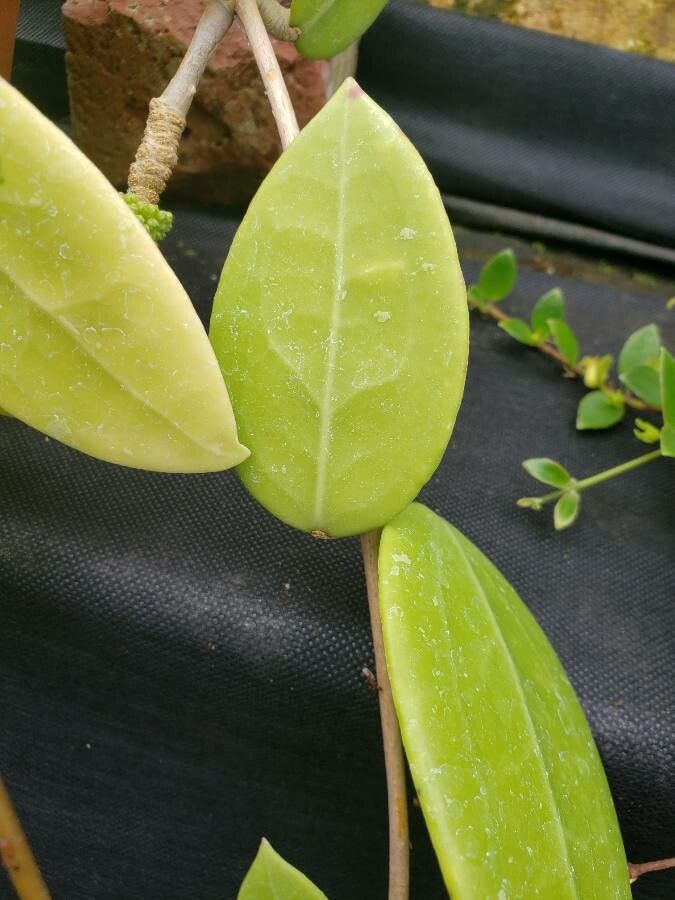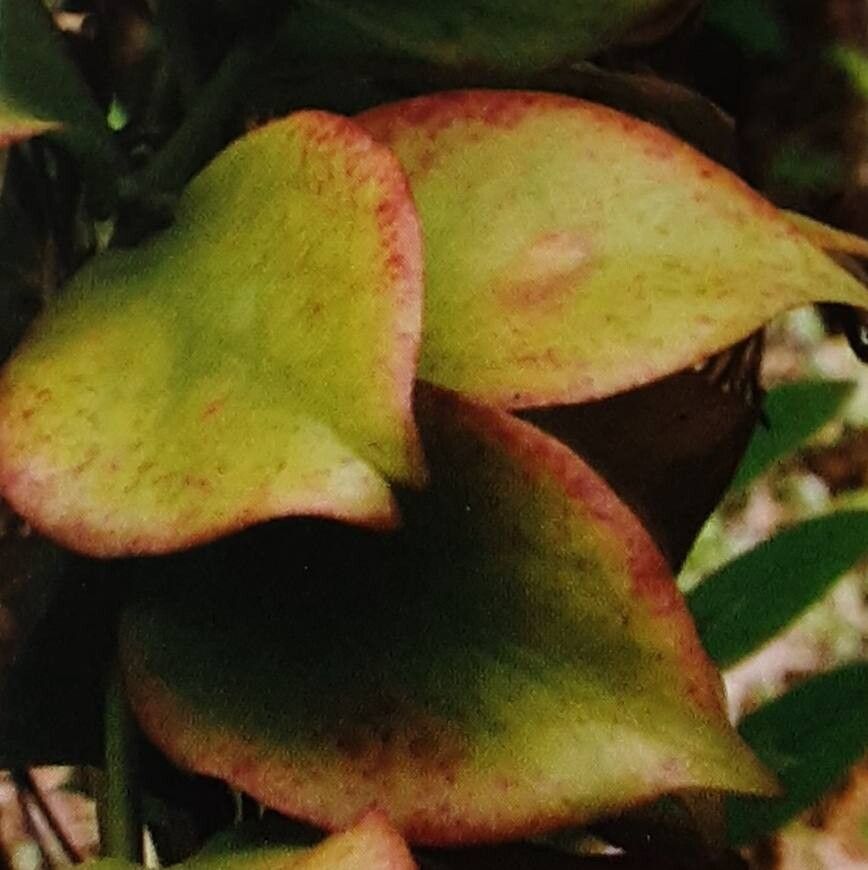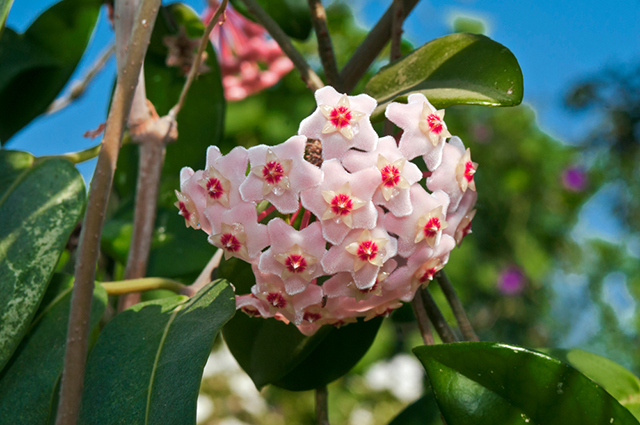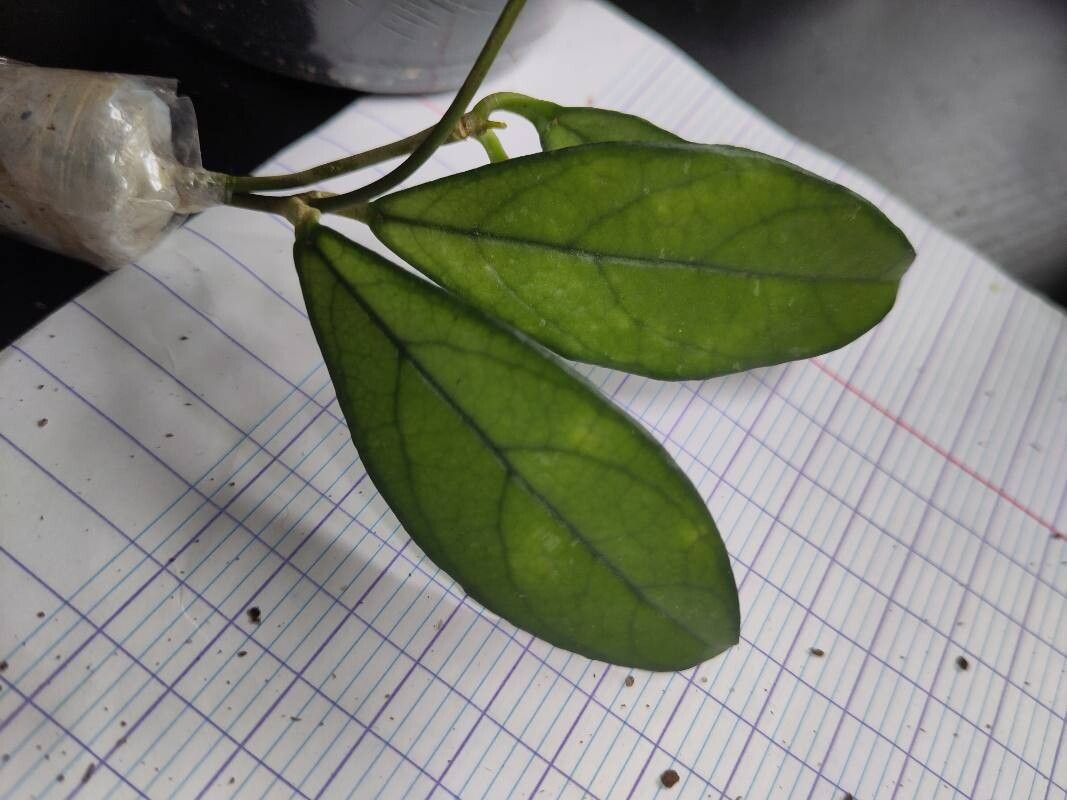
Hoya crassipetiolata is a species of Hoya native to Vietnam.
Hoya crassipetiolata is fairly resistant to disease and is typically not vulnerable to illnesses. However, it can be prone to leaf spots if light and ventilation are inadequate and watering is excessive. Its care level is considered easy, since it only needs regular watering and not much else. Hoya crassipetiolata is well suited to people who lack the time and energy to provide frequent care.
How to keep Hoya Crassipetiolata.
Light
Hoya crassipetiolata originates from places like forest undergrowth or craggy terrains, where it receives natural shade. It favors semi-sunny conditions, yet it is able to acclimatize to either total sun or complete shade, showing its adaptable and robust characteristics.
Temperature
Hoya crassipetiolata is native to tropical areas where the weather is consistently hot and moist. Therefore, it has evolved to thrive in high heat and humidity. It doesn't handle abrupt shifts in temperature well and favors a steady thermal setting, making it crucial to prevent indoor temperature swings. It generally does not withstand chilly conditions and needs elevated temperatures to grow. A significant drop in surrounding temperature may lead to stunted growth or even the death of the plant.
Fertilizer
Fertilization plays an essential role in the health and aesthetic of Hoya crassipetiolata. It should be fertilized in the summer and this should be repeated on a monthly basis throughout the season. Nutrients are critical for growth and the maintenance of plant parts. Fertilization improves Hoya crassipetiolata's floral display, guaranteeing the most beautiful blossoms.
Pot & Repot
During the repotting of Hoya crassipetiolata, opt for a container that is 1-2 inches (2.5–5 cm) bigger and has sufficient drainage. Utilize a potting mix that drains well. Repotting should take place in spring or fall, with the root ball positioned a little below the edge of the flower pot. After repotting, fully hydrate the plant and locate it in warm area where it will receive indirect light.
Botanical profile.
- Plant Type
- Herb, Vine
- Life Cycle
- Perennial
- Hardiness Zone
- 10-12
- Mature Height
- 0.91 m to 2.13 m
- Mature Spread
- 49 cm to 91 cm
- Leaf Color
- Dark Green
- Leaf Type
- Evergreen
- Flower Color
- Pink, White
- Flower Size
- 1.02 cm to 1.52 cm
- Bloom Time
- Summer, Early fall, Mid fall
- Planting Time
- Summer, Autumn
- Harvest Time
- Fall