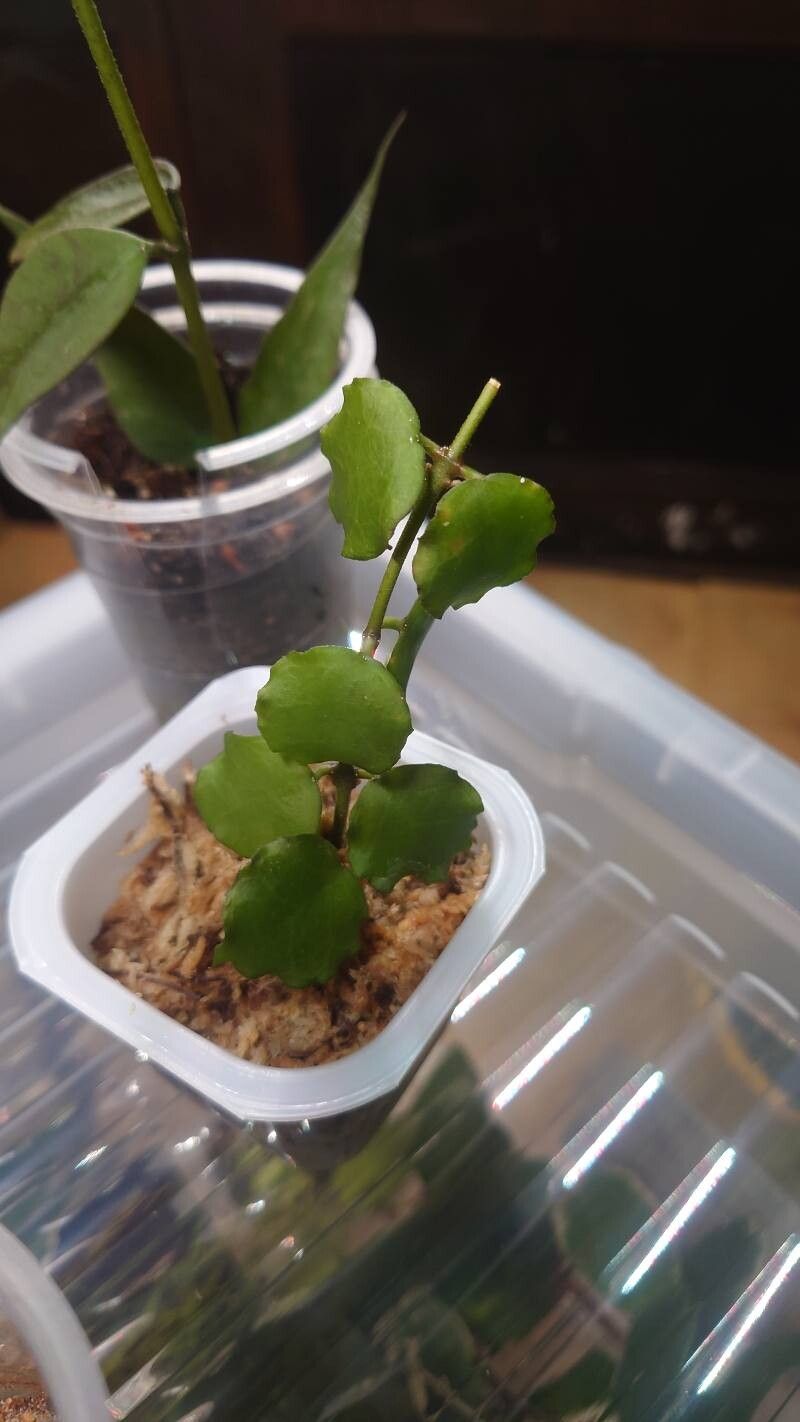
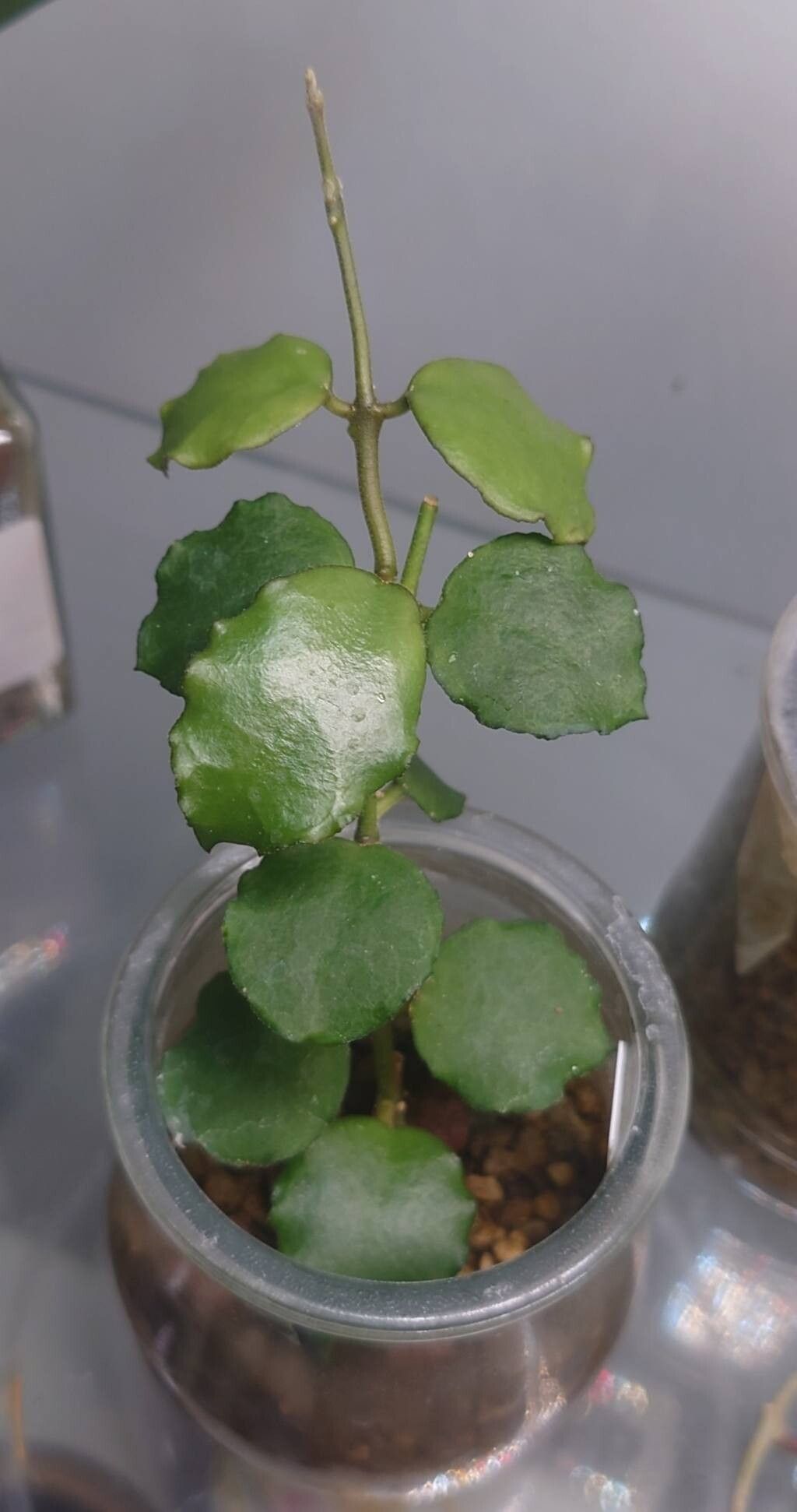
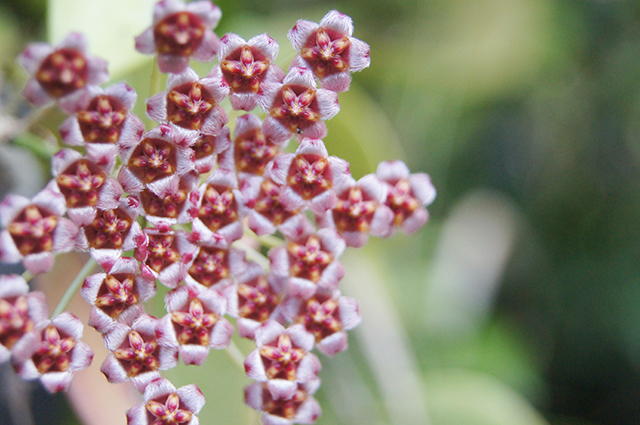
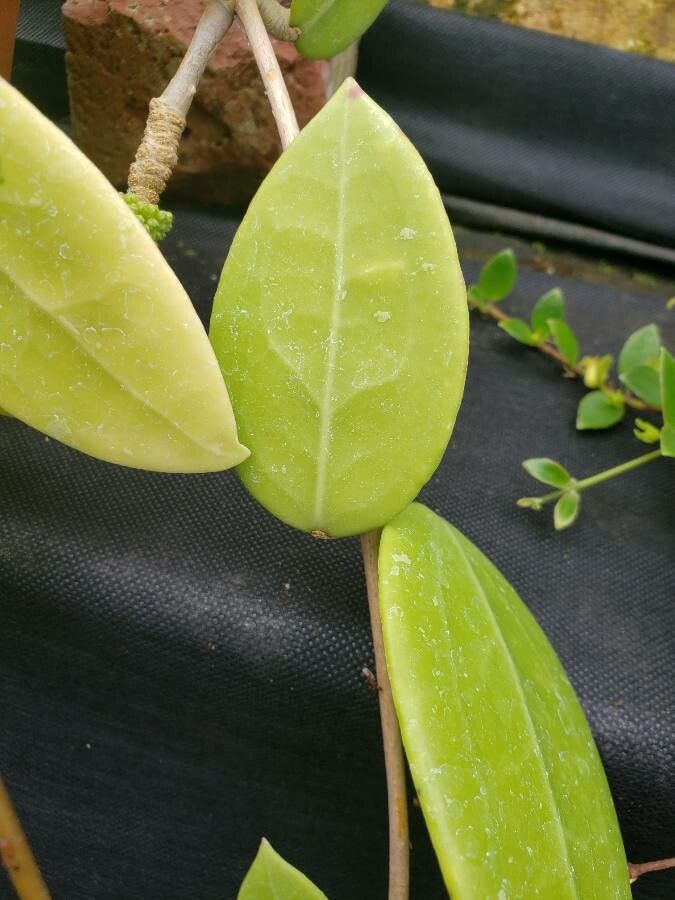
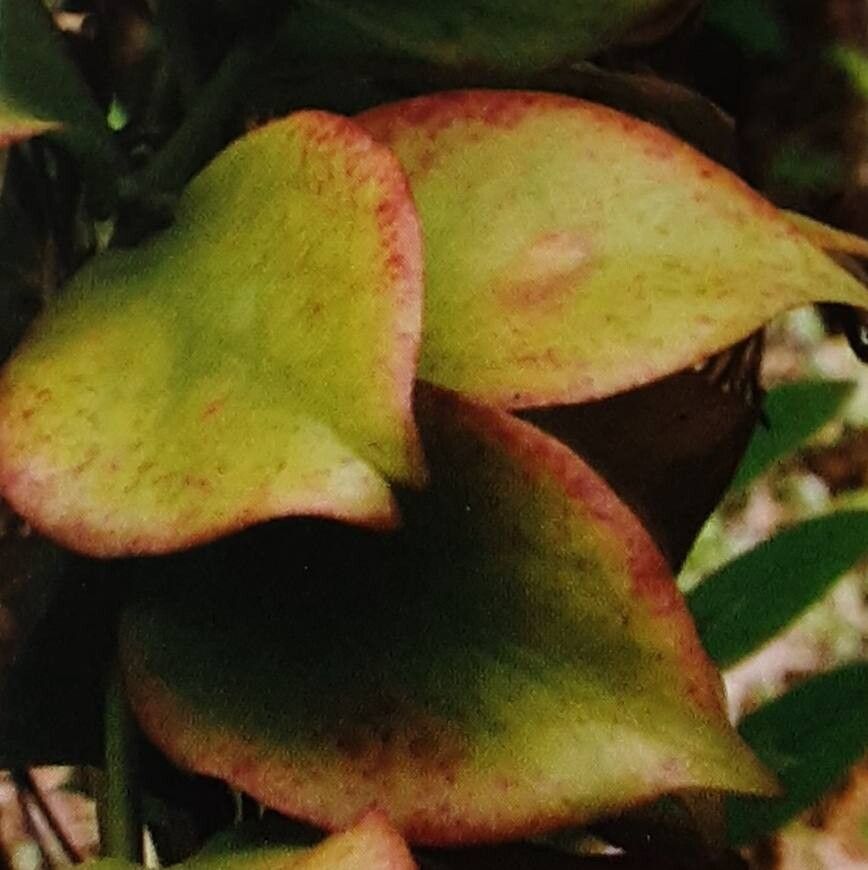
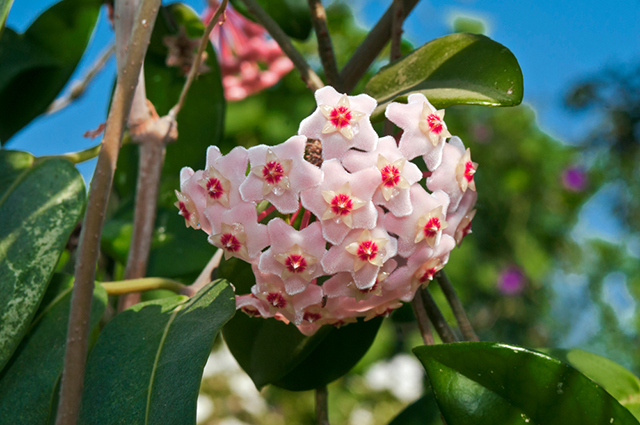
Hoya endauensis shows strong resistance to diseases and is usually not vulnerable to them. Still, if the plant is maintained in a poor environment it can become more prone to illness. It also attracts few insect pests. Regarding care, this species has moderate needs. It requires ample sunlight, since inadequate light can make it more susceptible to disease and cause sparse, weak growth. Because it is commonly kept indoors, it may need to be relocated regularly to a brighter spot. It does not need frequent watering. In summary, Hoya endauensis is appropriate for most people, though it performs best with those who can provide good lighting.
How to keep Hoya Endauensis.
Light
Hoya endauensis is originally from habitats like forest undergrowth or stony regions where it is exposed to natural shade. It has a predilection for partial sun, although it is capable of adjusting to full sun or full shade, reflecting its adaptable and robust character.
Temperature
Hoya endauensis is native to the tropics, an environment characterized by warmth and high humidity. Consequently, this plant thrives in hot, moist conditions. Rapid changes in temperature are not well-received by the plant, and it favors a controlled temperature setting, so indoor temperature swings should be avoided. Cold temperatures are generally not suitable for it, and it necessitates warmer conditions to grow. If the surrounding temperature falls excessively, the plant's growth might stagnate, or it could even perish.
Fertilizer
For Hoya endauensis, fertilization is an essential aspect of its care. Regular nourishment throughout the growth period ensures the maintenance of energy for vibrant leaves and promotes overall development. Ignoring the process of fertilization might lead to leaf ailments, a reduced aesthetic attractiveness, and a hindrance of robust growth, making it susceptible to damage.
Pot & Repot
When transplanting Hoya endauensis, select a container that is 1-2 inches (2.5-5 cm) bigger and has sufficient drainage. Opt for a potting mix with good drainage properties. The best time to do this is during spring or autumn, ensuring the root ball is a bit below the pot's edge. After the transplant, water it thoroughly and situate it in a warm location that receives indirect sunlight.
Botanical profile.
- Plant Type
- Vine
- Life Cycle
- Perennial
- Genus
- Hoya
- Family
- Apocynaceae
- Hardiness Zone
- 10-12
- Mature Height
- 30 cm to 49 cm
- Mature Spread
- 30 cm to 40 cm
- Leaf Color
- Dark Green
- Leaf Type
- Evergreen
- Flower Size
- 1.02 cm to 1.52 cm
- Bloom Time
- Summer, Early fall, Mid fall
- Planting Time
- Spring, Summer, Autumn
- Harvest Time
- Fall
- Native Area
- Malaysia