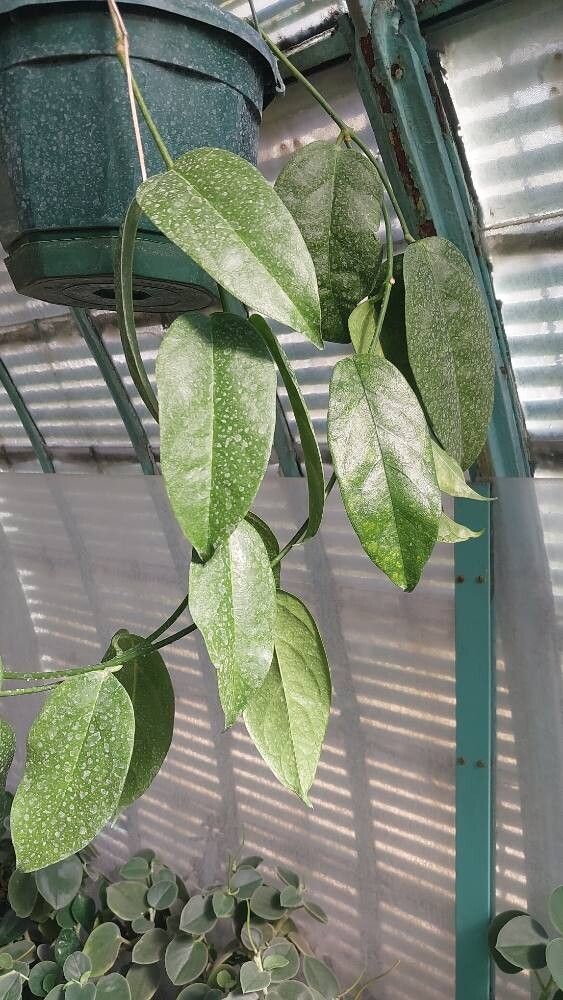
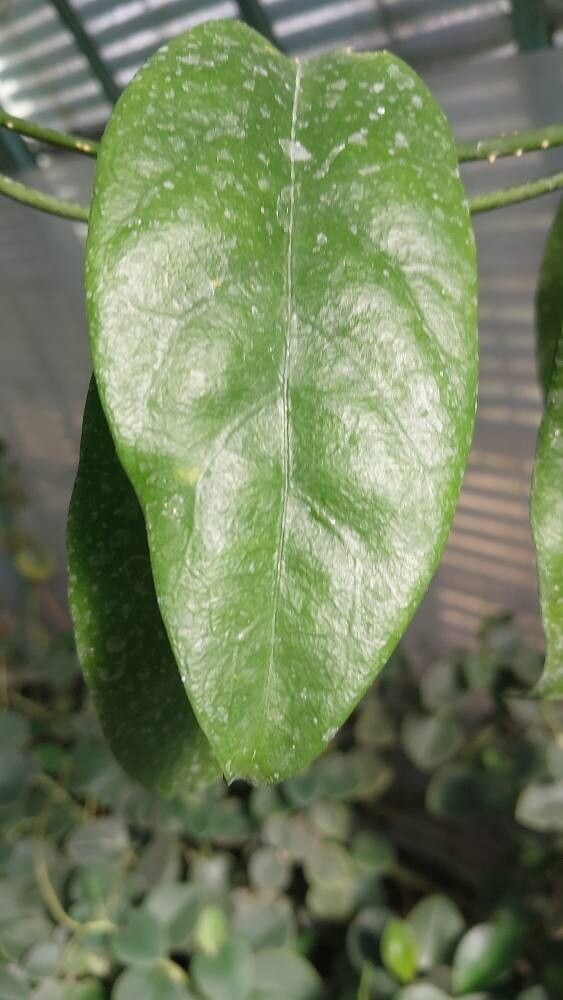
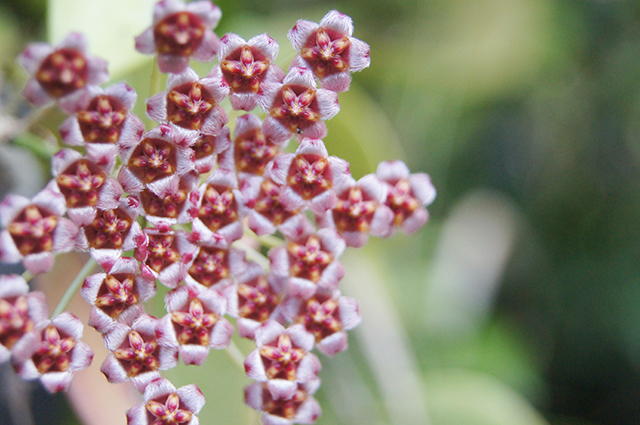
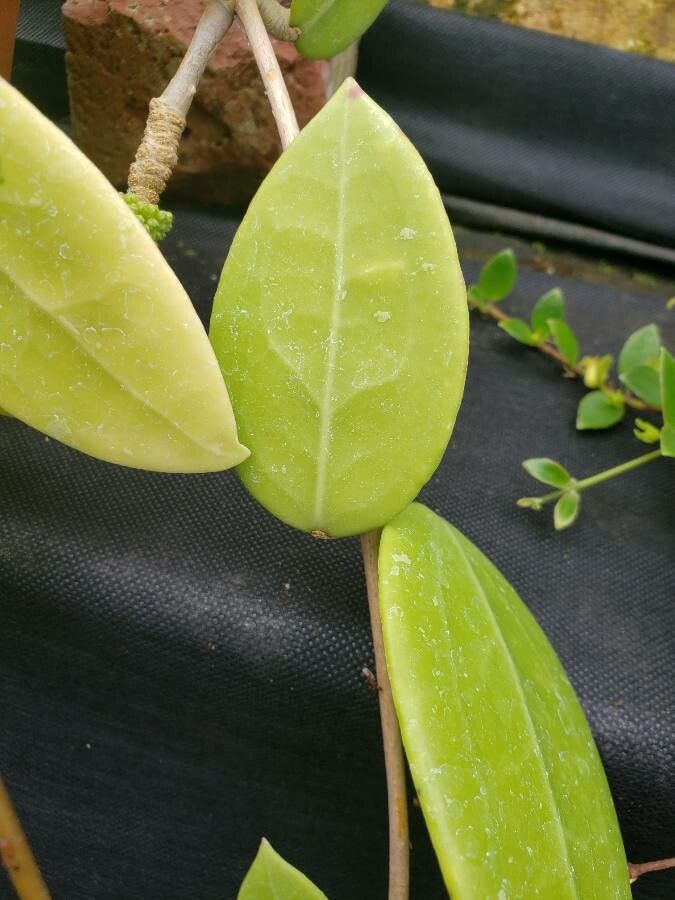
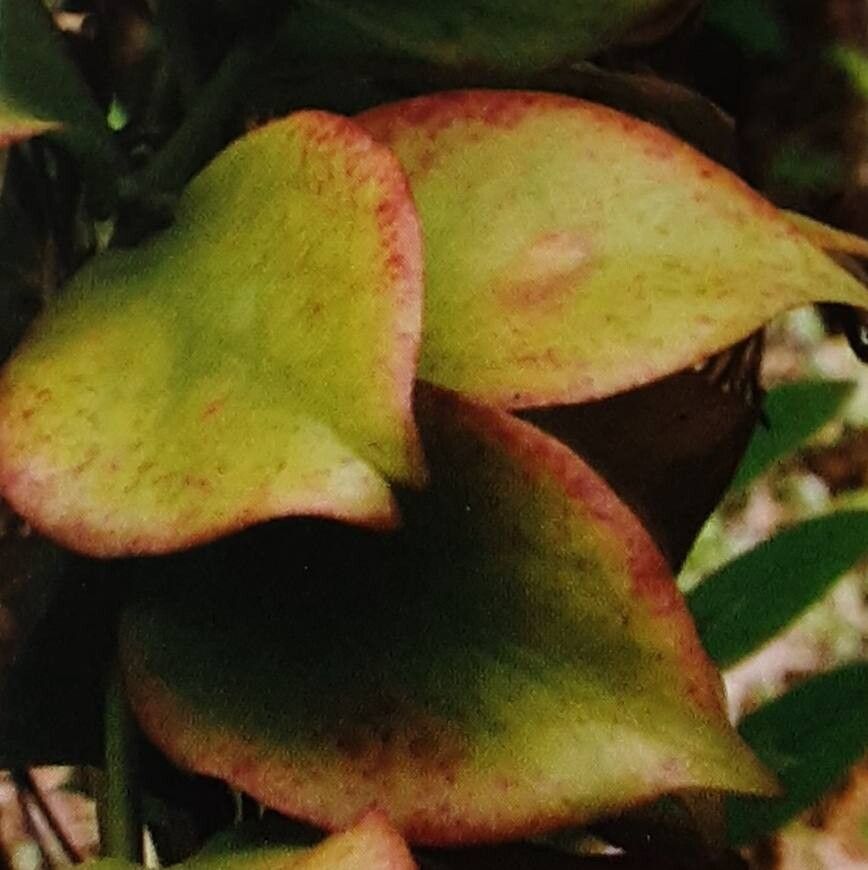
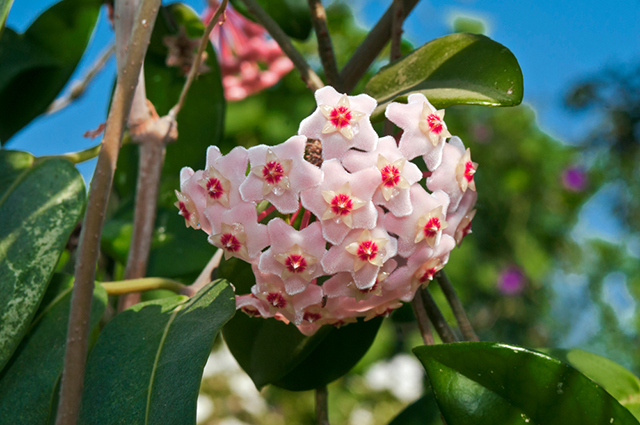
Hoya lobbii shows strong resistance to disease and is usually not susceptible to illnesses. Still, if it is maintained in poor conditions it can become more vulnerable to disease. It also has relatively few insect pests. Regarding care, this species has moderate needs. It should receive ample sunlight, since inadequate light can make it more prone to disease and cause weak, leggy growth. Because it is commonly grown indoors, it may need to be moved periodically to a brighter spot. It does not need to be watered often. In general, Hoya lobbii is appropriate for most people, though it is particularly suitable for those who can provide good lighting.
How to keep Hoya Lobbii.
Light
The Hoya lobbii originates from habitats like the underbrush of forests or rocky terrains where it's accustomed to natural shading. It favors conditions of partial sunshine, yet it's capable of adjusting to either complete sun or complete shade, displaying its hardy and adaptable character.
Temperature
Hoya lobbii is originally from tropical zones, characterized by a hot and moist climate. Hence, it thrives in environments with high temperatures and humidity. It is sensitive to abrupt changes in temperature and favors a consistently warm setting, making it key to maintain a steady indoor temperature. It typically doesn't fare well in cold conditions and thrives better in warmer climates for its growth. A significant decrease in ambient temperature could halt its growth or cause it to perish.
Fertilizer
The care of Hoya lobbii greatly depends on fertilization. Consistent nurturing through the growing period is essential for the maintenance of vibrant leaves and general development. Overlooking the need for fertilization might lead to poor leaf health, reduced aesthetic value, and inhibited or frail growth susceptible to damage.
Pot & Repot
Transfer the Hoya lobbii to a new pot in the early spring, selecting one that is only marginally bigger than the existing one and has adequate drainage. Use a potting mixture that drains well and make sure the root ball is positioned at the same height as previously. Carefully unbind roots that are root-bound. Hydrate thoroughly following the repotting and position it in a warm area with shade. Consistent trimming aids in controlling its size and stimulates the growth of fresh shoots.
Botanical profile.
- Plant Type
- Vine
- Life Cycle
- Perennial
- Genus
- Hoya
- Family
- Apocynaceae
- Hardiness Zone
- 10-12
- Mature Height
- 30 cm to 61 cm
- Mature Spread
- 30 cm to 49 cm
- Leaf Color
- Dark Green
- Leaf Type
- Evergreen
- Flower Size
- 1.02 cm to 2.03 cm
- Bloom Time
- Summer, Early fall, Mid fall
- Planting Time
- Spring, Summer, Autumn
- Harvest Time
- Fall
- Native Area
- India