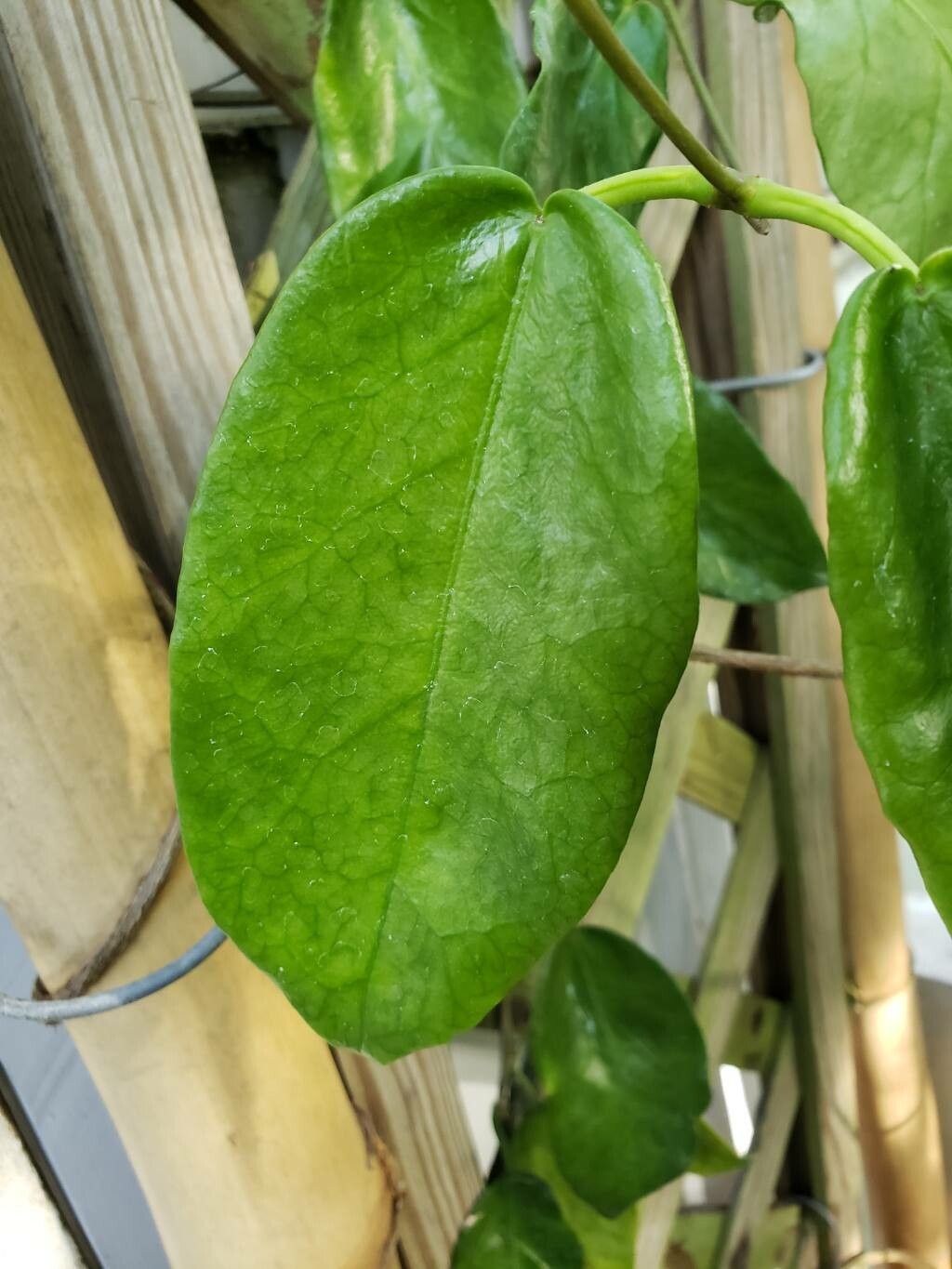
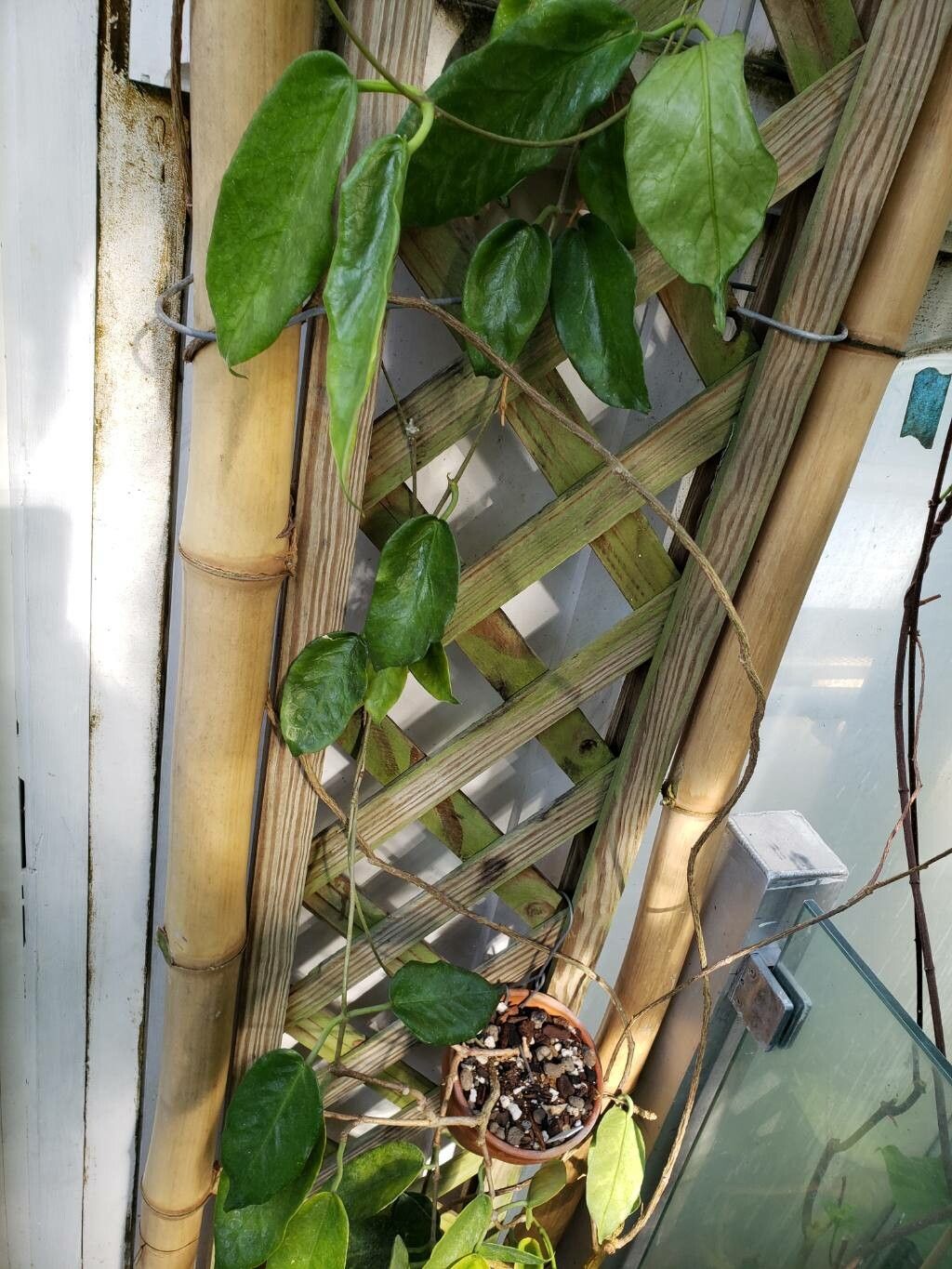
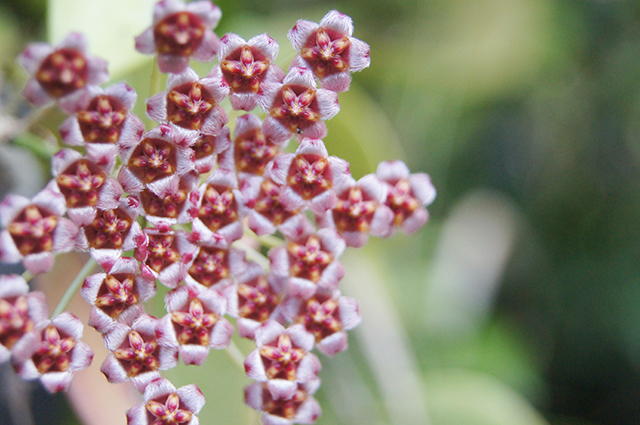
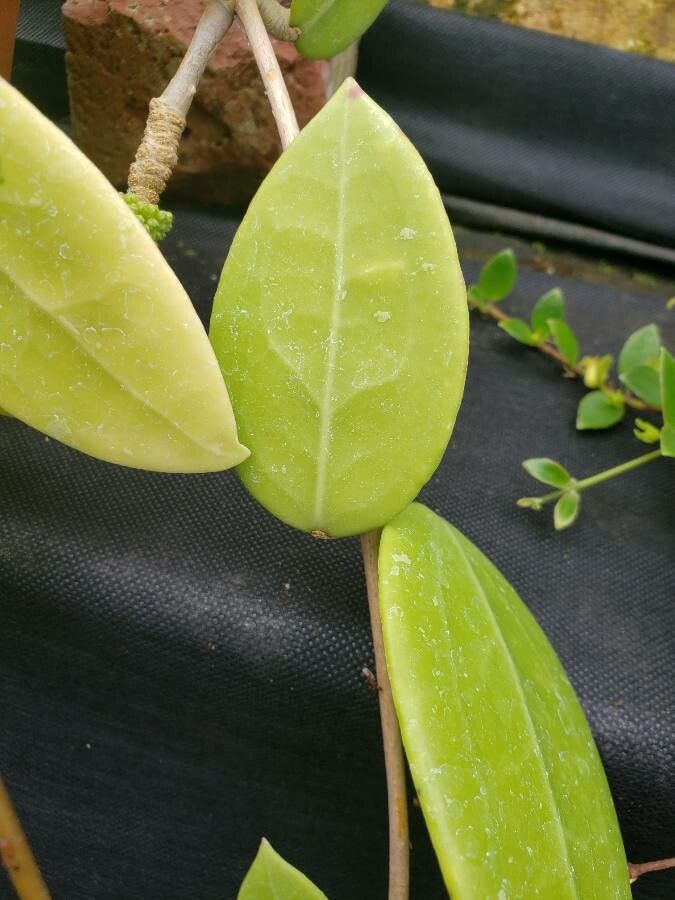
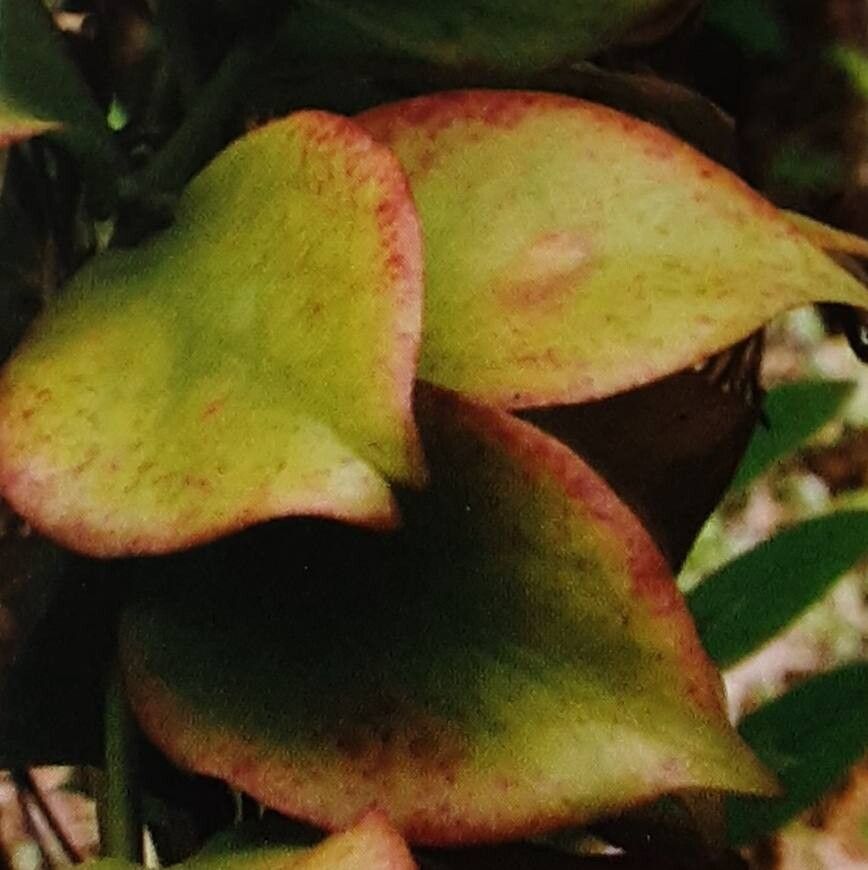
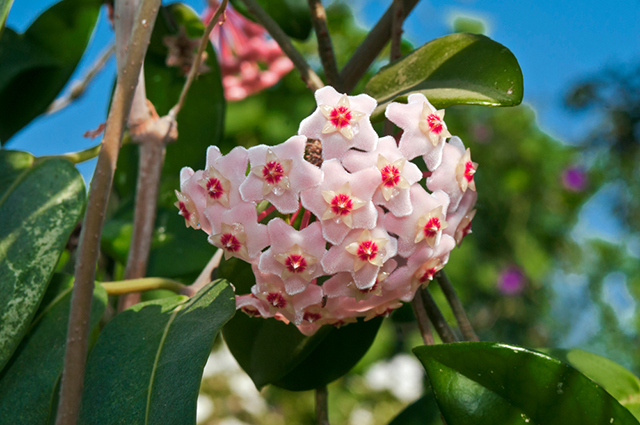
Hoya macgillivrayi, commonly known as red hoya or Macgillivray's wax flower, is a species of vine endemic to Cape York Peninsula in Queensland, and has egg-shaped to lance-shaped leaves and racemes of dark reddish-pink flowers, sometimes with a white centre, and a reddish-pink corona.
Hoya macgillivrayi has a good level of disease resistance and is generally not prone to illnesses. However, if the plant is kept in a poor environment it can become more vulnerable to disease. It also has relatively few insect pests. In terms of care, this plant has medium requirements. Providing plenty of sunlight is important, since insufficient light can make it more susceptible to disease and cause thin growth. Because it is often grown indoors, it may need to be moved regularly to a well-lit spot. It does not require frequent watering. Overall, Hoya macgillivrayi is suitable for most people, though it is best for those who can supply good light conditions.
How to keep Hoya Macgillivrayi.
Light
Hoya macgillivrayi naturally inhabits areas like forest understories or rocky regions, where it is usually exposed to natural shade. It favors partial sun conditions, but it also has the capability of adjusting to either full sunlight or complete shade, showing its adaptable and robust characteristics.
Temperature
Hoya macgillivrayi is native to tropical areas characterized by a consistently warm and moist climate. It is thus perfectly suited for conditions of high heat and humidity. It does not favor abrupt shifts in temperature and thrives best in a steady thermal environment, making it crucial to prevent indoor temperature swings. Generally, it is not resistant to colder temperatures and needs warmer conditions for optimal growth. With a significant decrease in environmental temperature, the plant can halt its growth and could even perish.
Fertilizer
For the care of Hoya macgillivrayi, fertilization is key. Frequent nourishment throughout the growing period is beneficial for maintaining energy for vibrant leaves and aiding in overall development. If fertilization is overlooked, it can cause the leaves to lose their health, reduce the plant's ornamental charm, and lead to inhibited or fragile growth that is susceptible to breaking.
Pot & Repot
In the early spring, replant Hoya macgillivrayi into a container that's just a bit bigger than its existing one, and make sure it has adequate drainage. Use a potting mixture that drains well, and see to it that the root ball remains at the same height as it was previously. If the roots are compacted, gently untangle them. After you've replanted, provide abundant water and move the plant to a warm location that gets plenty of shade. Regular trimming is beneficial for controlling the plant's size and encouraging fresh growth.
Botanical profile.
- Plant Type
- Shrub, Vine
- Life Cycle
- Perennial
- Genus
- Hoya
- Family
- Apocynaceae
- Hardiness Zone
- 10-12
- Mature Height
- 0.91 m to 3.05 m
- Mature Spread
- 49 cm to 91 cm
- Leaf Color
- Dark Green
- Leaf Type
- Evergreen
- Flower Size
- 5.08 cm to 6.35 cm
- Bloom Time
- Summer, Early fall, Mid fall
- Planting Time
- Spring, Summer, Autumn
- Harvest Time
- Late summer, Fall, Early winter
Other names.