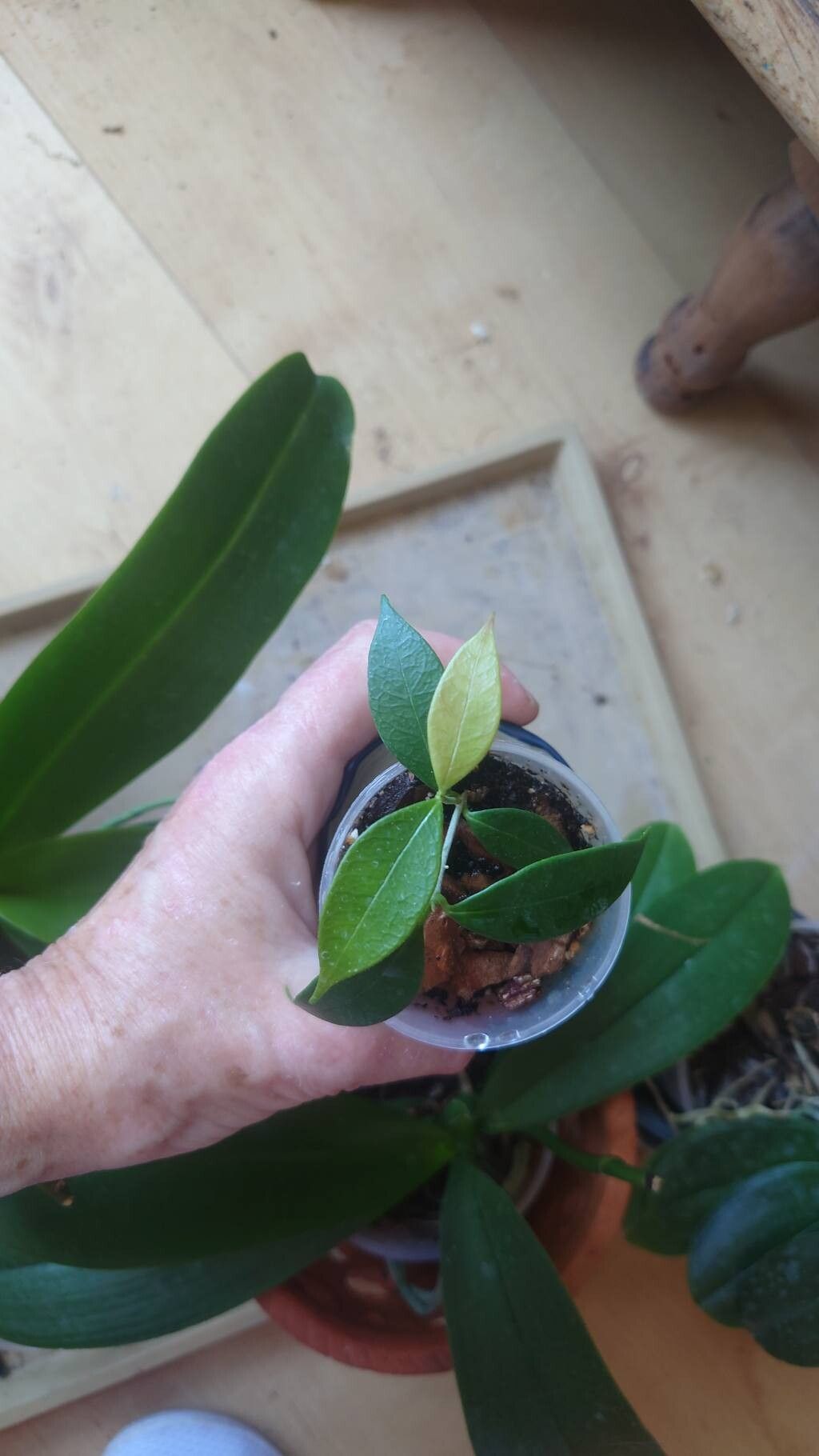
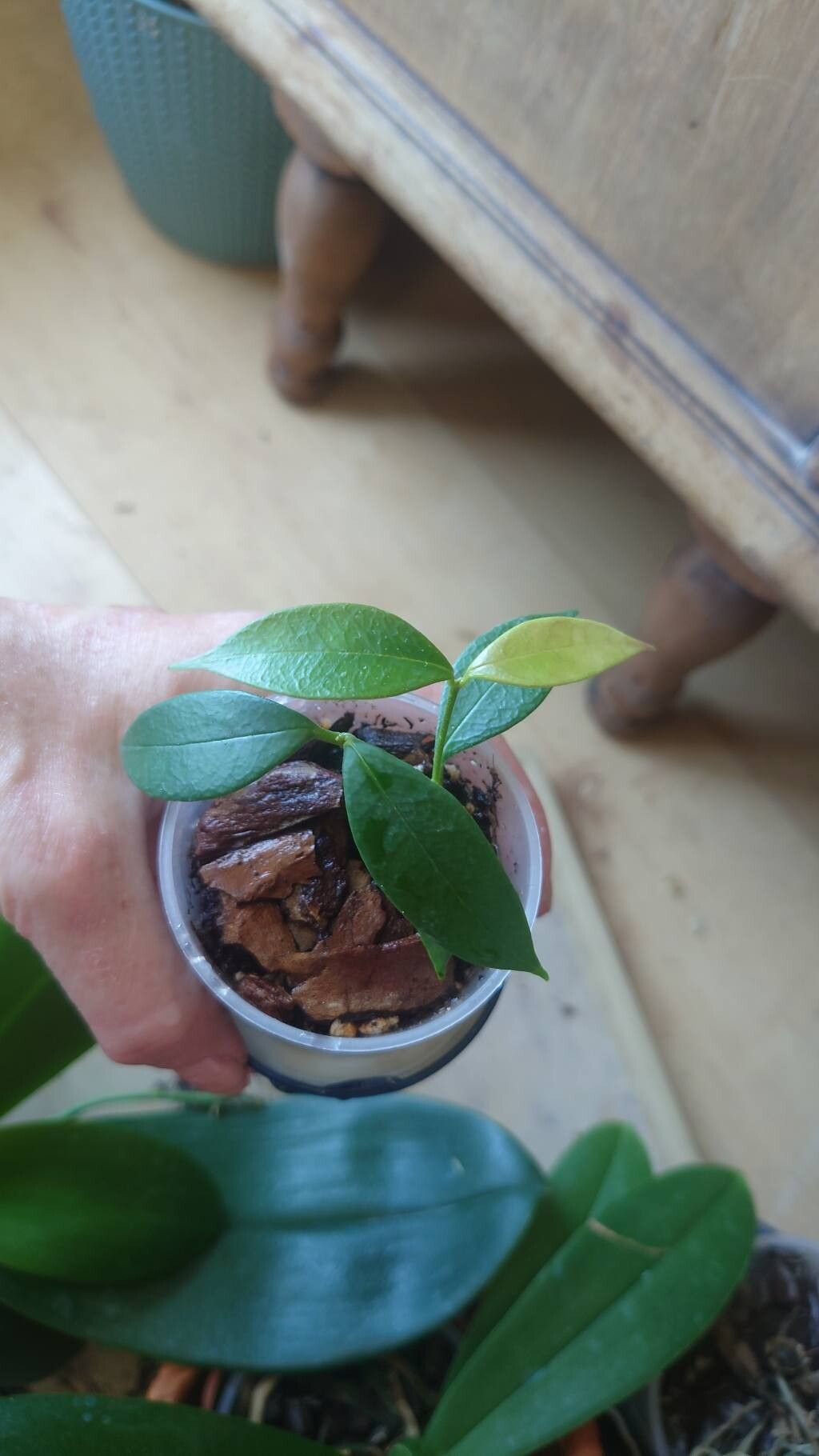
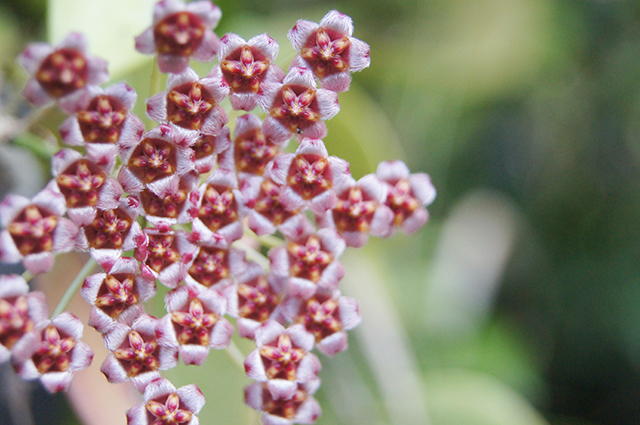
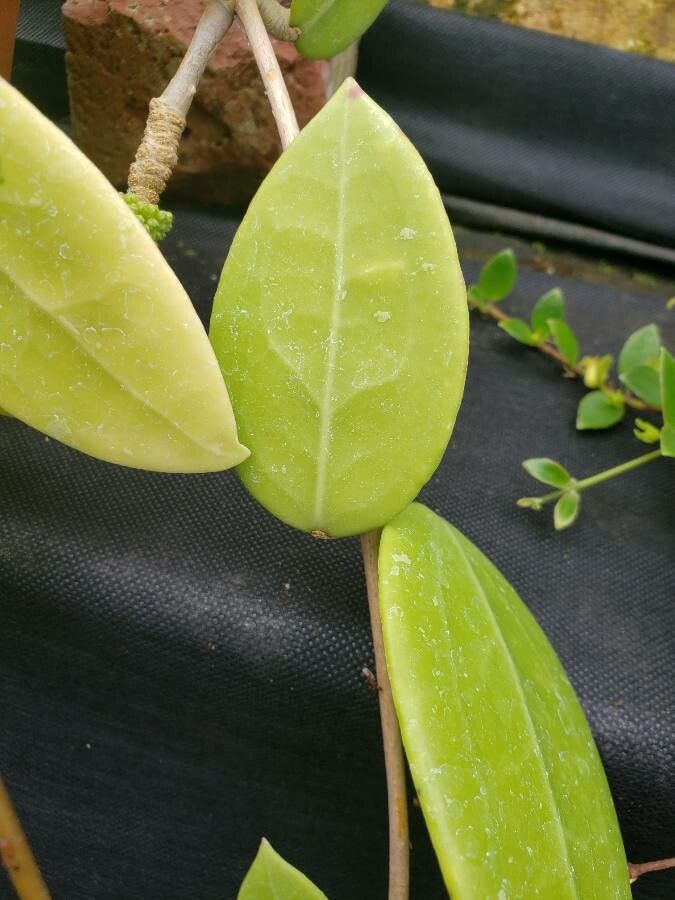
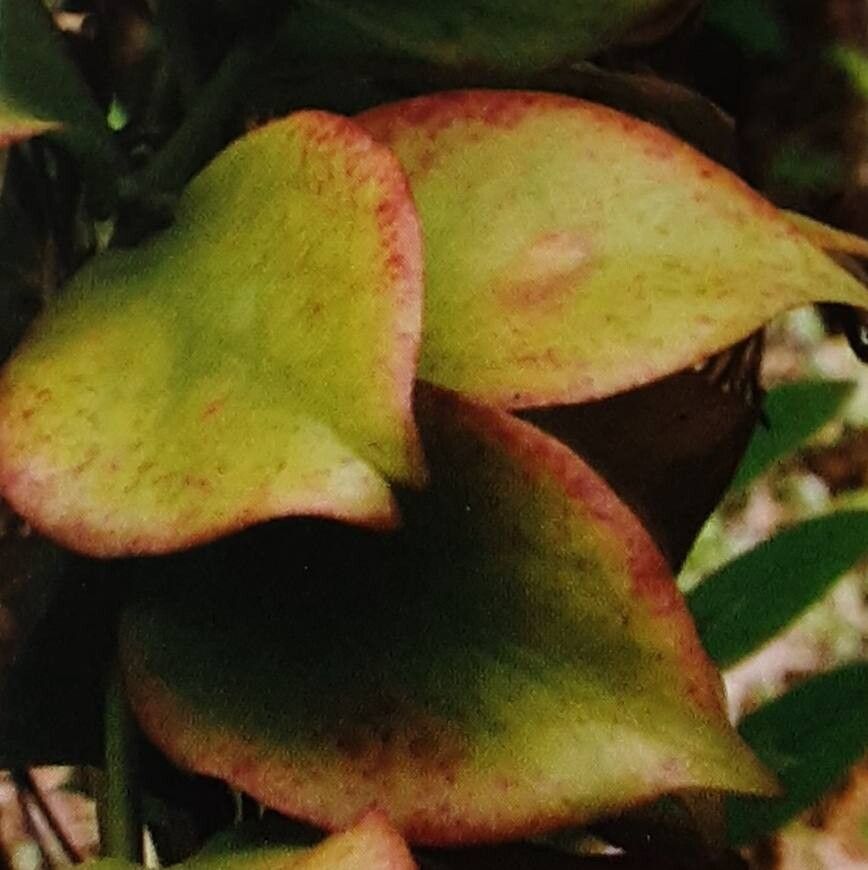
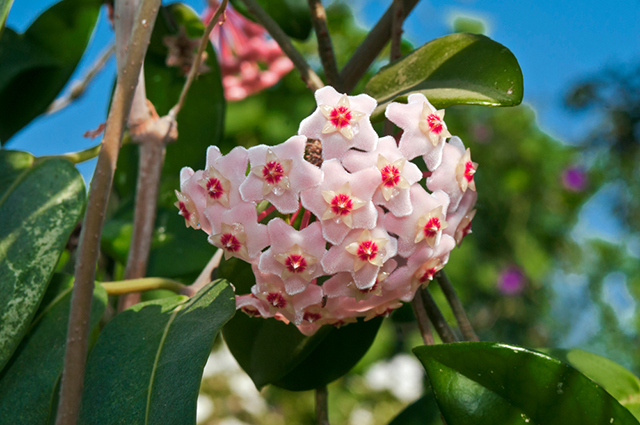
Hoya odorata has a high level of disease resistance and is usually not prone to illnesses. Still, if it is grown in a poor environment, it can become more vulnerable to disease. The plant also experiences few insect pests. Regarding care, its requirements are moderate. It needs ample sunlight, since insufficient light can make it more susceptible to disease and cause leggier growth. Because it is often kept indoors, it may need to be relocated regularly to a brighter spot. It does not need frequent watering. In general, Hoya odorata is appropriate for most people, though it is best for those who can provide good light conditions.
How to keep Hoya Odorata.
Light
Hoya odorata originates from habitats like forest understories or rocky zones, experiencing natural shade in these locales. It has a penchant for partial sun, yet it can adjust to total sun or complete shade, displaying its adaptable and resilient characteristics.
Temperature
Hoya odorata hails from regions with a tropical climate, characterized by heat and high humidity. Consequently, it is well-suited for hot and moist environments. It has a preference for a constant temperature and does not respond well to abrupt changes in temperature. Thus, it's crucial to maintain a consistent indoor temperature. The plant typically struggles in cold conditions and requires warmer temperatures to grow. If exposed to very low temperatures, the plant could stop growing or possibly perish.
Fertilizer
Fertilization is vital for the care of Hoya odorata. Regular feeding during the growing season preserves the energy needed for its showy leaves and promotes overall growth. Neglecting to fertilize can lead to unhealthy leaves, reduced ornamental appeal, and stunted or weak growth that is more likely to break.
Pot & Repot
Rehouse Hoya odorata in the early part of spring and pick a pot that is a bit bigger than the existing one, ensuring it offers adequate drainage. Use a potting mix that drains well and make sure the root ball is kept at the same height as previously. Tenderly untangle roots that are root-bound. Following the repotting process, drench the plant with water and set it in a warm place with shade. Regular trimming aids in maintaining the size of the plant and encourages the development of new growth.
Botanical profile.
- Plant Type
- Vine
- Life Cycle
- Perennial
- Hardiness Zone
- 10-12
- Mature Height
- 0.91 m to 3.05 m
- Mature Spread
- 49 cm to 91 cm
- Leaf Color
- Dark Green
- Leaf Type
- Evergreen
- Flower Size
- 1.02 cm to 2.03 cm
- Bloom Time
- Late spring, Summer, Early fall, Mid fall
- Planting Time
- Spring, Autumn
- Harvest Time
- Late summer, Fall, Early winter, Mid winter