Hoya pachyclada
Description
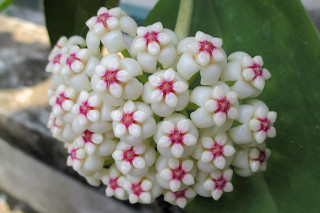
Source: leafsnapThis plant produces doming clusters of white, star-shaped flowers that look like a bridal veil. Hoya is an Asian native plant introduced by Scottish botanist Robert Brown and named in honor of the 18th-century botanist Thomas Hoy. Gardeners today find it a fragrant, low-maintenance tropical flower. They are slow to moderate growers, and should be planted outside in spring or early summer.
Care Guide
💧 Water Every 1 week
Hoyas should be watered weekly, and left to let dry completely between waterings.
☀️ Light Partial sun
Hoya pachyclada originates from habitats like forest understories or rocky areas, where it grows in natural shade. It prefers partial sun but can tolerate full sun or full shade, showing its versatile and hardy nature.
🌡️ Temperature 20–37.8°C
Hoya pachyclada comes from tropical areas, where the climate is generally warm and humid. For that reason, it is adapted to higher temperatures and humidity. It does not tolerate sudden temperature changes and prefers a steady thermal environment, so avoiding temperature fluctuations indoors is important. It usually cannot withstand cold and requires warmer temperatures to grow. If the ambient temperature falls too low, the plant may stop growing or even die.
💨 Humidity
🪴 Soil 6-7
🌱 Fertilizer
Hoyas should be fertilized monthly; The International Hoya Association suggests feeding them with a fertilizer that includes nitrogen, phosphorus, and potassium.
🪴 Pot & Repot 2-3 years
When repotting Hoya pachyclada, select a pot 1-2 inches (2.5–5.0 cm) larger with ample drainage. Use a well-draining potting mix. Repot in spring or fall, making sure the root ball sits slightly lower than the rim of the flower pot. Water thoroughly after repotting and place it in a warm spot with indirect sunlight.
✂️ Pruning
When your hoya plant finishes blooming, leave the flower stalk, as it may produce new flowers. Removing the stalk forces the plant to produce a new stalk, which delays blooming and wastes the plant’s energy. Hoyas are light feeders, and a monthly drink of compost tea or dilute fish emulsion provides all the nutrition these tropicals need.
🌿 Propagating
🐛 Diseases & pets
☠️ Toxicity
According to The University of Kansas Health System, hoya's leaves and sap are non-toxic to humans and pets. Still, if your child or pet eats them, it's best to call your doctor or veterinarian for advice.
Characteristics
- Plant Type
- Succulent, Vine
- Life Cycle
- Perennial
- Genus
- Hoya
- Family
- Apocynaceae
- Hardiness Zone
- 10-12
- Mature Height
- 30 cm to 61 cm
- Mature Spread
- 30 cm to 49 cm
- Leaf Color
- Dark Green
- Leaf Type
- Evergreen
- Flower Size
- 1.02 cm to 2.03 cm
- Bloom Time
- Summer, Early fall, Mid fall
- Planting Time
- Spring, Summer, Autumn
- Harvest Time
- Fall
- Native Area
- Thailand