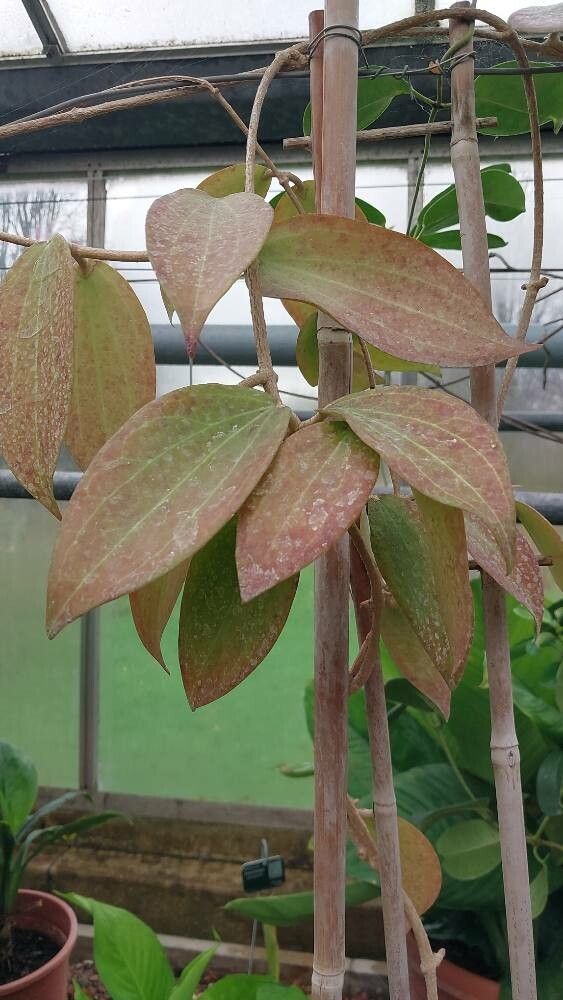
Wax plant has moderate resistance to disease but is more vulnerable to high humidity and excessive watering. It also becomes more prone to illnesses if it receives little light and is overwatered. Regarding care, Wax plant tolerates drought and can go for extended periods without water. It requires minimal fertilizer and only occasional pruning. For these reasons it is appropriate for gardeners of any skill level, particularly those who prefer to spend less time on plant care or who may be away from home for extended stretches. It is a suitable option for people who do not want to invest much time in upkeep yet still want an easy-to-care-for plant.
How to keep Hoya Pottsii.
Light
Originating from dry areas, the Wax plant flourishes in complete sunlight, as it's accustomed to intense sun exposure and scarce shade in its original habitat. It also tolerates partial sun, showing some flexibility in its growth conditions.
Water
Native to tropical regions, the wax plant thrives in environments with high humidity and consistently moist soil. To keep it healthy, it requires weekly watering. As an epiphytic plant, it does well indoors, especially if you mist it occasionally. This promotes lush foliage and vibrant flowers during the growing season.
Temperature
The wax plant flourishes in hot climates and needs elevated temperatures during its growth period to boost its development and metabolism. It prefers plenty of sunshine, suitable humidity, and proper air circulation. Nevertheless, it can be harmed by extremely cold temperatures and too much water. It's crucial to maintain equilibrium and prevent overly hot temperatures and excessively dry circumstances as well.
Fertilizer
For the Wax plant, it is adequate to apply light amounts of fertilizer 1-2 instances annually during its growth phase. Refrain from fertilizing during winter and summer seasons when the plant is in a dormant state. After repotting, diminish the fertilizer amount for the plants and hold off on the fertilizing process for a few months. The act of fertilizing fosters robust growth and promotes flowering.
Pruning
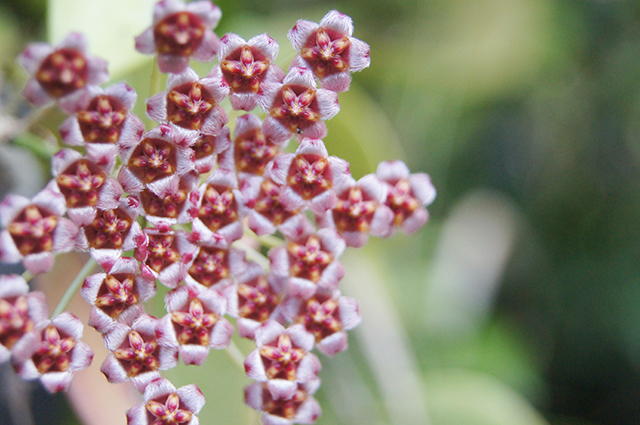
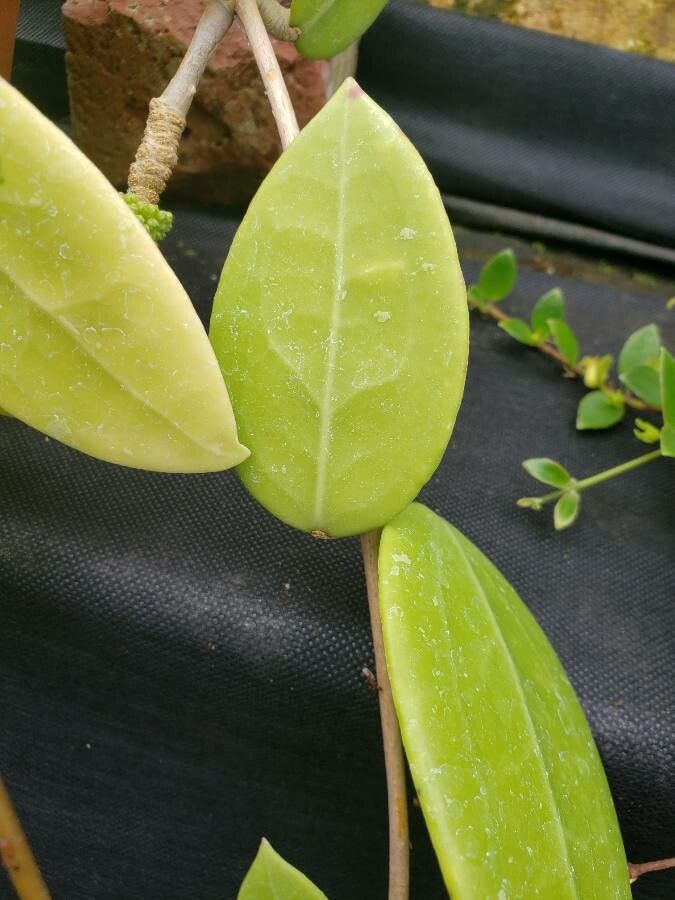
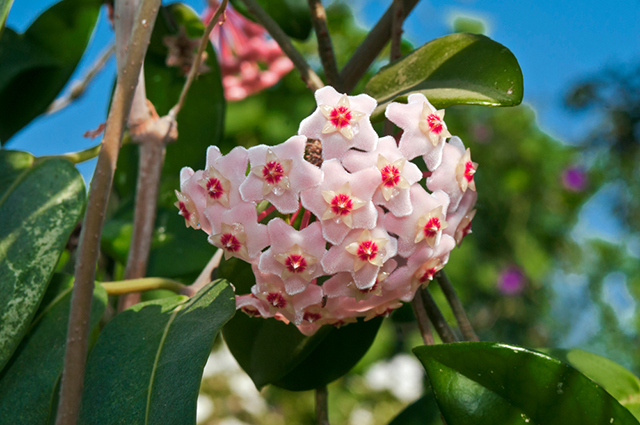
The wax plant is characterized by its thick, waxy leaves and star-shaped flowers. To improve its shape and encourage new growth, it's best to prune the plant annually from early to late spring. Effective pruning techniques involve removing any damaged stems and thinning out densely packed areas. This helps promote healthier foliage and more vigorous blooming.
Pot & Repot
When it comes to repotting the Wax plant, you should opt for a pot that's a bit larger than the current one, which has effective drainage. Make sure to use a cactus or succulent mix that drains well and is gritty. Carefully extract the plant from its previous pot, brush off any surplus soil, and then replant it at an equivalent depth. Allow a few days before watering the plant to give any injured roots time to recover. It's best to repot during spring or autumn and place the plant in a region with lots of light.
Botanical profile.
- Plant Type
- Vine, Herb, Succulent
- Life Cycle
- Perennial
- Genus
- Hoya
- Family
- Apocynaceae
- Hardiness Zone
- 10-12
- Mature Height
- 0.91 m to 3.05 m
- Mature Spread
- 49 cm to 91 cm
- Leaf Color
- Green, Blue
- Leaf Type
- Evergreen
- Flower Color
- White
- Flower Size
- 1.02 cm to 1.52 cm
- Bloom Time
- Summer, Early fall, Mid fall
- Planting Time
- Spring
- Harvest Time
- Fall
- Native Area
- China