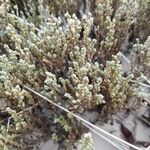
Hudsonia tomentosa
Beach-heath · Woolly beachheather · Sand Golden-heather · Sand-heather · Woolly Beach-heather
Description
Source: leafsnapHudsonia tomentosa is a species of flowering plant in the rockrose family known by the common names woolly beachheather, beach heather, and sand heather. It is native to northeastern North America, including central and eastern Canada and the northeastern United States.
Care Guide
💧 Water
Sand golden-heather is well-suited to dry environments, thanks to its drought tolerance. It requires minimal watering, about every 2-3 weeks. This plant thrives in well-drained soil, which helps prevent waterlogging, and it keeps its evergreen foliage throughout the year. These qualities make it ideal for sandy habitats where water is scarce.
How should I water my Sand golden-heather plant?
To promote excellent root development, place a garden hose at the base of the plant and avoid spraying the leaves directly. If the plant is outdoors and in direct sunlight, remember to water the leaves more. Moistening the roots can be accomplished using bubblers or soaker hoses for each plant. When adding or removing plants, use soaker hoses that cover the entire garden or bed to ensure deep root penetration. After watering, drain any excess water and allow the soil to dry before watering again. To prevent diseases, water at ground level. On a sunny day, consider spraying the entire bush with water. Whether the plant is in a pot or in the ground, it is important to provide deep watering instead of light sprinkling for Sand golden-heather.
If I give Sand golden-heather too much or too little water, what should I do?
If an overwatered Sand golden-heather is showing yellow leaves, leaf drop, and wilting, it may also appear dull and unhealthy with mushy stems. Adjusting your watering schedule is recommended when these signs appear. Wilting can also indicate under watering, with leaves turning crispy and dry. Check the soil for dryness and provide a thorough watering if necessary. However, even with sufficient water, the plant may still have dry, yellow leaves due to root damage. Once the plant returns to normal, the yellowing leaves will cease. When growing Sand golden-heather indoors, regularly check the moisture levels in the pot and avoid overwatering. Look for black spots, and if present, allow the soil to dry out for a few days. Overwatering can lead to root rot, so transfer the plant to a different pot if discolored and slimy roots are observed. Preventing root rot and avoiding overly soggy soil are important. When planting Sand golden-heather outdoors, dig deeper and check for dry soil. If the soil is dry, it may indicate underwatering, and adequate watering is necessary for plant recovery.
How much should I water my Sand golden-heather?
The Sand golden-heather requires deep and infrequent watering. When planted in pots, soak them in a gallon of water each time to account for the limited water storage and faster drying soil. In cold regions, water every 3 to 5 days. Water early in the morning when the soil is dry, indoors or outdoors. Check the soil inside to determine if watering is needed - if the top 2-3 inches of soil is dry, water the plant. During hot days, check the soil moisture daily as heat can quickly dry out the pot. For garden plants in hot climates, water once a week when about 2 to 3 inches of soil become too dry. Be mindful of rainwater accumulation to avoid root rot. Sand golden-heather primarily grows during spring and fall, so add 3 to 4 inches of mulch outdoors to conserve water. Sandy soil requires more frequent watering due to faster drainage, while clay soil requires less frequent watering to prevent root rot. Mark the watering dates on the calendar and watch for drooping leaves as an indicator of potential delayed watering.
How much water does my Sand golden-heather plant need?
The Sand golden-heather typically needs about a gallon of water on a regular basis. For potted plants, water them deeply until water drips out of the bottom of the pot, then wait for the soil to dry before watering again. To determine how much water you've given your plants in a week, you can use a water calculator or a moisture meter. During the flowering period, provide plenty of water but let the moisture evaporate to avoid root rot. If you have Sand golden-heather planted outdoors and it receives enough rainfall, it may not need additional watering. When the plant is young or newly planted, make sure it gets 1-2 inches of rain per week. As the Sand golden-heather grows, it can rely solely on rainfall. Only water it fully during cooler parts of the day if the weather is too hot or if there has been no rainfall for 2-3 weeks to prevent damage from high heat. Additional watering will be necessary during long dry periods.
Should I change how often I water my Sand golden-heather based on the seasons or the weather?
The Sand golden-heather is a plant that needs outdoor conditions with regular rain, but can tolerate dry weather. It needs moist soil during the spring and fall, and alternating dry and moist conditions are best for growth. In the summer, hot weather can cause water to evaporate too quickly, so extra watering may be needed. During the winter, less water is required as the plant goes dormant. Using a well-draining soil mixture can help with water evaporation. Once the plant begins to leaf out and go dormant, watering can be skipped and the plant can rely on rainfall. Good drainage is important to prevent ponding or drought. When the plant is in a pot, it has limited root growth and requires regular watering. Deep soaking once or twice a week is best, avoiding shallow sprinkles that can encourage fungi growth. The plant should not be allowed to dry out completely, even during dormancy. It should also not be left sitting in water for too long, as this can cause it to die during winter. Applying mulch can reduce stress, conserve water, and promote healthy blooms.
☀️ Light Full sun
Sand golden-heather grows best when it gets abundant sunlight throughout the day. Insufficient sunshine can slow its growth. During every stage of development it requires ample light, reflecting the open habitats it originally occupied. Excessive shade can cause poor growth and lower survival.
How many hours of sunlight per day does Sand golden-heather need to grow healthy?
To ensure healthy growth for Sand golden-heather, it should receive a minimum of 3-6 hours of sun each day. While most plants that tolerate part sun can also do well in full sun, Sand golden-heather's ability to thrive in less light for photosynthesis makes it more adaptable than plants that specifically need full sun or part shade.
What kind of sunlight does Sand golden-heather require?
Sand golden-heather thrives with full or partial sun exposure. It flourishes with direct morning light, but during summer it requires protection from intense afternoon sun. In temperate environments, excessive afternoon sun can scorch the foliage, negatively affecting the plant's overall health and appearance.
Can the sun harm Sand golden-heather? How can we shield Sand golden-heather from the sun and heat?
Sand golden-heather planted indoors can be harmed by direct sunlight when it is moved outdoors. To prevent sunburn from overexposure, it is best to gradually move the pots from a shaded area to a brighter spot. However, even plants that are accustomed to the summer sun can still be damaged by extreme heat. In a heatwave, it is crucial to keep the soil consistently moist so that the plants can handle the excessive heat levels. To protect sensitive Sand golden-heather during extreme weather events, it is advisable to move container plants to areas with afternoon shade or use a shade cloth to cover them.
Should I make sure Sand golden-heather doesn't get too much sun?
Sand golden-heather benefits from bright morning sun and some full sun exposure. However, it cannot handle the harsh and hot midday sun of summer. If the plant is in the ground, it can gradually adapt to the increasing intensity of the summer sun throughout the season. On the other hand, a potted plant that has been indoors or in a protected location may suffer injury if suddenly exposed to direct summer sun in the hottest part of the day. To protect the plant from the intense afternoon summer sun, it is best to plant or place it in an area under the shade of taller trees and plants, or a building or landscape feature.
What will happen if Sand golden-heather doesn't get enough sunlight?
Sand golden-heather plants may turn pale green or have drooping, yellow leaves when they don't receive enough sunlight. While some leaf drop is expected, if leaves are falling off and no new ones are growing, it indicates a problem. When these plants do manage to grow in low light, the new growth is usually weak, pale, and susceptible to insect attacks. By noticing these signs and adjusting the lighting conditions, you can greatly improve their health.
🌡️ Temperature 5–25°C
Sand golden-heather comes from temperate areas and grows best where temperatures are between 41 and 77 °F (5 to 25 ℃). In colder months, make sure it is kept warm enough and avoid exposing it to very low temperatures.
What is the best temperature for Sand golden-heather?
Sand golden-heather, a plant that thrives in cool weather, has a specific temperature range for optimal growth. To keep them thriving, it is recommended to maintain temperatures between 65-75℉(18-25℃). While Sand golden-heather can tolerate temperatures outside this range, it is best to try and stay within a few degrees of these limits. The upper and lower temperature limits for this plant are 75-85℉(25-30℃) and 5℉(-15℃) respectively. As Sand golden-heather prefers cooler temperatures, it is more crucial to avoid the higher end of the temperature range. Temperatures above 85℉(30℃) can hinder growth and cause damage or even death to the plant if sustained for extended periods.
Does Sand golden-heather need different temperatures at different growing stages?
To ensure optimal growth of Sand golden-heather during each phase, it is important to maintain temperatures between 65-75℉(18-25℃). This plant is more tolerant to colder temperatures than higher ones, so growth will not be greatly affected if temperatures dip as low as 5℉(-15℃). However, growth may start to slow down if temperatures fall below this threshold. Therefore, if you plan to continue growing Sand golden-heather into the winter, it is advisable to maintain temperatures above this minimum level.
Here are three tips to help you control the temperature of golden-heather sand.
Here are some tips for taking care of Sand golden-heather: Tip #1: Watch for signs of heat damage. If the plant overheats, there are warning signs to look out for. First, the leaves may turn brown, and then branches may start falling off. This happens because the branches are dying as the plant pulls moisture towards its center. To prevent heat damage, keep temperatures low and water the plant more frequently if exposed to heat. Tip #2: Don't let the plant get too cold. Although Sand golden-heather prefers cooler environments, a rapid drop in temperature can cause freeze damage. If the temperature in your growing area goes below 5℉ (-15℃), the water in the plant can freeze, leading to bursting cell walls and cracked bark. This can slow growth and even cause parts of the plant to die. Be mindful of maintaining an appropriate temperature. Tip #3: Use shade and ventilation to regulate temperature. If you notice the plant overheating, you can use a combination of shade and ventilation to cool it down. If you don't have access to air conditioning or fans, providing shade and creating airflow can be a cost-effective way to regulate temperature. However, once the temperatures are back to normal, it's essential to let the plant receive sunlight. Sand golden-heather needs plenty of sunlight to grow properly, so although shade can help temporarily, it should not be kept in the shade for too long.
Does Sand golden-heather require varying temperatures during different seasons?
If you want to grow Sand golden-heather outside, it's important to pay attention to the temperature during the prime growing seasons of spring and early summer. The temperature should not go above 85℉(30℃) as it can harm and eventually kill the plant. If you decide to plant them indoors, ensure that there is enough sunlight. Sand golden-heather requires ample sunlight for growth, preferably full sun to partial shade. However, be cautious as too much direct sunlight combined with high heat can damage the plant.
How can I keep Sand golden-heather at the right temperature?
To maintain the ideal temperature for Sand golden-heather, it's best to grow them in a climate-controlled environment. Choose a room with air conditioning or fans, and ensure there's a way to monitor the temperature. Check the temperature once or twice a day and make sure it stays between 65-75℉ (18-25℃). Adjust your climate control accordingly if it is outside this range. If you plan to grow Sand golden-heather outdoors, it's recommended to do so in the spring and early summer. However, it can be more challenging to maintain the optimal temperature range outside, so it's generally better to have them indoors for optimal growth.
💨 Humidity
🪴 Soil 5-6
🌱 Fertilizer
Fertilize your Sand golden-heather in early spring to encourage healthy growth. Regular feeding improves the plant’s overall health, producing vigorous growth, increased resilience to challenging conditions, and enhanced resistance to diseases and pests. Follow a set fertilization routine for your Sand golden-heather to keep the foliage vibrant, richly colored, and lush in appearance.
🪴 Pot & Repot
✂️ Pruning
Sand golden-heather is a resilient shrub that thrives in sandy soils and coastal regions. To keep it healthy and attractive, prune it in early spring. This helps remove dead branches and manage its size, allowing better airflow and sunlight exposure. Regular pruning not only enhances its resistance to diseases but also encourages more abundant flowering, improving both its durability and appearance.
🌿 Propagating
🐛 Diseases & pets
☠️ Toxicity
Characteristics
- Plant Type
- Shrub
- Life Cycle
- Perennial
- Genus
- Hudsonia
- Family
- Cistaceae
- Hardiness Zone
- 5
- Mature Height
- 10 cm to 20 cm
- Mature Spread
- 20 cm to 49 cm
- Leaf Color
- Gray, Silver
- Leaf Type
- Deciduous
- Flower Color
- Yellow
- Flower Size
- 0.76 cm
- Bloom Time
- Mid spring, Late spring
- Planting Time
- Spring, Summer, Autumn
- Harvest Time
- Early summer, Mid summer