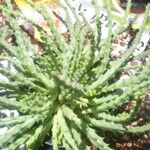
Huernia insigniflora
Description
Source: leafsnapHuernia zebrina, the little owl, is a species of flowering plant in the family Apocynaceae, native to Namibia, Botswana, northern South Africa, Zimbabwe, and Mozambique. A succulent, it has gained the Royal Horticultural Society's Award of Garden Merit.
Care Guide
💧 Water
☀️ Light Full sun
Ceropegia zebrina subsp. insigniflora, a plant native to dry areas, flourishes under direct sunlight, echoing its original habitat which is marked by intense sunlight and scarce shade. It can also withstand partial sunlight, showing some flexibility in its growth conditions.
🌡️ Temperature 20–37.8°C
Ceropegia zebrina subsp. insigniflora flourishes in hot climates and needs heightened temperatures during its growth phase for optimal development and metabolism. It benefits from a great deal of sunlight, the right amount of moisture, and adequate airflow. Nonetheless, extremely cold temperatures and too much water can cause harm to it. It's crucial to find a moderate balance to prevent exposure to overly hot temperatures and excessively dry environments.
💨 Humidity dry (<40%)
This plant prefers dry conditions, so don't mist it. However, watering it less often can also thrive in higher humidity.
🪴 Soil 6-7
🌱 Fertilizer
For the subspecies insigniflora of Ceropegia zebrina, a light application of fertilizer 1-2 times annually during its growth period is adequate. Refrain from fertilizing during winter and summer when the plant is in a dormant state. Decrease the quantity of fertilizer for plants that have been repotted and allow for a few months post repotting before applying fertilizer. Fertilization assists in robust growth and promotes flowering.
🪴 Pot & Repot Every 2 years
When transplanting Ceropegia zebrina subsp. insigniflora, opt for a pot that's marginally bigger than the current one, featuring proper drainage. Employ a gritty succulent or cactus mix that drains efficiently. Gently extract the plant from its former pot, clear away surplus soil, and relocate it at the equivalent depth. Delay watering for several days to let any root injury mend. The optimal times to do this repot are spring or autumn, and make sure to place in a location that receives plenty of light.
✂️ Pruning
Pruning Huernia zebrina is unnecessary unless you desire a smaller plant. The cuttings can be saved, given a few days to callus, and then potted to grow new plants. Season after season, this is a fairly simple and enjoyable small plant to raise and enjoy.
🌿 Propagating
🐛 Diseases & pets
☠️ Toxicity
Being a member of the milkweed family, this plant is poisonous to both people and animals if consumed or if the latex "sap" gets in your eyes. This plant produces a white latex that, when in contact with the eyes, can harm the eyes and is toxic if eaten. Even non-toxic succulents should be kept out of the reach of kids and pets as a general rule for all indoor plants.
Characteristics
- Plant Type
- Vine, Succulent
- Life Cycle
- Perennial
- Genus
- Huernia
- Family
- Apocynaceae
- Hardiness Zone
- 10-12
- Mature Height
- 30 cm to 61 cm
- Mature Spread
- 30 cm to 49 cm
- Leaf Color
- Green, Dark Green
- Leaf Type
- Evergreen
- Flower Color
- Brown
- Flower Size
- 3.05 cm to 5.08 cm
- Bloom Time
- Summer, Early fall, Mid fall
- Planting Time
- Spring, Summer, Autumn
- Harvest Time
- Fall
- Native Area
- South Africa