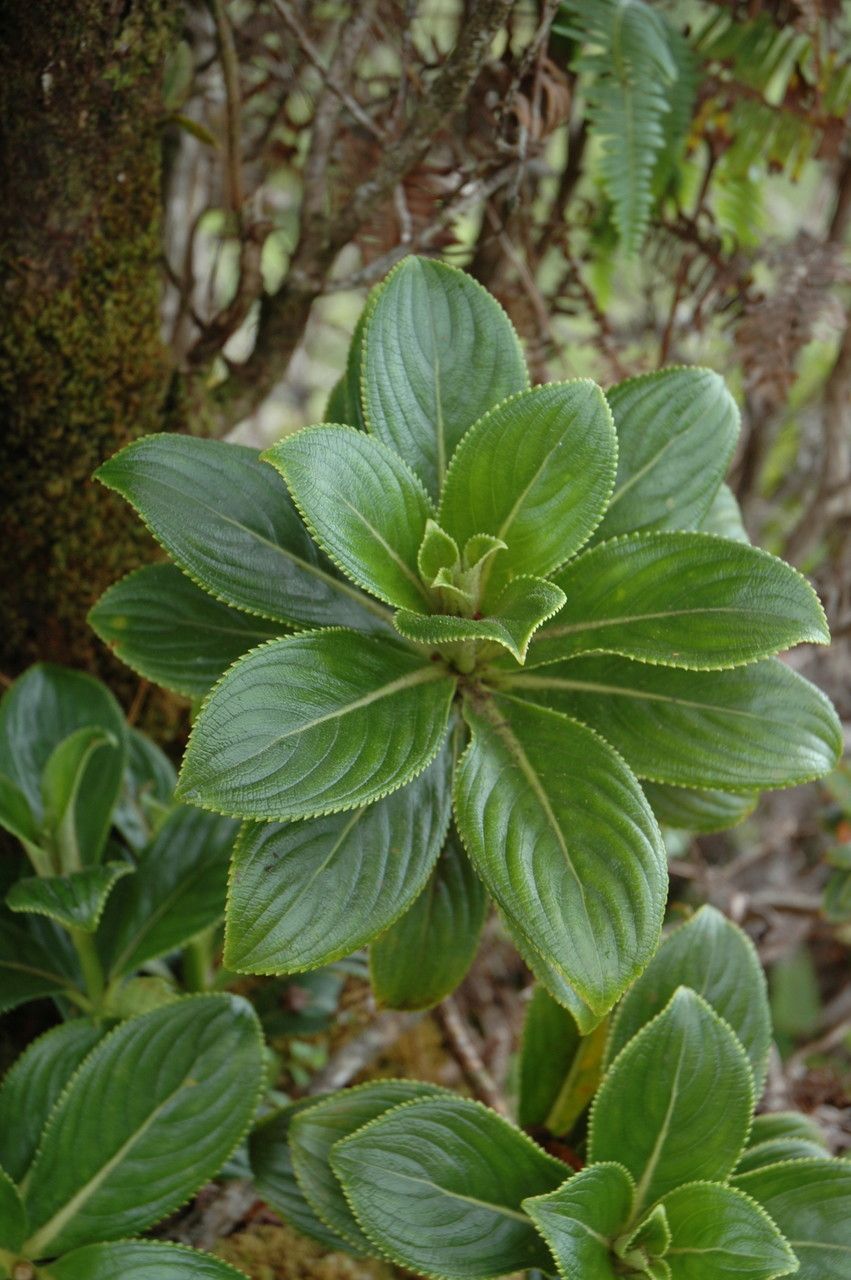
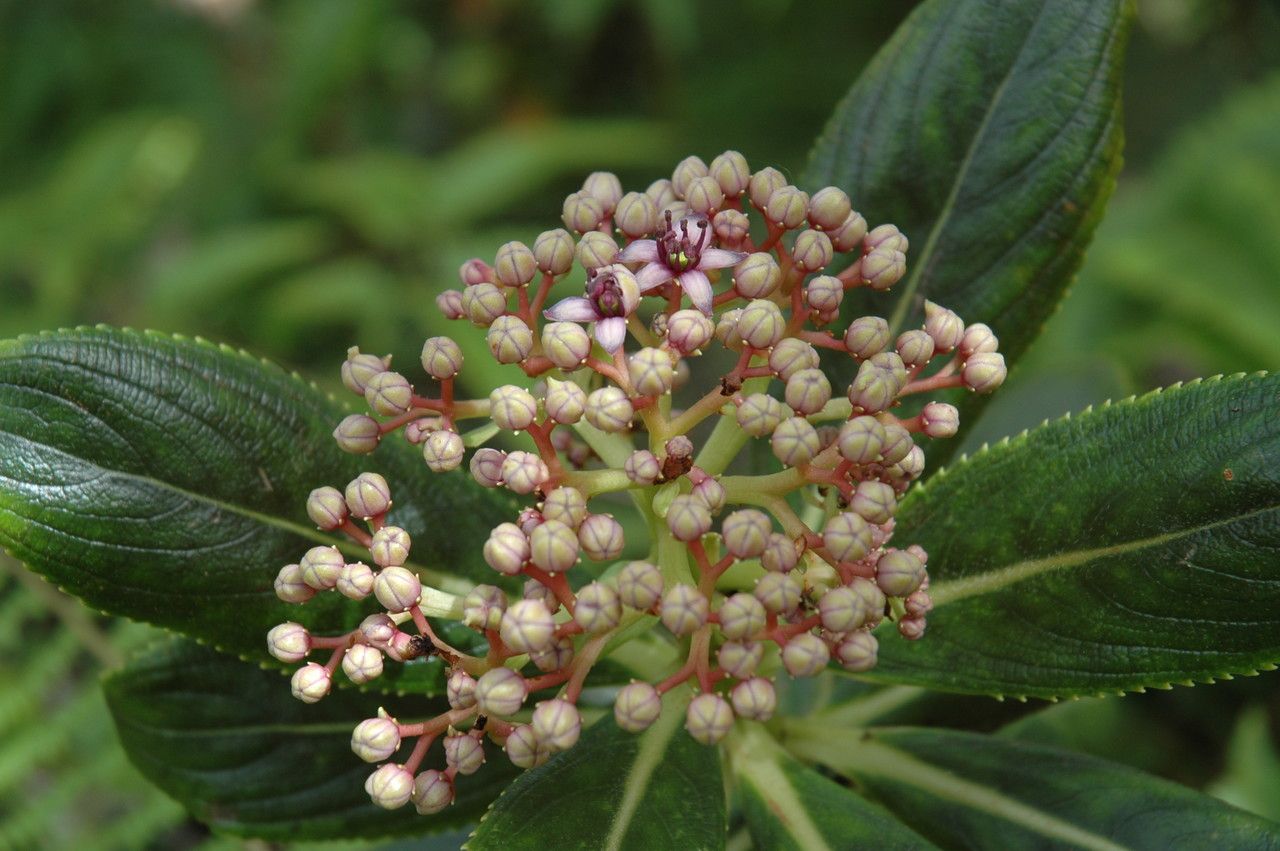
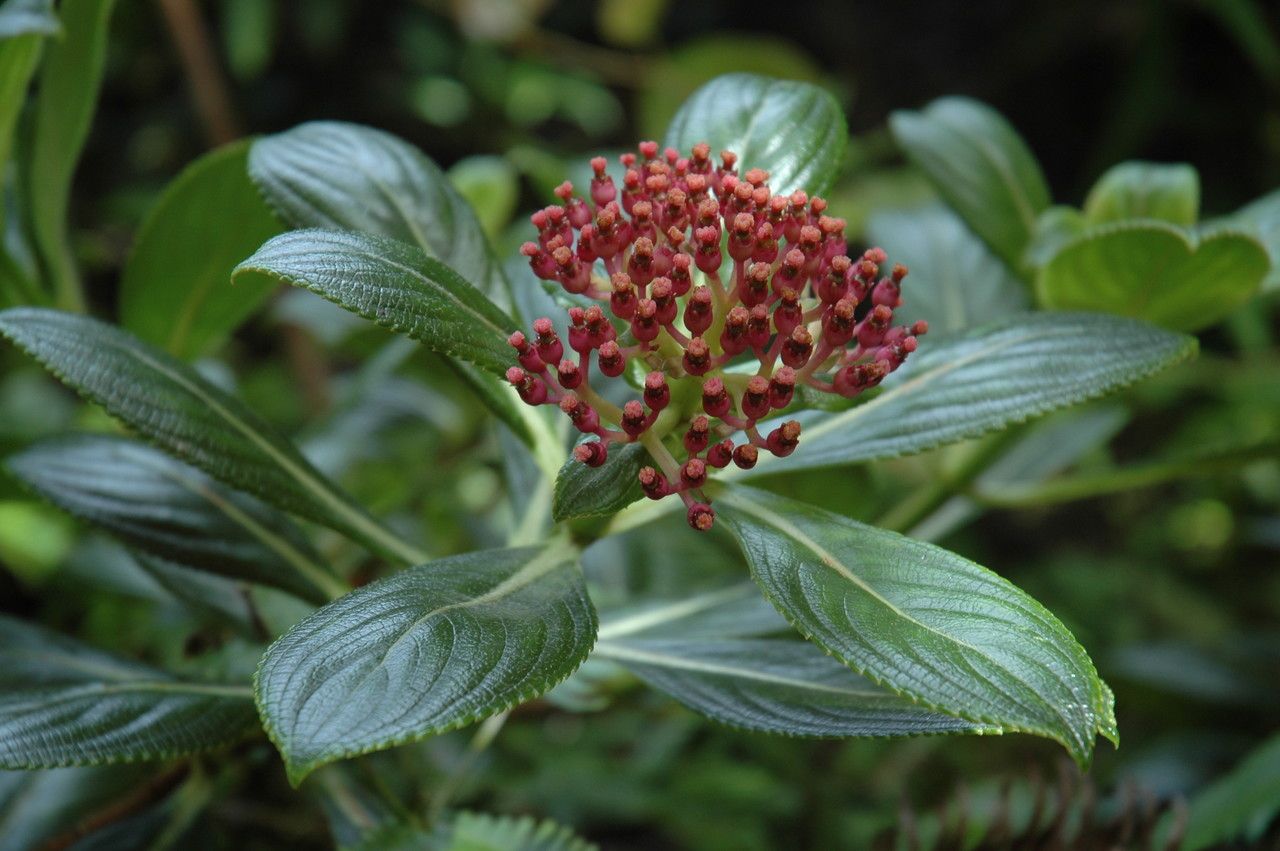
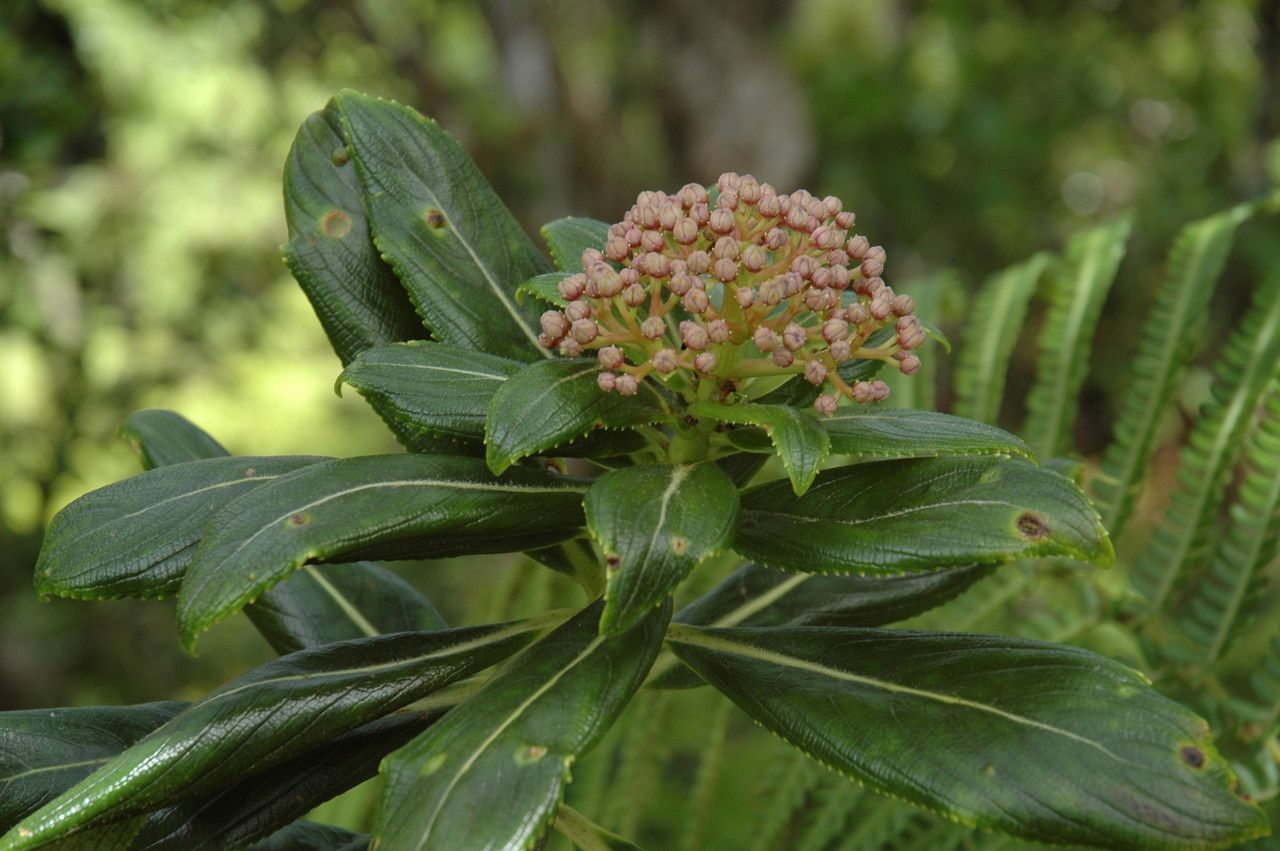
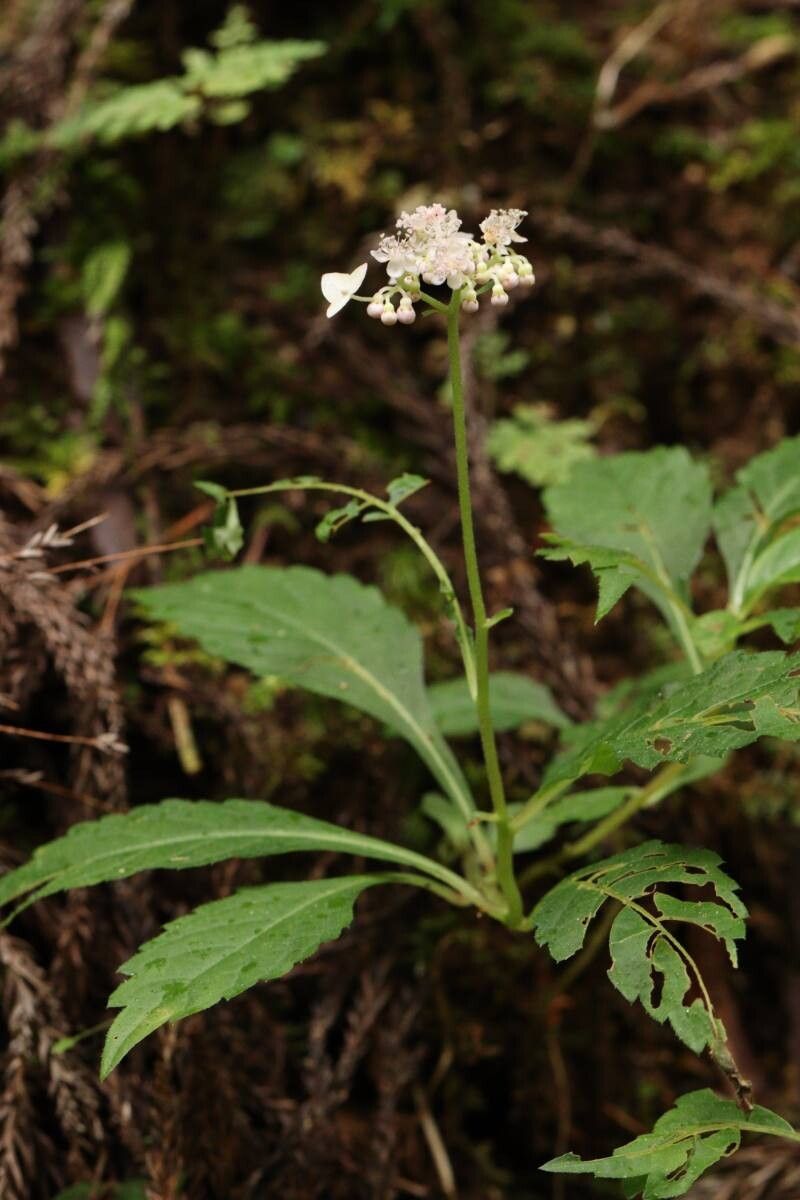
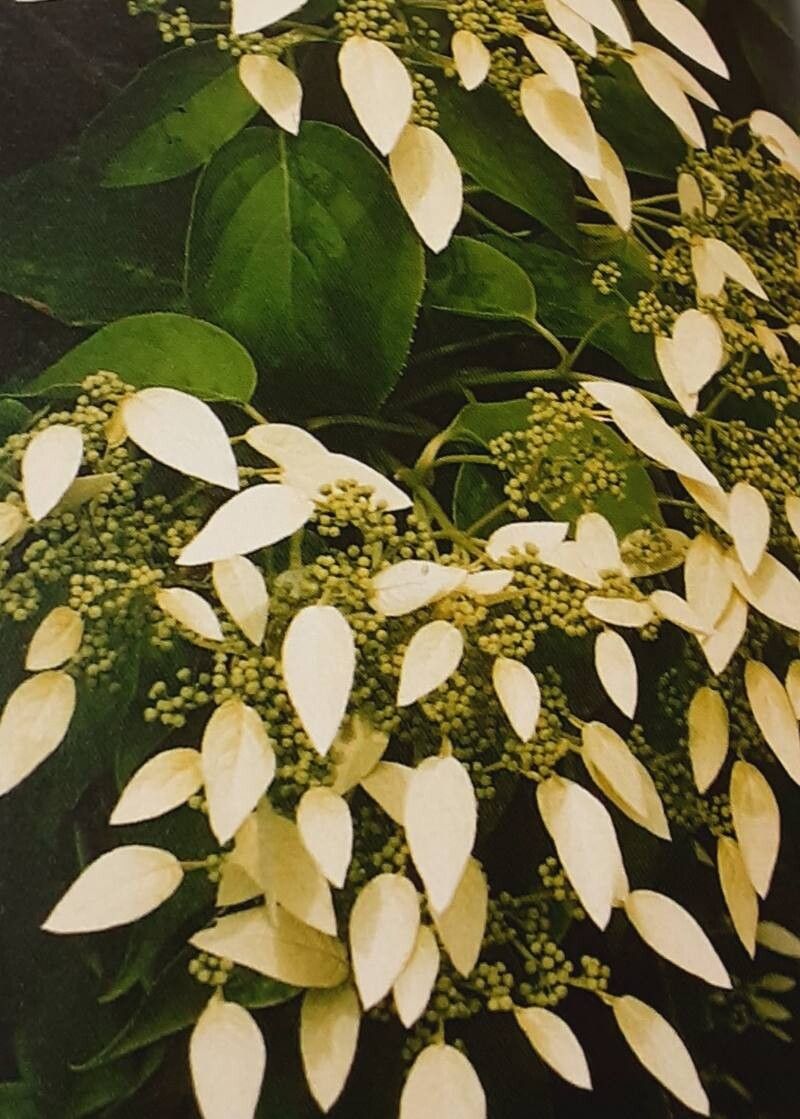
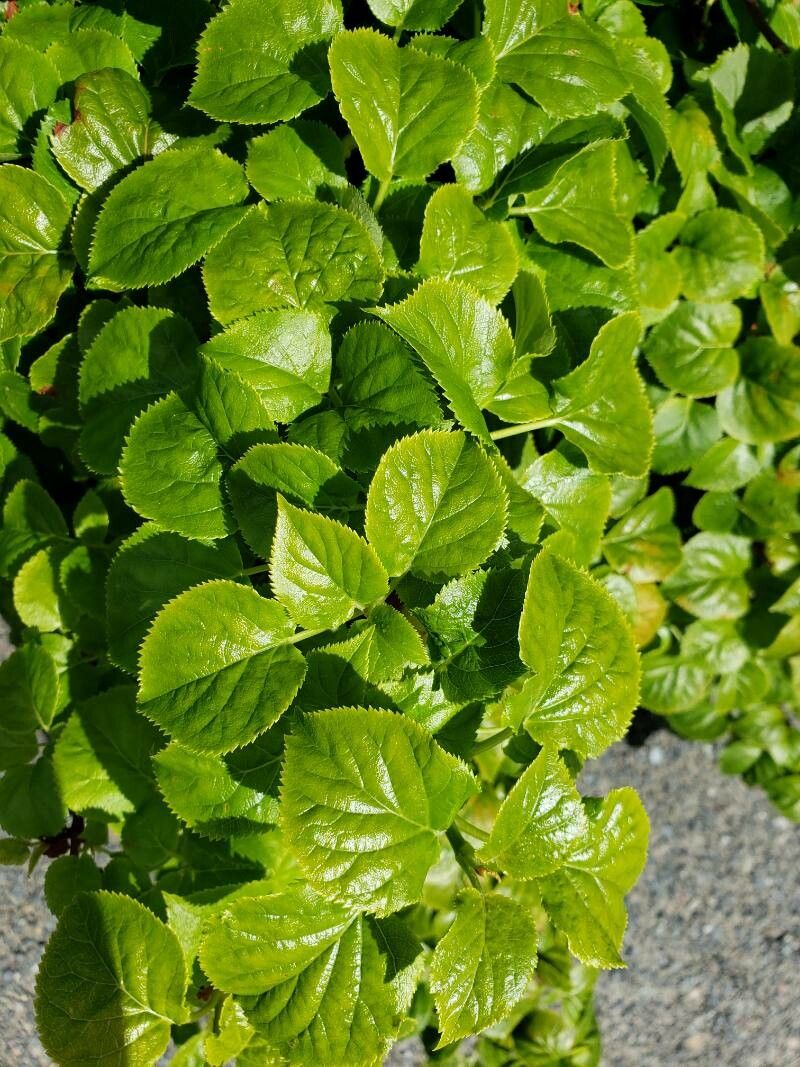
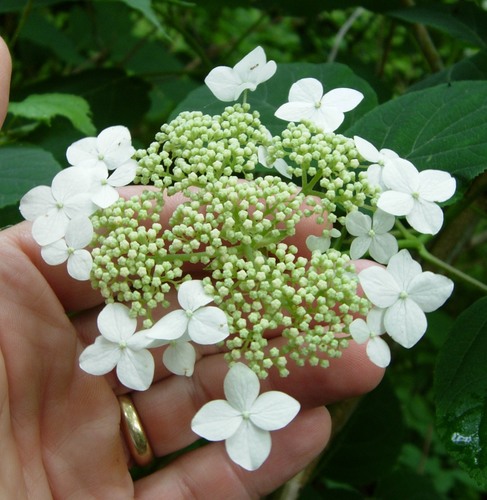
Hydrangea arguta has strong disease resistance and is generally not susceptible to illnesses. In terms of maintenance, this plant is relatively low-maintenance. When grown outdoors it needs only minimal watering, and larger specimens typically do not require pruning. Smaller plants, however, should be pruned after they finish blooming. Hydrangea argutat is suitable for anyone with an outdoor area, such as a garden or deck, and does not demand much previous care experience.
How to keep Hydrangea Arguta.
Light
Hydrangea arguta is indigenous to habitats such as forest understories and rocky sites, where it grows in natural shade. Its preferred light exposure is partial sun, but it can adjust to full sun or full shade, reflecting its versatile and hardy nature.
Water
Hydrangea arguta needs regular watering, ideally at least three times a week. You should increase the frequency during dry or hot weather. Keep the soil consistently moist, but be careful to avoid water accumulation. Adjust the watering schedule based on the season, and water promptly if the leaves start to wilt.
Temperature
Hydrangea arguta shows good temperature adaptability, tolerating higher heat and wide temperature fluctuations. In hot weather, pay attention to watering and provide suitable shade to avoid sunburn. Conversely, Hydrangea arguta has relatively poor cold tolerance. Although it can endure some chill, extremely low temperatures can cause frost damage.
Fertilizer
Timing is essential for fertilizing Hydrangea arguta. Apply fertilizer in early spring and then once a month up to early summer. Fertilizer encourages lovely blooms and supplies energy during the dormant and active growth phases.
Pruning
Pruning methods for Hydrangea arguta depend on the type of hydrangea. Bigleaf and oakleaf hydrangeas bloom on old wood, so they should be pruned in early summer. The 'Endless Summer' variety is versatile and can be pruned throughout the year. Smooth and panicle hydrangeas bloom on new growth, allowing for a more flexible pruning schedule, but it's best to avoid pruning them in the spring to protect the developing buds.
Botanical profile.
- Plant Type
- Shrub
- Life Cycle
- Perennial
- Genus
- Hydrangea
- Family
- Hydrangeaceae
- Hardiness Zone
- 5-9
- Mature Height
- 0.91 m to 2.13 m
- Mature Spread
- 0.91 m to 1.52 m
- Leaf Color
- Green, Dark Green
- Leaf Type
- Deciduous
- Flower Color
- White
- Flower Size
- 10.16 cm to 15.24 cm
- Bloom Time
- Summer
- Planting Time
- Spring, Summer, Autumn
- Harvest Time
- Fall