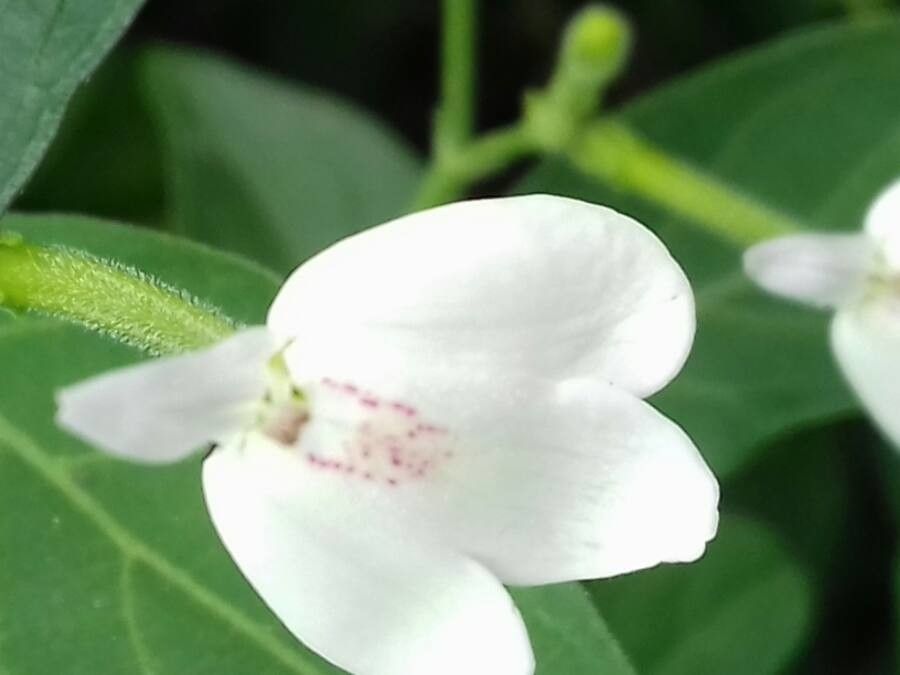
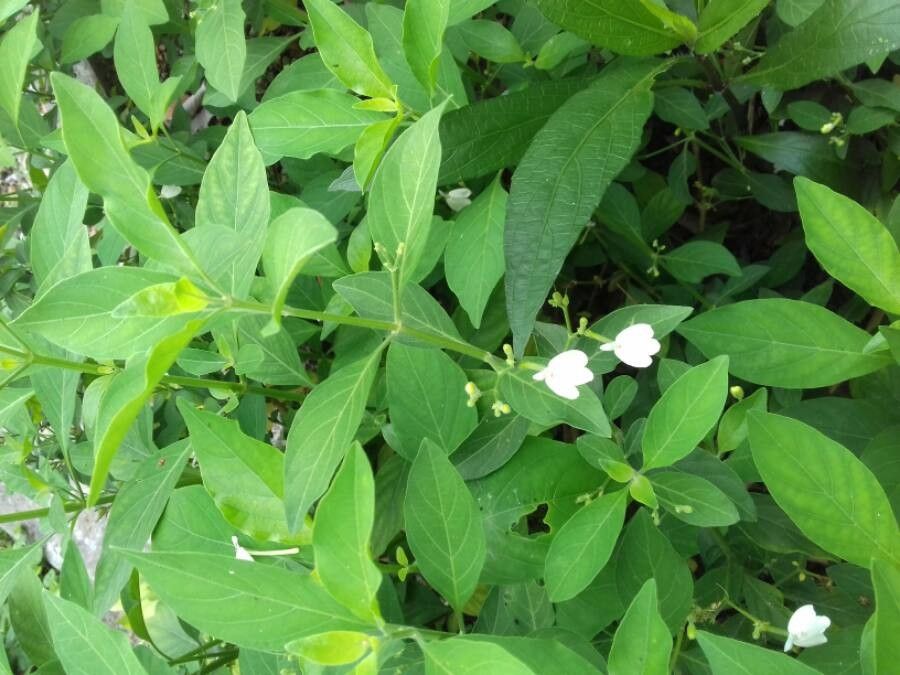
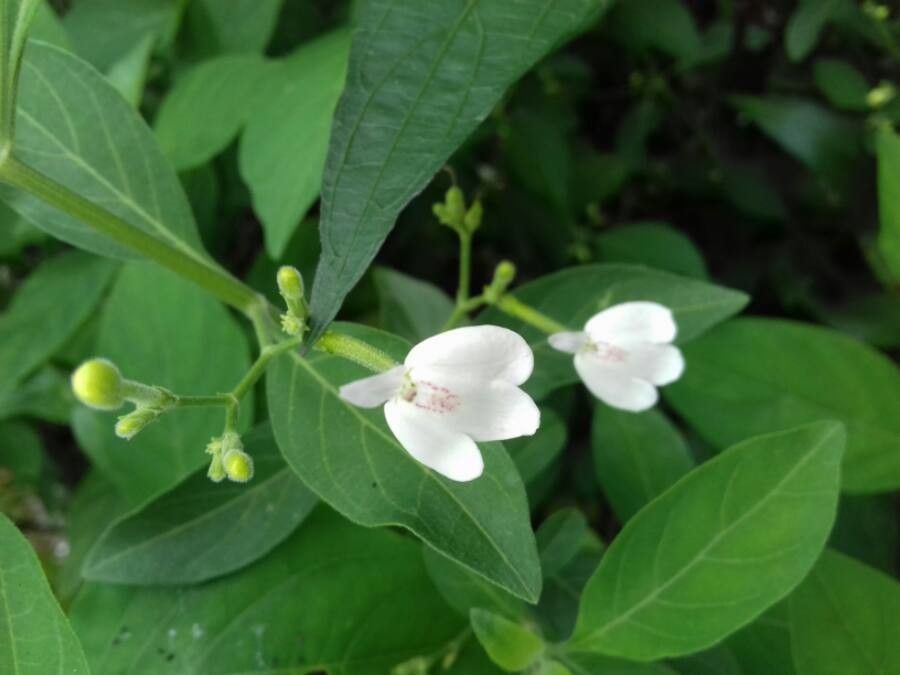
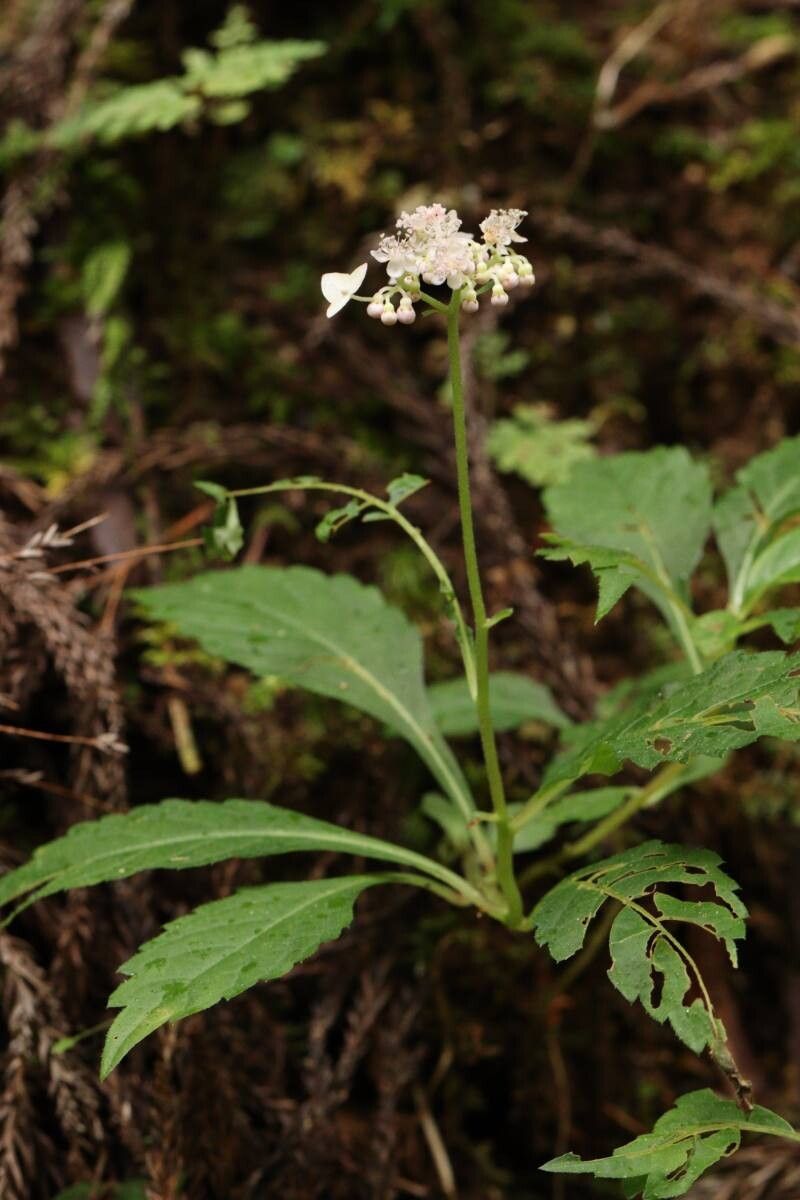
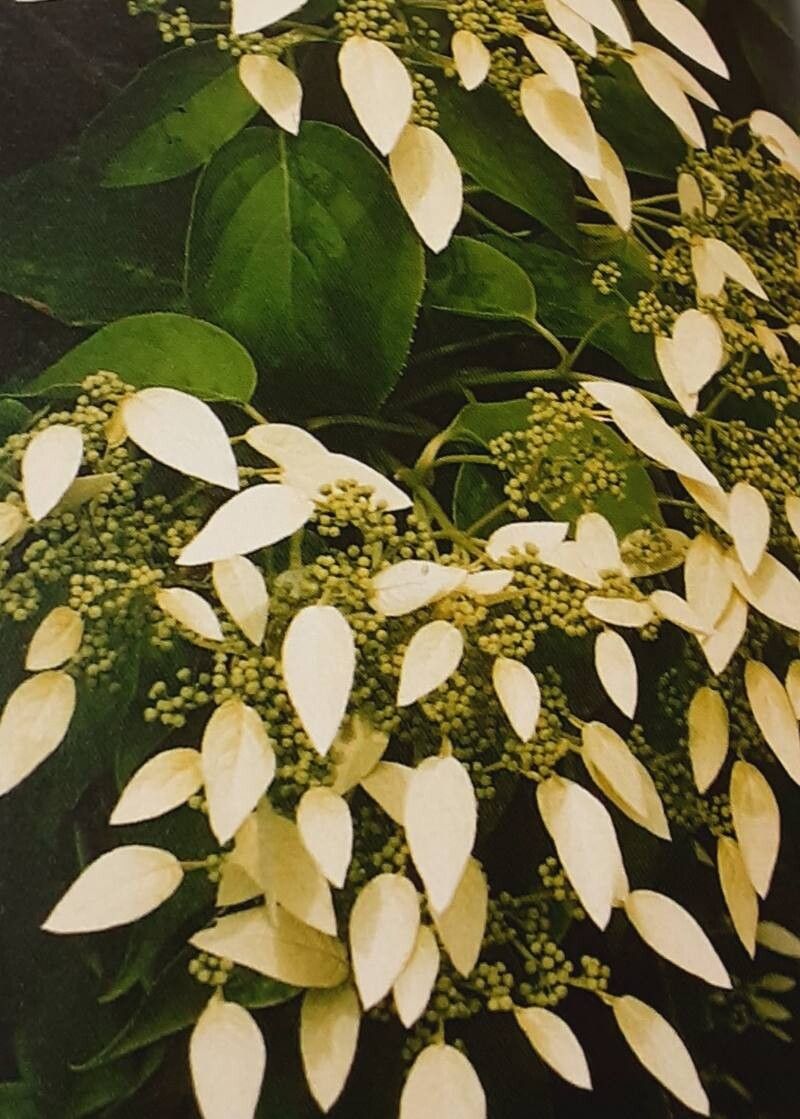
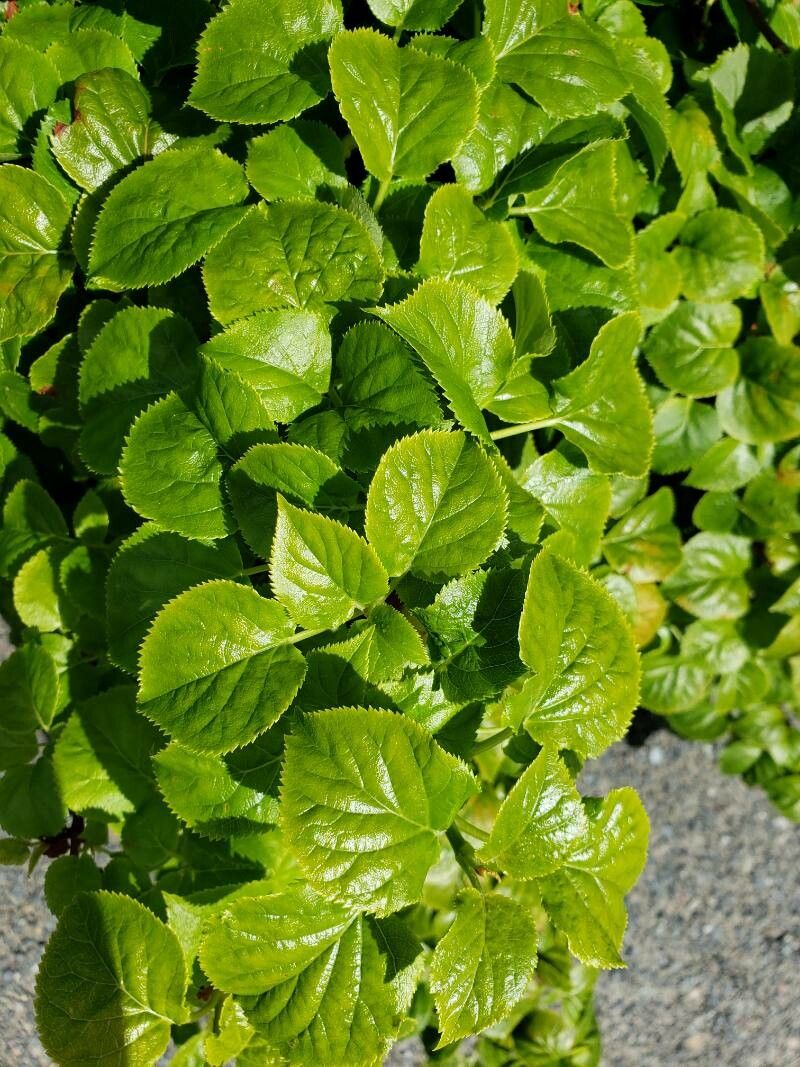
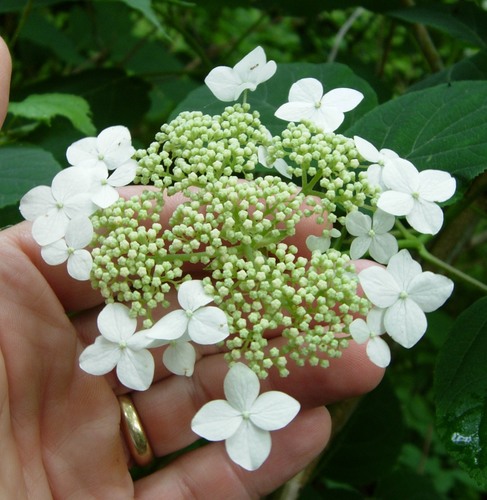
Hydrangea chinensis is a species of flowering plant in the family Hydrangeaceae, native to Myanmar, southeast China, and Taiwan.
Chinese hydrangea is resistant to disease and generally not prone to illnesses. Regarding care, this plant is fairly low-maintenance. Planted outdoors, it needs only light watering, and larger specimens typically do not require pruning. Smaller plants, however, should be trimmed after they finish blooming. Chinese hydrangea is well suited to anyone with an outdoor area, like a garden or a deck, and does not demand much gardening experience.
How to keep Hydrangea Chinensis.
Light
Chinese hydrangea needs plenty of sunlight for healthy growth, though it can tolerate situations with less intense sun. Coming from regions with abundant sun, it can prosper even when light isn't at its strongest. Care should be taken not to greatly increase or decrease its light exposure, as that can be harmful.
Water
Chinese hydrangea thrives best in soil that remains consistently moist, so it's important to water it weekly to maintain its health. Although it can tolerate some drought, it benefits from balanced hydration. To ensure maximum flowering, align your watering schedule with its active growth periods, which will support the development of its beautiful blooms.
Humidity
This plant will thrive in moderate humidity, which is probably the level in your home. However, misting it a few times a week can be very beneficial. Make sure the room has good ventilation.
Temperature
Chinese hydrangea is native to regions with temperate climates and thrives in temperatures ranging from 41 to 95 °F (5 to 35 ℃). The plant favors this temperature range, which can be adjusted seasonally to promote better growth or for indoor cultivation.
Fertilizer
Timing is important for fertilizing Chinese hydrangea. Apply fertilizer in early spring and continue monthly through early summer. Fertilizer encourages attractive blooms and supplies energy during both dormant and active growth periods.
Pruning
Pruning methods for Chinese hydrangeas differ depending on the type. For bigleaf and oakleaf hydrangeas, it's best to prune them in early summer. The 'Endless Summer' variety offers more flexibility: you can prune it at various times, but avoid pruning in spring. On the other hand, smooth and panicle hydrangeas bloom on new growth. This means you can prune them in any season, except when they are budding in spring.
Pot & Repot
For healthy growth and vitality, Chinese hydrangeas need excellent drainage when planted in pots to avoid waterlogging and root rot.
Botanical profile.
- Plant Type
- Shrub
- Life Cycle
- Perennial
- Genus
- Hydrangea
- Family
- Hydrangeaceae
- Hardiness Zone
- 5-9
- Mature Height
- 91 cm
- Mature Spread
- 91 cm
- Leaf Color
- Dark Green, Forest Green
- Leaf Type
- Deciduous
- Flower Color
- White, Pink
- Flower Size
- 2.54 cm
- Bloom Time
- Summer
- Planting Time
- Spring, Autumn
- Harvest Time
- Fall
- Native Area
- India, Myanmar, Japan, Philippines, China
Reader questions.
How should I water Chinese hydrangea plants to keep them healthy?
Soaker hoses are a great way to keep leaves and flowers moist without getting the entire plant wet. Simply lay the hose around the plant and leave it on for 30 to 45 minutes until the soil is moist but not overly wet. To preserve moisture throughout the day, some people use drip feeders. If you have a Chinese hydrangea in a pot, use a watering can and wait until water starts dripping from the bottom of the pot. The portable can allows you to reach the soil and ensure deep root penetration for optimal growth.
Why should I use fertilizer on my Chinese hydrangea?
Fertilizing a Chinese hydrangea is important for several reasons. One of the main benefits is that fertilizer helps the plant produce beautiful blooms. To guarantee excellent flowers in the spring, it is recommended to fertilize the hydrangea in early spring. Additionally, fertilizing provides the plant with energy that it can store in the ground during its dormant growth phases. By giving the hydrangea extra nutrients during the fall planting process or in late spring, it will have more energy to use once active growth resumes.
How many hours of sunlight per day do Chinese hydrangeas need to grow healthy?
To ensure healthy growth, it is important to provide Chinese hydrangea with a minimum of 3-6 hours of sunlight per day. This is the minimum requirement, as most plants that can tolerate partial sunlight can also do well in full sunlight. However, since they need less light for photosynthesis, they are more adaptable compared to plants that need full sunlight or partial shade.
What temperature is best for Chinese hydrangeas?
The ideal temperature for Chinese hydrangeas to thrive is between 65 to 80℉ (18 to 27℃). During the primary growing phase, they can tolerate a maximum temperature of 95℉ (35℃) and a minimum temperature of 15℉ (-10℃). These hydrangeas are able to withstand freezing winters and low temperatures. The recommended temperature ranges are as follows: - Perfect: 65 to 80℉ (18 to 27℃) - Highest: 85 to 95℉ (30 to 35℃) - Lowest: -5 to 15℉ (-20 to -10℃) or colder.
What should I do if I give too much or too little water to Chinese hydrangea?
If you have overwatered your Chinese hydrangea, there are steps you can take to prevent further damage. Chinese hydrangea plants are durable and have a better chance of surviving. First, allow the plant to dry out by stopping the watering. These plants cannot tolerate having their roots in water for an extended period, so aerating the soil can help. Overwatering may result in symptoms such as the premature falling of yellow leaves, fewer flowers, and misshapen buds. In more severe cases, the leaves may wilt and turn brown, indicating root rot. On the other hand, underwatering can cause similar symptoms. If your Chinese hydrangea is wilting, it might be a sign of underwatering. Check the soil moisture by inserting your finger into the soil. If it feels dry, it is a sign of dehydration, and you may need to water the plant in the evening. Always check the soil for dryness and adhere to a regular watering schedule in the morning.
When should I fertilize my Chinese hydrangea?
When fertilizing Chinese hydrangea, timing is crucial. Fertilizer should not be used too early while the plant is still dormant, as this would not be effective and would be washed away by rain, causing waste and pollution. Instead, the first application of fertilizer should be in early spring. After that, continue fertilizing once a month until early summer.
What kind of sunlight does Chinese hydrangea need?
Chinese hydrangea thrives with exposure to full or part sun. It flourishes with direct morning light, but during summer, it requires protection from the intense afternoon sun. In temperate environments, excessive hot afternoon sun can scorch the leaves, adversely affecting the plant's overall appearance and health.
Do I need to change the temperature for Chinese hydrangea as it grows?
According to research, Chinese hydrangea plants tend to experience stunted growth when exposed to prolonged periods of higher temperatures. This is particularly noticeable during the development of side buds and the growth of the main stems. To promote healthy growth after germination or transplanting, it is recommended to maintain a consistent and cooler temperature of about 65℉(18℃).
How frequently should I water Chinese hydrangea?
To properly care for the Chinese hydrangea, it is recommended to water it deeply two to three times a week. If you live in a hot climate, you may need to water it more frequently. The plant requires average water levels and prefers moist but well-drained soil. A useful tip is to check the soil moisture by feeling it with your fingers. If the soil is about 2-4 inches dry, it is probably time to water the plant. For outdoor plants, watering 1-2 times a week should be sufficient, considering they receive additional moisture from rainwater.
When is the best time to not use fertilizer on my Chinese hydrangea?
To keep Chinese hydrangea healthy and promote optimal blooming, it is important to be mindful of the type and timing of fertilization. Excessive levels of nitrogen can result in abundant leaf growth but fewer blooms, so it is recommended to use a fertilizer with a lower nitrogen content compared to other nutrients. It is also best to avoid fertilizing Chinese hydrangea in the later part of autumn, as this can cause excessive growth before winter sets in. Additionally, it is not advisable to fertilize during hot and dry periods, as dry soil does not effectively transport nutrients and growth stimulation may demand more water than is available. To ensure proper absorption and avoid over-fertilization, it is wise to apply fertilizer earlier in the season when temperatures are cooler. Lastly, take caution when fertilizing nearby plants or lawns, as Chinese hydrangea can absorb unintentional double doses of fertilizer.
Can the sun harm Chinese hydrangea? How can I protect Chinese hydrangea from the damaging effects of sunlight and heat?
Chinese hydrangeas that are planted indoors can be vulnerable to direct sunlight when they are moved outdoors. To avoid sunburns from too much exposure, it is best to gradually move the pots from a shaded area to a brighter spot. However, even if the plants have acclimated to the sun during summer, they can still be damaged by extreme heat. During a heatwave, it is crucial to keep the soil consistently moist so the plants can handle the excessive heat. To protect the Chinese hydrangeas from extreme weather, such as a heatwave, you can either move the plants in containers to areas with afternoon shade or cover them with a shade cloth.
How do I keep Chinese hydrangea warm in cold weather?
Chinese hydrangea can survive freezing temperatures if they are planted in the ground in areas where the temperature does not drop below -10℃ (15℉) during winter. However, if they are planted in pots or containers, their roots need to be protected from the cold. You can achieve this by wrapping the container in a blanket or by bringing it inside where it will be safe from the winter elements.