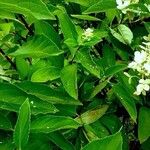
Hydrangea paniculata
Panicled hydrangea · Peegee Hydrangea · Butterfly bush · Phil · Paniculate Hydrangea
Description
Source: leafsnapHydrangea paniculata is a deciduous shrub that belongs to the Hydrangeaceae family. Native to Japan, China, and Korea, it is commonly known as the panicle hydrangea. The plant can grow up to 6 meters tall and spread up to 3 meters wide. It features large, cone-shaped flower clusters that bloom from mid-summer through fall. The flowers of Hydrangea paniculata are typically white, though they can also be pink or red depending on the cultivar. The plant thrives in full sun or partial shade and prefers well-drained soil with regular watering. This shrub is popular in gardens for its attractive flowers and foliage. It also attracts butterflies, bees, and other pollinators, making it an excellent choice for garden biodiversity. Hydrangea paniculata requires minimal maintenance but may need pruning in late winter or early spring to maintain its shape. Propagation can be done through stem cuttings taken during the summer or by layering in the spring. Overall, Hydrangea paniculata is an excellent choice for gardeners seeking an easy-to-grow shrub with beautiful blooms that last from summer into fall.
🌳 Beyond being used ornamentally, panicle hydrangea has potential for horticultural innovation. Various parts of the plant could be examined for new uses, for example as sources of natural pigments for eco-friendly dyes or as a possible indicator of soil pH, since its flower color can change with the soil’s acidity. That bioindicator trait could be applied to environmental monitoring. Additionally, the plant’s sturdy stems could be used to craft small pieces of furniture or decorative items.
🎭 Thanks for understanding, Boastfulness, Heartlessness
Care Guide
💧 Water Every 7 days
Panicle hydrangea, native to moderate climates, thrives in consistently moist soil but can tolerate short dry periods. To avoid waterlogging, it is best to water the plant every one to two weeks. When grown outdoors, maintaining moisture levels similar to its natural environment can enhance its flowering during the growing season.
When Should I Water My Panicle Hydrangea?
Proper and timely watering plays a crucial role in maintaining the overall health and development of the panicle hydrangea, contributing to its optimal growth, vibrant flower production, and resistance against diseases. To determine when to water, check if the top 1 to 2 inches of soil feels dry, observe any signs of wilting or drooping leaves, notice any fading or yellowing of leaves, look out for curling leaves especially during hot weather, check for reduced growth and fewer blooms, and be mindful during extreme heat or direct sunlight exposure. Avoid watering too early to prevent root rot and too late to avoid dehydration. Recognizing these signs and properly timing watering ensures the plant's health and growth.
How Should I Water My Panicle Hydrangea?
Watering panicle hydrangea efficiently involves using the 'Deep Watering' method, which caters to its moisture-loving nature while avoiding the dangers of over-watering. A long-spouted watering can or utilizing a moisture meter can help provide a controlled hydration process, focusing on the base to prevent fungal diseases on the flower heads. Avoid watering in the hottest part of the day or in the evening to minimize the risk of plant burns or overnight hydration issues. Keeping the waterings deep and infrequent ensures the roots are adequately hydrated.
How Much Water Does Panicle Hydrangea Really Need?
The optimal water quantity for panicle hydrangea depends on various factors like plant size, pot size, and root depth. Mature plants require more water to ensure the soil is thoroughly moistened without being waterlogged. Consistent moisture is key, with noticeable signs such as bright, lush leaves indicating proper hydration, while wilting or scorched edges may suggest under-watering. Over-watering and under-watering both have detrimental effects like root rot or stress. A balance in watering, ensuring the soil is moist but not soggy, plays a vital role in the hydrangea's health.
What Kind of Water is Best for Panicle Hydrangea?
Panicle hydrangea thrives best when watered with rainwater or filtered water, to minimize potential contaminants. It has moderate tolerance to chlorine and prefers water that has been left out to allow chlorine to evaporate. Avoid using highly fluoridated water and water with a high mineral count, as these can affect the plant's health. Letting tap water sit out for 24 hours before watering can make it more suitable for the plant. Room temperature water is ideal to avoid shock.
How Do Panicle Hydrangea's Watering Needs Change with the Seasons?
Panicle hydrangea's watering needs vary through the seasons. During spring, its active growth phase, maintain consistent soil moisture. In summer, reduce watering frequency to adjust for potential drought conditions. As autumn approaches and the plant prepares for winter dormancy, gradually decrease the frequency, keeping soil lightly moist. In winter, water sparingly as the plant's moisture requirement is minimal. These adjustments support healthy growth throughout the year.
☀️ Light Full sun
Panicle hydrangea performs best with plentiful light, though it can tolerate less-than-full sun. Both too little and too much light can harm its growth. This is because it is rooted in environments where abundant light is typical. Across its growth stages, its sunlight requirements do not change significantly.
What are the sun requirements for Panicle Hydrangea?
Panicle Hydrangea requires different amounts of sunlight depending on its stage of growth, but it generally thrives in full sunlight, which means above 6 hours of direct sunlight daily, or partial sun, about 3-6 hours of sunlight. It's essential to observe the movement of sunlight through your garden to find the ideal balance of light and shade, ensuring the plant's well-being.
How should I care for my Panicle Hydrangea in terms of light exposure?
Panicle Hydrangea grows best under ample light exposure, though it can tolerate less than full sunlight. Its origin in bright environments suggests a preference for abundant light, and its light requirements don't change significantly through different growth phases. For indoor plants, insufficient natural light can be supplemented with artificial lighting, such as LED lights, according to specific wattage per square foot based on the type of plant and its light needs. Proper distance and duration of light exposure are crucial for mimicking natural sunlight conditions.
What symptoms indicate insufficient or excessive light exposure for my Panicle Hydrangea?
Symptoms of insufficient light in Panicle Hydrangea include smaller new leaves, leggy or sparse growth, premature leaf drop, halted or no new growth, paler new leaves, and symptoms of excessive light involve chlorosis, sunscald, leaf curling, wilting, and leaf scorching. These signs help identify when the plant is struggling with its light environment, allowing for timely intervention.
What are the solutions for managing light exposure for my Panicle Hydrangea?
To manage light exposure for Panicle Hydrangea, gradually increase sunlight exposure to at least 6 hours daily for optimal growth, utilize artificial lighting as needed, especially for large or immobile indoor plants. For outdoor plants, finding the best sunlight spot and making gradual adjustments to avoid sunburn is key. Consider reducing obstructions like pruning trees or transplanting smaller plants during dormant periods to spots with better sunlight and drainage. Note that parts of the plant affected by insufficient light may not recover, but new growth will be healthy with improved light conditions.
🌡️ Temperature 0–32.2°C
Panicle hydrangea grows best within a temperature range of 32 to 90 ℉ (0 to 32 ℃). This temperate woody plant does well when daytime temperatures are 70 to 85 ℉ (21 to 29 ℃) and nighttime temperatures are 60 to 65 ℉ (15 to 18 ℃). In hot summer months, planting it in a shaded spot is recommended to avoid heat stress.
What is the optimal temperature range for the growth of Panicle hydrangea?
Panicle hydrangea prefers a temperature range of 32 to 90°F (0 to 32°C) for optimal growth. The ideal daytime temperatures for this temperate woody plant are between 70 to 85°F (21 to 29°C), with nighttime temperatures ranging from 60 to 65°F (15 to 18°C). To ensure healthy growth, especially during the hot summer months, planting the species in a shaded area is advised to prevent heat stress. Panicle hydrangea exhibits strong cold resistance, which means special frost protection measures are not typically necessary during winter. However, if winter temperatures are expected to fall below -35°C, providing cold protection by wrapping the trunk and branches with insulating materials is important. Watering the plant abundantly before the first freeze in autumn to keep the soil moist through winter and early spring is recommended to prevent drought stress.
How does low temperature affect Panicle hydrangea, and what are the solutions?
Panicle hydrangea is cold-tolerant and performs best when temperatures stay above 0°C. Despite its tolerance, when temperatures plunge below -35°C, the plant may not show immediate damage in winter, but come spring, you might notice that the branches have become dry and brittle, and fail to produce new shoots. To address this issue, it's advisable to prune away any dead branches in the spring, encouraging the plant to produce fresh, healthy growth.
What are the effects of high temperature on Panicle hydrangea, and how can they be mitigated?
During summer, it is crucial to keep Panicle hydrangea's temperature below 32°C. Exposure to temperatures above 35°C can cause the leaves to lighten in color, and the tips may become dry and wither, making the plant more prone to sunburn. To mitigate these issues, you should trim away any sunburned or dried-up parts of the plant, relocate it to a shaded location, or use a shade cloth to protect it from the harsh midday and afternoon sun. Additionally, watering the plant during the cooler morning and evening hours can help keep the soil suitably moist.
💨 Humidity normal (40-60%)
This plant will thrive in moderate humidity, which is probably the level in your home. However, misting it a few times a week can be very beneficial. Make sure the room has good ventilation.
🪴 Soil 5-6
🌱 Fertilizer
The timing of fertilizing a Panicle hydrangea is critical. Apply fertilizer in early spring and continue every month until early summer. Fertilizer encourages attractive blooms and supplies energy during both dormant and active growth phases.
Why is it necessary to add fertilizer to my Panicle hydrangea?
There are a few important reasons to fertilize a Panicle hydrangea. One reason is that it helps the hydrangea produce beautiful blooms. Fertilizing in early spring is the best way to ensure excellent flowers during that season. Additionally, fertilizer provides the hydrangea with energy to store in the ground during its dormant growth phases. By giving the hydrangea extra nutrients during fall planting or late spring, it will have more energy to use once active growth resumes.
When should I fertilize my Panicle hydrangea?
Fertilizing Panicle hydrangea requires proper timing to be effective. If you fertilize too early while the plant is still dormant, the fertilizer will be washed away by rainwater and not used efficiently. Therefore, the first application of fertilizer should be done in early spring, followed by monthly fertilizing until early summer. This will ensure your Panicle hydrangea receives the nutrients it needs without wasting any fertilizer or causing pollution.
When is the best time to not fertilize my Panicle hydrangea?
To ensure the optimal growth and blooming of Panicle hydrangeas, it is important to be mindful of the type and timing of fertilizer used. Avoid using fertilizers that are high in nitrogen content, as this can result in abundant foliage but fewer blooms. Instead, choose fertilizers that have lower levels of nitrogen compared to other nutrients. Timing is also crucial when it comes to fertilizing Panicle hydrangeas. After early autumn, it is best to refrain from fertilizing, as this can stimulate excessive growth just before the onset of winter. Additionally, it is not advisable to fertilize Panicle hydrangeas during hot and dry periods, as the dry soil does not effectively deliver nutrients. This can lead to further growth that requires more water, which may not be readily available. It is recommended to apply fertilizer earlier in the season when the temperatures are cooler. This provides the plants with the necessary nutrients without overstimulating growth. Lastly, it is important to note that Panicle hydrangeas can absorb fertilizer from nearby plants or lawns. Therefore, be cautious not to inadvertently give the tree or shrub a double dose of fertilizer.
Which fertilizer is needed for my Panicle hydrangea?
To help your Panicle hydrangea thrive, it's important to choose a fertilizer that contains a balanced mix of nutrients, with a slightly higher amount of phosphorus. Alternatively, you can enhance the soil by adding organic materials like compost, worm castings, and manure. Experienced gardeners often supplement with water-soluble fertilizers when the flower buds emerge, as this promotes better flower development and longer-lasting blooms. Fertilizers come in various forms, but liquid or powdered options tend to be the most effective for Panicle hydrangeas. Regardless of the form you choose, be sure to dilute the fertilizer and apply it while watering your plant.
How should I properly fertilize my Panicle hydrangea?
To properly fertilize your Panicle hydrangea, it's essential to follow the instructions for the specific fertilizer you are using, as well as conduct thorough research on how to apply it. Avoid over-fertilizing, as this can be harmful for your plant. To determine the correct amount of fertilizer to use, you can follow a basic guideline. Consider the age of the tree or the diameter of its trunk. As a general rule, you can estimate using one-tenth of a pound of fertilizer per year or per inch of trunk, with a maximum of one pound. Granular and organic fertilizers, such as blood meal, can be applied by scattering the substance around the base of the tree, extending all the way to the drip line (the area beneath the outermost branches). It's important to ensure that the fertilizer does not come into direct contact with the trunk. Over time, the granules will break down and seep into the soil, where the roots can absorb them. After fertilizing, remember to distribute a one-inch layer of compost around the base of the tree and water it thoroughly.
🪴 Pot & Repot 2-3 years
When repotting Panicle hydrangea, select a pot 1-2 inches (2.5–5.1 cm) larger that has good drainage. Use a well-draining potting mix. Repot in spring or fall, positioning the root ball slightly below the rim of the flower pot. Water thoroughly after repotting and place in a warm spot with indirect sunlight.
✂️ Pruning
Pruning methods for hydrangeas, particularly the panicle variety, depend on their blooming habits. Bigleaf and oakleaf hydrangeas should be pruned in early summer. In contrast, the 'Endless Summer' hydrangea can be pruned throughout the year, except in spring. Smooth and panicle hydrangeas bloom on new branches, offering more flexibility. Ideally, they should be pruned after the leaves have fallen in winter.
🌿 Propagating
🐛 Diseases & pets
☠️ Toxicity
All parts of the tree hydrangea contain cyanogenic glycoside and are poisonous to humans and pets. Skin contact with the plants can bring about dermatitis, rashes, or irritation. On the other hand, ingesting any part of it will lead to vomiting, diarrhea, nausea, lethargy or depression.
Characteristics
- Plant Type
- Shrub
- Life Cycle
- Perennial
- Genus
- Hydrangea
- Family
- Hydrangeaceae
- Hardiness Zone
- 3-8
- Mature Height
- 0.91 m to 4.88 m
- Mature Spread
- 2.44 m
- Leaf Color
- Green
- Leaf Type
- Deciduous
- Flower Color
- White, Pink, Cream, Green
- Flower Size
- 15.24 cm to 25.40 cm
- Bloom Time
- Early summer, Mid summer
- Planting Time
- Spring, Autumn
- Harvest Time
- Fall
- Native Area
- Russia, Japan, China