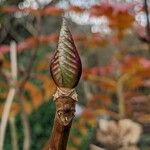
Hydrangea serrata
Mountain hydrangea · Oriental Lace · Tea of Heaven
Description
Source: leafsnapHydrangea serrata is a deciduous shrub that belongs to the Hydrangeaceae family. Native to Japan and Korea, it is commonly known as mountain hydrangea or tea of heaven. The plant typically reaches a height of 1-2 meters and features a spreading habit with arching branches. The leaves of Hydrangea serrata are ovate, dark green, and have serrated edges. The plant produces large clusters of flowers that bloom from late spring through summer. These flowers are typically pink or blue, but can also appear white or purple depending on the soil pH. Hydrangea serrata thrives in moist, well-drained soil with partial shade to full sun exposure. Propagation can be achieved through stem cuttings or by layering. This plant has several medicinal uses in traditional Korean medicine, where it is employed to treat various ailments such as inflammation, fever, coughs, and headaches. Overall, Hydrangea serrata is a beautiful ornamental shrub that adds color and texture to any garden landscape while also providing medicinal properties beneficial to human health.
💡 The tea made from the parts of the mountain hydrangea plant is known as "Sugukcha" in Korea and "Amacha" in Japan. Amacha holds cultural significance in Japan, as it is traditionally used in the celebration of Buddha's birth on April 8th.
🌳 A striking use of mountain hydrangea is its natural capacity to act as a biological indicator of aluminum ions in the soil. The flowers of mountain hydrangea can shift from pink to blue when the soil is high in aluminum. This unusual feature makes it both an ornamental attraction and a practical way to assess soil conditions without relying on chemical tests.
Care Guide
💧 Water Every 3 days
Mountain hydrangea thrives in humid woodlands, where the soil is moist but not waterlogged. To mimic this natural environment, consistent moisture is key, requiring weekly watering. Adequate hydration is especially important for blooming, particularly during the growing season and in changing outdoor weather conditions.
How should I water Mountain hydrangea plants?
Soaker hoses can be a great way to keep the leaves and flowers moist without getting the whole plant wet. To use them, simply lay the hose around the plant and leave it on for about 30 to 45 minutes until the soil is moist but not too wet. You can attach your regular hose to the soaker hose and cover it with mulch. Alternatively, you can use drip feeders to keep the soil moist throughout the day. If you're planting Mountain hydrangeas in pots, it's best to use a watering can. Wait until you see water dripping from the bottom of the pots to ensure thorough watering. Using a watering can allows you to reach the soil and deeply penetrate the roots for better growth.
What should I do if I give too much or too little water to the Mountain hydrangea?
If you've overwatered your Mountain hydrangea, take a step back to prevent more damage. Luckily, Mountain hydrangeas are resilient and have a good chance of surviving. Stop watering the plant and let it dry out. These plants don't like having their roots soaked in water for too long, so aerating the soil can help. Signs of overwatering include yellow leaves falling prematurely, fewer flowers, misshapen buds, and in severe cases, wilted and brown leaves. Over time, overwatering can cause root rot. Underwatering can have similar symptoms. If your Mountain hydrangea is wilting, it may be a sign of underwatering. Check the soil by sticking your finger into it - if it feels too dry, that means the plant is dehydrated. In this case, you may need to add some water in the evening. Always check the soil for dryness and follow a regular watering schedule, preferably in the morning.
How frequently should I water Mountain hydrangea?
To properly water the Mountain hydrangea, it is recommended to perform deep watering two to three times per week. However, if you reside in a hot climate, you may need to water it more frequently. The hydrangea has average water requirements and prefers moist but well-drained soil. To determine when it needs watering, simply assess the soil by feeling it. If it is 2-4 inches dry, then it is likely time to water the plant. If your hydrangea is planted outdoors, watering it 1-2 times per week should suffice, as it will receive additional moisture from rainwater.
How much water does my Mountain hydrangea require?
The amount of water needed can vary depending on various factors such as weather, shade, and the specific species of plant. For example, the recently planted Mountain hydrangea will require more water compared to established ones. In general, watering them with a can of water each week should be sufficient, especially during the growing season or if they are growing in pots. When they are outdoors, it's important to monitor the amount of rainfall they receive using moisture meters. If the soil is dry, you should water them thoroughly with a sprinkler. It's generally recommended to water the Mountain hydrangea less frequently but with sufficient amounts to ensure they receive adequate moisture.
Why do I need to water my Mountain hydrangea?
It is important to understand the watering needs of the plant you are growing, regardless of its type. Mountain hydrangea, for example, requires a lot of water to thrive and can wilt quickly without proper moisture. It prefers moist soil, but it's crucial to ensure that the ground is well-drained to prevent root rot. Both overwatering and underwatering can result in issues such as slow flower production and stunted growth.
☀️ Light Partial sun
Mountain hydrangea thrives in spots that provide a plentiful mix of shade and sunlight. While it can tolerate areas with more sun, too much exposure can be harmful. Coming from habitats that combine shade and sun, its light requirements shift during different stages of growth. Insufficient light may lead to weak, sparse blooms, whereas excessive light can cause leaf scorch.
How much sunlight does Mountain hydrangea need to grow?
Mountain hydrangea thrives with 3-6 hours of direct sunlight per day, but it also needs shade during the hottest parts of the day to avoid sun damage. It prefers morning sunlight but can tolerate some afternoon sun if it's not too hot. To achieve the ideal sunlight balance, plant Mountain hydrangea in a spot that receives partial sun, like under a tree or on the east side of a building.
What will happen if Mountain hydrangea doesn't get enough sunlight?
To avoid sun damage to Mountain hydrangea, it is important to provide some shade during the hottest parts of the day. Too much direct sunlight can cause the leaves to turn yellow, dry out, or even burn. Additionally, the plant may wilt or become stunted. To protect it, you can use a shade cloth or place the Mountain hydrangea near taller plants that naturally provide some shade.
What will happen if Mountain hydrangea gets too much sunlight?
If the Mountain hydrangea doesn't receive sufficient sunlight, it may grow tall and thin, with not many leaves. The leaves may become yellow or pale green, which shows that the plant isn't producing enough chlorophyll because of the lack of sunlight. To fix this, you can try moving the Mountain hydrangea to a sunnier location or trimming nearby foliage to let more light reach the plant.
🌡️ Temperature 10–35°C
Mountain hydrangea is a species native to cooler, mountaintop climates. It does best in temperatures from 50 to 95°F (10 to 35℃). In winter, consider providing protection when temperatures fall below 50°F (10℃).
What temperature is best for Mountain hydrangea?
The Mountain hydrangea thrives best in temperatures between 65~80℉(18~27℃). During the primary growing phase, the highest tolerable temperature is 95℉(35℃), while the lowest tolerable temperature is 15℉(-10℃). This species can tolerate low temperatures and survive freezing winters. The ideal temperature range for this plant is: Perfect:65~80℉(18~27℃), Highest:85~95℉(30~35℃), Lowest:-5~15℉(-20~-10℃) or below.
Do I need to change the temperature for Mountain hydrangea at different stages of growth?
According to research, Mountain hydrangea may experience stunted growth when exposed to extended periods of high temperatures. This is particularly true during the emergence of axillary buds and the growth of main shoots. However, maintaining consistently cooler temperatures, around 65℉(18℃), can promote robust growth after germination or transplanting.
How do I protect Mountain hydrangea from the cold weather?
Mountain hydrangea can survive freezing temperatures when planted in the ground, as long as the area doesn't get colder than 15℉(-10℃) in winter. However, if they are planted in pots or containers, it's important to protect their roots from the cold. This can be done by wrapping the container in a blanket or bringing it inside, where it will be shielded from the elements.
If the temperature gets too high or too low, how will it affect the Mountain hydrangea?
Mountain hydrangea is more negatively affected by consistently high temperatures compared to consistently low temperatures. When it gets too hot, the plant's seed germination and photosynthesis efficiency decrease due to heat stress-induced hormone triggers. This can result in wilting, leaf browning, and potentially even death. On the other hand, if the plant is exposed to very cold temperatures, it will stop performing important functions such as nutrient uptake and photosynthesis, potentially leading to its death. Additionally, a single freezing event during the growing season can cause a membrane phase transition that can halt plant functions and result in the plant's demise.
What should I remember about the temperature for Mountain hydrangea?
In order to achieve successful budding, flowering, and new growth for Mountain hydrangeas, it is crucial to maintain a consistent soil temperature. This can be accomplished by following a few key strategies: watering consistently, adding mulch to bare soil, and planting in shaded areas.
💨 Humidity
🪴 Soil 5-6
🌱 Fertilizer
Timing is important for fertilizing Mountain hydrangea. Apply fertilizer in early spring and repeat each month up to early summer. Fertilizer promotes lovely blooms and supplies energy during both dormancy and active growth.
Why do I have to add fertilizer to my Mountain hydrangea?
Fertilizing a Mountain hydrangea is important for several reasons. Firstly, it helps the plant produce beautiful blooms. To achieve this, it is recommended to fertilize in early spring. Secondly, fertilizer provides the plant with energy that can be stored in the ground during dormant growth phases. To increase energy storage, it is beneficial to provide extra nutrients during fall planting or late spring. This will enable the plant to utilize the stored energy during active growth periods.
When is the ideal time to fertilize my Mountain hydrangea?
To ensure effective fertilization of Mountain hydrangea, timing is key. Applying fertilizer too early, while the plant is still dormant, is ineffective and gets washed away by rainwater, resulting in waste and pollution. The first application of fertilizer should be done in early spring, followed by monthly fertilization until early summer.
When is it not a good idea to give my Mountain hydrangea plant fertilizer?
To ensure the optimal growth of your Mountain hydrangea and promote abundant blooms, it is important to be mindful of the type and timing of fertilizer used. It is advisable to avoid fertilizers with high nitrogen content, as this can result in excessive leaf development but limited flowering. Instead, opt for fertilizers that have a lower nitrogen level in comparison to other essential nutrients. Another crucial consideration is the timing of fertilization. It is not recommended to fertilize your Mountain hydrangea after early autumn, as this can stimulate excessive growth just before winter, which may hinder its ability to withstand the harsh conditions. Similarly, avoid fertilizing during hot and dry periods, as dry soil does not effectively deliver nutrients, and the growth stimulation may require more water than available. Ideally, apply fertilizer during cooler temperatures earlier in the season. Lastly, be cautious about inadvertently providing a double-dose of fertilizer to your Mountain hydrangea by using products that have been applied to neighboring plants or lawns. These hydrangeas can absorb fertilizers from nearby sources, so it is important to be mindful and prevent overfeeding your tree or shrub.
What kind of fertilizer does my Mountain hydrangea require?
For Mountain hydrangeas, the ideal fertilizer should have a balanced mix of the three main plant nutrients, with slightly more phosphorus. Another option is to enhance the soil by adding organic materials like compost, worm castings, and manure. Experienced gardeners sometimes use water-soluble fertilizers rich in phosphorus once or twice when the flower buds appear, resulting in better flower development and longer blooming. There are various forms of fertilizers available, and most of them are suitable for Mountain hydrangeas. However, the best options are either liquid or powdered fertilizers. Regardless of the type chosen, it's important to dilute the fertilizer and apply it while watering the plant.
How can I fertilize my Mountain hydrangea?
To ensure proper fertilization of your Mountain hydrangea, it is essential to follow the specific directions for the fertilizer you are using. Avoid over-fertilization by determining the correct amount to apply. A general guideline is to use the age of the tree or diameter of the trunk as a reference. Estimate one-tenth of a pound of fertilizer per year or per inch of trunk, with a maximum of one pound. Apply granular or organic fertilizers, such as blood meal, by sprinkling them around the base of the tree, extending to the drip line. Be careful not to let the fertilizer come in contact with the trunk. Over time, the granules will break down and be absorbed into the soil through the roots. After fertilizing, spread a one-inch layer of compost around the base of the tree and water thoroughly.
🪴 Pot & Repot 2-3 years
To ensure your 'mountain hydrangea' maintains its bushy growth, repot it every 2-3 years. The ideal time to do this is in the spring, using a pot that is slightly larger than the previous one. After repotting, place the plant in a location with bright, indirect light and keep the soil consistently moist, but be careful not to overwater. Gentle care during this recovery period is essential for your 'mountain hydrangea' to thrive in its new environment.
✂️ Pruning
Mountain hydrangea is a deciduous shrub known for its serrated leaves and lacecap flowers. To maintain its health and appearance, prune it in early spring. Start by removing any dead stems and thinning out crowded areas to improve air circulation. This promotes healthy growth and flowering while reducing the risk of disease. Make sure to use sharp, clean tools to prevent any damage to the plant.
🌿 Propagating
🐛 Diseases & pets
☠️ Toxicity
The Mountain Hydrangea is toxic to both pets and humans when ingested. Their flower buds, leaves and bark contain a toxic element 'Cyanogenic glycoside'(Hydrangin) which can cause nausea, vomiting, and diarrhea. Ensure to keep this plant away from children and pets and contact a veterinarian if there is any case of ingestion of this plant.
Characteristics
- Plant Type
- Shrub
- Life Cycle
- Perennial
- Genus
- Hydrangea
- Family
- Hydrangeaceae
- Hardiness Zone
- 6-9
- Mature Height
- 1.22 m
- Mature Spread
- 1.22 m
- Leaf Color
- Green, Red, Orange
- Leaf Type
- Deciduous
- Flower Color
- Pink, Blue, White, Purple
- Flower Size
- 1.78 cm to 3.05 cm
- Bloom Time
- Early summer, Mid summer
- Planting Time
- Spring, Autumn
- Harvest Time
- Mid summer
- Native Area
- Koppen, Japan, South Korea