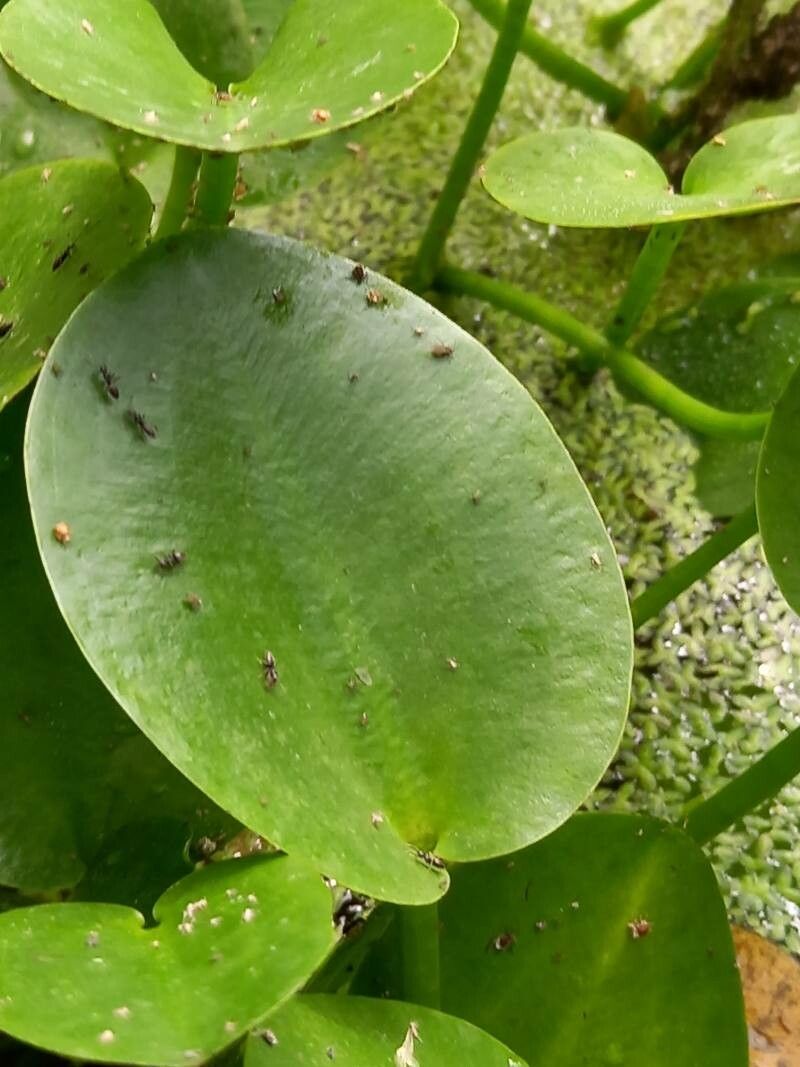
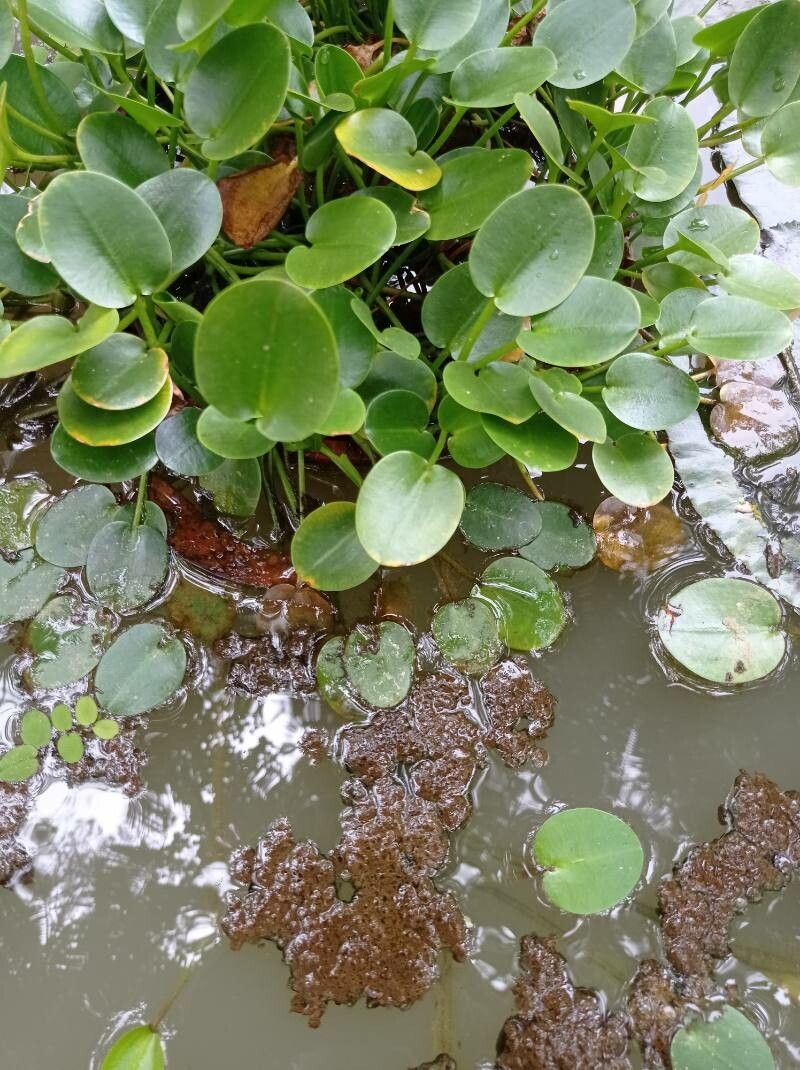
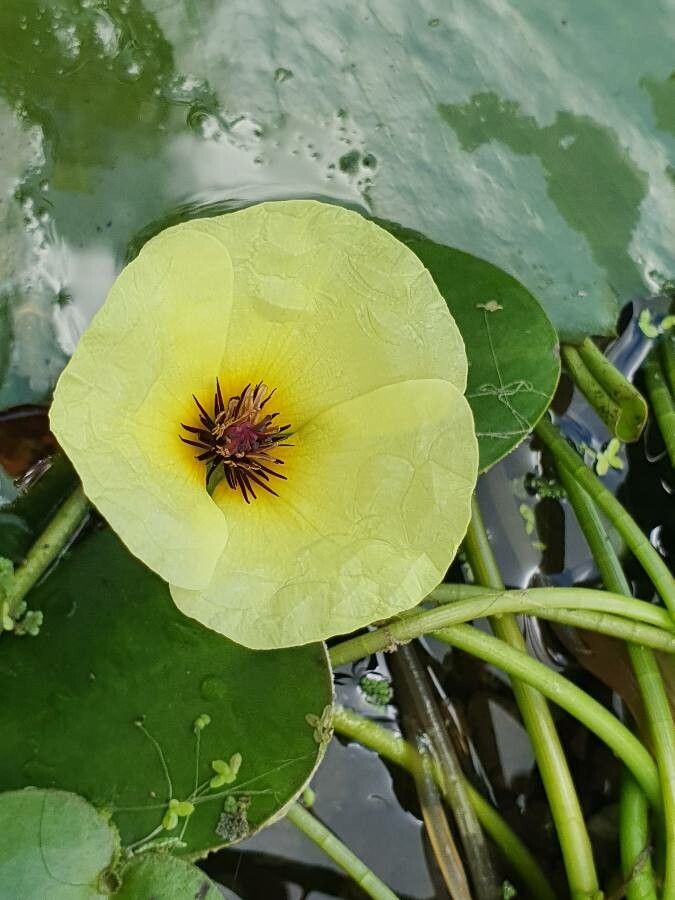
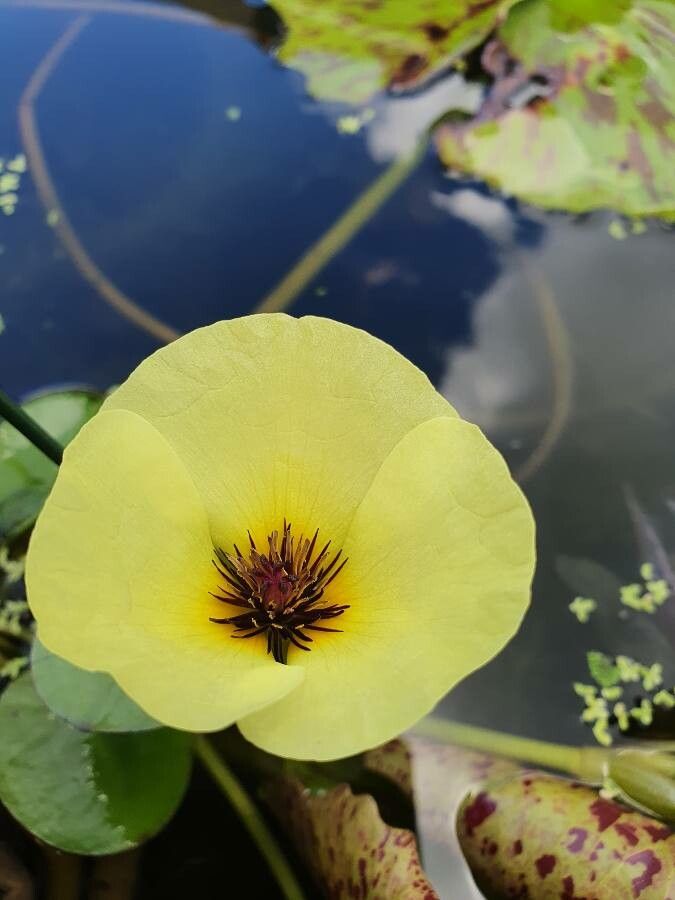
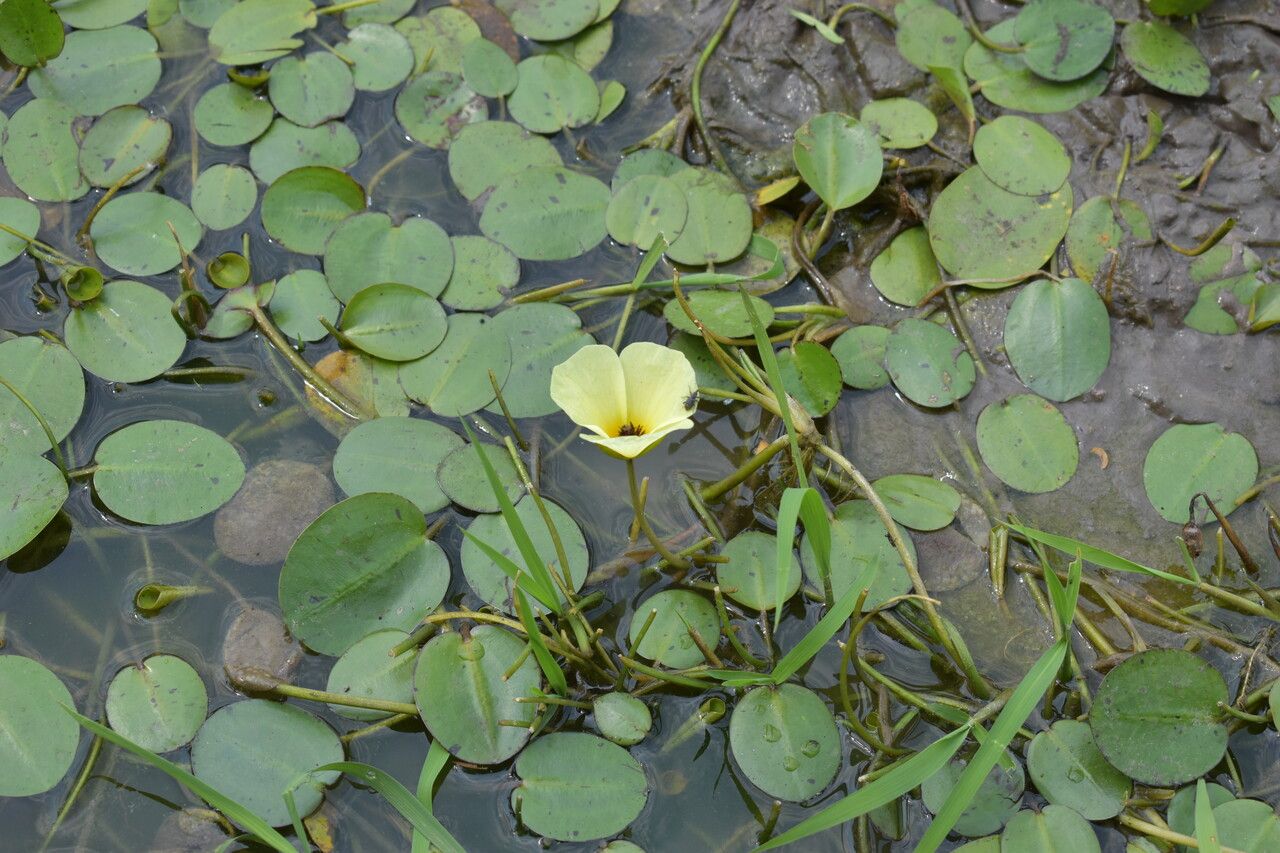
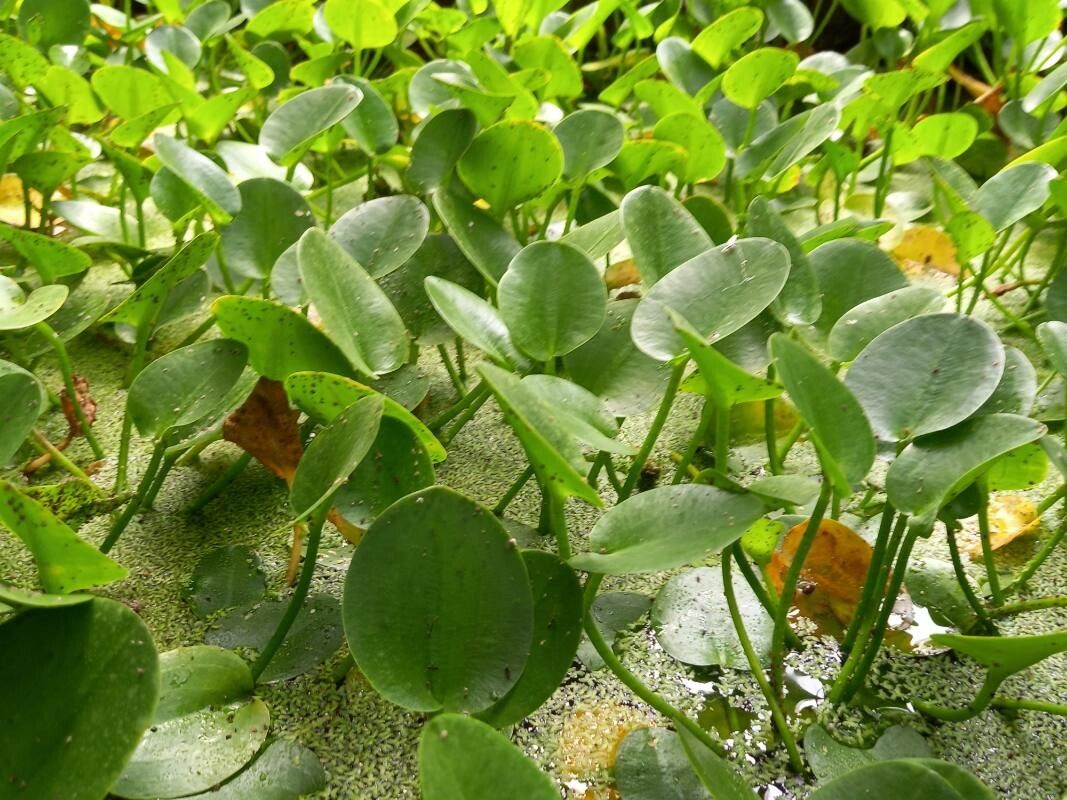
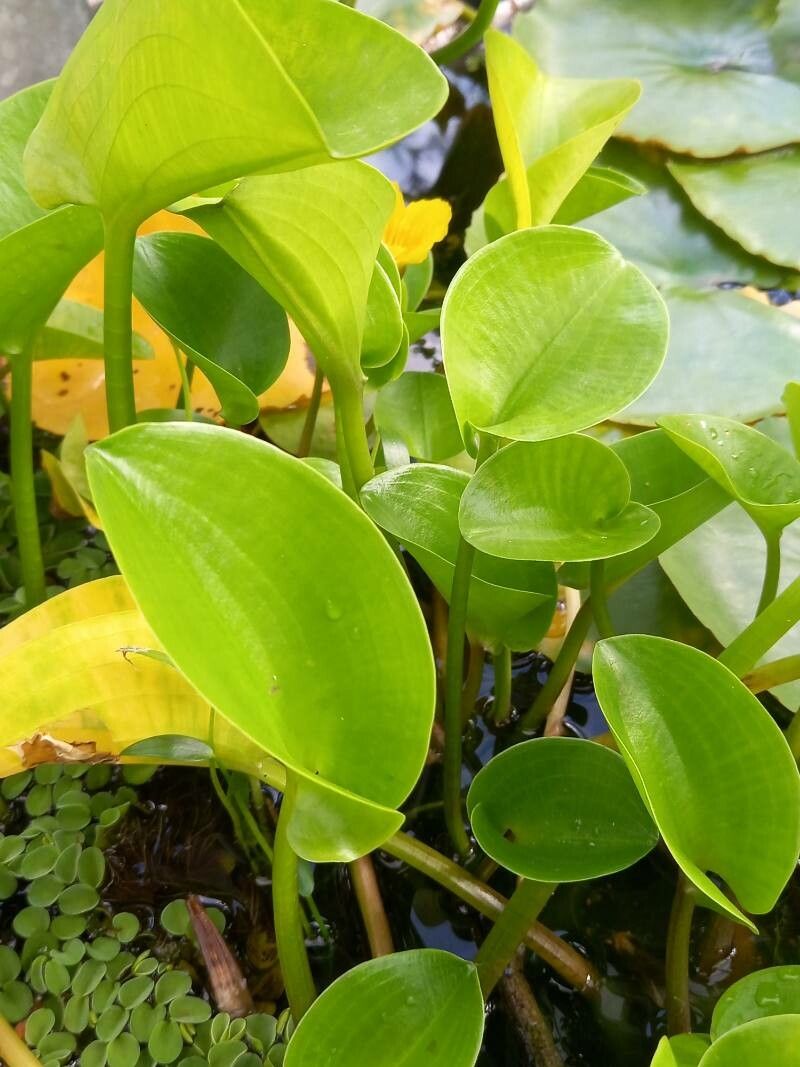
Hydrocleys nymphoides, the waterpoppy or water-poppy, is an aquatic plant species in the Alismataceae. It is widespread across South America, Central America, Puerto Rico, Trinidad and the Netherlands Antilles. It is cultivated in many places for used in decorative ponds and artificial aquatic habitats, and naturalized in Australia, New Zealand, South Africa, Fiji, New Caledonia, French Polynesia, Florida, Louisiana and Texas.
Water poppy is fairly disease-resistant and generally not easily affected by illnesses. Still, it can be vulnerable to pests and diseases present in its environment. When infections occur, they are typically mild. Regarding care, the plant needs a moderate level of maintenance. It should be pruned regularly to preserve a neat appearance and healthy growth. Fertilizing can also encourage flowering. Water poppy is appropriate for anyone who has outdoor space, such as a garden or patio, and does not demand extensive care experience. It may require more attention if cultivated indoors.
How to keep Hydrocleys Nymphoides.
Light
The water poppy does well with continuous exposure to strong light, a trait that stems from its original aquatic habitat. Sunlight is vital for healthy development, particularly during its peak growth period. Interestingly, the plant can tolerate the absence of sunlight. However, an extended lack of light can result in poor health, while excessive exposure may also cause some harm.
Water
The water poppy thrives in tropical wetlands, where high humidity and consistent moisture are essential. While it has a moderate tolerance for drought, it should be watered weekly to maintain its health. Typically grown outdoors, the water poppy flourishes during the growing season, especially when there is plenty of rainfall to support its optimal growth and vitality.
Temperature
The water poppy tolerates temperature fluctuations but performs best at 68 to 100 °F (20 to 38 ℃). Native to temperate areas, it can withstand occasional cooler spells, yet consistent warmth year-round is important. Seasonal temperature changes should be managed to remain within its preferred range.
Pruning
The water poppy is a plant with floating, lily-like flowers and broad leaves. To maintain its health and beauty, it should be pruned from late winter to early spring. During pruning, remove any dead leaves and overgrown stems to improve its overall health and circulation. Regular pruning not only encourages growth and flowering but also helps maintain the plant's aesthetic appeal and prevents it from becoming invasive. This care supports a balanced aquatic ecosystem.
Botanical profile.
- Plant Type
- Herb
- Life Cycle
- Perennial
- Genus
- Hydrocleys
- Family
- Alismataceae
- Hardiness Zone
- 9-11
- Mature Height
- 15 cm to 30 cm
- Mature Spread
- 0.3 m to 1.52 m
- Leaf Color
- Green
- Leaf Type
- Evergreen
- Flower Color
- Yellow, Brown, Gold
- Flower Size
- 2.54 cm to 7.62 cm
- Bloom Time
- Summer, Early fall, Mid fall
- Planting Time
- Spring, Summer
- Harvest Time
- Late summer, Fall, Early winter
- Native Area
- Colombia, Paraguay, Argentina, Mexico, Guatemala, Bolivia, Venezuela, Guyana, Brazil, Ecuador, Suriname
Other names.
Reader questions.
How should I water my Water poppy?
To best care for your Water poppy, use filtered water at room temperature. Tap water can have harmful particles, so filtering it is important. The Water poppy thrives in warm environments, so avoid using cold water as it can shock the plant. Also, overhead watering should be avoided to prevent issues with the leaves. Instead, apply filtered room temperature water directly to the soil until it is completely soaked. This promotes root moisture and nutrient absorption, supporting the plant's growth.
How much sunlight does Water poppy need to grow?
Water poppy typically requires six to eight hours of direct sunlight every day. If you are growing your plant outdoors, choose a spot that receives full sunlight all day. Indoors, place the Water poppy near a south-facing window or another location with abundant sunlight. However, avoid exposing the plant to direct sunlight during high temperatures, such as over 35°C (95℉) or hot summer afternoons. Intense sunlight can scorch or wilt the leaves. To prevent this, use sheer curtains or blinds to filter the sunlight or move the plant to a shadier spot.
What temperature is best for Water poppy?
To help your tropical plants thrive, it's best to maintain a temperature range of 75℉ to 90℉ (25-32℃). While different species can tolerate temperatures outside this range, sticking within a few degrees of these limits will ensure optimal growth. However, there are extreme temperature limits to be aware of. Anything below 50℉ (10℃) or above 95℉ (35℃) can hinder growth and cause issues with the leaves and stems. Low temperatures are particularly damaging, as even a light frost can lead to the death of your tropical plants. In fact, cellular death can occur rapidly, with some species dying within 12 to 24 hours.
What should I do if I give my Water poppy too much or too little water?
Both overwatering and underwatering can harm your Water poppy, but overwatering is more commonly encountered. Excess water can cause wilting and yellowing of the stems and leaves, and over time it can lead to root rot, mold, and mildew, which are all fatal to the plant. While underwatering is less likely because the Water poppy can tolerate some drought, it can still occur. Signs of underwatering include brittle and brown leaves. It is important to recognize the signs of overwatering early and take action immediately. Some of the diseases caused by overwatering, like root rot, may not be reversible if left unaddressed. If you notice early signs of overwatering, reduce your watering schedule and check the soil drainage. If the soil drains poorly, replace it with a loose, well-draining potting mix. Conversely, if your Water poppy shows signs of insufficient water, increase your watering frequency until the signs subside.
What happens if Water poppy doesn't get enough sunlight?
Water poppy needs sufficient sunlight to grow properly. If it doesn't get enough sunlight, it may become weak, leggy, and the leaves may turn yellow, which is a sign of insufficient chlorophyll production. In severe cases, the plant may ultimately die.
Does Water poppy need different temperatures for different stages of growth?
Water poppy does not require changes in temperature to enter different growing phases, but it is important to maintain consistency. Fluctuations in temperature can slow down growth, regardless of the current phase of the plant. Therefore, it is best to keep water poppy in a controlled environment. The optimal temperature range for this plant is between 75℉ and 90℉ (25-32℃). It is crucial to stay above the lower limit and avoid going above 90℉ (32℃), although it can tolerate higher temperatures to some extent as it is a tropical plant. Conversely, temperatures below 50℉ (10℃), especially 40℉ (5℃), can cause direct damage to this heat-loving species.
How frequently should I water my Water poppy plant?
If your Water poppy is in a pot, the most precise way to determine if it needs water is by feeling the soil with your finger. If the top two to three inches of soil are dry, it's time to water it. The same method applies if you are growing the Water poppy outdoors in the ground. Once the top few inches of soil have dried out, water the plant. Typically, during the spring and early fall, you'll need to water it about once a week using this method. In extremely hot weather, you may need to water it twice or more per week. However, mature and well-established Water poppies have a remarkable ability to withstand drought.
What happens if Water poppy gets too much sunlight?
Water poppy requires full sunlight but should not be exposed to too much direct sunlight. If the plant is exposed to intense sunlight for a long time, it can develop sunburn symptoms like brown or scorched leaves. To prevent this, closely monitor the plant and relocate it to a shadier area if needed.
Does Water poppy require different temperatures for different seasons?
Water poppy does not require different temperatures for different growing seasons. To care for it seasonally, the most crucial step is to maintain the optimal temperature range. Therefore, it is recommended to keep this plant indoors, allowing you to control the temperature regardless of the external climate. Additionally, adequate light is important for tropical species, including water poppy. These plants prefer partial side exposure to sunlight, meaning that the light they receive should be filtered or dappled. Bright, indirect light is the ideal choice for indoor growing. Excessive direct sunlight can harm the plant's leaves and hinder its growth potential.
How much water does my Water poppy plant require?
To properly water your Water poppy, don't hesitate to give it a generous amount of water. Make sure the top two to three inches of soil are dry before watering, and then thoroughly soak the soil. Add enough water to fully saturate the soil, and keep watering until you see excess water draining out of the pot's drainage holes. If you don't see any excess water draining, it means you haven't watered enough. However, be careful not to let water accumulate inside the soil as it can harm the plant. On the other hand, if water doesn't drain properly, it could indicate poorly draining soil, which is harmful to the plant's health. For outdoor plants, around 1 inch of rain per week is enough.
What temperatures should you keep your Water poppy at to keep it healthy?
Here are three tips to help you take care of your plants: 1. Keep your plants away from windows during colder months: Cold air can leak into your home through cracks in the windows, and any plants placed near them will be affected. Move tropical plants to an area with bright but indirect light, while avoiding potential drafts. 2. Watch out for dry patches, which may indicate too much sunlight or heat: If you notice white or scorched leaves, your plant may be getting too much heat or sunlight. This can lead to dehydration and hinder growth. Dry spots can spread and eventually cause your plants to die if left unaddressed. 3. Be cautious of frost: Colder temperatures and frost can damage plants by disrupting their water circulation. This can lead to a lack of moisture in the stems and leaves. Look out for signs of hydrosis (a water-soaked appearance) and if the issue persists, the plant may shrivel and turn dark brown or black, eventually leading to death.
How should I water my Water poppy as it grows?
The water requirements of the Water poppy can vary depending on its growth stages. In the first few years of its life or after transplanting, it needs more water to support the development of new roots and future growth. These new roots require additional moisture for optimal performance. As the plant matures, it will require less water. Another stage that may require increased water is during the bloom period when flower development requires significant moisture.