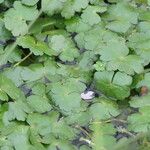
Hydrocotyle ranunculoides
Floating Pennywort · Floating marshpennywort · Floating water-pennywort · Floating marsh-pennywort · Water pennywort
Description
Source: leafsnapHydrocotyle ranunculoides, commonly known as floating pennywort, is a rapidly growing aquatic plant native to North America. Since its introduction to other regions, including Europe and Asia, it has become a significant concern due to its invasive nature. The plant is easily recognizable by its round leaves, which can grow up to 10 cm in diameter, and its long stems that can extend up to 2 meters. Floating pennywort thrives in slow-moving or still bodies of water such as ponds, lakes, and sluggish rivers. It forms dense mats on the water surface, which can create problems for native aquatic plants by blocking sunlight and reducing oxygen levels. The plant is considered invasive because of its rapid growth rate and its ability to outcompete native plants for resources. Additionally, it poses a threat to wildlife by altering habitats and decreasing biodiversity. Global efforts are underway to control the spread of floating pennywort through various methods, including manual removal, herbicide treatments, and biological control using the plant's natural predators. In summary, Hydrocotyle ranunculoides exemplifies the negative impacts invasive species can have on ecosystems if not properly managed.
Care Guide
💧 Water Every 7 days
Floating pennywort originates from wetlands and thrives in consistently moist soil and high humidity. It is well adapted to flooded conditions, efficiently balancing water retention and root saturation. To grow optimally, floating pennywort needs watering every week. It is primarily cultivated outdoors, where its growth is heavily influenced by the availability of water.
How should I water my Floating pennywort plant?
When watering the Floating pennywort, it is best to use filtered water at room temperature. Tap water may contain harmful particles, so filtered water is preferred. The plant prefers warm environments, so it is important to avoid using cold water, as it could shock the plant. Additionally, overhead watering should be avoided to prevent foliage complications. Instead, you should apply filtered room temperature water directly to the soil until it is completely soaked. This helps to moisten the roots and aids in their spread through the soil to gather necessary nutrients.
What should I do if I give my Floating pennywort too much or too little water?
Both overwatering and underwatering can harm your Floating pennywort plant, but overwatering is a more common issue. When the plant receives excessive water, its stems and leaves may wilt and turn yellow. Prolonged overwatering can also lead to diseases like root rot, mold, or mildew, which can be fatal. Underwatering is less common because the plant is fairly drought-tolerant. However, it is still possible, and underwatering will cause the leaves to become brittle and brown. It is crucial to recognize the signs of overwatering and take action promptly when caring for your Floating pennywort. Some diseases caused by overwatering, such as root rot, are difficult to cure if left unchecked for too long. If you notice early signs of overwatering, reduce your watering schedule immediately. Additionally, assess the soil quality where the plant grows. If it drains poorly, replace it with a loose, well-draining potting mix. Conversely, if you observe signs of inadequate water, simply water more regularly until those signs disappear.
How often do I need to water my Floating pennywort?
If your Floating pennywort is in a pot, you can determine if it needs water by sticking your finger in the soil. If the top two to three inches of soil are dry, it's time to water it. If you have Floating pennywort growing outdoors in the ground, you can use the same method to check the soil. When the top few inches of soil have dried out, it's time to water. Normally, during spring and early fall, watering once a week is enough. However, during hot weather, you may need to water twice a week or more. It's worth noting that mature, well-established Floating pennywort can tolerate drought well.
How much water does my Floating pennywort plant need?
When watering your Floating pennywort, don't be afraid to give it plenty of water. Make sure the top few inches of soil are dry before watering, and then give the plant a thorough soaking. Water until the soil is completely soaked and excess water flows out through the drainage holes in the pot. If you don't see excess water draining, you may not have given enough water. However, be careful not to let water accumulate in the soil, as this can harm the plant. If water isn't draining properly, it may be due to poorly draining soil, which is not good for the plant's health. If the plant is outside, 1 inch of rain per week is sufficient.
How should I water my Floating pennywort as it grows?
The water needs of the Floating pennywort can vary depending on its growth stages. In the first few years and after transplanting, it requires more water to support the sprouting of new roots, which will aid future growth. These young roots perform better with slightly more moisture than during later, more mature stages. As the Floating pennywort matures over a few seasons, it will require less water. Additionally, during the bloom period, when the plant is developing flowers, it may need more water to sustain the significant moisture demand for flower production.
☀️ Light Full sun
Lawn marshpennywort grows best with abundant sunlight but can also tolerate situations where it gets only partial daylight. Coming from habitats that receive plenty of sun for part of the day, insufficient light can hinder its healthy growth, while excessive sun can similarly cause stress to the plant.
What are the sunlight requirements for Floating pennywort?
Floating pennywort requires above 6 hours of sunlight to thrive optimally. It's crucial to observe the movement of sunlight through your garden to choose spots that offer a perfect balance of light and shade, ensuring the plant's happiness. Floating pennywort, native to sunny habitats, exhibits healthy growth under abundant sunlight. However, insufficient sunlight might lead to subdued growth, whereas overexposure does not significantly threaten the plant.
How can artificial lighting be used for Floating pennywort?
Indoor plants of Floating pennywort require adequate lighting for optimal growth. When natural sunlight is lacking, especially in winter or less sunny spaces, artificial lights become essential. LED lights are favored for their ability to provide specific light wavelengths needed by plants. For full sun plants, 30-50W/sq ft of light is recommended; partial sun plants require 20-30W/sq ft; and full shade plants need 10-20W/sq ft. The light source should be placed 12-36 inches above the plant, mimicking natural sunlight, and kept on for 8-12 hours per day.
What are the symptoms of inadequate lighting for Floating pennywort?
Floating pennywort shows several symptoms when exposed to inadequate lighting, including smaller new leaves, leggy or sparse growth, faster leaf drop, slower or halted new growth, lighter-colored new leaves, chlorosis (leaves turning yellow), sunscald, leaf curling, wilting, and leaf scorching. These symptoms suggest that the plant is not receiving enough sunlight, affecting its ability to photosynthesize and maintain overall health.
What solutions exist for Floating pennywort's light-related issues?
To address light-related issues in Floating pennywort, gradually increase sun exposure to at least 6 hours daily by moving the plant closer to a south-facing window or using artificial light for plants that can't be moved easily. For outdoor plants, avoid sudden light intensity changes to prevent sunburn. Removing obstructions and transplanting to sunny locations with good drainage are other viable solutions. While parts of the plant affected by insufficient sunlight may not recover, new growth should flourish under improved light conditions.
🌡️ Temperature 5–35°C
Lawn marshpennywort tolerates a temperature range of 41 to 95°F (5 to 35℃) and comes from regions with moderate climates. It is advisable to adjust the temperature with the seasons to ensure optimal growth and health of the plant.
What is the native environment of Floating Pennywort?
Floating Pennywort, known botanically as Hydrocotyle ranunculoides, is indigenous to temperate regions where it thrives in temperatures ranging from 41 to 100.4 °F (5 to 38 °C). It prefers this temperature range for optimal growth. To successfully cultivate Floating Pennywort outside its native environment, seasonal temperature adjustments may be necessitated to mimic its ideal conditions. Despite its strong cold resistance, special frost protection measures are not typically required during winter. However, in regions where winter temperatures are expected to plummet below -25°C, cold protection should be provided by covering the plant with soil or straw. Additionally, it is advisable to water the plant generously before the first freeze of autumn to ensure the soil retains moisture and freezes, thereby preventing drought and water scarcity for the plant during the colder months and early spring.
How should Floating Pennywort be cared for during low temperatures?
Floating Pennywort exhibits a high tolerance to cold temperatures and ideally should be kept above 5°C during winter. If temperatures are expected to drop below -20°C, and especially under -25°C, while the plant may not show noticeable changes during the winter, there could be a significant decrease in sprouting or possibly no sprouting at all come springtime. To address this, any parts of the plant that have failed to sprout in the spring should be removed as part of the plant's care regimen.
What measures should be taken if Floating Pennywort undergoes high temperatures?
To ensure the health of Floating Pennywort during the summer, it is crucial to maintain temperatures below 38°C. Exposure to temperatures exceeding 43°C can result in the leaves of the plant becoming lighter in color, curling, and becoming susceptible to sunburn. In severe cases, the plant may wilt and dry out entirely. In such instances, the sunburned and dried-up parts of the plant should be trimmed away. To mitigate the effects of high temperatures, the plant should be moved to a location that offers shade during the peak sun of midday and the afternoon, or a shade cloth can be used to create necessary shade. Additionally, watering the plant in the morning and evening will help keep the soil moist and protect the plant from heat stress.
💨 Humidity
🪴 Soil 6-7
🌱 Fertilizer
A single fertilizer application in spring is generally enough for Lawn marshpennywort, though multiple feedings can maximize growth. Feed about once every month to a month and a half. Fertilizing improves leaf appearance and function, encouraging even color and a healthy texture. It also promotes root development and nutrient uptake, supporting the plant’s long-term health.
🪴 Pot & Repot
✂️ Pruning
Floating pennywort is characterized by its floating leaves and rapid growth. To maintain its health and manage its growth, it is recommended to prune about 30% of the plant mass from early to late spring. This helps improve water flow and light access, prevents the plant from becoming invasive, and promotes overall health. It's important to dispose of the cuttings responsibly. Pruning during this period aligns with the plant’s growth cycle, allowing for optimal recovery.
🌿 Propagating
🐛 Diseases & pets
☠️ Toxicity
Characteristics
- Plant Type
- Herb
- Life Cycle
- Perennial
- Genus
- Hydrocotyle
- Family
- Araliaceae
- Hardiness Zone
- 5-9
- Mature Height
- 10 cm
- Mature Spread
- 30 cm
- Leaf Color
- Light Green, Green
- Leaf Type
- Evergreen
- Flower Size
- 0.20 cm to 0.51 cm
- Bloom Time
- Late spring, Early summer, Mid summer
- Planting Time
- Spring, Summer, Autumn
- Harvest Time
- Summer
- Native Area
- Nepal, Saudi Arabia, India, Angola, Philippines, Zambia, Madagascar, Sudan, Pakistan, Bangladesh, Laos, Guinea, Zimbabwe, China, Syria, Indonesia, Cambodia, Cameroon, Vietnam, Myanmar, Japan, Togo, Bhutan, Singapore, South Korea, Thailand, Congo