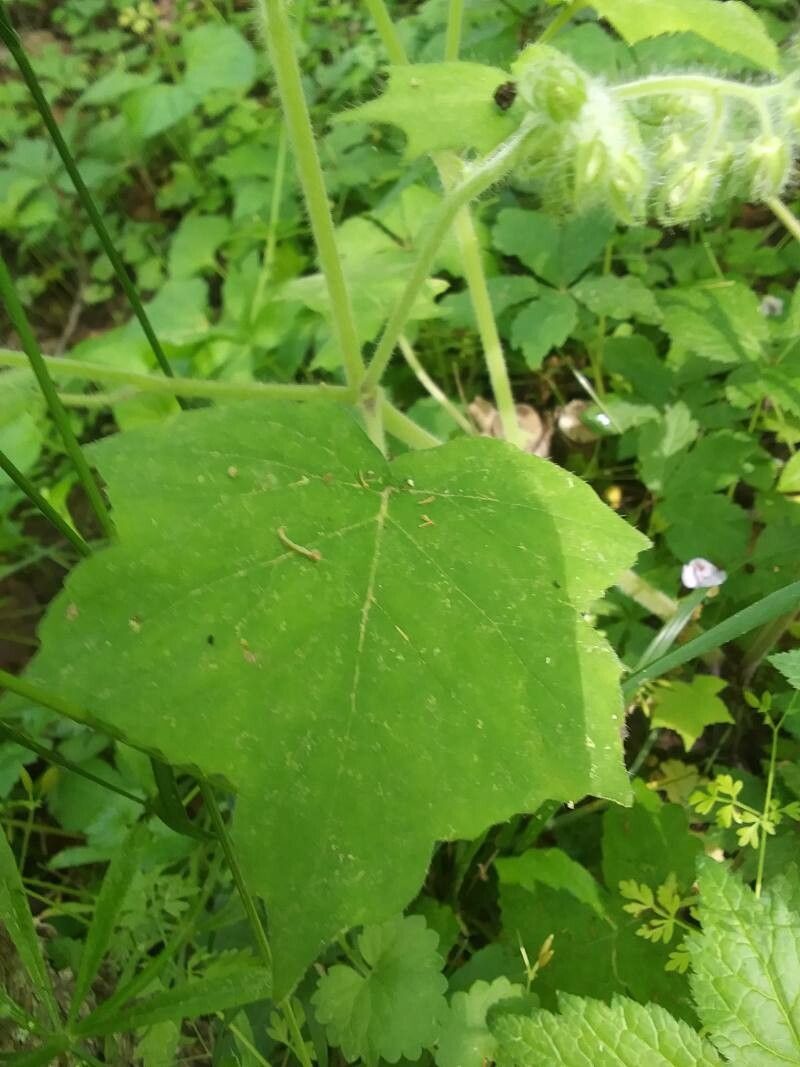
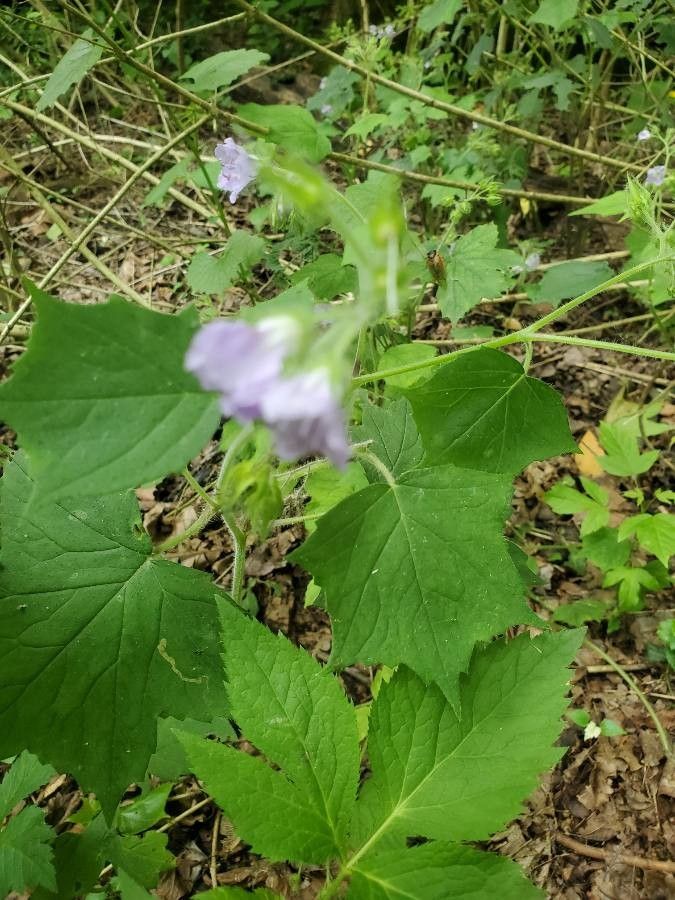
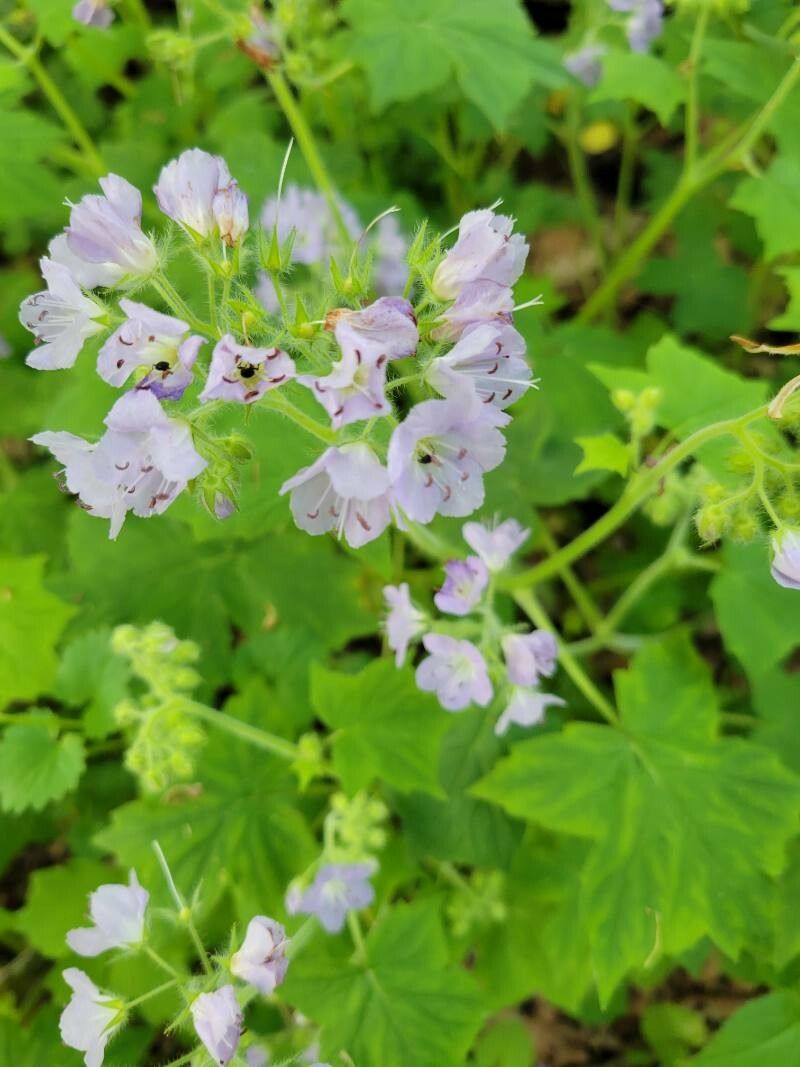
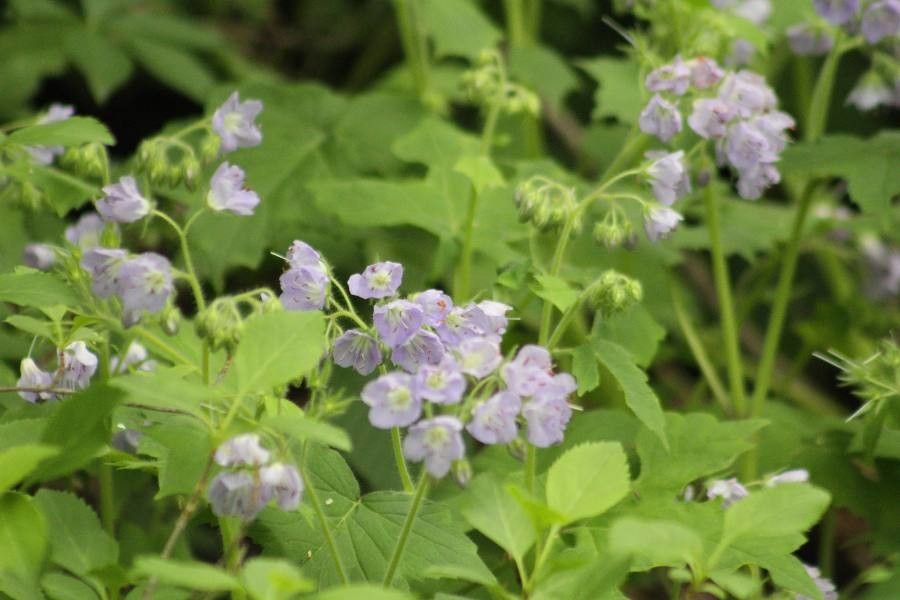
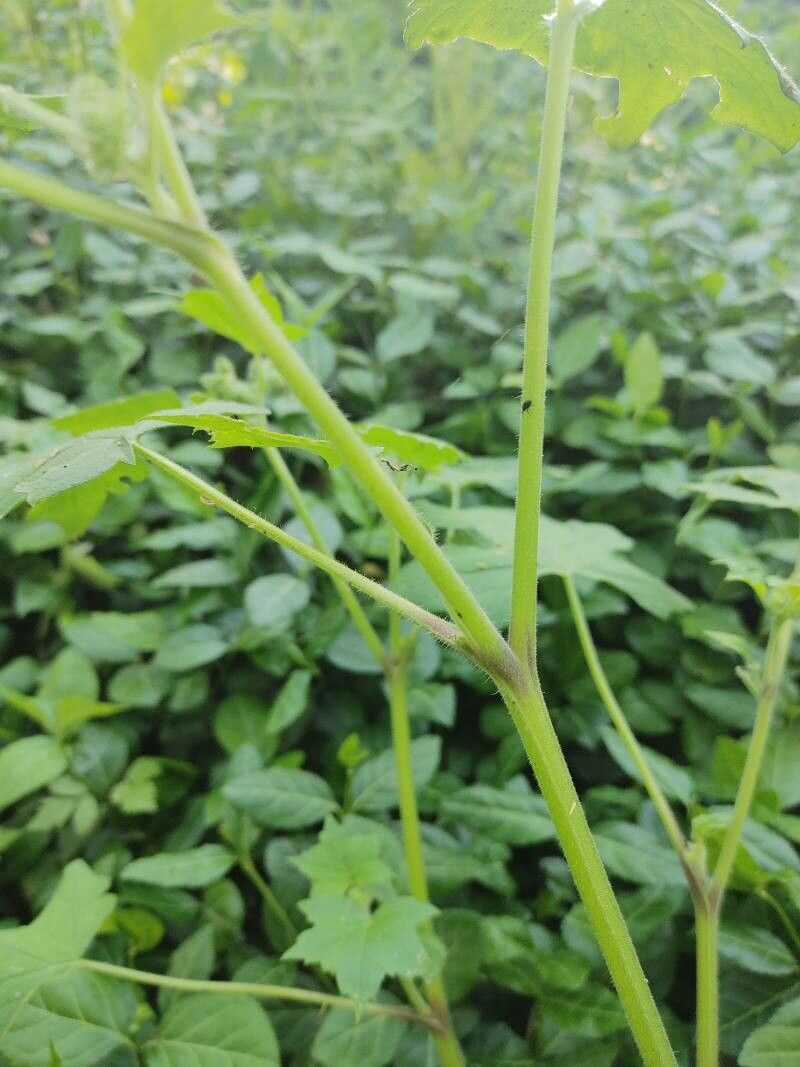
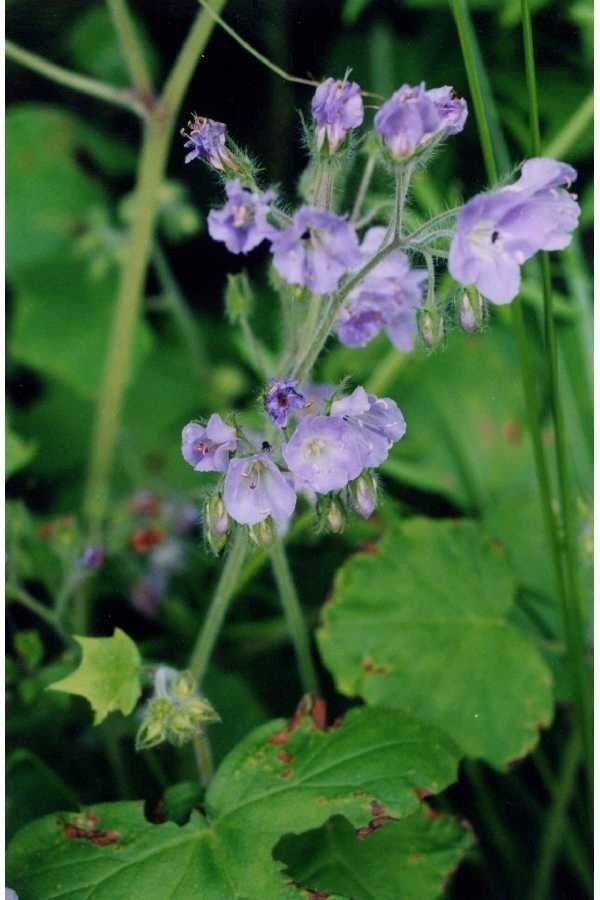
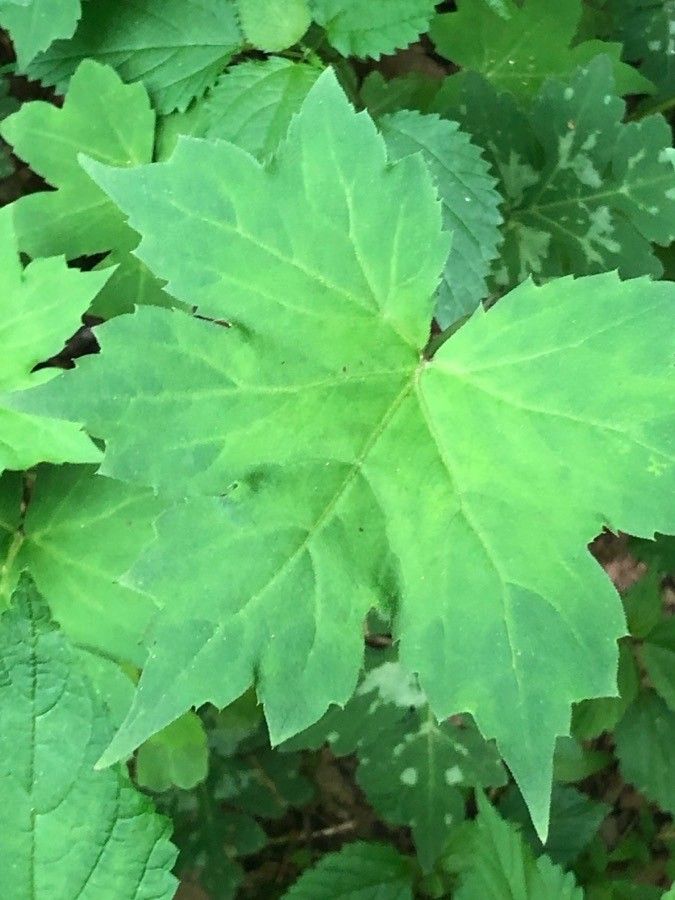
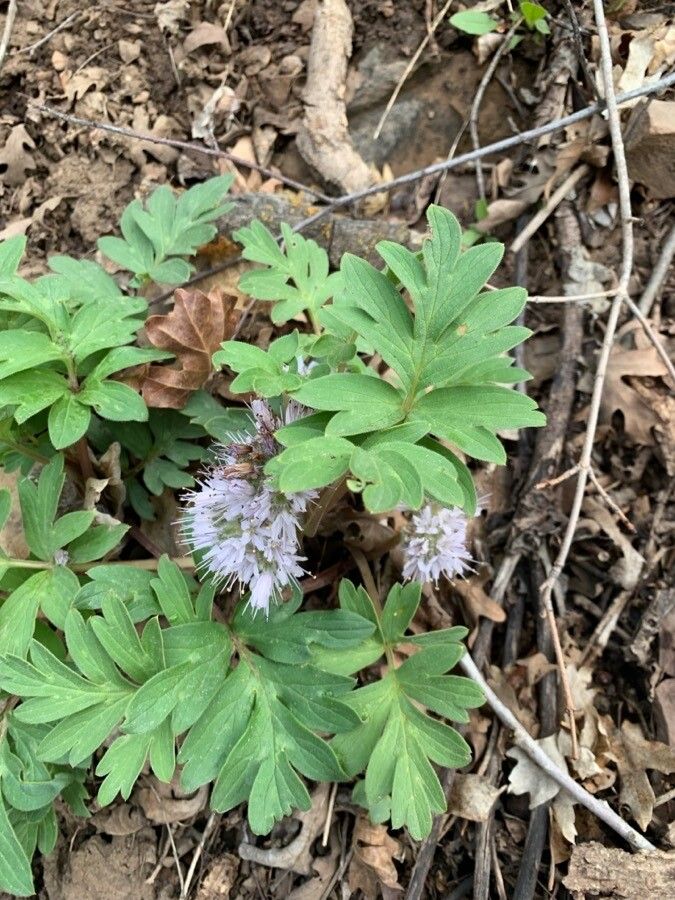
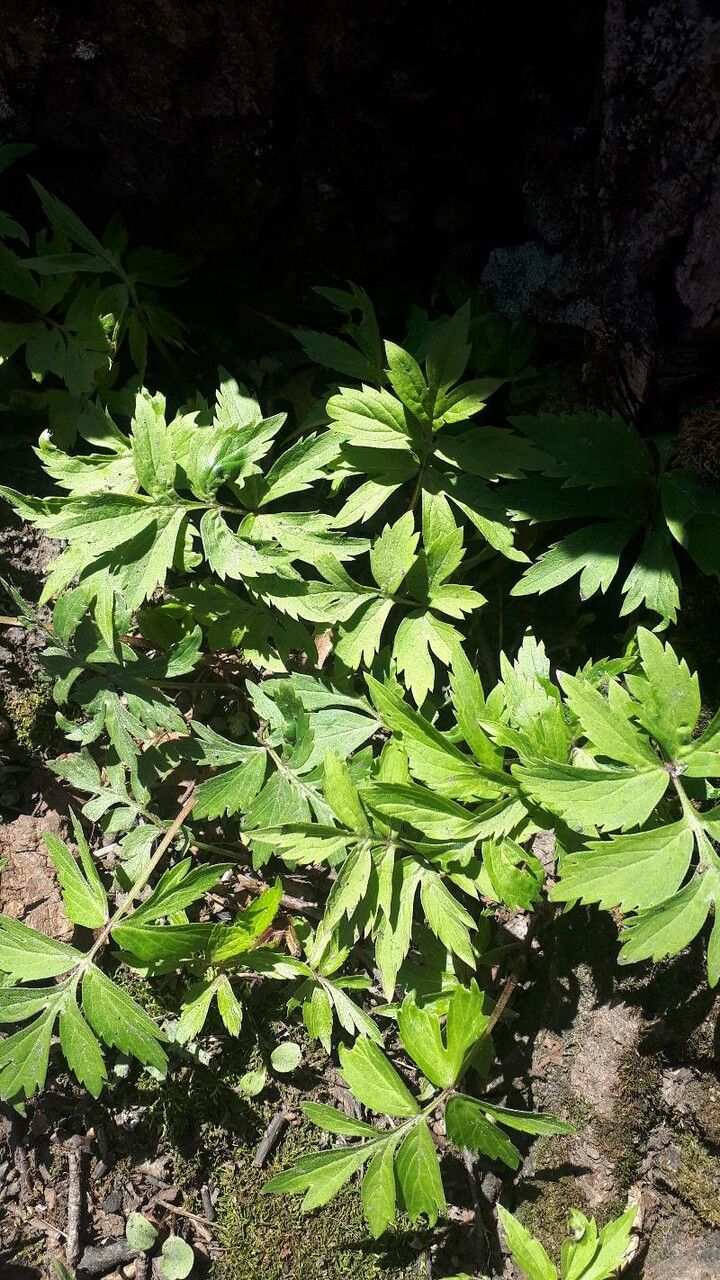
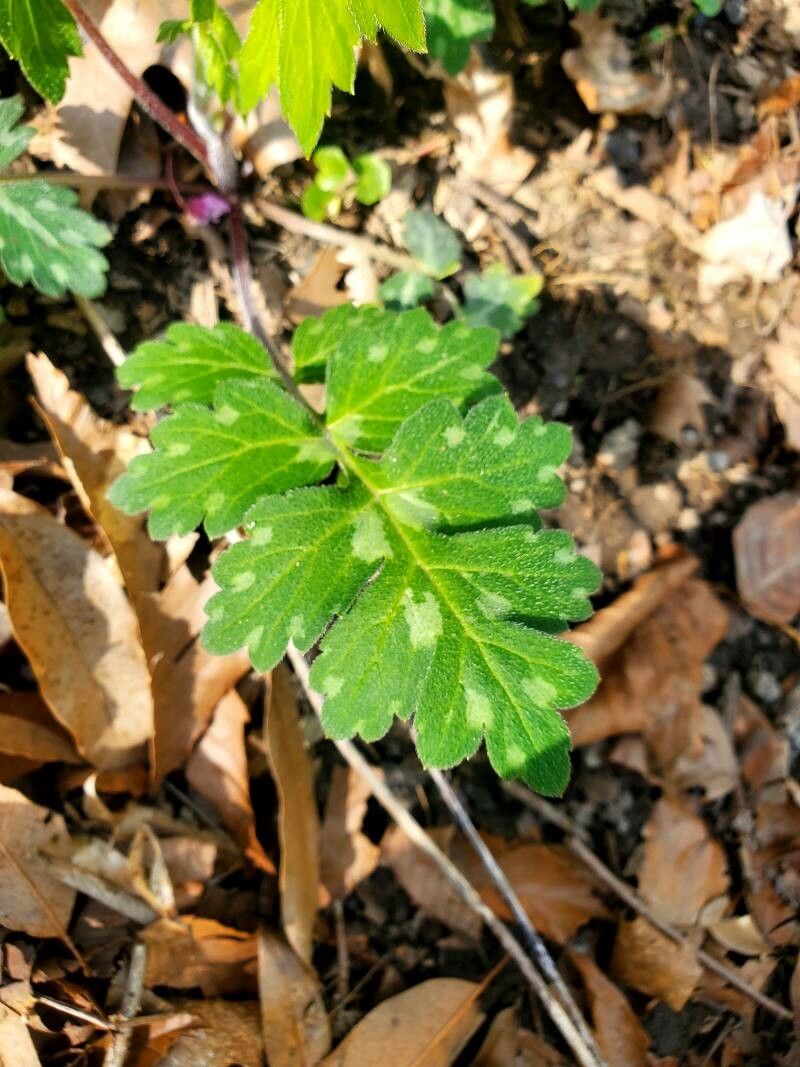
Hydrophyllum appendiculatum, commonly known as great waterleaf, appendage waterleaf, or woolen breeches, is a species of plant in the Boraginaceae (borage) family. It is native to central and eastern North America where it is found primarily in the Midwest and Upper South of the United States. It is a biennial that produces lavender-colored flowers in late spring and early summer.
Great Waterleaf has strong disease resistance and typically does not suffer much from illnesses. However, it can be vulnerable to pests and diseases present in its surroundings. These infections are usually not severe. In terms of care, this plant requires moderate maintenance. It should be pruned regularly to preserve a good appearance and healthy growth. Fertilizing can also help encourage flowering. Great Waterleaf is suitable for anyone with outdoor space, such as a garden or patio, and does not demand extensive care experience. It may need more attention when grown indoors.
How to keep Hydrophyllum Appendiculatum.
Light
Great Waterleaf does best in areas with mottled or filtered sunlight rather than direct, harsh rays. It can survive without any light, although some limited sun exposure supports its optimal growth. Excessive sunlight can distress it, while low-light conditions have only a negligible effect. Its native habitats had similar light levels, which promoted healthy growth.
Water
Great Waterleaf flourishes in environments with consistently moist soil. While it can withstand moderate drought, it needs weekly watering to stay hydrated. As an herbaceous perennial, Great Waterleaf is well-suited for outdoor gardens, where it benefits from natural rainfall.
Temperature
Great Waterleaf is native to regions with a temperate climate where temperatures range from 68 to 95 °F (20 to 35 °C). It prefers a warm environment, and adjustments may be necessary to keep it within this range during the different seasons.
Fertilizer
Great Waterleaf requires regular fertilization to encourage flowering but does not tolerate excessive amounts. It needs light doses of fertilizer given frequently throughout its entire life cycle, especially during the peak period of active growth and when it is flowering. You should feed your Great Waterleaf until they stop blooming.
Pruning
The Great Waterleaf is characterized by its serrated leaves and pale blue to violet flowers. To maintain its health and promote new growth, it is best to prune in early to mid-spring. Focus on removing dead stems to enhance airflow. Be cautious not to over-prune, as this can stress the plant. Additionally, using clean tools is vital for making healthy cuts and boosting the plant's flowering vigor.
Botanical profile.
- Plant Type
- Herb
- Life Cycle
- Biennial
- Genus
- Hydrophyllum
- Family
- Boraginaceae
- Hardiness Zone
- 4-8
- Mature Height
- 30 cm to 61 cm
- Mature Spread
- 30 cm
- Leaf Color
- Green, Dark Green
- Leaf Type
- Deciduous
- Flower Color
- Lavender, White
- Flower Size
- 2.54 cm
- Bloom Time
- Mid spring, Late spring
- Planting Time
- Autumn
- Harvest Time
- Early summer, Mid summer
Other names.
Reader questions.
How should I water my Great Waterleaf plant?
To properly water the Great Waterleaf, it's essential to use filtered water at room temperature or slightly warmer. Tap water may contain harmful particles, so filtering it is the best option. The plant prefers warm conditions, so avoid using cold water as it may shock the plant. Additionally, try not to water the plant from above as it can lead to issues with the foliage. Instead, thoroughly soak the soil with the filtered room temperature water. This helps the plant by keeping the roots moist and aiding in the spread of nutrients through the soil.
What are the sunlight requirements for Great Waterleaf?
Great Waterleaf requires partial sun, roughly about 3-6 hours of sunlight daily. It's essential to observe how sunlight moves through your garden to pick the best spots that provide a mix of light and shade, ensuring the plant's well-being. The plant thrives under dappled or filtered sunlight, indicating that while it can survive in low light conditions, some exposure to sunlight is beneficial for its optimal growth. Direct, intense sunlight should be avoided as it can cause distress to the plant.
What is the native climate of Great Waterleaf?
Great Waterleaf, known botanically as Hydrophyllum appendiculatum, thrives in a temperate climate where temperatures range from 68 to 95 °F (20 to 35 °C). It prefers warm environments, making it necessary to adjust conditions to maintain this temperature range through the changing seasons. Despite its strong cold resistance, in areas where winter temperatures drop below -30°C, it is important to take measures to protect the plant from cold by covering it with soil or straw. Additionally, watering the plant abundantly before the first freeze in autumn to keep the soil moist can help guard against drought and water scarcity during the colder months.
What should I do if I give my Great Waterleaf too much water or too little water?
Overwatering is a more common issue than underwatering for Great Waterleaf plants. When this plant receives too much water, its stems and leaves may wilt and turn yellow. Overwatering for a long time can lead to diseases like root rot, mold, and mildew, which can be fatal to the plant. Underwatering is less common, but the leaves of the Great Waterleaf can become brittle and brown if it occurs. It's important to notice signs of overwatering early because some diseases like root rot can't be corrected if you wait too long. If you see early signs of overwatering, reduce watering immediately and check the soil. If the soil drains poorly, replace it with a loose, well-draining potting mix. If signs of underwatering are present, water more regularly until the plant recovers.
How does artificial lighting affect the growth of indoor Great Waterleaf plants?
For indoor Great Waterleaf plants, when natural sunlight is scarce, especially during winter or in less sunny spaces, artificial lighting becomes essential for optimal growth. It is recommended to select the right type of artificial light, such as LED lights, which can be tailored to provide specific light wavelengths needed by the plant. The intensity of light should match the plant's natural requirements: 30-50W/sq ft for full sun plants, 20-30W/sq ft for partial sun plants, and 10-20W/sq ft for full shade plants. Lights should be placed 12-36 inches above the plant to mimic natural sunlight, with an exposure duration of 8-12 hours per day.
How does Great Waterleaf react to low temperatures?
Great Waterleaf is notable for its cold tolerance, optimally thriving at temperatures above 20°C. Even though it can endure winter temperatures above 0°C without significant issues, exposure to temperatures below -30°C might not immediately affect the plant during winter but could lead to a decrease in sprouting or a complete absence of sprouting in the spring. To mitigate this, it is recommended to remove any parts that have failed to sprout as spring arrives.
How often do I need to water my Great Waterleaf plant?
If your Great Waterleaf plant is in a pot, the most accurate way to determine if it needs water is by checking the soil. You can do this by placing your finger into the soil. If the top two to three inches are dry, then it is time to give it some water. For outdoor Great Waterleaf plants grown in the ground, you can use a similar method to test the soil. Again, if you find that the first few inches of soil have dried out, it is time to water the plant. Typically, during the spring and early fall, you will need to water the plant about once every week using this method. However, during extremely hot weather, you may need to increase the frequency to around twice a week or even more. It's worth noting that mature and well-established Great Waterleaf plants have an impressive ability to withstand drought.
What are the signs of inadequate light exposure in Great Waterleaf?
Symptoms of light deficiency in Great Waterleaf include smaller new leaves, leggy or sparse growth, faster leaf drop, halted or no new growth, lighter-colored new leaves, chlorosis, sunscald, leaf curling, wilting, and leaf scorching. These signs indicate that the plant isn't receiving enough light, which is crucial for its photosynthesis and overall health. Conversely, symptoms like chlorosis and sunscald highlight negative impacts due to overexposure to sunlight.
What should be done if Great Waterleaf is exposed to high temperatures?
To ensure the health of Great Waterleaf during the hotter months, it is crucial to maintain the temperature below 35°C. Exposure to temperatures above 38°C can cause the leaves to lighten in color, curl, become prone to sunburn, and in extreme cases, lead to the wilting and drying out of the entire plant. To address issues caused by high temperatures, sunburned and dried parts of the plant should be trimmed away. The plant should be moved to a shaded location or covered with a shade cloth to protect it from midday and afternoon sun. Furthermore, watering the plant in the morning and evening will help keep the soil moist and support the plant's well-being.
How much water does my Great Waterleaf plant need?
To properly water your Great Waterleaf, don't be hesitant to give it a generous amount of water. Make sure the top two to three inches of soil are dry, and then thoroughly soak the entire soil. The water should be enough to cause it to flow through the drainage holes in the pot. If you don't see any excess water draining, you may not have given enough water. However, be cautious not to let water accumulate inside the soil, as that can harm the plant. Similarly, if water doesn't drain through the pot, it could mean that the soil doesn't drain well, which is bad for the plant's health. If the plant is outdoors, around 1 inch of rainfall per week should be enough.
What solutions can improve sunlight exposure for Great Waterleaf?
Improving sunlight exposure for Great Waterleaf involves several strategies. Indoors, you can transition the plants to sunnier spots weekly until they receive 3-6 hours of direct sunlight, or use artificial lighting like desk or ceiling lamps for at least 8 hours daily. Outdoors, gradually move the plants to sunnier locations to prevent sunburn. Reducing obstructions such as pruning trees can also increase sunlight access. If necessary, transplanting smaller plants during their dormant period to a sunnier location can greatly benefit their growth. Note that while portions of the plant that suffered from low light may not recover, new growth should be healthy with increased light exposure.
How should I water my Great Waterleaf as it grows?
The water needs of the Great Waterleaf can vary depending on its growth stages. When the plant is in its early years or has just been transplanted, it requires more water than usual. This is because it is focused on establishing new roots to support future growth, and these roots need extra moisture. As the plant matures over a few seasons, its water requirements diminish. However, during the bloom period, the Great Waterleaf may need more water due to the energy it puts into flower development. Therefore, additional watering might be necessary at this time.