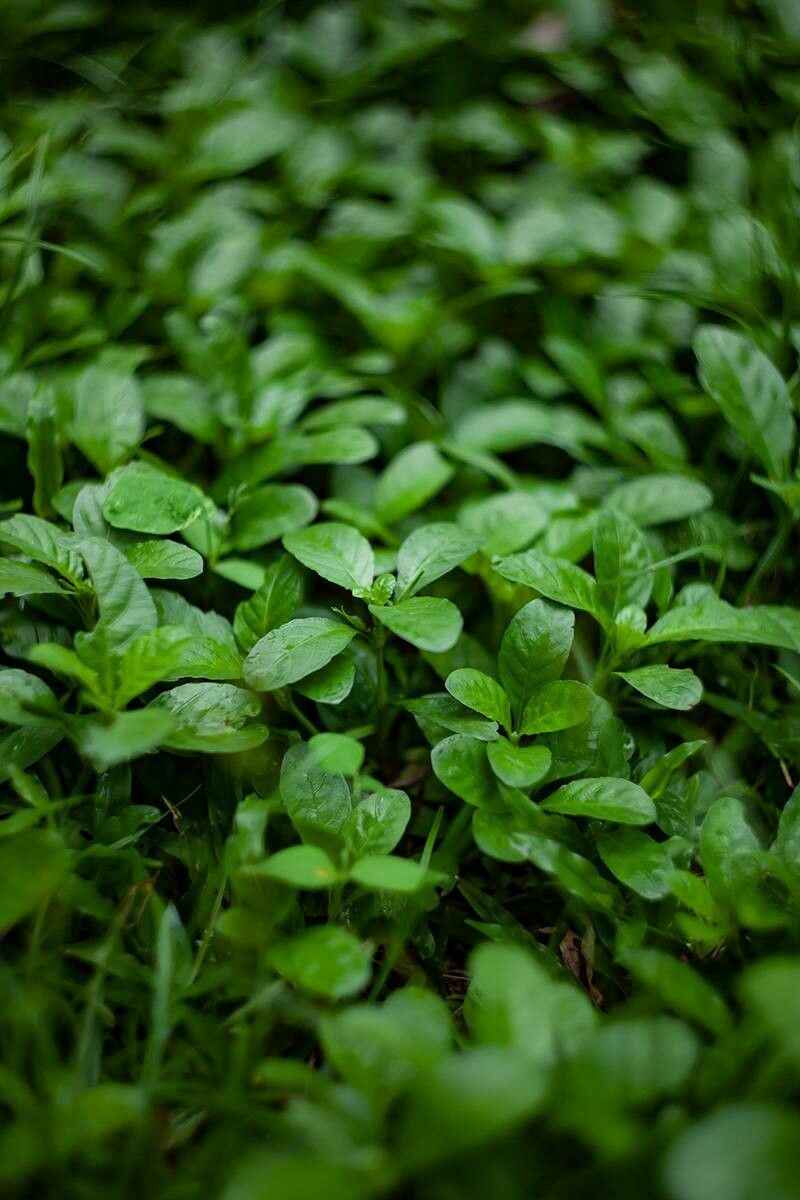
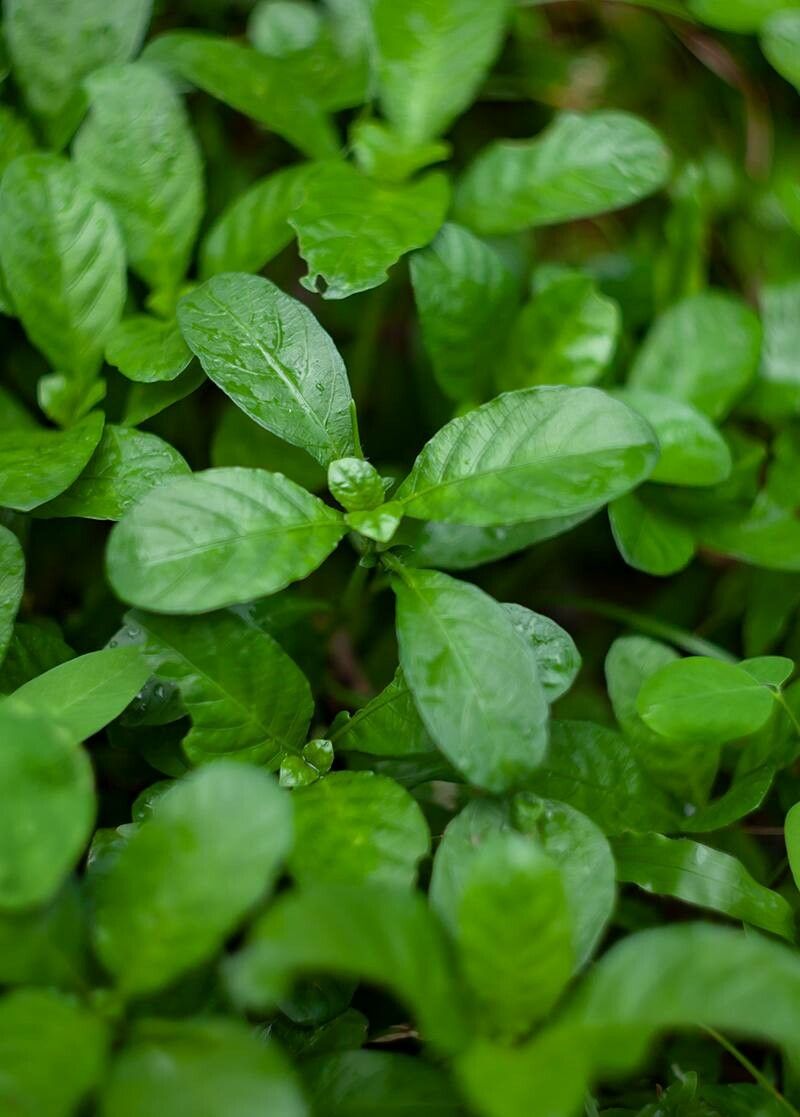
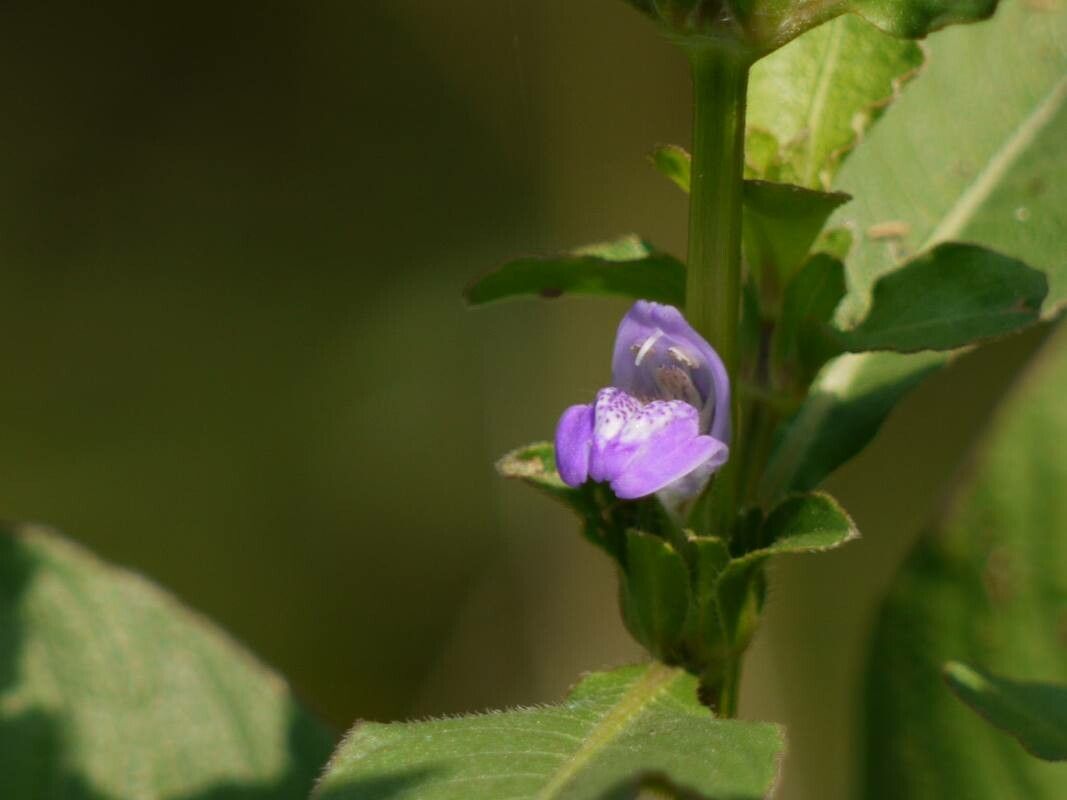
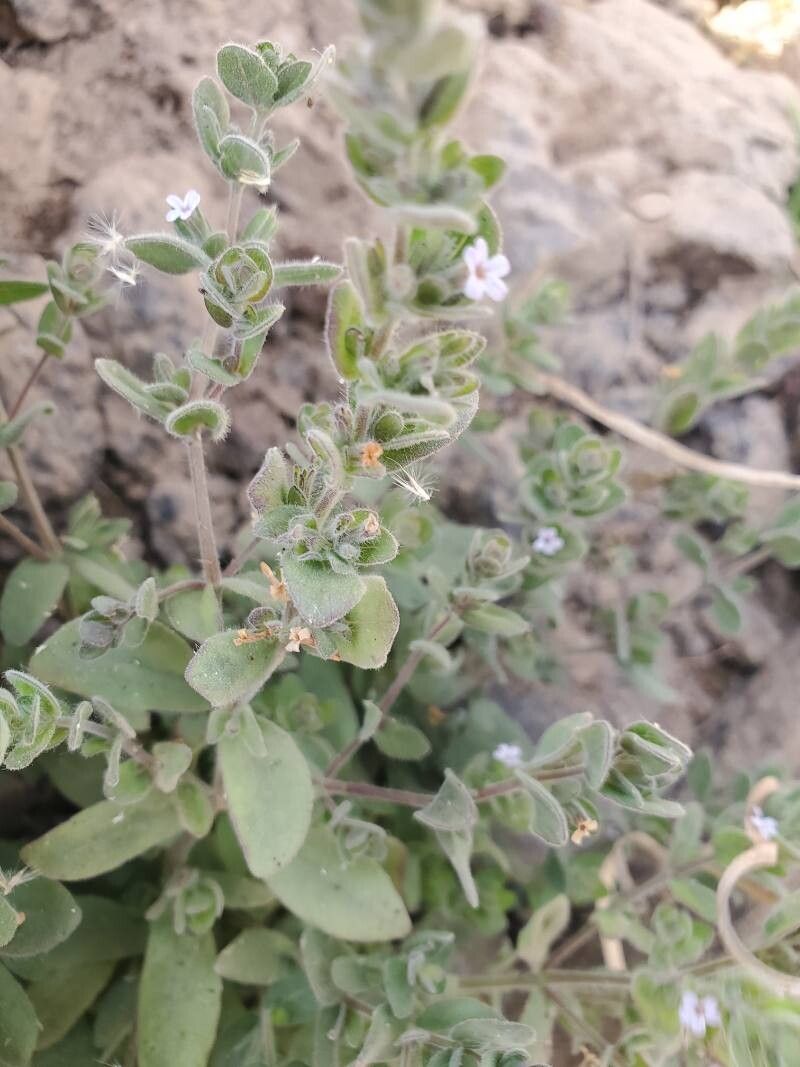
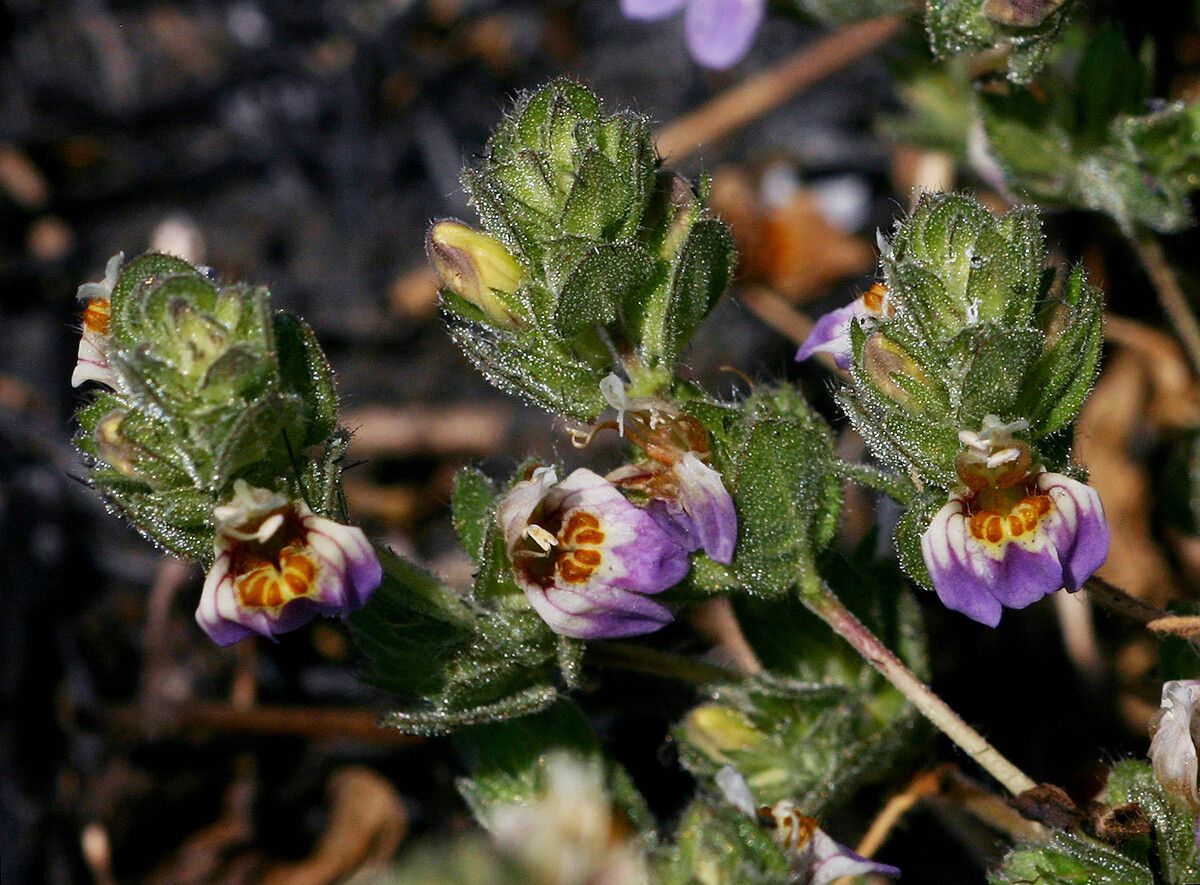
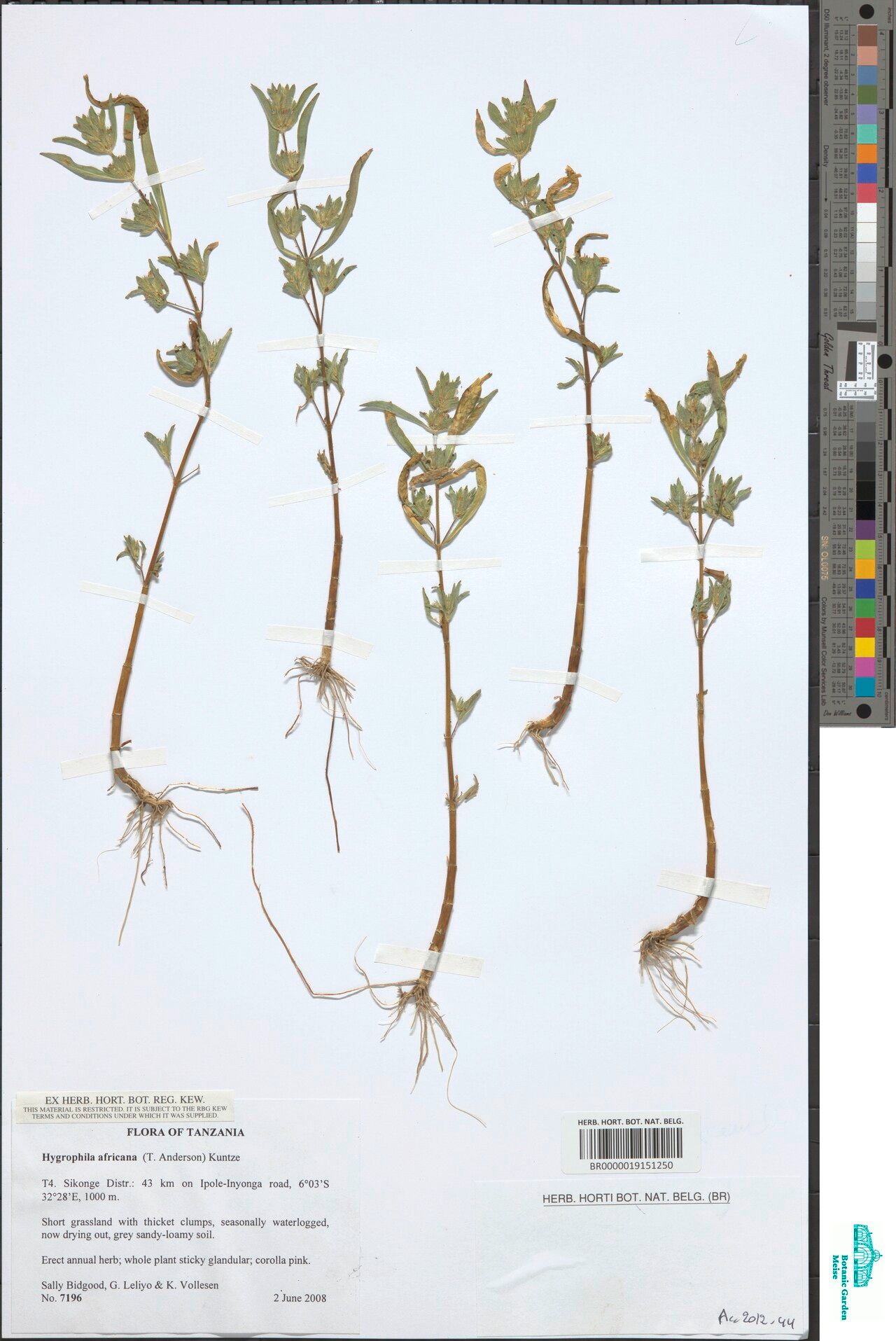
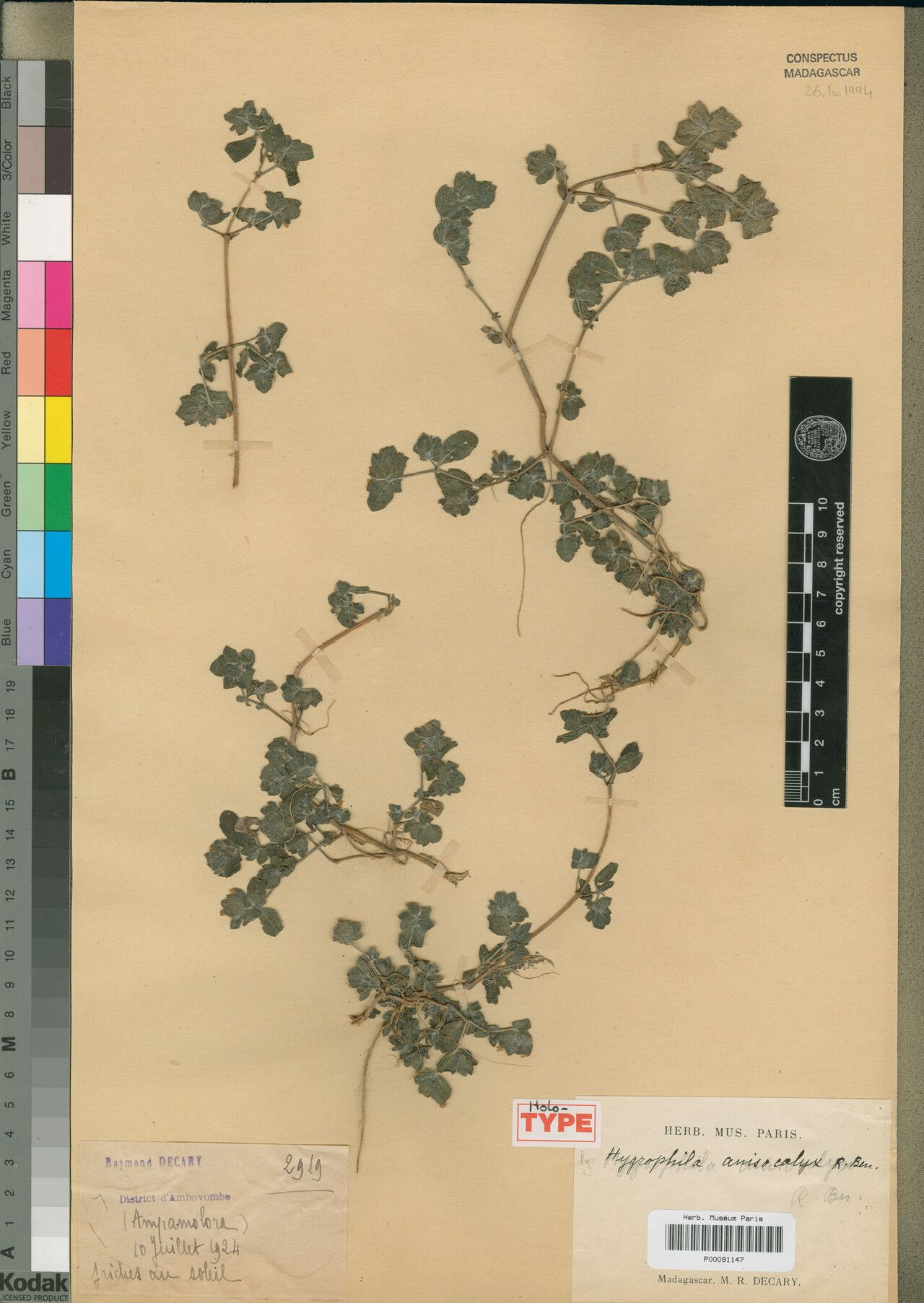
Erect hygrophila has strong disease resistance and is generally unlikely to suffer from illnesses. Still, it can be affected by pests and diseases present in its environment. These outbreaks are generally mild. In terms of care, the plant requires moderate maintenance. It should be pruned regularly to keep a neat appearance and healthy growth. Fertilizing can also help stimulate flowering. Erect hygrophila is suitable for anyone with outdoor space, such as a garden or patio, and does not demand extensive care experience. It may need more attention when cultivated indoors.
How to keep Hygrophila Ringens.
Water
Erect hygrophila, native to wetlands, flourishes in high-moisture environments and needs regular watering, ideally once a week. As an aquatic plant, it grows best in standing water, which promotes strong development throughout the growing season.
Temperature
Erect hygrophila comes from tropical areas, where the climate is generally warm and humid. As a result, it is well suited to high temperatures and humidity. It does not tolerate sudden temperature changes and prefers a stable temperature environment, so it is important to avoid temperature fluctuations indoors. It usually cannot withstand cold temperatures and requires warmer conditions for growth. If the environmental temperature falls too low, the plant may stop growing or even die.
Pruning
Erect hygrophila is a hardy aquatic plant that benefits from a spring pruning to boost growth and prevent legginess. Essential techniques involve trimming overgrown stems and removing damaged leaves. This promotes healthier foliage, helps maintain the plant’s shape, and meets specific aquascaping needs, all of which contribute to improved water quality and enhanced aesthetics.
Botanical profile.
- Plant Type
- Herb
- Life Cycle
- Annual
- Genus
- Hygrophila
- Family
- Acanthaceae
- Hardiness Zone
- 9-11
- Mature Height
- 76 cm
- Mature Spread
- 20 cm to 30 cm
- Leaf Color
- Green, Dark Green
- Leaf Type
- Semi-evergreen
- Flower Color
- Lavender
- Flower Size
- 0.51 cm to 0.76 cm
- Bloom Time
- Late spring, Summer, Early fall, Mid fall
- Planting Time
- Spring, Summer, Autumn
- Harvest Time
- Mid summer, Late summer, Fall
- Native Area
- Nepal, Sri Lanka, India, Cambodia, Vietnam, Myanmar, Japan, Philippines, Bangladesh, Pakistan, Laos, Thailand, China
Other names.