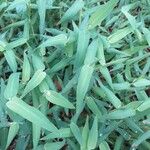
Hygroryza aristata
Bengal wild rice · Asian watergrass · Awned water rice · Asian water grass
Description
Source: leafsnapHygroryza (watergrass) is a genus of Asian plants in the grass family. SpeciesThe only known species is Hygroryza aristata, (Asian watergrass) native to China (Fujian, Guangdong, Hainan, Taiwan, Yunnan), Bangladesh, Cambodia, India (Maharashtra, Karnataka, Assam, etc.), Laos, Malaysia, Myanmar, Nepal, Pakistan, Sri Lanka, Thailand, Vietnam. formerly includedHygroryza ciliata - Leersia hexandra
Care Guide
💧 Water
Asian watergrass thrives in tropical wetlands, needing high humidity and consistent moisture. To keep it well-hydrated, weekly watering is essential. Although primarily an outdoor plant, Asian watergrass grows best during its active growing season when it receives plenty of water, leading to vigorous growth and increased resilience.
☀️ Light Full sun
Asian watergrass comes from habitats with plenty of sunlight, such as the shallow margins of ponds and lakes. It prefers full sun but can also tolerate partial sun.
What are the sunlight requirements for Asian watergrass?
Asian watergrass, known botanically as Hygroryza aristata, thrives best in environments that provide full sun, which means it requires more than 6 hours of direct sunlight daily. However, it can also tolerate partial sun conditions, where it receives about 3-6 hours of sunlight. This adaptability allows it to flourish in slightly shaded areas as well. It's vital to observe the movement of sunlight through your garden to ensure you choose locations that offer an optimal balance of light and shade for the health and happiness of your plants.
How do artificial lights support the growth of indoor Asian watergrass?
For indoor cultivation of Asian watergrass, especially in scenarios where natural sunlight is insufficient such as during winter or in less sunny indoor spaces, artificial lighting becomes crucial for optimal plant growth. LED lights are often recommended due to their ability to be tailored to provide specific wavelengths needed by the plants. Full sun plants, like Asian watergrass, require 30-50W/sq ft of artificial light, while partial sun plants need 20-30W/sq ft. The artificial light should be placed 12-36 inches above the plant to mimic natural sunlight conditions. Additionally, replicating the natural daylight hours by keeping artificial lights on for 8-12 hours per day can promote healthier and faster growth.
What are the common symptoms of light deficiency in Asian watergrass?
When Asian watergrass is not receiving sufficient light, several symptoms can manifest, including smaller new leaves, leggy or sparse growth, faster leaf drop, reduced or halted growth, lighter-colored new leaves, chlorosis (yellowing), sunscald, leaf curling, wilting, and leaf scorching. These symptoms indicate the plant's struggle with inadequate light exposure, which can hinder its ability to thrive, reduce its photosynthesis efficiency, and overall health.
How can you remedy light deficiency symptoms in Asian watergrass?
To address light deficiency in Asian watergrass, gradually introduce the plant to more sunlight. For indoor plants, moving them weekly to sunnier spots until they receive at least 6 hours of direct sunlight or using artificial light sources like grow lights can be beneficial. Keep lamps on for a minimum of 8 hours a day. For outdoor plants, avoid sudden changes in light exposure to prevent sunburn, gradually moving them to brighter locations each week. If outdoor plants are in the ground and blocked by obstructions like trees, consider pruning to enhance sunlight exposure or transplanting smaller plants during their dormant period to spots with better light and drainage. It's important to note that while damaged parts may not recover, new growth should be healthy once proper light conditions are established.
🌡️ Temperature 20–41.1°C
Asian watergrass naturally grows best in areas where temperatures range from 20 to 41 ℃ (68 to 105.8 °F). It favors warmer climates, so cooler locations need more strictly controlled warm conditions. Seasonal adjustments are essential during colder periods.
What is the preferred temperature range for Asian watergrass to thrive?
Asian watergrass thrives best in regions with temperatures between 20°C (68°F) to 41°C (105.8°F), preferring warmer climates. For optimal growth, especially in cooler areas, it's important to maintain controlled warm environments and make seasonal adjustments in colder seasons. During winter, temperatures should be kept above 20°C, and exposure to temperatures near or below 15°C can be harmful to the plant.
How do you take care of Asian watergrass in the autumn and winter?
In the autumn, especially in regions with cooler temperatures, it is advised to bring outdoor-grown Asian watergrass indoors. The plant should be placed near a bright window for sufficient sunlight but kept at a certain distance from heaters to avoid excessive dryness caused by artificial heating. During winter, maintaining the temperature above 20°C is beneficial for the plant's growth and helps in preventing damage from cold.
What are the symptoms of low temperature damage in Asian watergrass, and how can it be treated?
Asian watergrass shows a clear preference for warm temperatures and does not tolerate low temperatures well. When exposed to temperatures below 15°C, the leaves may lighten in color, and after frost damage, the plant may turn brown or black, showing signs of wilting and drooping. The treatment involves trimming off the frost-damaged parts and moving the plant indoors to a warm environment. It's best to place it near a south-facing window for ample sunlight and avoid placing it near heaters or air conditioning vents to prevent air dryness.
How should you care for Asian watergrass during high temperatures?
During the summer, it's crucial to ensure that the temperature around Asian watergrass does not exceed 41°C. Exposure to temperatures above 45°C may cause the leaves to lighten and increase the plant’s susceptibility to sunburn. To mitigate damage, trim away the sunburned and dry parts of the plant, and relocate it to a spot that offers shade during the intense midday and afternoon sun. Additionally, water the plant in the morning and evening to maintain soil moisture.
💨 Humidity
🪴 Soil
🌱 Fertilizer
🪴 Pot & Repot
✂️ Pruning
Asian watergrass is a semi-aquatic plant that thrives in waterlogged conditions. Pruning it in early spring helps to maintain its shape, prevent overcrowding, and improve water circulation. To prune effectively, it's important to use clean, sharp tools. This not only enhances the plant's aesthetic appeal but also improves its overall vigor.
🌿 Propagating
🐛 Diseases & pets
☠️ Toxicity
Characteristics
- Plant Type
- Grass
- Life Cycle
- Perennial
- Genus
- Hygroryza
- Family
- Poaceae
- Hardiness Zone
- 13
- Mature Height
- 10 cm to 30 cm
- Mature Spread
- 8 cm
- Leaf Color
- Light Green, Green
- Leaf Type
- Evergreen
- Flower Size
- 4.06 cm to 7.62 cm
- Bloom Time
- Summer, Early fall, Mid fall
- Planting Time
- Spring, Autumn
- Harvest Time
- Late summer, Fall, Early winter
- Native Area
- Nepal, Sri Lanka, India, Malaysia, Cambodia, Vietnam, Myanmar, Bangladesh, Pakistan, Thailand, China