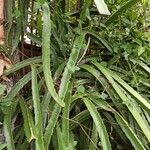
Hylocereus undatus
فاکهه التنين · میوه اژدها · Dragon fruit · Queen-of-the-night · Night-blooming cactus
Description
Source: leafsnapHylocereus undatus, commonly known as dragon fruit or pitaya, is a tropical, fruit-bearing cactus native to Central and South America. Today, it is widely cultivated in various parts of the world, including Southeast Asia and Australia. The plant exhibits a climbing habit and can grow up to 20 feet in length. Its stems are green with prominent ribs that bear aerial roots for support. The dragon fruit plant produces large white flowers that bloom at night and are pollinated by bats or moths. The fruits are oval-shaped with a scaly exterior that ranges in color from bright pink to yellowish-green, depending on the variety. The flesh of the fruit is juicy and contains numerous tiny black seeds. Dragon fruits are rich in antioxidants, vitamins C and B complex, and minerals such as calcium, iron, magnesium, and phosphorus. They have been used for centuries in traditional medicine for their anti-inflammatory properties. The plant prefers well-drained soil with plenty of organic matter but can tolerate some drought conditions once established. It requires full sun exposure but can also grow in partial shade. Dragon fruits have become increasingly popular due to their unique appearance and health benefits, making them an excellent addition to any tropical garden or orchard!
💡 Legend has it that a woman once got lost in the desert. While in a trance-like state, she heard a voice telling her that she could escape the desert if she kept eating the dragon fruit that lay beside her. Following this advice, she peeled and ate the dragon fruit, regaining enough strength to find her way out of the desert.
🌳 While commonly known for its fruit, dragon fruit also has unexpected uses that many people are unaware of. The plant's robust stems have been innovatively used in producing sustainable biomaterials. In addition, the fruit's vivid red pigment is a superb natural dye for fabrics, meeting demand for eco-friendly textile options. Its flowers can also be used ornamentally, which further enhances its versatility.
🎭 Infinite future
Care Guide
💧 Water Every 7 days
Dragon fruit thrives in tropical-like climates with high humidity and seasonal rainfall. It is drought-tolerant and only requires watering every three weeks to prevent root oversaturation. As an outdoor plant, it benefits from natural rainwater, which enhances fruit production during its active growing season.
How should I water my Dragon fruit?
When watering Dragon fruit plants, it can be confusing to know the best method. Should you water from top to bottom or bottom to top? According to experts, it is recommended to start watering from the bottom. This way, the water will reach the roots and ensure sufficient hydration for the plants. If you water from the top, there will not be enough saturation, as the water will trickle and evaporate, resulting in only a small amount reaching the roots.
If my Dragon fruit doesn't get enough water, what should I do?
If you find that your flowers are drying out despite watering them regularly, the issue may be with the container they are planted in. In this case, choose a larger container with good drainage. It's important to use the right potting soil and clean sand mixture to help the plant absorb more water easily. This species is an epiphyte and cannot handle soggy roots, as it obtains water and nutrients from the air. Therefore, proper drainage is necessary to prevent fungal infections. If your cactus becomes limp, you can transfer it to fresh soil. Gently remove as much of the old soil as possible and keep the new soil evenly moist. Mist the cactus frequently if possible. After the flowers have finished blooming, reduce watering until new buds appear. Be careful not to let the soil dry out too much, as this can cause the buds to drop. Underwatering followed by overwatering is a common mistake made by many owners of these succulent cacti. The lack of water may not be noticeable until it's too late, so it's important to pay attention to signs of wilting or withering. While it is tempting to overcompensate with excessive watering, this can lead to desiccated roots that cannot take in any more water. This can result in waterlogged plants and rotting roots. If you notice signs of underwatering, you can try to revive the cactus by providing regular and frequent, yet controlled, watering. Give the cactus a chance to regenerate and recover its roots without overdoing it.
How often should I water my Dragon fruit plant?
To keep the Dragon fruit healthy all year round, it requires proper watering and well-draining soil. The water needs of the Dragon fruit can vary, but a good indication to water is when about 1/3 of the topsoil is dry. Watering should occur about once a week, checking the soil with your fingers to ensure it is about two inches dry. If the top layer of soil is very dry, water the Dragon fruit until it passes through the drainage holes in the pot, with a tray underneath to catch any excess water. After 10 to 15 minutes, discard the excess water. Be careful not to leave the pot sitting in water for a prolonged period. During the flowering stage, it is recommended to water the Dragon fruit sparingly. To determine when to water, observe the leaves drooping and use pebbles in the pot saucer with water to add humidity. Be cautious not to let the pot sit in water, especially during winter when the soil takes longer to dry and can cause root rot. Consider the climate when watering the Dragon fruit. In dry and hot climates, it may require watering twice a week. In humid areas, once a week may suffice. In fall and winter, water less frequently for optimal flower blooms. Increased watering is necessary when pots are exposed to excessive sunlight, while watering should be reduced in cool or humid locations.
What will happen if I give my Dragon fruit too much water?
If you overwater your Dragon fruit, it may appear limp or wilted. In such cases, give it a small amount of water after neglecting it for too long. Be cautious with watering and only provide enough water until the soil has slight moisture. Excessive watering can lead to the development of white rot, a fungal infection. This can cause the leaves to droop and result in wilting. Dragon fruits, like any other cactus species, cannot tolerate both overwatering and underwatering. Dry soil is also not favorable as the flowers may start to drop, which is undesirable.
Should I water my Dragon fruit more or less depending on the time of year?
The cold months and the hot months differ in temperature and soil moisture. During winter and fall, temperatures drop and the soil takes longer to dry, which means succulents do not require frequent watering. These seasons are also the ideal time for Dragon fruit to showcase its beautiful blooms. To maintain plant health, water sparsely. In October, cease watering if the soil is excessively moist, then resume care in November with light moisture when temperatures are still cool. Once the blooms emerge, halt watering for a few weeks to allow the plants to rest from excessive moisture. As these plants are delicate, you can resume weekly watering when new growth appears, if necessary.
☀️ Light Full sun
Dragon fruit needs continuous light exposure, does best in full, unshaded sun but is able to cope with gentler, softer light. Proper light levels promote its healthy growth and development, while uneven or inappropriate light can harm it. It comes from habitats where sunlight is plentiful.
What are the sunlight requirements for Dragon Fruit?
Dragon Fruit requires specific sunlight conditions to thrive. Full sun exposure means the plant should receive above 6 hours of sunlight daily, while partial sun exposure is about 3-6 hours of sunlight. It's crucial to observe how sunlight traverses through your garden to find spots that offer a balance of light and shade. This balance ensures your Dragon Fruit plants grow healthy and happy.
What are the essentials for growing Dragon Fruit successfully?
Growing Dragon Fruit successfully hinges on consistent light exposure. This plant thrives best under direct, unobstructed sunlight but can also manage with milder, indirect light. Adequate light exposure is pivotal for its growth and development, while insufficient light may adversely affect the plant. For indoor plants, artificial lighting serves as a vital alternative when natural sunlight is scarce, particularly in winter or less sunny spaces. LED lights are preferred for their ability to mimic natural sunlight, with requirements varying based on the plant's specific needs for full sun, partial sun, or full shade.
What symptoms indicate insufficient light for Dragon Fruit plants?
Dragon Fruit plants exhibit several symptoms when they receive insufficient light. These include leggy or sparse growth, where the plant appears stretched and weak; impact on flowering and fruiting, leading to less vigorous reproductive activities; chlorosis, a condition where leaves lose their green color; sunscald, where leaves or stems show damage due to intense sun exposure; leaf curling as a mechanism to reduce surface area exposed to sunlight; wilting due to increased water loss; and leaf scorching, characterized by dry and crispy leaf edges. These symptoms highlight the importance of adequate sunlight for the plant's health.
How can light exposure be optimized for Dragon Fruit plants?
To optimize light exposure for Dragon Fruit plants, a few strategies can be adopted based on their setting. Indoors, gradually increasing the plant's exposure to sunlight or using artificial light sources can ensure they receive at least 6 hours of direct sunlight daily. Outdoor plants benefit from a gradual relocation to sunnier spots, preventing sunburn by avoiding sudden changes in light intensity. If sunlight is blocked by physical obstructions, consider pruning or relocating plants to more illuminated areas. Careful attention to these methods can promote healthy growth and prevent issues related to inadequate light exposure.
🌡️ Temperature 20–37.8°C
The dragon fruit plant originates from tropical regions and grows best in temperatures between 68 to 100 ℉ (20 to 38 ℃). It prefers warm conditions and does not tolerate freezing well. In winter, it is important to protect it from cold drafts and provide additional heat to maintain a steady temperature range. In summer, provide shading to shield it from excessive heat.
What are the ideal growing conditions for dragon fruit plants?
Dragon fruit plants, botanically known as Hylocereus undatus, are native to tropical environments and flourish in temperatures ranging from 68 to 100 °F (20 to 38 °C), thriving best in warm climates. They do not fare well in freezing temperatures, requiring protection from cold drafts and additional heat during winter to maintain a favorable temperature range. In summer, it's important to provide shading to guard against excessive heat. Dragon fruit plants prefer a consistent climate and may enter a dormant state during cooler winter months. For optimal growth, ensuring they are moved indoors or provided with sufficient heat when the temperature drops below 50°F (10°C) is crucial, preferably positioning them near a south-facing window to maximize sunlight exposure. Supplemental lighting can be utilized if natural light is insufficient.
How does temperature affect dragon fruit plants and what can be done?
Dragon fruit plants are sensitive to temperature variations. Low temperatures below 68°F (20°C) can slow down the plant's growth, and temperatures falling below 41°F (5°C) necessitate moving the plant indoors to avoid growth cessation and potential damage. Extreme cold below 34°F (1°C) may cause the plant to weaken, wilt, and be at risk of root rot. In cases of mild frost damage, it's advisable to trim off the affected areas, check for root rot, and potentially propagate healthy cuttings if necessary. On the other hand, high temperatures above 100°F (38°C) can halt the plant's growth, lead to water loss, wilting, and increase susceptibility to sunburn if temperatures exceed 109°F (43°C). Managing high temperature effects includes removing sunburned or rotten parts and protecting the plant from intense afternoon sunlight until it recovers. Watering should be paused for plants with root rot until new roots form.
💨 Humidity
🪴 Soil 6-7
🌱 Fertilizer
For Dragon fruit, light doses of fertilizer one to two times a year during the growing season are sufficient. Avoid fertilizing in winter and in summer, when it is dormant. Use less fertilizer for repotted plants and wait a couple of months after repotting before applying fertilizer. Fertilizing supports healthy growth and encourages blooms.
Why should I add fertilizer to my Dragon fruit plant?
Fertilizing Dragon fruit helps add nutrients to the growing medium. While it does store water and nutrients, applying plant food during the growing season supports healthy growth. Additionally, fertilizing can encourage mature Dragon fruit plants to produce blooms in the growing season.
When should I fertilize my Dragon fruit for the best results?
Dragon fruit plants require only a small amount of fertilizer during the growing season. It is recommended to fertilize them 1-2 times a year, specifically in the spring and autumn. However, it is important to avoid fertilizing during the dormant periods of winter and summer. If you have recently repotted your plant, be cautious with the amount of fertilizer you use and wait a few months before applying any.
When is it not a good idea to fertilize my Dragon fruit?
Dragon fruit, like most plants, goes into a dormancy period. During this time, it is recommended to stop using fertilizer. The plant stops growing in both summer and winter, so it is best to avoid fertilizing during these seasons. Additionally, it is advisable to refrain from fertilizing for a few months after repotting in the spring.
What kind of fertilizer does my Dragon fruit require?
When fertilizing Dragon fruit, it's recommended to use a liquid plant food specifically made for succulents and cacti. To avoid fertilizer buildup, dilute it with water to half-strength. Apply the fertilizer to the base of the plant and make sure to water thoroughly, allowing any excess moisture to drain away.
How can I make my Dragon fruit grow better?
When fertilizing Dragon fruit, liquid plant food is the easier option, although you can also use granules. Just follow the instructions on the packaging and make sure to dilute liquid fertilizers to half-strength. Whether you choose granules or liquid, always apply the fertilizer to the soil. For granules, cover them with a thin layer of soil and water. It's the same process regardless of the type of plant food you're using.
🪴 Pot & Repot 2-3 years
Repot Dragon fruit in spring or summer, choosing a container slightly larger than the current pot that has good drainage. Use a sandy or gritty cactus mix that drains well. Handle it carefully to avoid the spikes. Let the cactus dry out before repotting to reduce the risk of root rot. After repotting, wait a week before watering so the roots can heal.
✂️ Pruning
Dragon fruit requires only minimal pruning. Regularly remove any withered flowers and branches to help direct nutrients toward healthy growth, thereby enhancing the plant's overall vitality.
🌿 Propagating
🐛 Diseases & pets
☠️ Toxicity
Characteristics
- Plant Type
- Succulent, Shrub, Vine
- Life Cycle
- Perennial
- Genus
- Hylocereus
- Family
- Cactaceae
- Hardiness Zone
- 10-12
- Mature Height
- 3.05 m to 14.94 m
- Mature Spread
- 49 cm
- Leaf Color
- Green
- Leaf Type
- Evergreen
- Flower Color
- White
- Flower Size
- 15.24 cm to 25.40 cm
- Bloom Time
- Early summer, Mid summer
- Planting Time
- Spring, Summer, Autumn
- Harvest Time
- Mid summer, Late summer, Early fall
- Native Area
- El Salvador, Mexico, Guatemala, Costa Rica