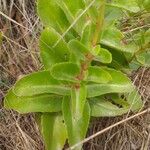
Hylotelephium maximum
Live-forever Sedum · Tallest stonecrop · Erect Stonecrop · Sedum matrona · Giant Sedum
Description
Source: leafsnapHylotelephium maximum, commonly known as stonecrop or showy stonecrop, is a perennial succulent plant belonging to the family Crassulaceae. Native to North America, this plant thrives in rocky areas, cliffs, and open woods. It can grow up to 2 feet tall and is characterized by its thick stems and fleshy, blue-green leaves. These leaves are arranged in a rosette pattern at the base of the stem, becoming smaller as they ascend. In late summer or early fall, Hylotelephium maximum produces clusters of small pink flowers that attract bees and butterflies. These star-shaped flowers, each with five petals, bloom atop tall stems that rise above the foliage. This hardy plant can tolerate drought conditions but prefers well-drained soil with moderate moisture levels. While it thrives in full sun, it can also grow in partial shade. Hylotelephium maximum has several medicinal uses, such as treating wounds, burns, insect bites, and sore throats, due to its antibacterial properties. Overall, Hylotelephium maximum is an attractive perennial succulent suitable for rock gardens or mixed borders. Its showy flowers add vibrant color in late summer, a time when most plants have stopped blooming, making it an excellent choice for garden enthusiasts looking for low-maintenance plants with appealing foliage throughout most of the year.
Care Guide
💧 Water Every 7 days
Orpine flourishes in rocky settings where it receives occasional moisture, and it prefers moderate watering. Watering it once a week helps maintain this balance. When grown outdoors in temperate gardens, orpine benefits from natural rainfall, which supports a healthy growing season.
What do I do if I give my Orpine plant too much or too little water?
Both overwatering and underwatering can harm the health of your Orpine, but overwatering is more common. When the Orpine gets too much water, its stems and leaves may wilt and turn yellow. Overwatering can also cause diseases like root rot, mold, and mildew, which can be lethal for the plant. Underwatering is less likely, as the Orpine can tolerate drought. However, if it does happen, the leaves may become brittle and brown. It's important to notice signs of overwatering early on. Some diseases caused by overwatering, like root rot, may not be fixable if you wait too long. If you see signs of overwatering, reduce your watering schedule and check the soil's drainage. If it doesn't drain well, replace it with a loose, well-draining potting mix. If you notice signs of underwatering, simply water more regularly until the signs go away.
How often should I give water to my Orpine?
If your Orpine plant is in a pot, the most precise way to determine if it needs water is by checking the soil with your finger. If the top two to three inches of soil are dry, it's time to water. The same method can be used if you grow the Orpine outdoors in the ground. Once the first few inches of soil have dried out, it's time to water. Typically, in spring and early fall, watering once a week is sufficient. However, during extremely hot weather, you may need to water twice or more per week. It's important to note that mature, well-established Orpine plants can tolerate drought well.
How should I water my Orpine plant in the best way?
To properly water the Orpine plant, there are a few factors to consider. Firstly, it's important to use filtered water at room temperature. Tap water can contain harmful particles that can negatively affect the plant's health. Secondly, the water should not be too cold as it can shock the Orpine, which is accustomed to a warm environment. Furthermore, it is best to avoid overhead watering as it may cause problems with the foliage. Instead, it is recommended to water the plant by applying filtered room temperature water directly to the soil until it is completely soaked. This method benefits the plant by providing moisture to the roots and aiding their spread through the soil to collect necessary nutrients.
How much water does my Orpine plant require?
To properly water your Orpine, don't hold back on the amount of water you give. Wait until the top two to three inches of soil are dry, then give it a good, thorough watering. Make sure the water completely soaks the soil and drains out through the bottom holes of the pot. If no excess water drains out, you haven't watered enough. However, be careful not to let water accumulate in the soil, as this can harm the plant. If the water isn't draining well, it could mean the soil isn't draining properly, which is bad for the plant's health. If the plant is outdoors, it should receive about 1 inch of rain per week, which will be enough.
How should I give water to my Orpine at different stages of growth?
The water needs of the Orpine can vary depending on different growth stages. For instance, when your Orpine is young or recently transplanted, it requires more water than usual. During these stages, the plant focuses its energy on developing new roots that will provide support for future growth. These roots need additional moisture compared to a more mature phase. As your Orpine progresses over a few seasons, it will require less water. Additionally, the bloom period is another stage that may necessitate increased watering. Flower development consumes a significant amount of moisture, so you may need to provide more water to your Orpine at this time.
☀️ Light Full sun
Orpine does best when exposed to plentiful sunlight, preferring unobstructed sun for vigorous growth. It is adapted to strong light in its native environments. Therefore, insufficient sun results in poor growth. However, too much sun can damage its health.
What are the sunlight requirements for Orpine?
Orpine requires generous amounts of sunlight to flourish, preferring full, uninhibited exposure for vigorous development. The plant adapts well to intense sunlight from its native environments, which is crucial for its growth. It is important to ensure that Orpine receives more than 6 hours of sunlight for 'full sun' conditions and about 3-6 hours for 'partial sun' conditions. Monitoring the movement of sunlight through your garden and choosing locations that offer an ideal balance of light and shade is essential for maintaining the health and happiness of your plants.
What are the essentials for growing Orpine?
Growing Orpine successfully involves ensuring it gets generous amounts of solar illumination. Lack of sunlight can result in poor growth, while too much direct exposure might harm the plant. For indoor plants that cannot receive enough natural light, especially in winter or less sunny spaces, artificial lighting becomes essential. LED lights are recommended due to their ability to offer customized wavelengths, with full sun plants requiring 30-50W/sq ft, partial sun plants 20-30W/sq ft, and full shade plants 10-20W/sq ft of artificial light. The light source should be placed 12-36 inches above the plant, mimicking natural sunlight as closely as possible, and kept on for 8-12 hours per day to promote healthy growth.
What are the symptoms of insufficient light in Orpine?
When Orpine doesn't receive adequate sunlight, it may exhibit several symptoms indicating light deficiency. These symptoms include new leaves growing smaller in size, leggy or sparse growth due to longer spaces between leaves or stems, faster leaf drop as the plant tries to conserve resources, and slower or no new growth as the plant enters a survival mode. Additionally, insufficient sunlight can lead to lighter-colored new leaves and chlorosis, where leaves lose their green color. Excessive sunlight, on the other hand, can cause symptoms like sunscald, leaf curling, wilting, and leaf scorching.
How can you improve the light conditions for Orpine?
To improve the light conditions for Orpine, especially if the plant is showing signs of light deficiency or overexposure, consider the following strategies: For indoor plants, gradually move them to sunnier locations to receive at least 6 hours of direct sunlight daily, utilize south-facing windows for maximum sunlight, and supplement with artificial lighting if necessary. For outdoor plants, move them gradually to sunnier locations to avoid sunburn, ensuring they adapt to changes in light intensity. Minimize obstructions like trees by pruning, and for smaller plants, consider transplanting during their dormant period to areas with ample sunlight and good drainage. Remember, parts of the plant affected by insufficient sunlight may not recover, but increasing light exposure can ensure new growth is healthy.
🌡️ Temperature 5–35°C
Orpine is adapted to a range of temperatures, coming from climates that commonly fluctuate between 41 to 95 °F (5 to 35 ℃). To reproduce these conditions, change temperatures with the seasons—lower them in winter and raise them in summer.
What temperatures can Orpine plants tolerate?
Orpine plants are accustomed to a wide range of temperatures, thriving in conditions that fluctuate between 41 to 95 °F (5 to 35 °C). They are quite adaptable, coming from climates with significant temperature changes throughout the seasons. In the colder months, Orpine plants demonstrate strong cold resistance, usually not requiring special frost protection. However, if temperatures are expected to drop below -30°C, it’s crucial to take measures to protect them, such as covering the plant with soil or straw. Additionally, watering the plant abundantly before the first freeze of autumn is recommended to keep the soil moist, which helps prevent drought stress during the winter and early spring months.
How do low temperatures affect Orpine plants and how can you mitigate these effects?
Orpine plants are cold-tolerant and prefer temperatures to remain above 5°C. They can survive winter climates that don't dip below -25°C. However, when temperatures fall below -30°C, the plants may not show immediate damage during winter, but you might notice a decreased sprouting rate or absence of sprouting in spring. To mitigate these effects, in spring, you should remove any parts of the plant that have failed to sprout. This helps the plant recover and preserves its health for the growing season.
What should you do if Orpine experiences high temperatures?
During the summer, it's essential to keep Orpine's environment below 35°C to ensure its well-being. Temperatures exceeding 38°C can lead to the leaves becoming lighter, curling, and the plant may suffer from sunburn or even wilt and dry out in severe cases. To protect and revive your Orpine under such conditions, trim away the sunburned and dried parts of the plant. Moving it to a shaded location or using a shade cloth, especially during the midday and afternoon sun, can significantly help. Additionally, watering the plant in the morning and evening to maintain soil moisture is crucial during high temperature periods.
💨 Humidity
🪴 Soil 6-7
🌱 Fertilizer
For Orpine, light applications of fertilizer once or twice a year during the growing season are enough. Do not fertilize in winter or summer when the plant is dormant. Cut back on fertilizer for repotted plants and wait a couple of months after repotting before you feed them. Fertilizing helps maintain healthy growth and promotes blooms.
🪴 Pot & Repot 2-3 years
Repot orpine every 2-3 years, preferably in the spring. Use a pot that is one size larger and ensures it has good drainage. After repotting, water the plant sparingly and keep it out of direct sunlight until you notice new growth. This helps maintain the health and vigor of your orpine.
✂️ Pruning
Orpine is a hardy succulent known for its fleshy leaves and star-shaped flowers. To keep the plant healthy and attractive, prune it in early spring or after it finishes flowering. This helps remove dead stems, encourages compact growth, and promotes overall vitality. Regular pruning not only enhances the plant's ability to recover and bloom but also improves its aesthetic appeal.
🌿 Propagating
🐛 Diseases & pets
☠️ Toxicity
Characteristics
- Plant Type
- Herb
- Life Cycle
- Perennial
- Genus
- Hylotelephium
- Family
- Crassulaceae
- Hardiness Zone
- 4-9
- Mature Height
- 40 cm
- Mature Spread
- 40 cm
- Leaf Color
- Green, Silver
- Leaf Type
- Deciduous
- Flower Color
- Pink, White
- Flower Size
- 1.02 cm to 2.03 cm
- Bloom Time
- Early summer, Mid summer
- Planting Time
- Spring, Summer, Autumn
- Harvest Time
- Mid summer
- Native Area
- Turkey, Austria, Czech Republic, Slovakia, Croatia, Slovenia, Belarus, Russia, Lithuania, Germany, Italy, Spain, Switzerland, Estonia, Albania, Hungary, Latvia, France