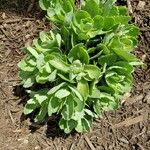
Hylotelephium spectabile
Butterfly stonecrop · Sedum · Showy stonecrop · Iceplant · Butterfly Sedum
Description
Source: leafsnapHylotelephium spectabile (syn. Sedum spectabile) is a species of flowering plant in the stonecrop family Crassulaceae, native to China and Korea. Its common names include showy stonecrop, iceplant, and butterfly stonecrop.
💡 The iceplant's flower color is quite intricate, featuring pink within white and white within pink. Even as its flowers begin to wither in autumn, the iceplant continues to bloom, greeting the season with a vibrant, youthful spirit.
🌳 Showy stonecrop is not just a decorative plant; it serves an important role in ecosystem services. Its dense clusters of flowers offer a valuable nectar source to bees and butterflies late in the season, helping to sustain pollinator populations. Its tough, hardy character also makes it a favored option for xeriscaping—landscaping intended to reduce or eliminate the need for irrigation. Additionally, the plant’s attractive looks and resilience have led to its use in urban green spaces for both aesthetic and environmental benefits.
🎭 Vivacity and youthfulness
Care Guide
💧 Water Every 3 weeks
Showy stonecrop thrives in well-drained soil and can tolerate drought conditions. It requires watering only every three weeks and is low-maintenance. This plant is ideal for outdoor settings, as it flourishes with minimal rainfall. This makes it particularly well-suited for rock gardens and arid landscapes.
What should I do if I give my Showy stonecrop too much or too little water?
Showy stonecrop, like other succulents, can survive without water for long periods of time. However, if you forget to water it for a month or more, you may find your plant looking thirsty or with leaf damage. Signs of underwatering include shriveled, dry, and flat leaves, some of which may have turned brown and crispy or fallen off. The soil will be completely dried out. To remedy underwatering, give the plant plenty of water by submerging the pot in water for 5-10 minutes. Once the soil feels moist, remove any dried out leaves and make room for new growth. Overwatering is dangerous and can be fatal to your Showy stonecrop. Root rot occurs when wet conditions allow fungi and bacteria to thrive, preventing the roots from absorbing nutrients and water. Symptoms of overwatering include yellow, swollen, and translucent leaves that may burst open. If the problem persists, leaves may turn brown or black and fall off easily. Check the soil to confirm overwatering. To save an overwatered plant, remove it from the pot and examine the roots and soil. If the roots are dark brown or black, soft, mushy, or slimy, it may be difficult to save the plant. In this case, remove healthy leaves and propagate a new plant. If only a portion of the roots are affected, use a sterilized cutting tool to remove unhealthy roots and dip the remaining firm, pale roots in fungicide. Repot the plant in fresh, well-draining soil. While recovery is not guaranteed, the Showy stonecrop will likely have new growth in the next growing season.
How regularly should I water my Showy stonecrop?
Determining the ideal watering schedule for Showy stonecrop is not an exact science. The easiest way to gauge when to water is by checking the soil's dryness. You can do this by inserting your finger into the pot or using a moisture meter to assess the soil below the surface. If you have planted it in a deep pot, a stick or chopstick can accomplish the same task. If the soil feels slightly damp, it is best to wait a few days before checking again. Typically, in summer, Showy stonecrop will likely require watering every two weeks, while in winter, watering once a month should suffice. However, keep in mind that certain factors can influence the frequency of watering. Refer to the section below for some considerations that can help you determine the appropriate watering schedule.
What are the things I should think about when watering my Showy stonecrop?
To determine how to properly water your Showy stonecrop, there are a few key environmental factors to consider: container size, soil type, temperature, and humidity. Container size and soil type play a role in how often and how much water your plant needs. It's important to use a container with drainage holes to allow excess water to escape. A small container holds less soil and moisture, requiring more frequent watering. Conversely, a larger container retains water longer and needs less frequent watering. Avoid using an oversized pot, as this can lead to overwatering. When repotting, only move to a slightly larger container, as Showy stonecrops have shallow root systems. The watering frequency also varies with the seasons. Showy stonecrops need less water in winter when growth slows down and the plant requires less energy. Additionally, water loss due to evaporation is reduced in cooler winter air, meaning the soil remains wet for longer periods compared to the summer. The climate of your location also affects watering needs. In humid areas with ample rainfall, watering will be less frequent compared to dry, arid climates. Keep in mind that conditions can fluctuate throughout the year, and indoor heating and air conditioning can further influence watering requirements. If you plant Showy stonecrop in the ground, once it establishes a root system, it typically doesn't require additional watering beyond what it receives through natural precipitation and dew. However, during extended dry periods, you may need to water occasionally. In areas where Showy stonecrop can only be grown in containers, you can move the plant outside during the suitable spring and summer temperatures and bring it back indoors when temperatures drop. Keep in mind that potted Showy stonecrops kept outside generally require more water due to increased sun exposure, even on a shaded porch.
How should I water Showy stonecrop?
When watering Showy stonecrop, it is best to soak it thoroughly and allow it to dry out before watering again. This plant can tolerate some drought, so it's okay to let it get quite dry before watering. It is better to give it too little water than too much. When watering, make sure the whole pot's soil gets soaked by distributing the water around the rim of the planter. The amount of water needed depends on the container size and soil absorption. Allow the water to drain out of the drainage holes and let it sit in the saucer for 20-30 minutes to absorb into the dry soil pockets. Discard any excess water to prevent waterlogging. Bottom-watering is also effective for Showy stonecrop. Place the pot in a saucer of water and let the soil absorb moisture through the drainage holes. You'll know it has enough water when the top layer is moist. This method takes longer but ensures even water distribution. Showy stonecrop's natural habitat is relatively dry, with thorough soil moistening during rain. You can imitate this by bottom-watering when the soil is completely dry. Deep soil bathing is preferable to frequent light watering for Showy stonecrop.
☀️ Light Full sun
Showy stonecrop grows best when provided with plenty of light during the day, though it tolerates some partial shade. Too little light will restrict its growth, and overly intense sun can cause scorching, reflecting its native habitat that receives abundant light.
What are the sunlight requirements for Showy Stonecrop?
Showy Stonecrop requires specific sunlight conditions to thrive. It needs full sun, which is above 6 hours of sunlight daily, for optimal growth. However, it can also tolerate partial sun, about 3-6 hours of sunlight daily. It's essential to observe how sunlight moves through your garden to find spots that offer the right balance of light and shade, ensuring your plants stay happy and healthy. The warning about watching sunlight movements suggests that gardeners should carefully choose the planting locations to provide their plants with the best possible growing conditions.
How do Showy Stonecrops react to different lighting conditions?
Showy Stonecrops thrive best under generous amounts of light throughout the day but can tolerate semi-shaded conditions as well. In their natural habitat, they are accustomed to abundant light, which is crucial for their growth. However, insufficient light can impede their growth, while excessive direct exposure might lead to scorching. When natural sunlight is not enough, especially during winter or in less sunny spaces, artificial lighting could be a beneficial solution. For indoor plants, LED lights are recommended, providing 30-50W/sq ft for full sun plants, 20-30W/sq ft for partial sun plants, and 10-20W/sq ft for full shade plants. The artificial lights should be placed 12-36 inches above the plant to mimic natural sunlight and be left on for 8-12 hours per day to support the most plants' needs.
What are the symptoms of light deficiency in Showy Stonecrops?
When Showy Stonecrops do not receive adequate light, they might exhibit several symptoms indicating light deficiency. These include lighter-colored or pale new leaves due to a lack of chlorophyll, leggy or sparse growth with increased space between leaves or stems, early leaf drop to conserve resources, chlorosis or yellowing of leaves, sunscald marked by pale or bleached areas on tissues, leaf curling as a defense against excessive sunlight, wilting from loss of turgor pressure, and leaf scorching featured by brown, crispy edges on leaves. These symptoms highlight the plant's struggle to adapt to suboptimal lighting conditions.
What are the solutions for light deficiency in Showy Stonecrops?
Addressing light deficiency in Showy Stonecrops involves a few strategic actions. For indoor plants, gradually move them to sunnier locations where they can receive at least 6 hours of direct sunlight daily. If the plant is too large or not easily movable, consider supporting it with at least 8 hours of artificial light daily using a desk lamp, ceiling lamp, or professional grow lights. For outdoor plants, it's crucial to adopt a gradual process of moving them to sunnier spots each week to avoid sunburn. If sunlight is obstructed, for smaller plants, observe and remove any obstructions like branches or leaves, or consider transplanting during the plant's dormant period to a location with better sunlight and drainage. It's important to note that parts of the plant affected by insufficient sunlight may not recover, but new growth should be healthy following these adjustments.
🌡️ Temperature 0–35°C
Showy stonecrop grows well in its native habitat where temperatures range from 0 to 35 ℃ (32 to 95 ℉). During the growing season it favors warmth between 20 and 25 ℃ (68 and 77 ℉), though it can withstand cool mornings down to 10 ℃ (50 ℉). In winter it copes with lower temperatures by going dormant.
What is the ideal growing temperature for Showy Stonecrop?
The Showy Stonecrop thrives in a warm temperature range between 20 to 25°C (68 to 77°F) during its growing season, but it can tolerate cool morning temperatures as low as 10°C (50°F). Though it prefers these warmer conditions, it is capable of adjusting to colder temperatures in the winter by entering a dormant state. For optimal growth, ensuring the environment remains within this temperature range is crucial.
How should Showy Stonecrop be cared for in winter?
During the winter, when outdoor temperatures drop below -30°C, the Showy Stonecrop should be moved indoors for cultivation to protect it from extreme cold. It's best placed near a south-facing window to maximize sunlight exposure. Should natural light be insufficient, supplemental lighting may be used. Watering should be reduced or ceased altogether to prevent root rot as the plant's growth slows down with temperatures falling below 0°C. For those grown outdoors, stopping watering completely during colder temperatures is advisable. If necessary, consider insulation methods such as setting up a temporary greenhouse or using plastic film or fabric to wrap the plant.
What are the symptoms and solutions for Showy Stonecrop exposed to low temperatures?
Showy Stonecrop is not tolerant of low temperatures and exhibits its best growth above 0°C. Exposure to temperatures below -35°C can lead to the plant becoming weak, wilting, and susceptible to root rot. Mild frost damage may not show immediate symptoms, but affected plants will gradually wither over a week. To manage frost damage, trim off frostbitten areas, check for and remove rotted roots, and propagate through cuttings if necessary. Moving the plant to a warmer indoor location near a south-facing window for ample sunlight, or using supplemental lighting, can help in recovery.
How should Showy Stonecrop be managed in high temperatures?
During summer, it's important to keep Showy Stonecrop below 35°C as temperatures above 38°C halt its growth and lead to water loss, wilting, and increased susceptibility to sunburn. The solution involves removing sunburned and rotten parts of the plant, shielding it from afternoon sunlight until it recovers, and refraining from watering plants with root rot until new roots emerge. This care helps the plant recover and resume growth.
What is Showy Stonecrop's botanical name?
The botanical name of Showy Stonecrop is Hylotelephium spectabile. This information is useful for those interested in researching more about the plant's specific care requirements and characteristics.
💨 Humidity dry (<40%)
This plant prefers dry conditions, so don't mist it. However, watering it less often can also thrive in higher humidity.
🪴 Soil 6-7
🌱 Fertilizer
The Showy stonecrop only requires light applications of fertilizer 1-2 times annually during its growth phase. Refrain from fertilizing during winter and summer, as the plant is in a dormant state. After repotting, decrease the amount of fertilizer and hold off on fertilizing for a few months. The use of fertilizers promotes robust growth and stimulates flowering.
Why should I add fertilizer to my Showy stonecrop?
Applying plant food to Showy stonecrop during the growing season supports healthy growth and encourages blooms. This is important because, although Showy stonecrop does store water and nutrients, additional fertilization adds nutrients to the growing medium and promotes the production of beautiful flowers.
When should I fertilize my Showy stonecrop?
Showy stonecrop, like other plants, can benefit from extra nutrients, but it only requires a small amount of fertilizer during the growing season. You should fertilize it 1-2 times a year. It is recommended to fertilize your Showy stonecrop in the spring and autumn, rather than in the winter or summer when it becomes dormant. When dealing with repotted plants, be cautious and use less fertilizer. It's a good practice to wait a few months after repotting before starting to apply fertilizer.
When should I not fertilize my Showy stonecrop?
Showy stonecrop, like other plants, goes through a dormancy period where it stops growing. During this period in summer and winter, it's best to avoid fertilizing the plant. It is also advisable to withhold fertilizer for a few months after repotting in the spring.
What fertilizer should I use for my Showy stonecrop?
When fertilizing Showy stonecrop, it is recommended to use a liquid plant food specifically made for succulents and cacti. Remember to dilute the fertilizer by mixing it with equal parts water. This will prevent the fertilizer from accumulating in the soil. Apply the diluted fertilizer to the base of the plant and water it generously, making sure any surplus moisture drains from the container or seeps into the ground.
How do I make my Showy stonecrop plant grow better?
To fertilize Showy stonecrop, you have two options. Liquid plant food is the easier choice, but granules also work. When using liquid plant food, remember to dilute it to half-strength as directed on the packaging. Regardless of the type of plant food you choose, always apply it directly to the soil. If using granules, cover them with a thin layer of soil and water the area.
🪴 Pot & Repot Every 2 years
When repotting Showy stonecrop, choose a pot a bit larger than the current one that drains well. Use a gritty, well-draining succulent or cactus potting mix. Gently lift the plant from its old container, brush off excess soil, and set it in the new pot at the same depth. Hold off watering for a few days to let any root injury heal. Repot in spring or fall and place the plant where it receives bright light.
✂️ Pruning
To keep your showy stonecrop in good shape, it's important to prune it, especially in the spring and fall. Use pruning shears to remove any unnecessary or crowded branches. If you're looking to propagate, cut strong stems with 5-6 leaves. Apply sulfur powder to the cut area and allow it to heal before planting. Make sure to slightly moisten the soil for the cuttings.
🌿 Propagating
🐛 Diseases & pets
☠️ Toxicity
Characteristics
- Plant Type
- Succulent, Herb
- Life Cycle
- Perennial
- Genus
- Hylotelephium
- Family
- Crassulaceae
- Hardiness Zone
- 3-9
- Mature Height
- 30 cm to 61 cm
- Mature Spread
- 30 cm to 46 cm
- Leaf Color
- Green, Blue, Silver
- Leaf Type
- Deciduous
- Flower Color
- Pink
- Flower Size
- 1.02 cm
- Bloom Time
- Mid summer
- Planting Time
- Spring, Summer, Autumn
- Harvest Time
- Late summer, Early fall
- Native Area
- Koppen, South Korea, China