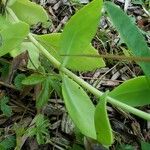
Hylotelephium telephium
Orpine · Garden Stonecrop · Autumn Joy · Ice plant · Live-forever
Description
Source: leafsnapHylotelephium telephium (synonym Sedum telephium), known as orpine, livelong, frog's-stomach, harping Johnny, life-everlasting, live-forever, midsummer-men, Orphan John and witch's moneybags, is a succulent perennial groundcover of the family Crassulaceae native to Eurasia. The flowers are held in dense heads and can be reddish or yellowish-white. A number of cultivars, often with purplish leaves, are grown in gardens as well as hybrids between this species and the related Hylotelephium spectabile (iceplant), especially the popular 'Herbstfreude' ('Autumn Joy'). Occasionally garden plants may escape and naturalise as has happened in parts of North America.
🌳 Many people are unaware that orpine has been investigated as a source of essential oil, which could be used in the fragrance and aromatherapy sectors. Its distinctive aroma indicates commercial potential in niche markets that focus on natural and botanical ingredients.
🎭 Welcome, Tranquility, affection reciprocated.
Care Guide
💧 Water Every 3 weeks
Orpine thrives in well-drained soil and is drought-tolerant, needing water only once every three weeks. It grows well outdoors and benefits from natural rainfall. As a deciduous plant, orpine efficiently stores water, enabling it to sustain itself during its dormant winter phase.
When Should I Water My Orpine?
Proper and timely watering is crucial for the health and development of orpine, influencing its growth, flower production, and disease resistance. To determine when to water the plant, check the soil's moisture level by inserting your finger about 1 to 2 inches into the soil near the plant's base; if it feels dry, it's time to water. Signs such as wilting leaves, darkening or yellowing of leaves, cracked soil, stunted growth, wilting in the late afternoon, bud drop, and the effects of high temperature and sun exposure all indicate the need for watering. Be mindful of early and late watering risks, such as root rot from too much water and stunted growth from too little. Understanding these signs will help manage the watering schedule effectively, promoting the plant's health and vitality.
How Should I Water My Orpine?
Watering orpine effectively involves specific techniques and sensitivities. Bottom-watering, where the plant pot is placed in a tray of water allowing the roots to absorb moisture from the bottom, is highly effective. This method prevents over-saturation of the surface soil and minimizes the risk of fungal diseases by keeping foliage dry. If using a watering can, opt for one with a narrow spout to direct water straight to the base of the plant, avoiding the leaves. These methods ensure the orpine receives adequate hydration without the negative consequences of excess moisture.
How Much Water Does Orpine Really Need?
Orpine, adapted to diverse habitats, has deep roots catering to its watering needs based on various factors such as pot size, root depth, and plant size. Generally, orpine should be watered thoroughly but infrequently, allowing the soil to dry out between waterings. Approximately 1-2 inches of water every 2-3 weeks is recommended, ensuring deep soil penetration. For potted plants, 1-2 cups per plant might suffice. Proper hydration is indicated by firm, plump leaves, while signs of under or over-watering include wilting, drooping, or yellowing leaves. Orpine is resilient, tolerating some drought, but benefits from well-draining soil and morning or early afternoon watering to avoid waterlogged conditions and ensure healthy growth.
What Kind of Water is Best for Orpine?
Orpine is versatile, thriving on rainwater, tap water, distilled, and filtered water. It displays moderate tolerance to chlorine and minimal sensitivity to fluoride, but for optimal health, water should be left to dechlorinate naturally or treated for chlorine evaporation. High fluoride content may adversely affect the plant, so rainwater or neutral pH distilled water could be beneficial in such cases. Orpine prefers water with low mineral content to avoid soil salt buildup. Dechlorinated water with soft characteristics, preferably at room temperature, is ideal for preventing shock to the plant's roots.
How Do Orpine's Watering Needs Change with the Seasons?
Orpine's watering needs fluctuate with the seasons. In spring, it requires more water to support new growth, with soil kept consistently moist yet well-drained. Summer demands increased watering due to higher evaporation rates, with early morning or late evening schedules to reduce water loss. As orpine enters dormancy in autumn, gradually reduce watering but keep the soil slightly moist. In winter, orpine's water needs drop significantly; water just enough to keep the soil barely moist, avoiding overwatering to prevent root damage from cold temperatures.
☀️ Light Full sun
Orpine flourishes in full sun and also adapts well to locations with partial shade. It originally developed in areas that receive abundant sunlight. Insufficient light can impair its growth and development, while excessive exposure may cause sunscald.
What are the sunlight requirements for orpine?
Orpine requires full exposure to the sun, thriving best with over 6 hours of sunlight a day, but it can also adapt to partially shaded areas that receive about 3-6 hours of sunlight. Observing how sunlight moves through your garden is crucial to pick spots offering the right balance of light and shade, ensuring your plants' health and happiness.
How does insufficient sunlight affect orpine growth?
Lack of sufficient sunlight can harm orpine's growth and development, leading to symptoms such as lighter-colored new leaves, leggy or sparse growth, faster leaf drop, chlorosis, sunscald, leaf curling, wilting, and leaf scorching. These conditions suggest deficiencies in chlorophyll and essential nutrients, structural weakness, and issues with photosynthesis.
Can orpine be grown with artificial lighting?
Yes, orpine can grow under artificial lighting, especially when natural sunlight is insufficient. Indoor plants require adequate lighting for optimal growth, with LED lights being a popular choice because they can mimic the specific wavelengths needed by plants. Full sun plants need 30-50W/sq ft, partial sun plants 20-30W/sq ft, and full shade plants 10-20W/sq ft of artificial light. The light source should be placed 12-36 inches above the plant for 8-12 hours per day to mimic natural daylight hours.
What solutions are available for orpine affected by insufficient light?
For indoor orpine plants, gradually moving them to a sunnier spot each week until they receive at least 6 hours of direct sunlight daily is recommended. Use artificial lighting if necessary, keeping a lamp on for at least 8 hours daily or investing in grow lights for adequate light. Outdoors, gradually adjust plants to sunnier locations to avoid sunburn. Reducing obstructions like pruning trees can help, and for ground plants, consider transplanting during their dormant period to a location with better sunlight and drainage. Note that parts of the plant affected by light deficiency may not recover, but new growth should be healthy with improved light exposure.
🌡️ Temperature 5–35°C
Orpine is a temperate, woody plant that prefers a temperature range of 41 to 95 ℉ (5 to 35 ℃). Its native habitat features moderately cool temperatures and well-draining soils. To accommodate seasonal changes, make slight temperature adjustments between seasons.
What is the ideal temperature range for growing Orpine?
Orpine thrives in a temperature range of 41 to 95°F (5 to 35°C), favoring moderately cool temperatures with well-draining soils. This temperate woody plant is heat-loving and tends to enter a dormant state during the winter. To ensure its health through different seasons, slight temperature adjustments are recommended. Especially when temperatures drop below -20°C, Orpine should be moved indoors, preferably near a south-facing window to maximize sunlight exposure. Supplemental lighting can be used if natural light is insufficient. Care should be taken to reduce or stop watering when temperatures fall below 5°C to prevent root rot, and outdoor watering should cease in low temperatures. For additional protection, consider setting up a temporary greenhouse or wrapping the plant with insulating materials.
How does Orpine react to low temperatures, and how can I protect it?
Orpine prefers high temperatures and is not tolerant of low temperatures, thriving best above 5°C. During the winter, it should be kept in conditions warmer than -20°C. Exposure to temperatures below -25°C can weaken the plant, causing it to wilt and be prone to root rot. If there is mild frost damage, symptoms might not appear immediately but can lead to gradual withering a week after exposure. To address frost damage, trim off the frostbitten areas and check for root rot. If roots are rotted, trim them off and propagate the plant through cuttings. Immediately move the plant to a warm indoor environment with ample sunlight, such as near a south-facing window, and use supplemental lighting if necessary.
How should I care for Orpine during high temperatures?
During summer, it's crucial to keep Orpine's temperature below 35°C. If temperatures exceed 38°C, the plant will stop growing, lose water, wilt, and is at higher risk of sunburn. To manage this, first remove any sunburned or rotten parts of the plant. Then, protect the plant from direct afternoon sunlight until it recovers and resumes growth. If the plant experiences root rot, halt watering until new roots develop. These steps will help minimize the stress on Orpine during high-temperature periods and encourage healthy growth.
What is the botanic name of Orpine?
The botanic name of Orpine is Hylotelephium telephium. Knowing the botanical name is useful for researching specific care instructions and understanding more about the plant's genus and species, which can provide insights into its needs and how to best cater to them for optimal growth.
💨 Humidity
🪴 Soil 6-7
🌱 Fertilizer
For Orpine, light applications of fertilizer once or twice a year during the growing season are enough. Do not fertilize in winter or summer when the plant is dormant. Cut back on fertilizer for repotted plants and wait a couple of months after repotting before you feed them. Fertilizing helps maintain healthy growth and promotes blooms.
Why should I put fertilizer on my Orpine?
Fertilizing Orpine is important for providing nutrients to the growing medium. While it does store water and nutrients, applying plant food during the growing season helps promote healthy growth. Additionally, fertilizing can stimulate mature specimens to produce blooms in the growing season.
When should I fertilize my Orpine?
Orpine plants require a light dose of fertilizer during their growing season, which should be applied 1-2 times a year. It is recommended to fertilize in the spring and autumn, avoiding winter and summer when the plant is dormant. When repotting, be cautious of using too much fertilizer and consider waiting a few months before applying any.
When should I not add fertilizer to my Orpine?
Orpine, like most plants, goes through a dormancy period. During this time, it is best to avoid applying fertilizer. The plant stops growing both in the summer and winter, so fertilizer should be discontinued then. It's also recommended to hold off on fertilizing for the first few months after repotting in the spring.
What kind of fertilizer does my Orpine plant need?
When fertilizing Orpine, use a liquid plant food specifically made for succulents and cacti. Dilute the fertilizer with water to half-strength to prevent it from accumulating in the soil. Apply the fertilizer at the base of the plant and water it thoroughly, making sure any extra moisture drains out of the container or is absorbed into the ground.
How should I feed my Orpine?
When fertilizing Orpine, liquid plant food is a simpler option, but you can also use granules. Remember to follow the instructions on the packaging and dilute liquid fertilizers to half-strength. Regardless of which type of plant food you choose, always apply it to the soil. After applying granules, cover them with a thin layer of soil and water the plant.
🪴 Pot & Repot Every 2 years
When repotting Orpine, choose a container slightly larger than the current one that provides good drainage. Use a gritty, well-draining succulent or cactus mix. Gently remove the plant from its old pot, brush off excess soil, and set it at the same depth. Wait a few days before watering to allow any root damage to heal. Repot in spring or fall and place it in a brightly lit location.
✂️ Pruning
To maintain the shape of orpine, prune any redundant and dense branches in both the spring and autumn. Use a knife for this task and apply sulfur powder to the cuts to prevent infection. For propagation, cut stems with 5-6 leaves, treat the cut surfaces, and lightly moisten the soil to encourage successful rooting.
🌿 Propagating
🐛 Diseases & pets
☠️ Toxicity
Characteristics
- Plant Type
- Succulent, Herb
- Life Cycle
- Perennial
- Genus
- Hylotelephium
- Family
- Crassulaceae
- Hardiness Zone
- 5-9
- Mature Height
- 20 cm to 91 cm
- Mature Spread
- 30 cm to 49 cm
- Leaf Color
- Green, Gray
- Leaf Type
- Deciduous
- Flower Color
- Pink, Red
- Flower Size
- 1.02 cm
- Bloom Time
- Mid summer
- Planting Time
- Spring, Summer, Autumn
- Harvest Time
- Mid summer, Late summer
- Native Area
- Europe, Asia