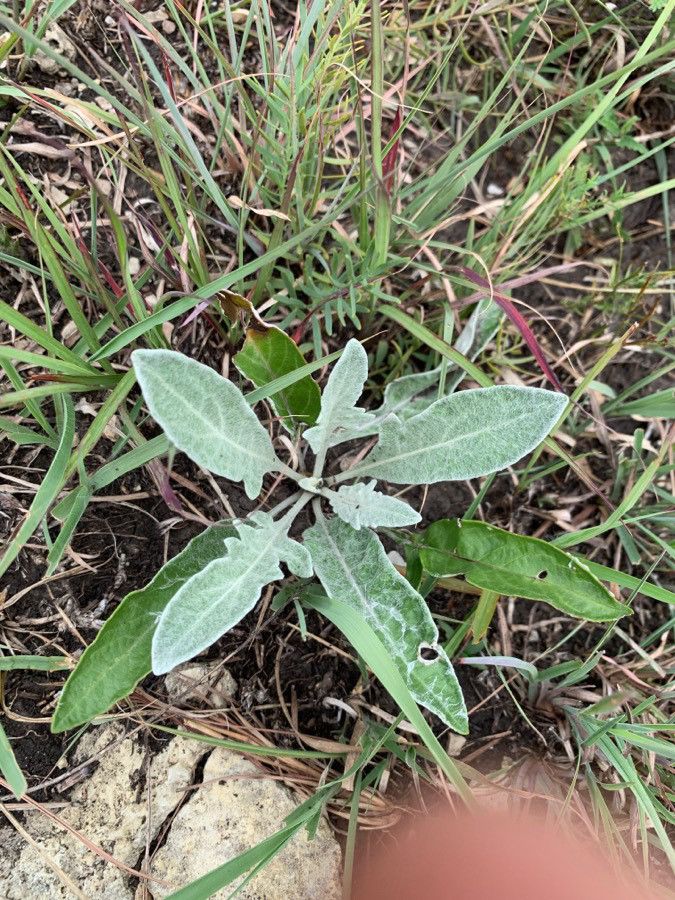
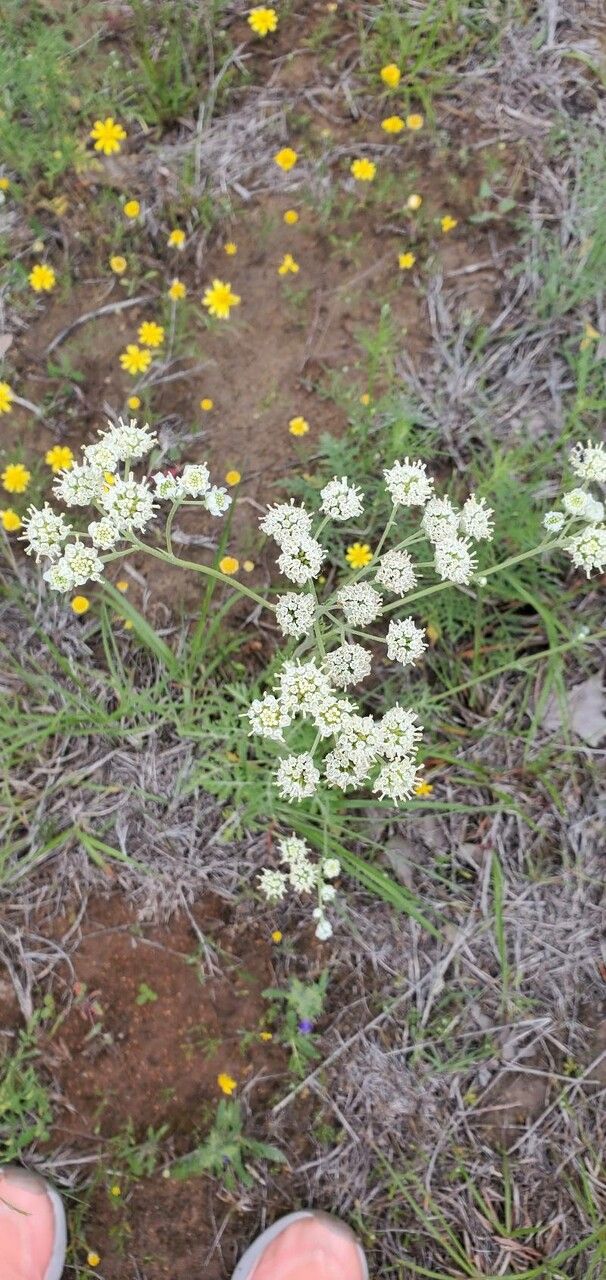
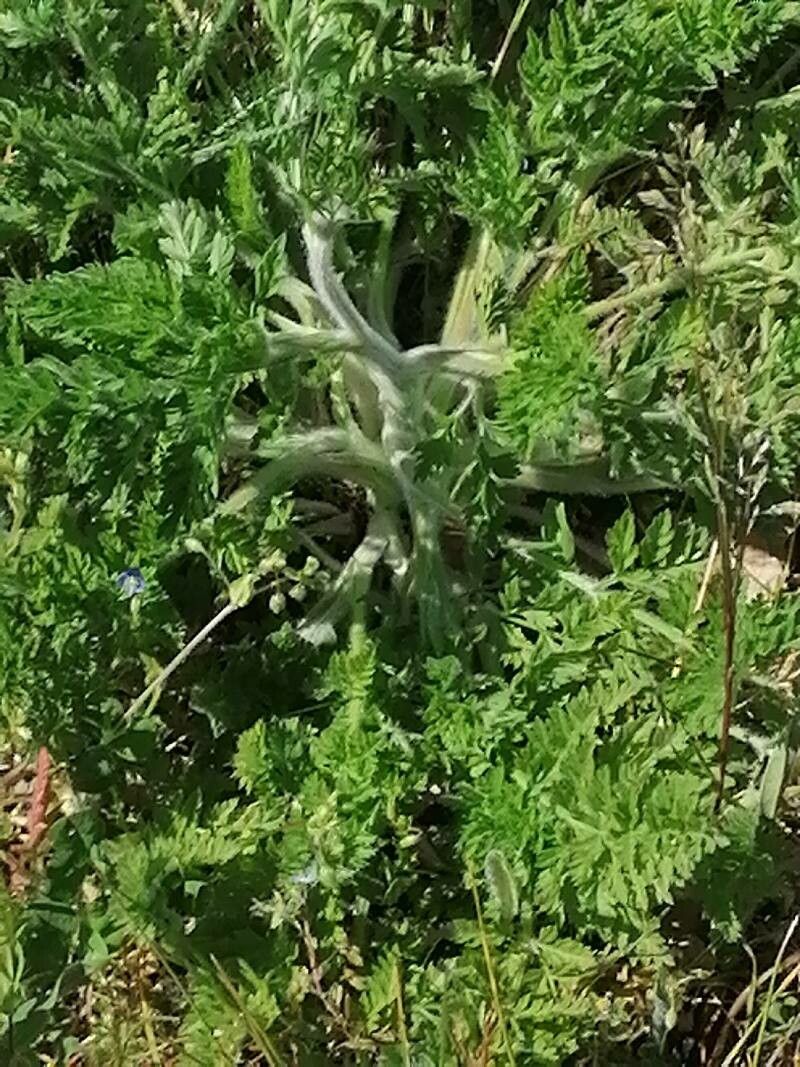
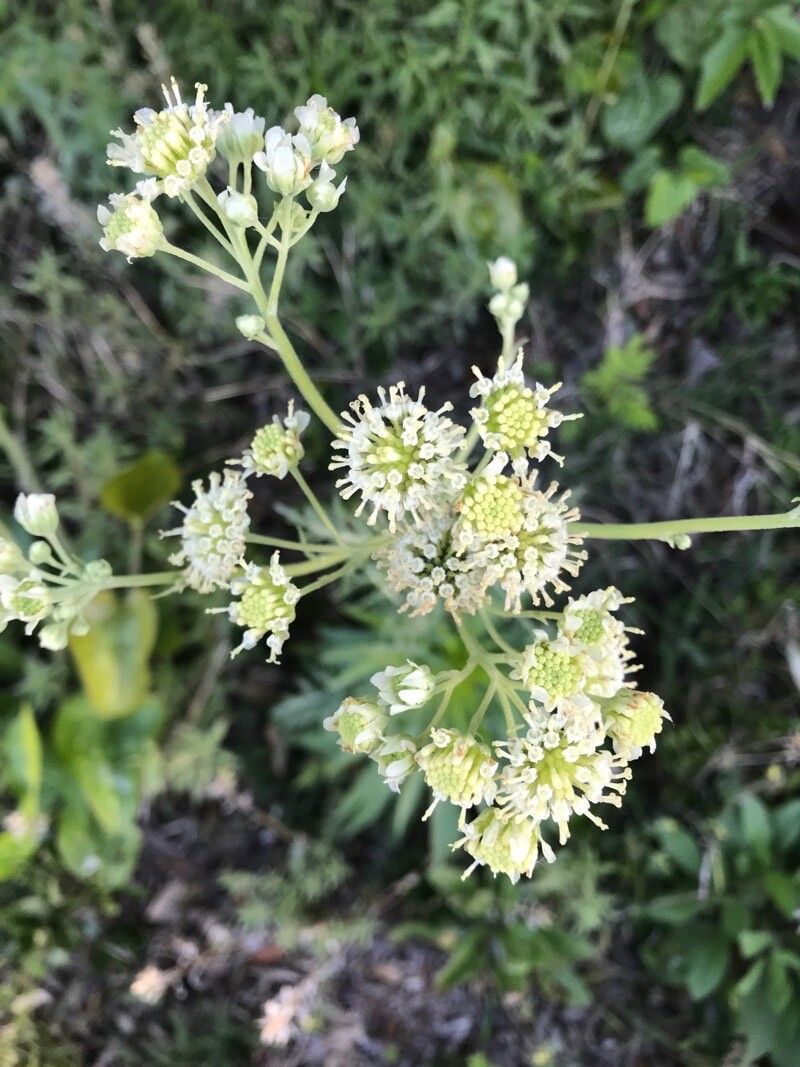
Hymenopappus scabiosaeus, the Carolina woollywhite, is a North American species of flowering plant in the daisy family. It grows in the central and southeastern United States, primarily on the Great Plains an on the Coastal Plain of the Southeast. There are also isolated populations in Illinois and Indiana as well as in the state of Coahuila in northern Mexico.Hymenopappus scabiosaeus is a biennial herb up to 150 cm (5 feet) tall. It produces 20-100 flower heads per stem, each head with 20-80 white disc flowers but no ray flowers. VarietiesHymenopappus scabiosaeus var. corymbosus (Torr. & A.Gray) B.L.Turner - Kansas, Nebraska, Oklahoma, Texas, Coahuila Hymenopappus scabiosaeus var. scabiosaeus - Alabama, Arkansas, Florida, Georgia, Illinois, Indiana, Mississippi, Missouri, Oklahoma, South Carolina
Carolina woollywhite has good disease resistance and is generally not prone to illnesses. However, it may be susceptible to pests and diseases found in its surroundings; these infections are usually not severe. In terms of care, this plant requires medium maintenance. It should be pruned regularly to keep a good appearance and support healthy growth. Fertilizing can also help encourage flowering. Carolina woollywhite is suitable for anyone with an outdoor space, such as a garden or patio, and does not demand extensive care experience. It may require more attention when grown indoors.
How to keep Hymenopappus Scabiosaeus.
Light
Carolina woollywhite grows best with strong, steady light and can tolerate moderate light levels. Native to a predominantly sunny habitat, it needs that amount of exposure for optimal growth. Too much shade can cause stunted growth, while excessive exposure may lead to damage.
Water
The Carolina woollywhite thrives with a balanced moisture level, needing weekly watering. It grows particularly well during rainy seasons, demonstrating its responsiveness to environmental hydration. Although it is not drought-tolerant, it also doesn't do well in high humidity, reflecting the conditions of its native habitat.
Temperature
Carolina woollywhite can tolerate a wide range of temperatures, but its distribution may still be restricted by different combinations of moisture and heat. It does best in warm summer conditions with adequate rainfall or irrigation. Extended periods of cloudy, rainy weather or prolonged high temperatures can raise the chance of Carolina woollywhite dying. In winter, protecting it from cold can improve its survival.
Fertilizer
Carolina woollywhite are regarded as heavy feeders in terms of nutrients. They need frequent, small doses of nitrogen and potassium fertilizers and periodic applications of phosphorus, micronutrients, sulfur, and magnesium to maintain good growth and bright coloration. Continuous fertilization throughout the growing season is required to prevent deficiency symptoms and preserve optimal growth.
Pruning
The Carolina woollywhite is known for its woolly texture and white flowers. To keep it healthy, prune the plant from early to late spring. This will help remove dead stems and spent blooms, encouraging new growth and improved air circulation. Be careful not to over-trim, as this may affect its vibrant blooming season.
Botanical profile.
- Plant Type
- Herb
- Life Cycle
- Biennial
- Genus
- Hymenopappus
- Family
- Asteraceae
- Hardiness Zone
- 5-9
- Mature Height
- 1.52 m
- Mature Spread
- 30 cm
- Leaf Color
- Green, Dark Green
- Leaf Type
- Semi-evergreen
- Flower Color
- White
- Flower Size
- 1.27 cm
- Bloom Time
- Late spring, Early summer, Mid summer
- Planting Time
- Spring, Summer, Autumn
- Harvest Time
- Mid summer, Late summer, Early fall
- Native Area
- Mexico
Other names.
Reader questions.
How should I water my Carolina woollywhite plant?
To properly water the Carolina woollywhite, follow these steps for optimal plant health. It's essential to use filtered water at room temperature as tap water may contain harmful particles. Since the Carolina woollywhite is accustomed to warmer environments, avoid using cold water as it can shock the plant. Additionally, overhead watering should be avoided to prevent foliage issues. Instead, focus on thoroughly saturating the soil with your filtered room temperature water. This method benefits the plant by nourishing the roots, aiding in their spread through the soil, and ensuring the intake of necessary nutrients.
How many hours of sunlight should Carolina woollywhite get each day to grow well?
To ensure optimal growth, the plants should be exposed to a minimum of 6 to 8 hours of sunlight every day. They particularly thrive with increased exposure to morning light, especially during the summer. The Carolina woollywhite specifically requires full sun and benefits from receiving as much sunlight as possible. More sunlight enables these species to efficiently produce food, display stunning blooms, and ultimately thrive.
What should I do if I give my Carolina woollywhite plant too much or too little water?
Overwatering is a more common issue than underwatering for the health of your Carolina woollywhite. When the plant gets too much water, its stems and leaves can wilt, turn yellow, and potentially develop diseases like root rot, mold, and mildew. Underwatering is less likely, but still possible, causing brittle and brown leaves. It's important to notice signs of overwatering early because some diseases may not be fixable if left too long. Reduce watering immediately if you see early signs, and check the soil drainage. Replace poorly draining soil promptly. If signs of underwatering are present, water more regularly until the signs improve.
What kind of sunlight does Carolina woollywhite require?
To optimize the growth of the Carolina woollywhite, it thrives in full sunlight. It is important to avoid overcrowding the plants, ensuring even sun exposure. The leaves require ample sunlight to flourish. If planting in pots, place the herbaceous flowers in windows with direct sun, ensuring they receive full sunlight year-round. The Carolina woollywhite does not thrive in partial or filtered light, as this results in weak stems and unhealthy flowers. Therefore, consistent sun exposure is highly beneficial for its well-being.
How much should I water my Carolina woollywhite plant?
If your Carolina woollywhite plant is in a pot, you can determine if it needs watering by sticking your finger in the soil. If the top two to three inches of soil are dry, it's time to water it. If your plant is growing outdoors in the ground, you can use the same method to test the soil. When the top few inches of soil have dried out, it's time to water. During the spring and early fall, watering once a week is usually enough. In extremely hot weather, you may need to water twice or more per week. However, mature Carolina woollywhite plants that are well-established can tolerate drought well.
Can the sun harm plants? How can the Carolina woollywhite be protected from damage caused by the sun and heat?
The Carolina woollywhite can be damaged by extreme temperatures, especially if it's exposed to many hours of sun when the temperature exceeds 90℉(32℃). It is ideal to provide it with some shade in the afternoon during the summer because the sunlight is stronger and exposure is 50% longer than in the winter. If the Carolina woollywhite becomes too stressed from sunlight, keeping it well-hydrated is important. Water it when the top of the soil is about 2 inches dry and consider moving the plants indoors if it's too hot outside, particularly if they are in containers. While it's normal for the plant leaves to wilt during the day and recover at night, if the Carolina woollywhite is still drooping, it means it is losing water fast and needs to be watered.
How much water does my Carolina woollywhite require?
To water your Carolina woollywhite effectively, don't hold back on the amount of water you provide. Make sure that the top two to three inches of soil are dry before watering and then give it a long, thorough watering. You should aim to soak the soil completely, allowing any excess water to drain out of the pot's drainage holes. If you don't see water flowing out, it means you haven't watered enough, but be careful not to let the water accumulate in the soil, as it can harm the plant. On the other hand, if water isn't draining properly, it could be a sign of poorly draining soil, which is not good for the plant's health. If the plant is outdoors, receiving about 1 inch of rain per week should be sufficient.
Should I keep Carolina woollywhite out of the sun?
The Carolina woollywhite thrives in the sun and actually loves it. Some species of the Carolina woollywhite are heliotropic, meaning they move or grow towards the sun. To allow them maximum sun exposure, it is recommended to plant them in south-facing gardens. However, it's important to note that while the sun benefits these plants, some may be susceptible to sunburn. To prevent this, you can provide protection from the sun, especially in the afternoon and midday, by creating shade using a tree or a wall. It's not possible to grow the Carolina woollywhite in shady areas because the larger flowers require a significant amount of energy to grow and produce. Therefore, it's crucial to provide the right lighting conditions by placing them in an area with full sun for optimal results.
How do I give my Carolina woollywhite different amounts of water as it grows?
The water needs of the Carolina woollywhite plant can change depending on its growth stages. In the first few years of its life or after transplanting to a new location, it will require more water than usual. This is because during these stages, it focuses on developing new roots to support future growth, which need more moisture. However, after a few seasons, the Carolina woollywhite will require less water. Additionally, during the bloom period, the plant may also need more water as flower development requires a significant amount of moisture.
What will happen if Carolina woollywhite doesn't get enough sunlight?
If the Carolina woollywhite does not receive enough sunlight or is not placed in a full sun location, the photosynthetic process will slow down. This lack of sunlight will cause the stems to become thin and long, as they seek more sunlight. In turn, the plant will not bloom or produce seeds in the shade. Additionally, inadequate sunlight can cause the older leaves to die off, resulting in the new leaves being lighter in color and smaller in size compared to the previous growth. While the Carolina woollywhite thrives in the sun, excessive heat and ultraviolet light during the summer months can cause wilting. To prevent scorching, consider covering the plant with a net that provides a green shade, particularly in the summer. When kept indoors, use a fan to help reduce the heat.
How do I water my Carolina woollywhite plant at different times of the year?
The Carolina woollywhite has highest water needs in the hottest months of the year. During summer, watering this plant more than once per week might be necessary depending on how quickly the soil dries. On the other hand, in winter, the plant goes into a dormant phase and requires much less water. In fact, watering may not be necessary at all during winter months. If watered, it should be done no more than once per month. Overwatering during this time increases the risk of the plant getting a disease.
Does the Carolina woollywhite plant require specific sunlight care at various stages of its growth?
The younger Carolina woollywhite plants need more light than adult ones as they are growing. However, they may not be ready for direct sunlight, particularly if they were grown in a nursery. Gradual and slow exposure to light is best for them, as they are more sensitive to the intense summer sun.