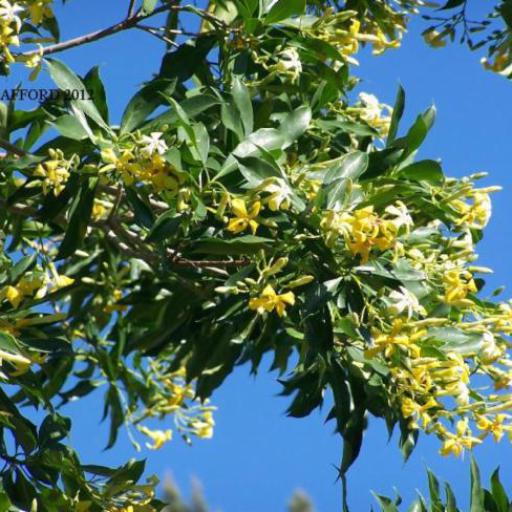
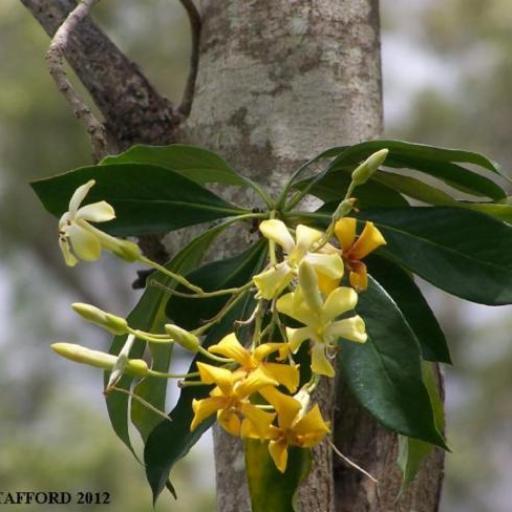
Hymenosporum flavum, or native frangipani, is a rainforest tree which is native to Queensland and New South Wales in Australia and New Guinea. It is the sole species within the genus Hymenosporum, and is closely related to the widespread genus Pittosporum. Despite its common name, it is not closely related to the frangipani. The species epithet flavum is Latin for yellow and indicates its flower colour.
Native frangipani is resistant to disease and is generally not susceptible to illnesses. As for care, this plant is fairly low-maintenance. When grown outdoors it needs only light watering, and larger specimens typically do not require pruning. Smaller plants, however, should be pruned after they have finished flowering. Native frangipani is well suited to anyone with an outdoor area, such as a garden or deck, and does not demand extensive care experience.
How to keep Hymenosporum Flavum.
Light
Native frangipani performs best in a location with abundant, continuous light throughout the day, though it can tolerate moderate light. Its health and growth may decline if the light is either too intense or too scarce. The light conditions in its native habitat reflect this, suggesting an innate preference for that level of light exposure.
Water
The native frangipani, originally from Australia's coastal rainforests, thrives in environments with high humidity and regular rainfall. To maintain the right moisture balance, water the plant every two weeks. It grows well outdoors, and being an evergreen plant, it needs consistent soil moisture throughout the year, even when it's not the growing season.
Temperature
Native frangipani shows good temperature adaptability, tolerating high heat and wide temperature fluctuations. In hot weather, attention should be paid to watering and providing suitable shade to prevent sunburn. However, Native frangipani is relatively sensitive to low temperatures. While it can endure some cold, very low temperatures can cause frost damage.
Fertilizer
Correct timing is important when fertilizing Native frangipani. Apply fertilizer in early spring and continue monthly until early summer. Fertilizer encourages attractive blooms and supplies energy during both dormant and active growth phases.
Pruning
Native frangipani features glossy leaves and fragrant yellow flowers. To maintain its health and appearance, prune the plant from early to late winter. This helps shape the plant, remove damaged growth, and promote flowering. Proper pruning, done with sharp and clean tools, supports the plant's overall health and keeps it looking bushy, while also preventing disease.
Pot & Repot
Repot native frangipani every 2-3 years in the spring to accommodate its taproot. Use well-draining soil and provide consistent watering to support recovery. Ensure the plant receives plenty of sunlight during this time, and remember that patience is essential as the native frangipani adjusts after repotting.
Botanical profile.
- Plant Type
- Tree
- Life Cycle
- Perennial
- Genus
- Hymenosporum
- Family
- Pittosporaceae
- Hardiness Zone
- 9-11
- Mature Height
- 7.92 m
- Mature Spread
- 3.96 m
- Leaf Color
- Green
- Leaf Type
- Evergreen
- Flower Color
- Yellow, Cream
- Flower Size
- 2.54 cm to 5.08 cm
- Bloom Time
- Mid spring, Late spring, Early summer
- Planting Time
- Spring, Summer, Autumn
- Harvest Time
- Mid summer, Late summer, Early fall
Other names.