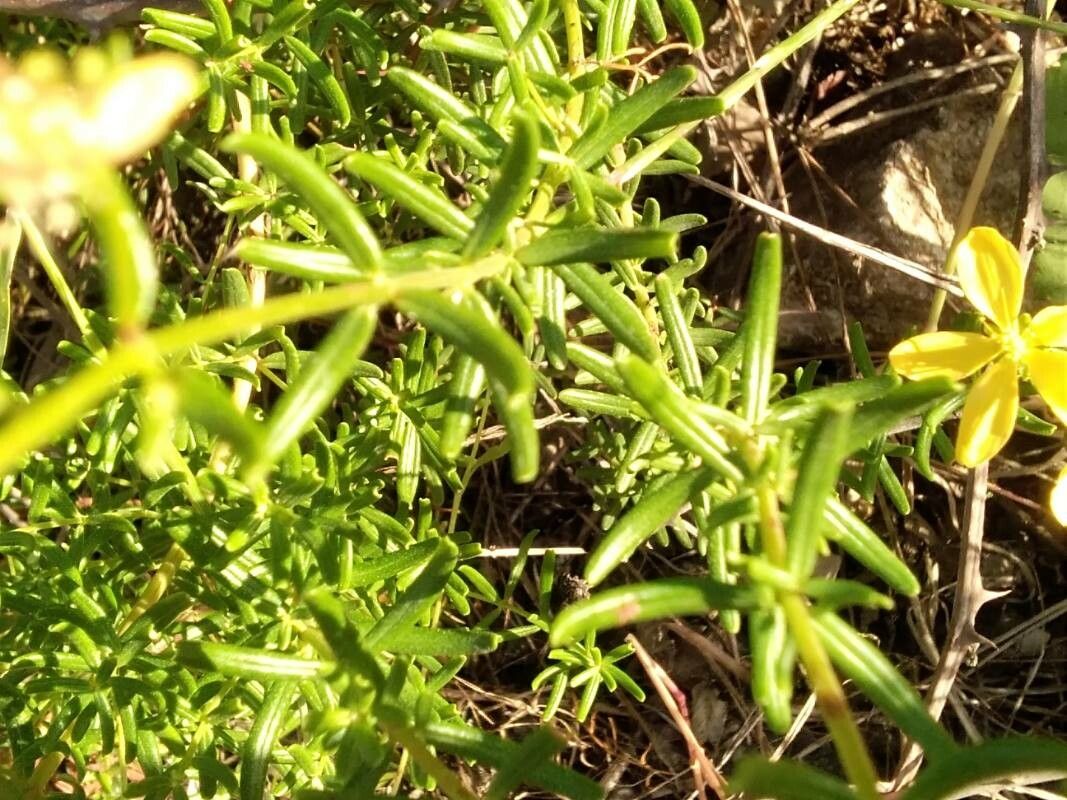
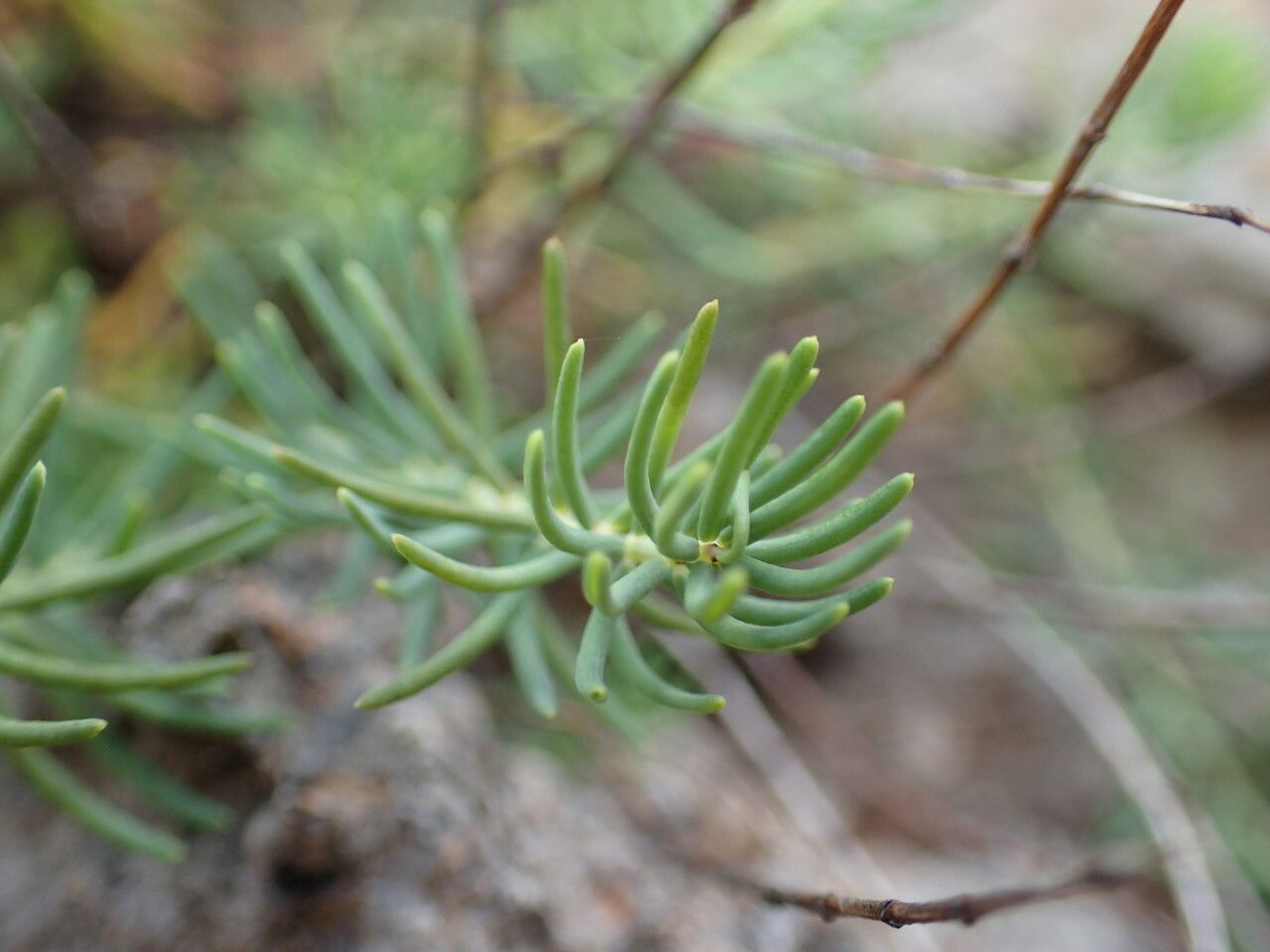
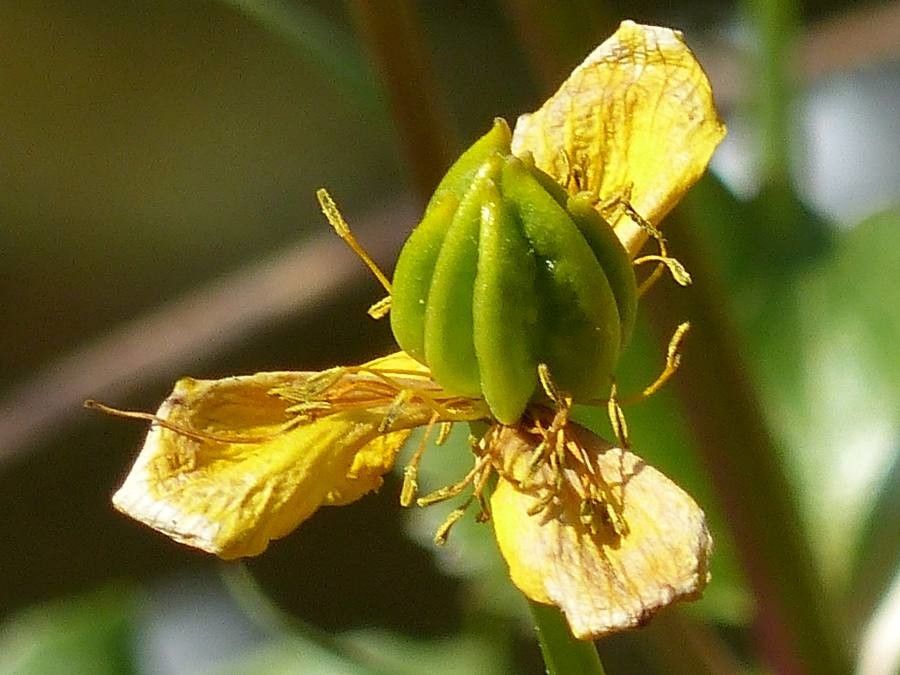
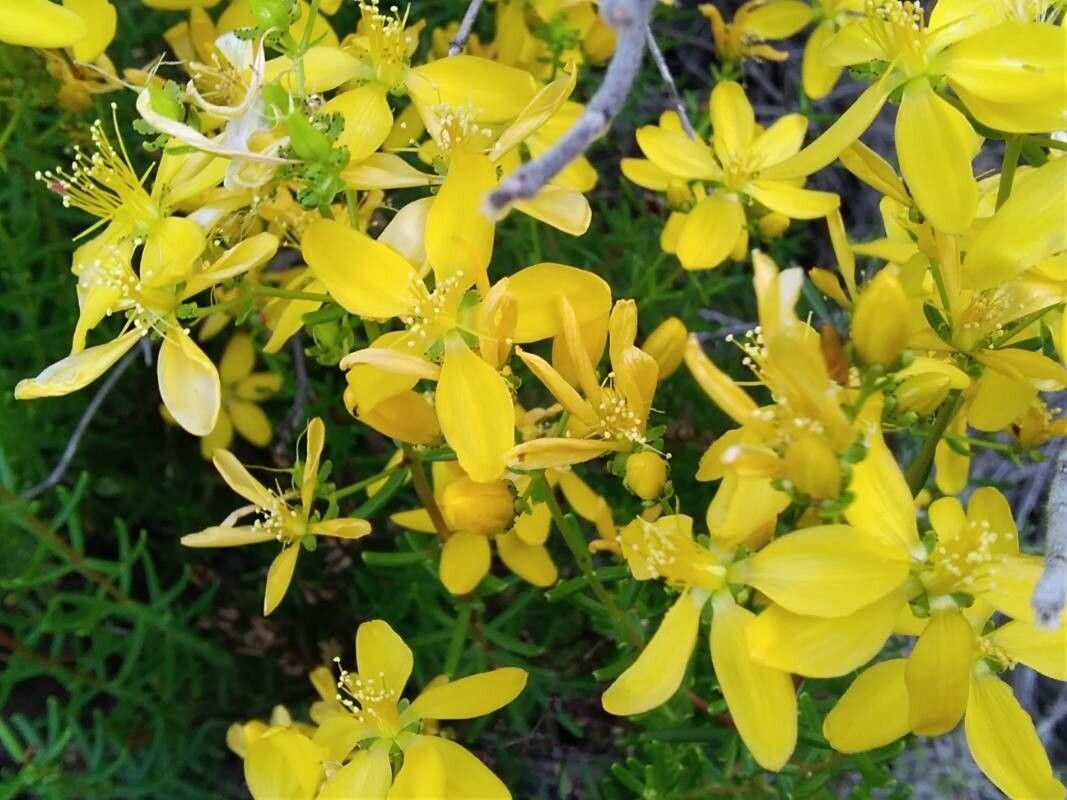
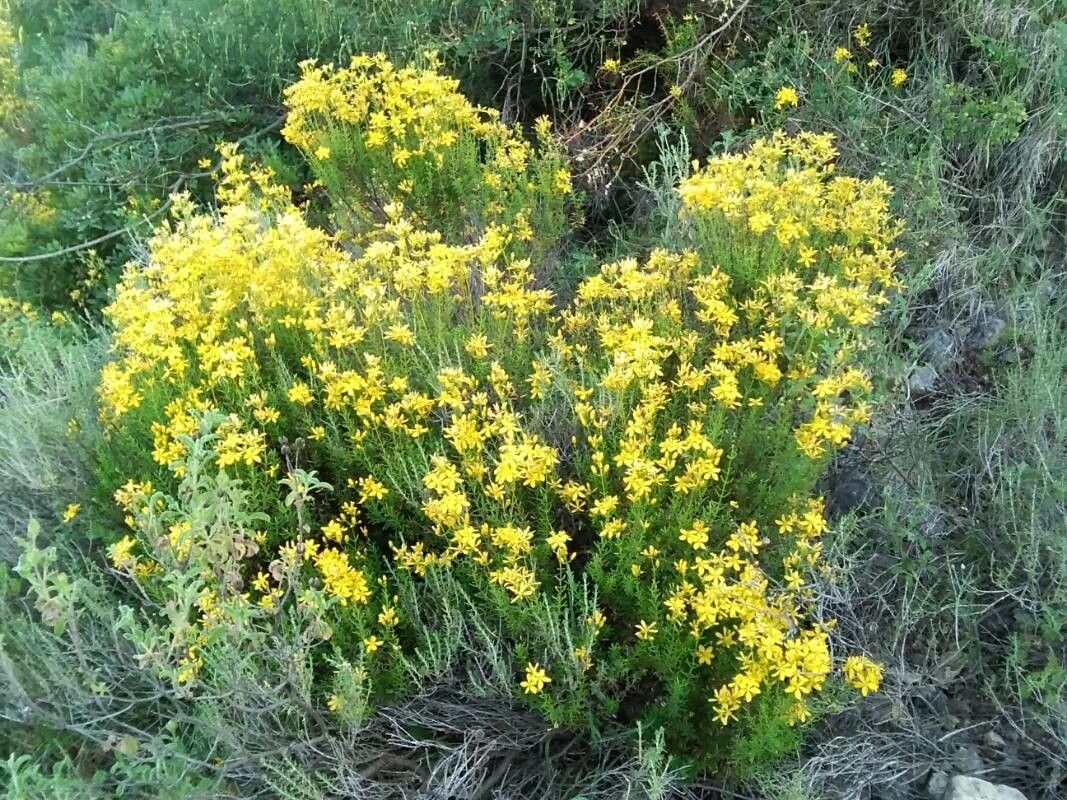
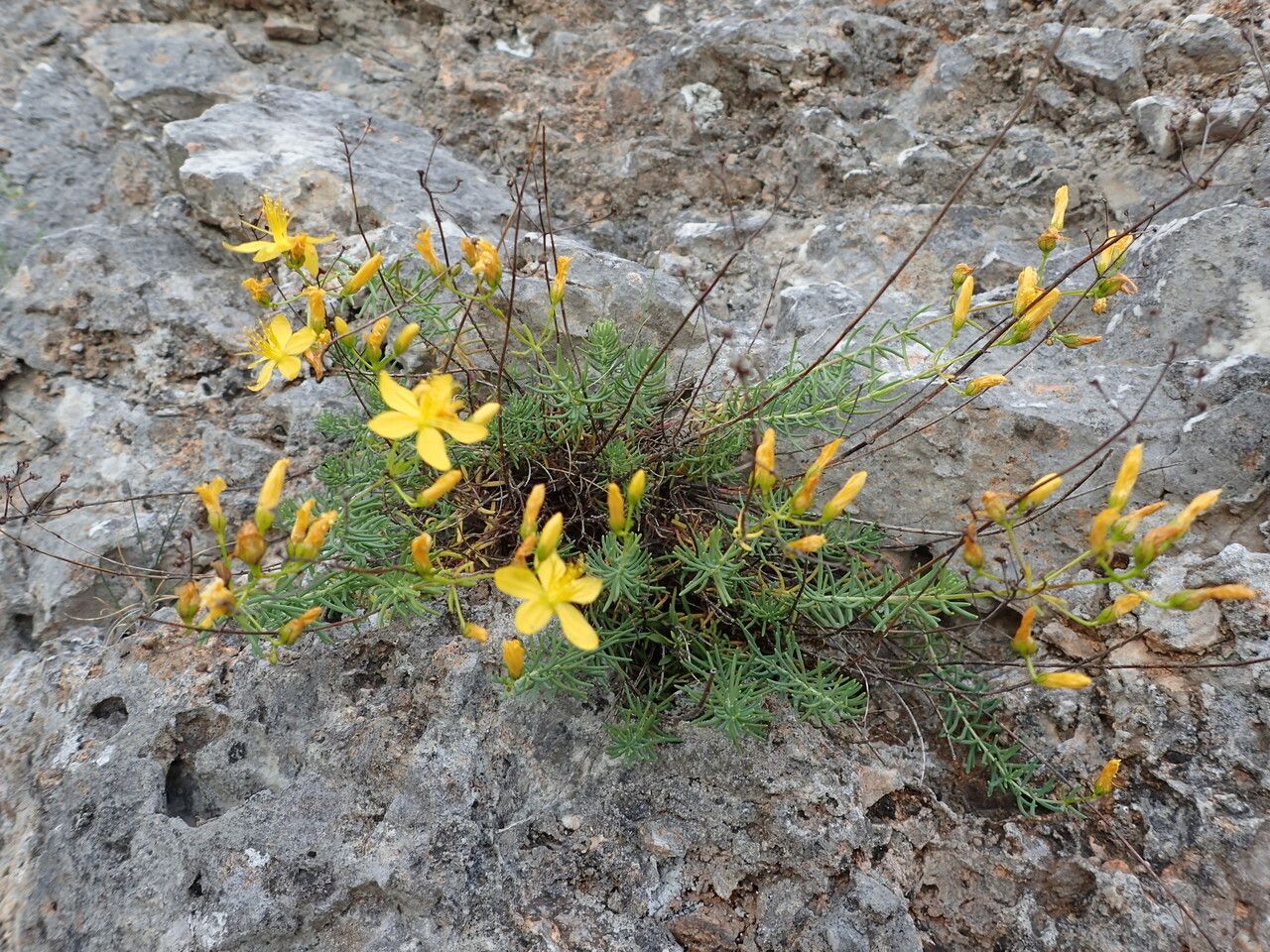
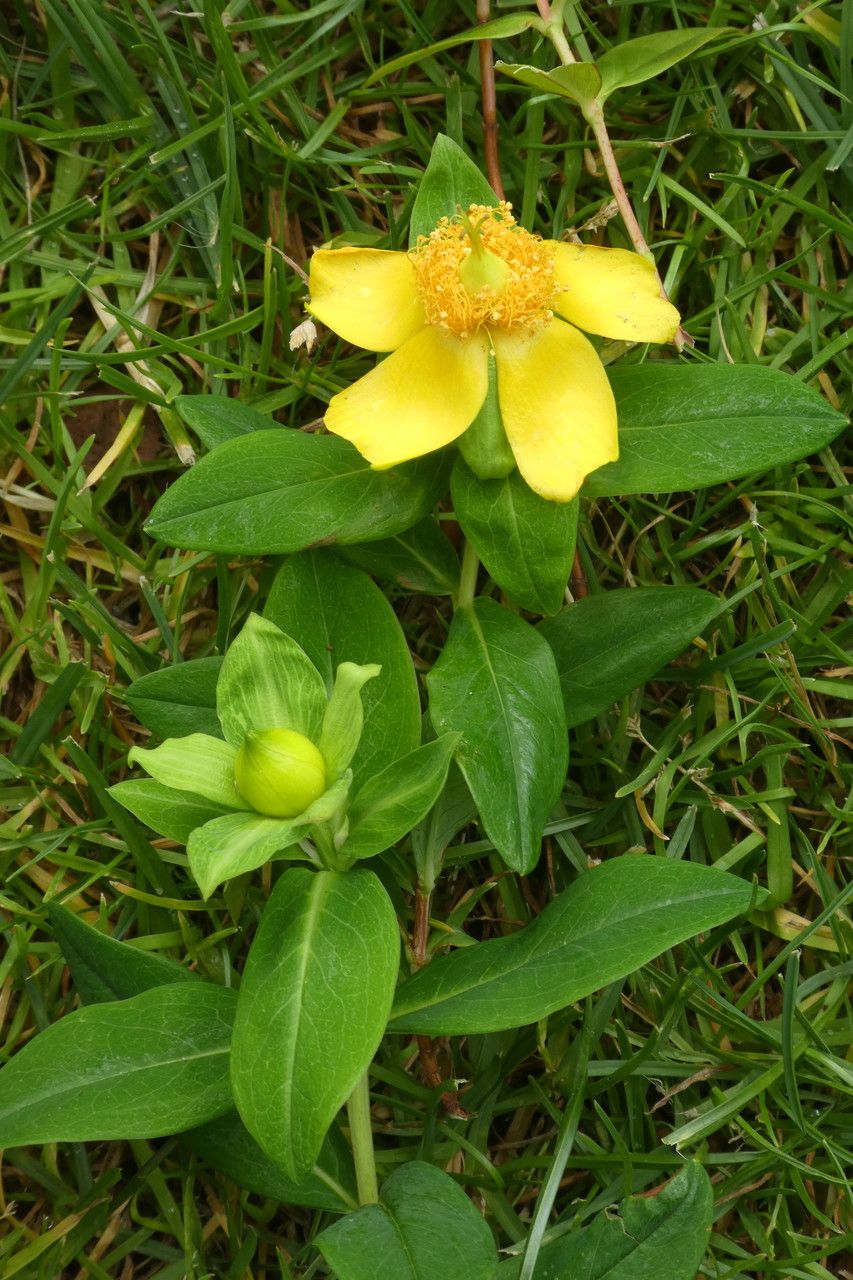
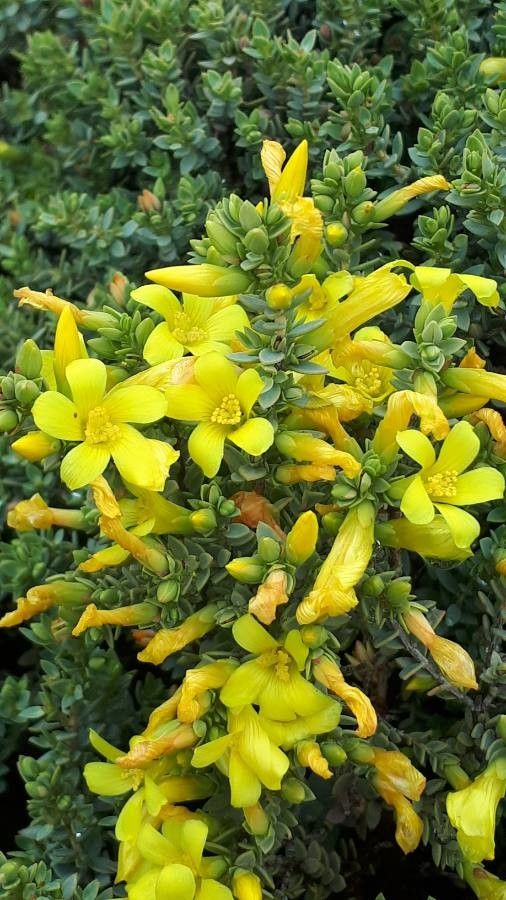
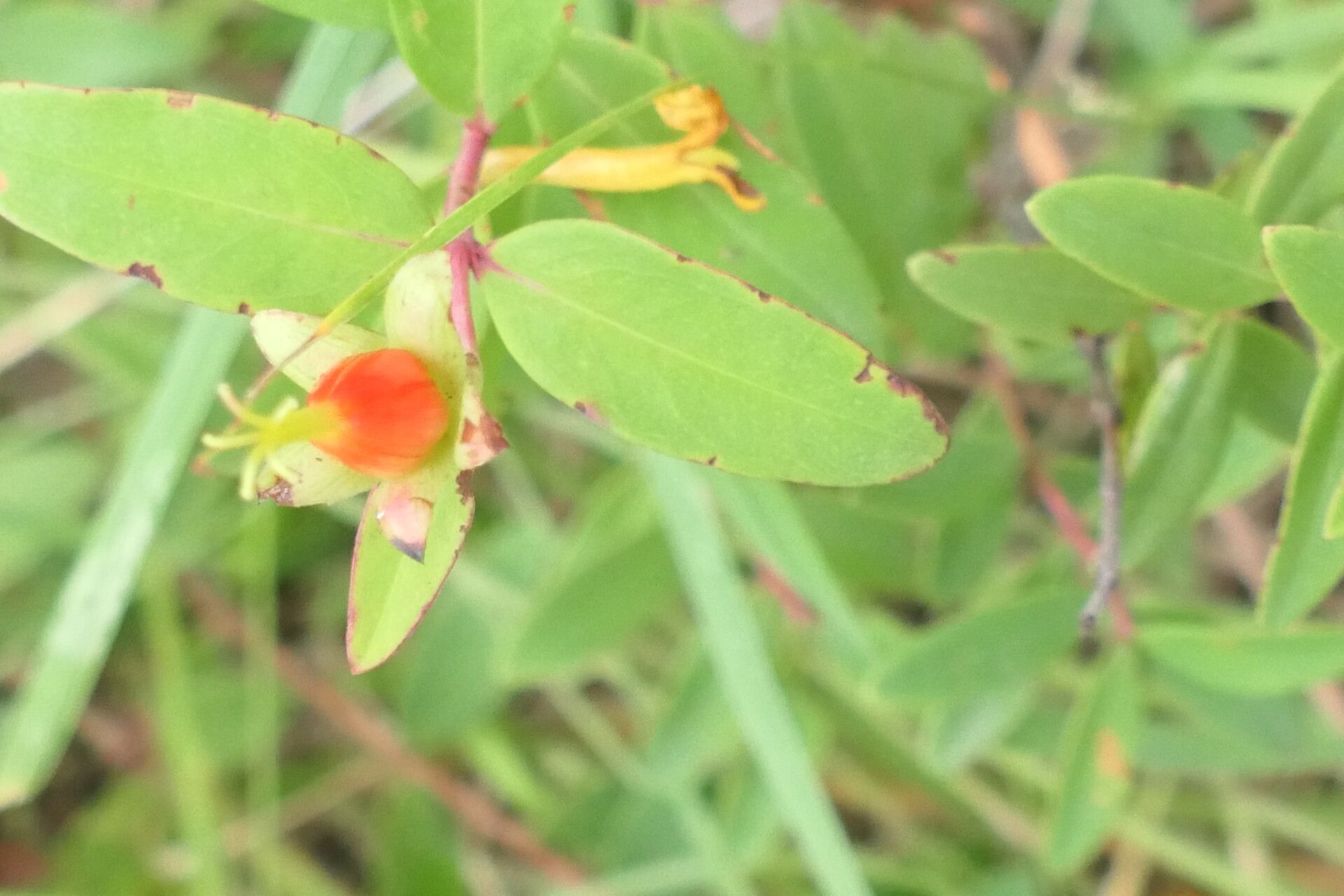
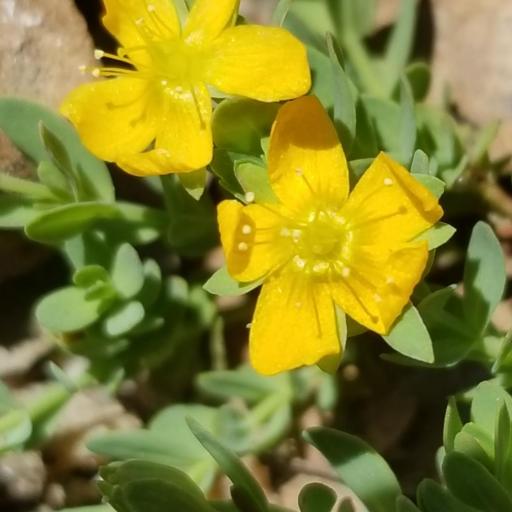
Hypericum coris, the heath-leaved St. John's wort, also called yellow coris, is a species of flowering plant in the family Hypericaceae, and is the type species of sect. Coridium. It is a low shrub, and it is found in Switzerland and northwestern Italy. The species has been a popular garden plant since the 18th century, valued for its long flowering period and for how well it adapts to cultivation.
Heath-leaved St. John's wort shows good resistance to disease and is generally not susceptible to many problems. Regarding care, this plant is fairly low-maintenance. Planted outdoors it needs only light watering, and larger specimens typically do not require pruning. Smaller plants, however, should be pruned after they finish flowering. Heath-leaved St. John's wort is suitable for anyone with an outdoor area, like a garden or a deck, and does not call for extensive plant-care experience.
How to keep Hypericum Coris.
Light
Heath-leaved St. John's wort is native to open habitats, such as sunlit meadows and the edges of forests, where light is plentiful. It thrives in Full Sun but can also tolerate Partial Sun, adapting well to a range of sunlight conditions.
Water
Heath-leaved St. John's Wort is drought-tolerant but cannot survive in waterlogged conditions. During its first year, it needs approximately 25 mm (1 inch) of water each week. Starting in the second year, regular rainfall is usually sufficient. Be careful not to over-water, as this can cause root rot and wilting leaves.
Temperature
Heath-leaved St. John's wort is very adaptable to a wide range of climate conditions, from blistering summers to freezing winters. However, it does have a preferred temperature range for growth. If temperatures become too high, the plant can suffer from heat and humidity stress, which may cause it to die. In locations where temperatures reach the lower edge of its cold tolerance, it is important to apply insulation measures to protect the plant.
Fertilizer
Timing is essential for fertilizing Heath-leaved St. John's wort. Apply fertilizer in early spring and continue monthly until early summer. The fertilizer promotes attractive blooms and supplies energy during both dormant periods and active growth.
Pruning
Heath-leaved St. John's Wort is characterized by its narrow leaves and bright yellow flowers. For optimal growth and blooming, it's best to prune the plant in early spring. Light pruning helps by removing dead stems and maintaining the plant's shape. This improves air circulation, reduces the risk of disease, and rejuvenates older plants, enhancing their vigor and appearance throughout the growing season.
Botanical profile.
- Plant Type
- Shrub
- Life Cycle
- Perennial
- Genus
- Hypericum
- Family
- Hypericaceae
- Hardiness Zone
- 6-9
- Mature Height
- 20 cm
- Mature Spread
- 30 cm
- Leaf Color
- Dark Green
- Leaf Type
- Evergreen
- Flower Color
- Yellow
- Flower Size
- 1.52 cm to 2.54 cm
- Bloom Time
- Summer
- Planting Time
- Spring, Autumn
- Harvest Time
- Early fall, Mid fall
- Native Area
- Italy, Switzerland, France
Other names.