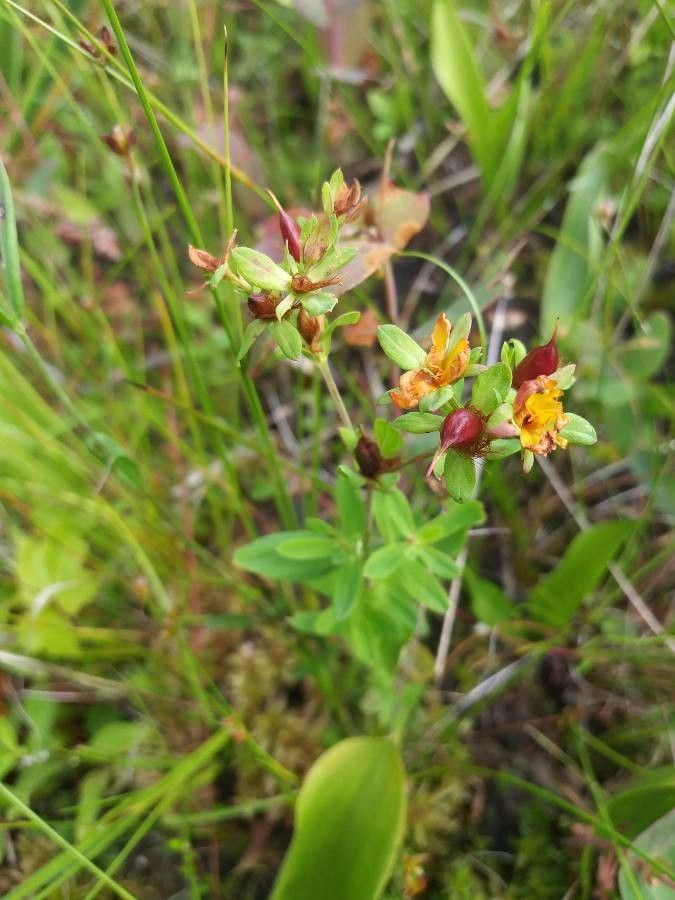
Pale St. John's wort has good disease resistance and is generally unlikely to develop illnesses. However, it can be affected by pests and diseases present in its surroundings; these infections are usually mild. In terms of care, this plant requires a moderate level of maintenance. It should be pruned regularly to maintain a neat appearance and healthy growth. Fertilizing can also help encourage flowering. Pale St. John's wort is suitable for anyone with outdoor space, such as a garden or patio, and does not demand extensive gardening experience. It may need more attention when grown indoors.
How to keep Hypericum Ellipticum.
Light
Pale St. John's wort is a perennial, herbaceous plant that favors sunny, open habitats and is commonly found in meadows and grasslands. It prefers full sun but can also tolerate partial sun.
Water
Pale St. John's Wort is drought-tolerant but cannot thrive in waterlogged soil. In its first year, it needs about 25 mm (1 inch) of water each week. Starting from the second year, rainfall is usually enough to meet its water requirements. Be careful not to overwater, as this can cause root rot and leaf wilt.
Temperature
Pale St. John's wort can tolerate a wide range of temperatures, but its range may still be restricted by particular combinations of moisture and heat. It does best in warm summer conditions with enough rainfall or irrigation. Long stretches of cloudy, rainy weather or sustained high temperatures can increase the chance that Pale St. John's wort will die. In winter, adequate protection from cold can boost the plant's survival chances.
Fertilizer
The best time to apply fertilizer to Pale St. John's wort is in early spring, as it emerges from dormancy and starts active growth. Fertilizing supplies essential nutrients for healthy development. Although Pale St. John's wort has fairly low fertilizer requirements, an annual application can improve its survival and encourage better, longer-lasting blooms.
Pruning
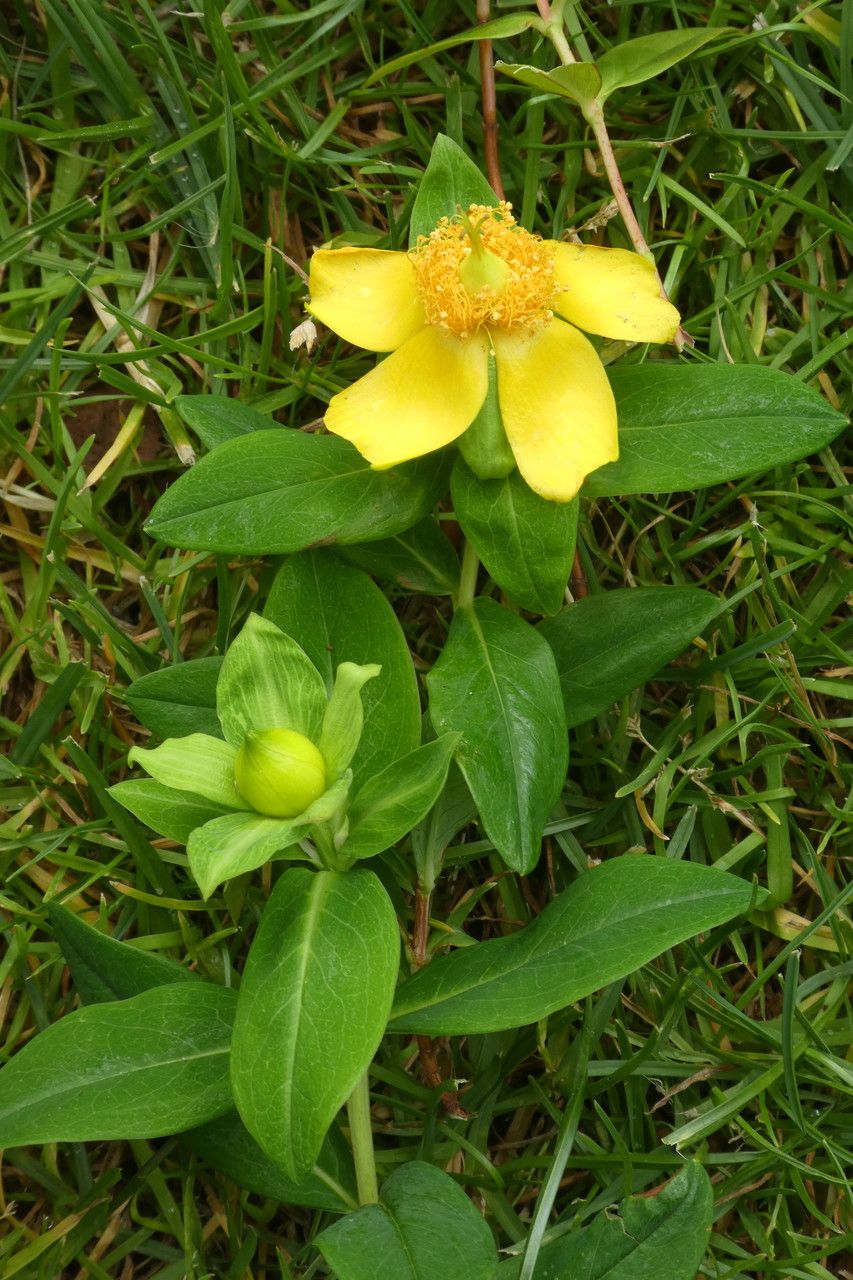
Pale St. John's wort features bright yellow flowers and slender, elliptic leaves. To promote healthy growth, prune it from early to late spring, starting by removing any dead wood. Light pruning improves airflow and light penetration, which helps reduce disease risk and encourages more abundant flowering. For the best results, always use clean, sharp tools.
Botanical profile.
- Plant Type
- Herb
- Life Cycle
- Perennial
- Genus
- Hypericum
- Family
- Hypericaceae
- Hardiness Zone
- 4-9
- Mature Height
- 23 cm to 61 cm
- Mature Spread
- 20 cm to 40 cm
- Leaf Color
- Green, Dark Green
- Leaf Type
- Semi-evergreen
- Flower Color
- Yellow
- Flower Size
- 1.02 cm to 2.03 cm
- Bloom Time
- Summer
- Planting Time
- Spring, Summer, Autumn
- Harvest Time
- Late summer, Early fall, Mid fall
Other names.
Reader questions.
What are the sunlight requirements for Pale St. John's Wort?
Pale St. John's Wort (Hypericum ellipticum) thrives in conditions based on the amount of sunlight it receives daily. For 'Full sun', it requires above 6 hours of sunlight, ensuring it gets ample exposure for healthy growth. Alternatively, 'Partial sun' conditions, about 3-6 hours of sunlight, can also suffice for this plant. It's important to observe the sun's movement through your garden to find spots that offer a harmonious mix of light and shade, creating an ideal environment for your plants to prosper. This consideration will significantly influence the happiness and health of your Pale St. John's Wort.
What is Pale St. John's Wort?
Pale St. John's Wort, known botanically as Hypericum ellipticum, is a plant. Unfortunately, there is no additional information provided regarding its essentials or symptoms.