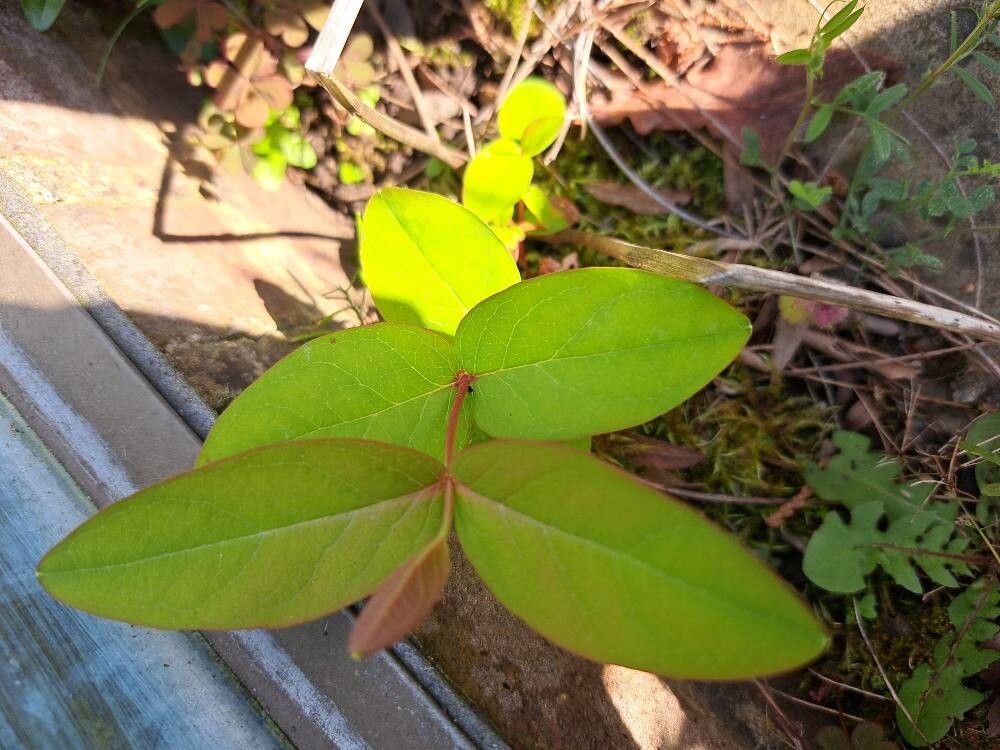
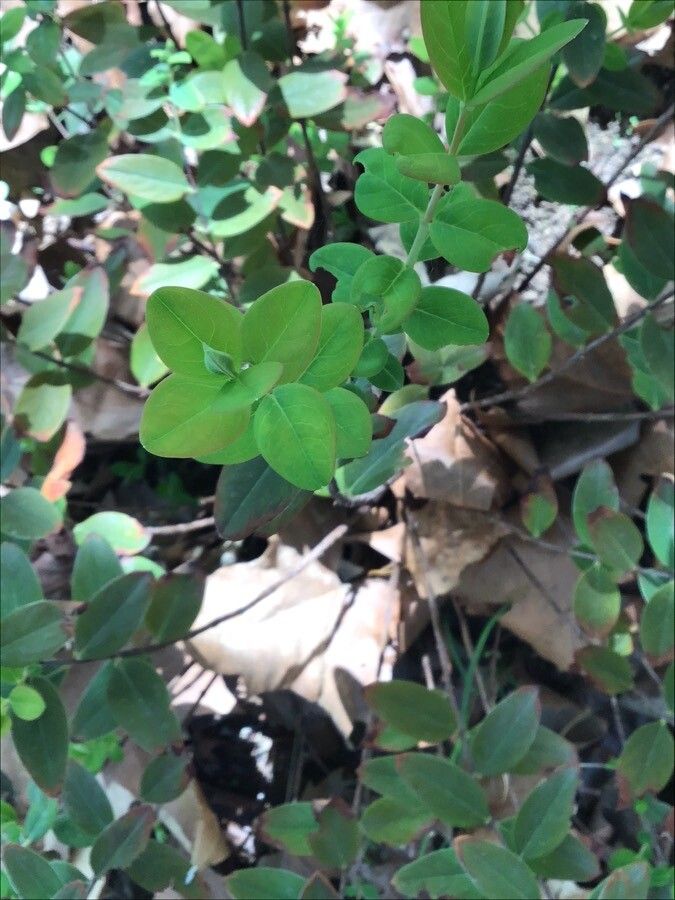
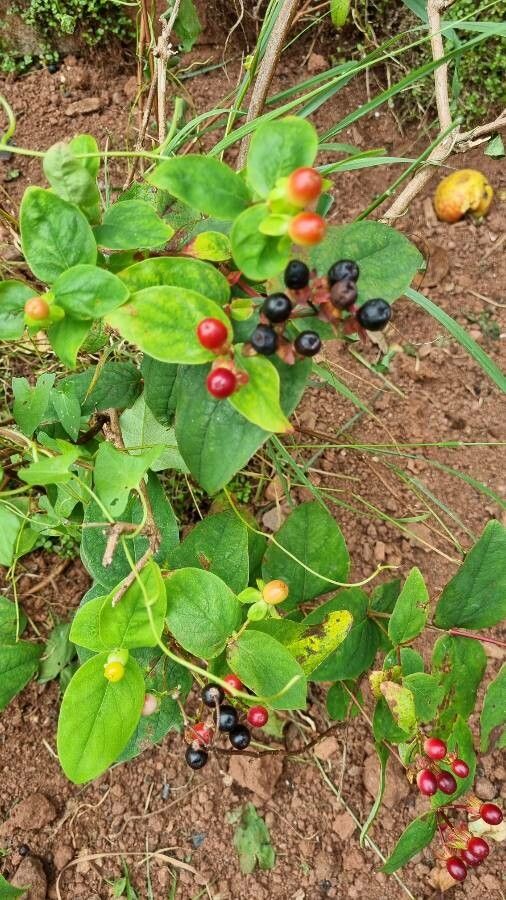
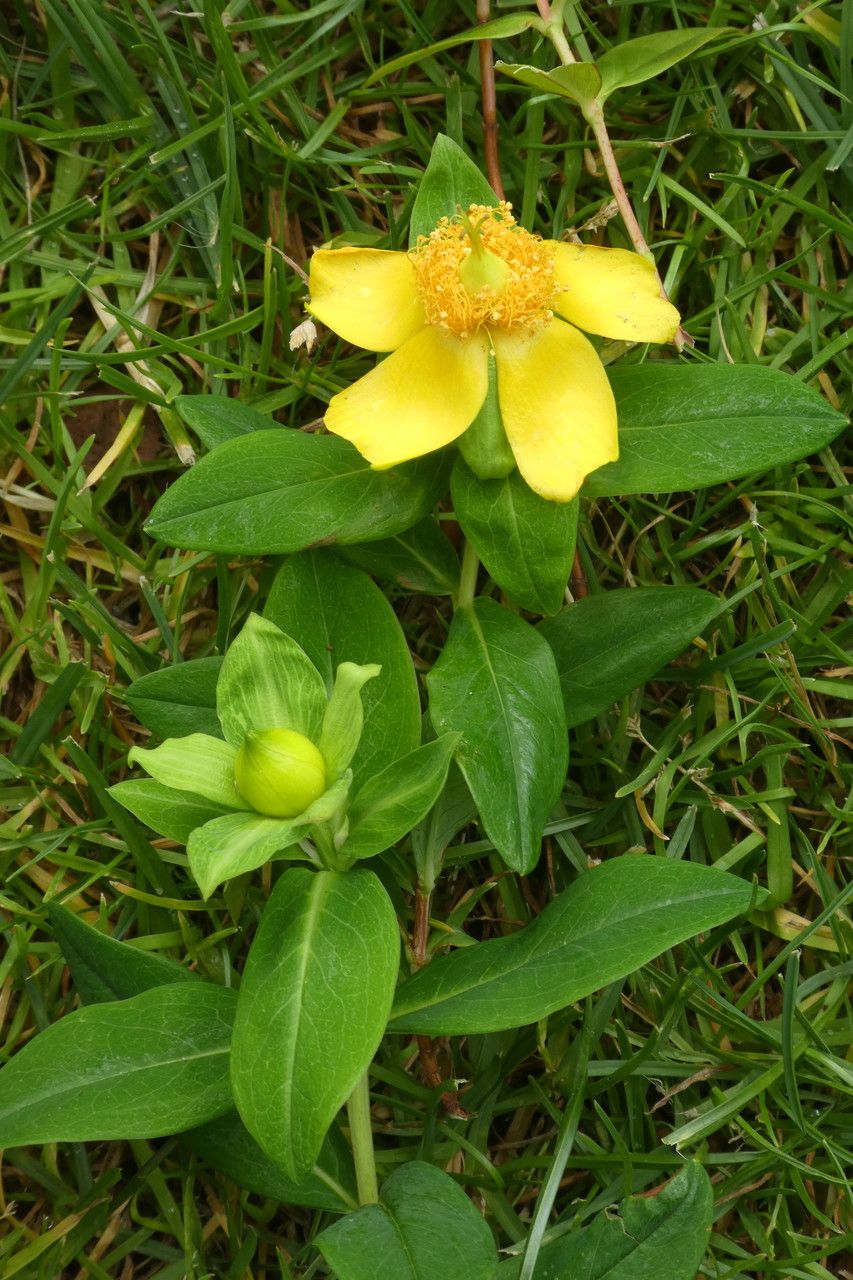
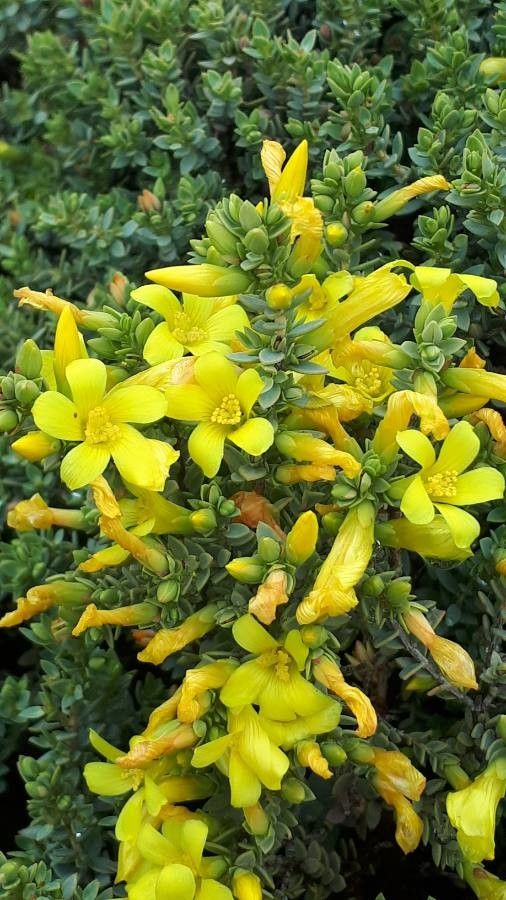
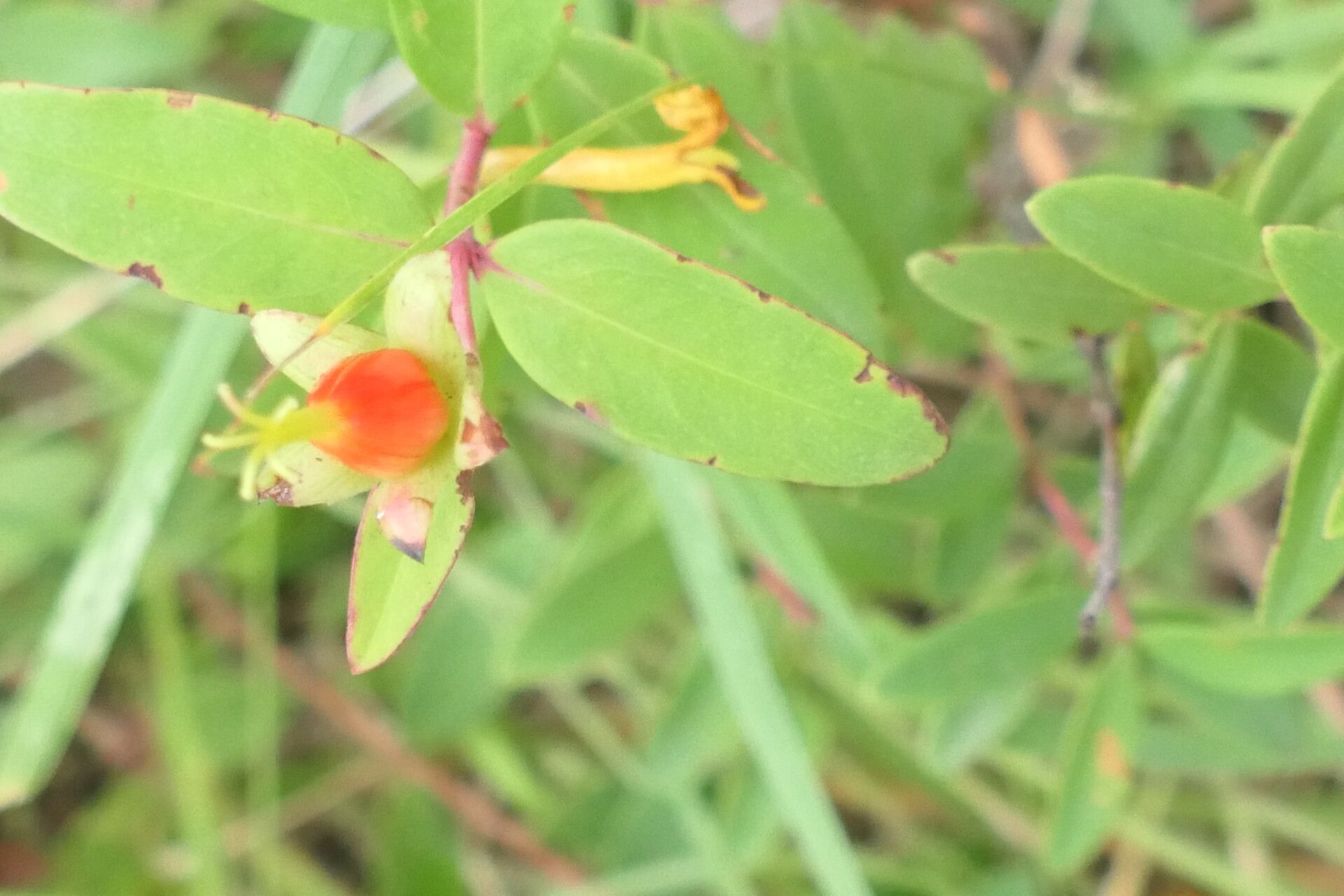
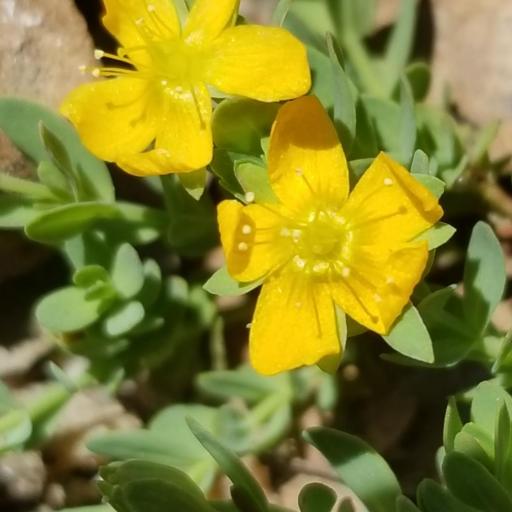
Hypericum forrestii is a species of flowering plant in the family Hypericaceae native to China and Myanmar. It is known as Forrest's tutsan and Forrest's St. John's wort. It was named in honour of the Scottish botanist George Forrest (1873-1932), who was the first westerner to discover it. The species has gained the Royal Horticultural Society's Award of Garden Merit.
Forrest St Johns wort has strong resistance to disease and is generally not prone to illnesses. Regarding care, this plant is relatively low-maintenance. When planted outdoors it requires minimal watering, and larger plants typically do not need pruning. Smaller plants, however, should be pruned after they have bloomed. Forrest St Johns wortt is suitable for anyone with an outdoor space, such as a garden or deck, and does not require much gardening experience.
How to keep Hypericum Forrestii.
Light
Forrest St Johns wort is native to open habitats, such as sunny meadows and forest edges, where it gets plenty of light. It performs best in Full Sun but can tolerate Partial Sun, adapting well to different sunlight conditions.
Water
Forrest St. John's Wort thrives in consistently moist conditions but can endure short periods of dryness. To meet its hydration needs, water it weekly. Although it is commonly found outdoors and benefits from natural rainfall, ensuring adequate moisture, it also displays moderate drought tolerance during its growth cycles.
Temperature
Forrest St Johns wort is native to temperate environments and favors temperatures from 41 to 90 °F (5 to 32 ℃). Seasonal adjustments may be necessary to ensure its optimal growth and survival.
Fertilizer
Timing is essential for fertilizing Forrest St Johns wort. Apply fertilizer in early spring and continue monthly until early summer. Fertilizer encourages attractive blooms and supplies energy during both dormant periods and active growth.
Pruning
Forrest St. John's Wort boasts vibrant yellow flowers and dense foliage. To encourage growth and flowering, prune in early spring to remove dead wood and overcrowded branches. Trimming back last year's growth by one-third helps maintain the plant's size and shape, prevents disease, and enhances its ornamental value.
Botanical profile.
- Plant Type
- Shrub
- Life Cycle
- Perennial
- Genus
- Hypericum
- Family
- Hypericaceae
- Hardiness Zone
- 4-8
- Mature Height
- 1.52 m
- Mature Spread
- 1.52 m
- Leaf Color
- Red, Green, Orange
- Leaf Type
- Evergreen
- Flower Color
- Gold, Yellow
- Flower Size
- 2.54 cm to 6.35 cm
- Bloom Time
- Summer
- Planting Time
- Spring, Summer
- Harvest Time
- Early fall, Mid fall
- Native Area
- Myanmar, China
Other names.
Reader questions.
What are the sunlight requirements for Forrest St John's wort?
Forrest St John's wort, or Hypericum forrestii, thrives in conditions that meet its sunlight requirements precisely. Full sun exposure, defined as receiving above 6 hours of sunlight daily, is vital for its optimal growth and bloom. Alternatively, it can also flourish under partial sun conditions, which entail about 3-6 hours of sunlight each day. It's important to observe the movement of sunlight through your garden to identify spots that offer the right balance of light and shade, ensuring the plant's health and happiness.
What is the optimal temperature range for Forrest St Johns wort?
Forrest St Johns wort, also known by its botanical name Hypericum forrestii, thrives in a temperature range of 41 to 90 °F (5 to 32 °C). Originating from temperate environments, it is essential to adjust its care seasonally to ensure its optimal growth and survival.