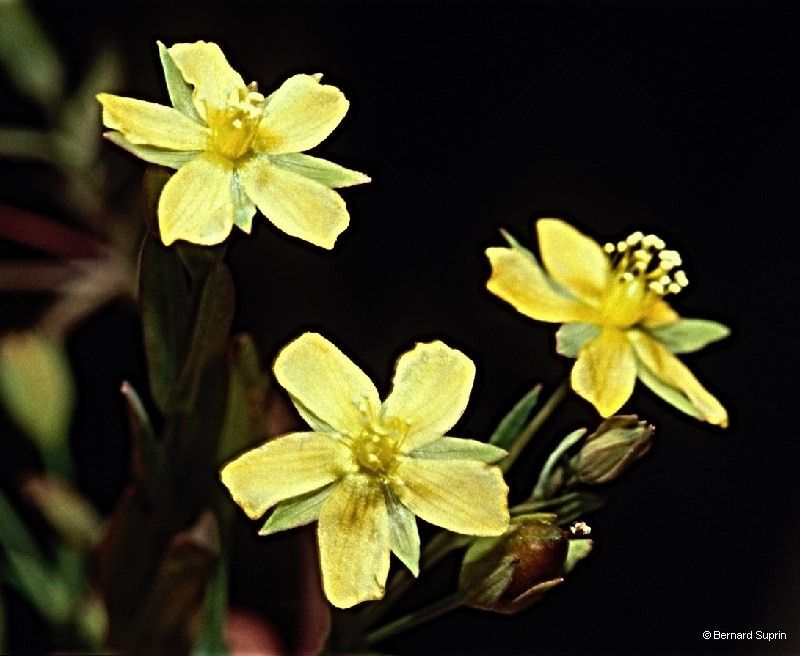
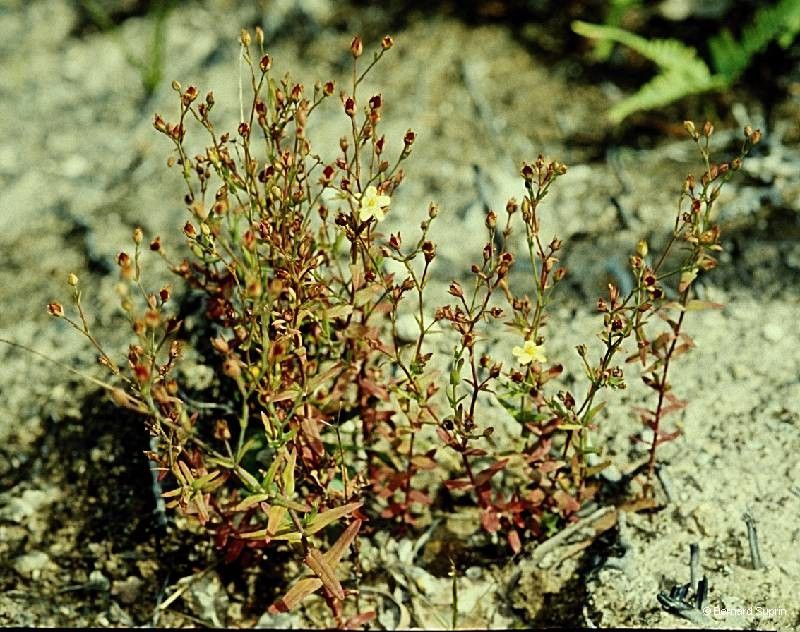
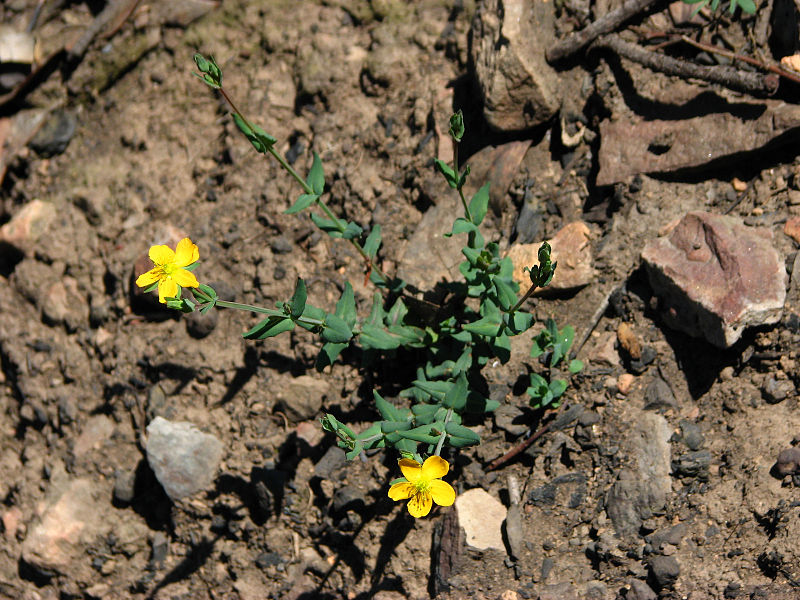
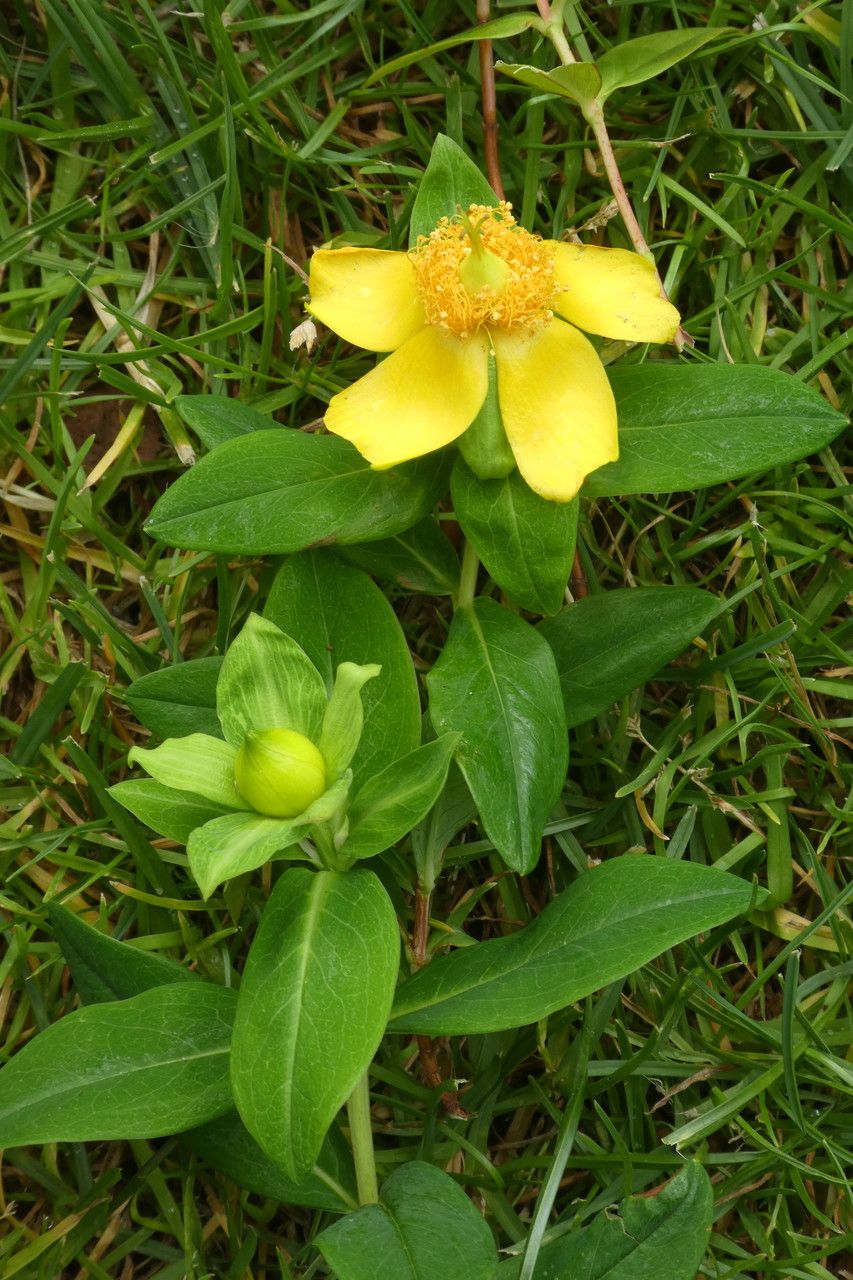
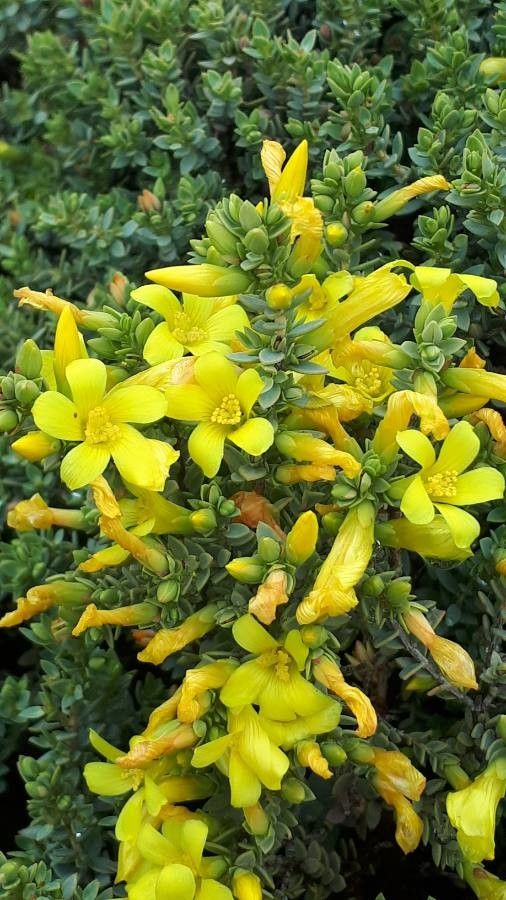
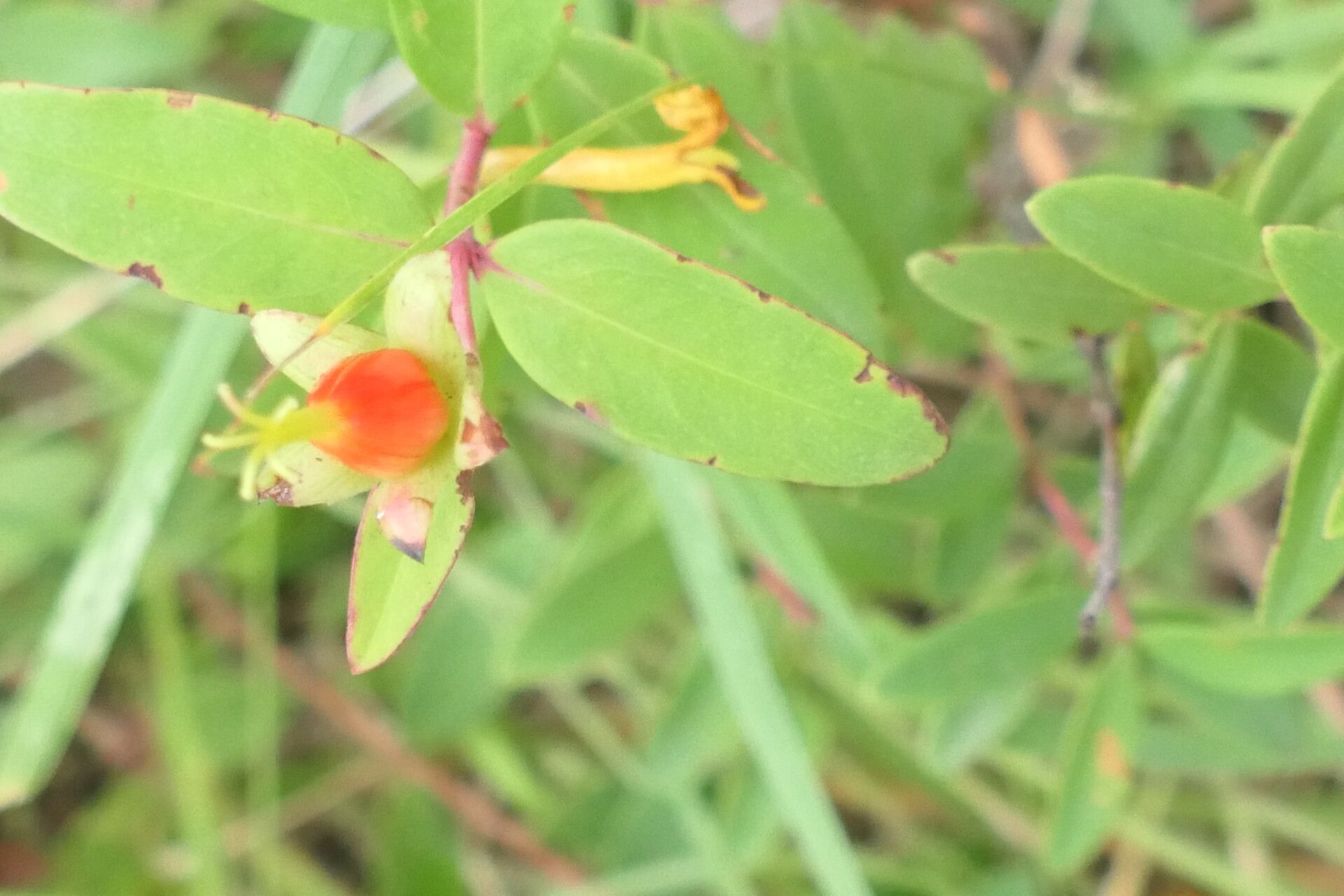
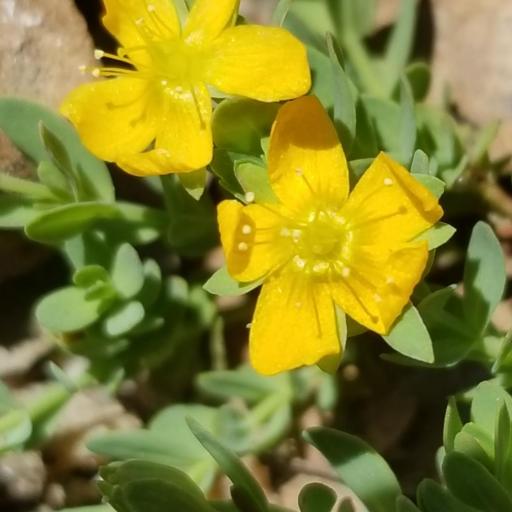
Hypericum gramineum, commonly known as small St. John's wort or grassy St. Johnswort, is species of flowering plant in the St. Johns wort family Hypericaceae. It is found in parts of Southeast Asia, Oceania, and the Pacific.
Small St. John's wort is fairly disease-resistant and typically does not suffer from illnesses. Nevertheless, it can be vulnerable to pests and diseases present in its environment. Such infections are generally mild. Regarding care, this plant needs a moderate level of maintenance. Regular pruning is necessary to keep a tidy appearance and encourage healthy growth. Applying fertilizer can also aid in encouraging blooms. Small St. John's wort is suitable for people with outdoor areas like a garden or patio and does not demand much care experience. When grown indoors, it may need extra attention.
How to keep Hypericum Gramineum.
Water
Small St. John's Wort thrives in conditions with moderate moisture and can endure brief dry periods. It needs balanced hydration, so watering twice a week is ideal to keep the soil moist without oversaturating it. As an evergreen plant, small St. John's Wort requires regular watering to maintain its foliage throughout the year.
Temperature
Small St. John's wort can tolerate a wide range of temperatures, though its distribution may still be restricted by various combinations of moisture and heat. It performs best in warm summer climates with sufficient rainfall or watering. Extended periods of cloudy, rainy weather or long spells of high temperatures can raise the chance of Small St. John's wort dying. In winter, adequate protection from cold improves the plant's survival rate.
Fertilizer
When Small St. John's wort has opened most of its flowers to full size, resume fertilizing. At the peak of bloom, apply fertilizer every three to four weeks, as the weather allows. Then, once the plant begins producing fewer new flowers, stop fertilizing; there is no need to feed it when it can no longer set additional blooms.
Pruning
The small St. John's wort features bright yellow flowers and slender leaves. To maintain its health and appearance, prune it from early to late spring. During pruning, remove any dead stems and thin out the center to improve air circulation. This care routine promotes healthy growth, vibrant blooms, and helps prevent disease, ensuring that the small St. John's wort continues to be a strong and attractive addition to your garden.
Botanical profile.
- Plant Type
- Herb
- Life Cycle
- Annual, Perennial
- Genus
- Hypericum
- Family
- Hypericaceae
- Hardiness Zone
- 5-9
- Mature Height
- 5 cm to 76 cm
- Mature Spread
- 20 cm to 40 cm
- Leaf Color
- Light Green
- Leaf Type
- Semi-evergreen
- Flower Color
- Yellow
- Flower Size
- 0.51 cm to 1.27 cm
- Bloom Time
- Summer, Early fall
- Planting Time
- Spring, Summer, Autumn
- Harvest Time
- Late summer, Fall
- Native Area
- Bhutan, India, New Zealand, China
Other names.
Reader questions.
What are the sunlight requirements for Small St. John's wort (Hypericum gramineum)?
Small St. John's wort (Hypericum gramineum) thrives in different sunlight conditions, each catering to a specific need for optimal growth. Plants requiring 'Full sun' need above 6 hours of sunlight daily, ideal for those locations in your garden that are exposed to long periods of sunlight. For spots in your garden that receive a moderate amount of light, choosing plants labeled for 'Partial sun' is advisable, as they require about 3-6 hours of sunlight daily. It's essential to observe how sunlight moves through your garden throughout the day, enabling you to select spots that offer a harmonious balance of light and shade. This careful placement ensures your plants' growth and happiness by meeting their sunlight needs accurately.
What is Small St. John's Wort?
Small St. John's Wort, scientifically known as Hypericum gramineum, is a plant species belonging to the genus Hypericum. Although specific details regarding its essential properties, symptoms it addresses, and additional information were not provided, it's important to recognize it by its botanical name to differentiate it from other species within the Hypericum genus.