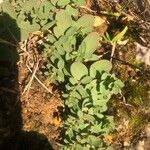
Hypericum humifusum
Trailing St. John's-wort · Trailing St John's-wort · Trailing Saint-John's-wort · Trailing St. Johnswort
Description
Source: leafsnapHypericum humifusum is a prostrate flowering plant in the St. John's wort family Hypericaceae commonly known as trailing St John's-wort. It is found in Western Europe.
Care Guide
💧 Water
Trailing St. John's wort thrives in moderate humidity and prefers soil that remains evenly moist. To maintain its vigor, it requires weekly watering. Although it can tolerate short dry periods, you should adjust watering based on the season's rainfall patterns to ensure optimal health, especially when the plant is grown outdoors.
How should I water my Trailing St. John's Wort plant to keep it healthy?
To properly water the Trailing St. John's wort, it is best to use filtered water at room temperature or slightly warmer. Tap water may have particles that could harm the plant, so filtered water is preferred. The plant is adapted to warm environments, so cold water may be disruptive. Avoid watering from above, as it can cause issues with the foliage. Instead, pour the filtered room temperature water directly onto the soil until it is fully soaked. This method helps to moisten the roots and aids in their spread through the soil, ensuring they can collect the necessary nutrients.
What should I do if I give my Trailing St. John's wort too much or too little water?
Overwatering is a common issue for Trailing St. John's wort and can cause wilting and yellowing of the stems and leaves. It can also lead to diseases like root rot, mold, and mildew, which are harmful to the plant. Underwatering is less common but can cause brittle and brown leaves. It's important to notice the signs of overwatering early and reduce watering immediately. If the soil doesn't drain well, replace it with a well-draining potting mix. If underwatering occurs, simply water more frequently until the signs improve.
How frequently should I water my Trailing St. John's wort?
If your Trailing St. John's wort is potted, the best way to determine if it needs water is by sticking your finger in the soil. If the top two to three inches of soil are dry, then it's time to water it. If you have the plant in your garden, you can use the same method to check the soil. If the top few inches have dried out, then it's time to water. Typically, during spring and early fall, you'll need to water the plant about once a week using this method. However, during extremely hot weather, you may need to water it two or more times per week. It's worth noting that mature, well-established Trailing St. John's wort plants can handle drought well.
How much water does my Trailing St. John's wort plant need?
To effectively water your Trailing St. John's wort plant, ensure that the top few inches of soil are dry before watering. Give the plant a thorough watering, making sure to completely soak the soil. It's important to add enough water so that excess water drains out through the holes at the bottom of the pot. If you don't see water draining out, it means you haven't watered enough. However, be cautious not to let water collect inside the soil as this can harm the plant. Additionally, if water isn't draining properly, it could mean the soil doesn't have good drainage and this should be avoided for the plant's well-being. If the plant is outdoors, around 1 inch of rainfall per week should be adequate.
How do I water my Trailing St. John's wort at different stages of growth?
The water needs of the Trailing St. John's wort can vary based on its growth stages. When your plant is young or has recently been transplanted, it requires more water compared to other times. This is because during these stages, the plant focuses on growing new roots, which need extra moisture for optimal growth. However, as your plant matures over a few seasons, it will require less water. Another growth stage that may require increased watering is during the bloom period. During this time, the plant needs more moisture to support the development of its flowers.
☀️ Light Full sun
Trailing St. John's wort performs best when it gets plentiful light for most of the day, though it can cope with moderate light levels. In its native habitat it receives ample sunshine, which promotes healthy growth. Uneven or inappropriate light exposure can harm the plant's vitality.
What are the sunlight requirements for Trailing St. John's wort?
Trailing St. John's wort requires environments with different sunlight exposures to thrive. For optimal growth, it must receive full sun, which equates to above 6 hours of sunlight per day. However, it can also manage in partial sun conditions, meaning it can survive with about 3-6 hours of sunlight daily. It's important to observe your garden's sunlight patterns to find the best spots that offer a good balance of light and shade, ensuring your plants stay healthy and happy.
How can artificial lighting benefit indoor plants like Trailing St. John’s wort?
Indoor plants, including Trailing St. John’s wort, may require artificial lighting to ensure optimal growth, especially when natural sunlight is insufficient, such as during winter or in less sunny spaces. Artificial lighting such as LED lights, can be customized to provide specific wavelengths needed for healthy plant growth. For plants requiring full sun, 30-50W per square foot of artificial light is needed, partial sun plants need 20-30W per square foot, and full shade plants require 10-20W per square foot. The light source should be placed 12-36 inches above the plant, mimicking natural sunlight conditions, and plants typically need between 8-12 hours of light each day to mimic natural daylight hours.
What are the symptoms of inadequate lighting for Trailing St. John’s wort?
When Trailing St. John's wort doesn't get enough light, several symptoms can occur. It may experience small leaf growth, with new leaves growing smaller than mature ones. The plant might also exhibit leggy or sparse growth, characterized by longer spaces between leaves or stems, leading to a stretched-out, weak appearance. Early leaf drop, slower or halted new growth, and development of lighter-colored or chlorotic leaves are other indicators of insufficient light. Additionally, excessive sunlight can cause symptoms such as sunscald, leaf curling, wilting, leaf scorching, and chlorosis, indicating the plant's need for an optimal balance of sunlight.
What solutions can alleviate lighting issues for Trailing St. John’s wort?
To address lighting issues for Trailing St. John’s wort, a gradual approach to increasing sunlight exposure is recommended. For indoor plants, gradually move them closer to a south-facing window or augment their light with desk lamps or professional grow lights for at least 8 hours a day. Outdoor plants should also be moved gradually to sunnier spots to prevent sunburn. Removing obstructions and pruning obstructive branches can help increase sunlight exposure. For smaller plants, transplanting during their dormant period to a sunnier location with good drainage is advised. It's important to note that parts of the plant affected by previous insufficient sunlight may not recover, but new growth after increasing light exposure should be healthy.
🌡️ Temperature 5–35°C
Trailing St. John's wort can tolerate a wide range of temperatures, but its distribution may still be constrained by different combinations of moisture and heat. It grows best in warm summer conditions with sufficient rainfall or regular watering. Extended periods of cloudy, rainy weather or prolonged high temperatures can increase the chance of Trailing St. John's wort dying. In winter, protecting the plant from cold can boost its survival rate.
What is the botanic name of Trailing St. John's wort?
The botanical name for Trailing St. John's wort is Hypericum humifusum. This plant is a part of the Hypericum genus.
💨 Humidity
🪴 Soil 5-7
🌱 Fertilizer
For Trailing St. John's wort, the primary time to fertilize is in early spring when the flowers are beginning to form. The appropriate fertilizer promotes better blooms and helps Trailing St. John's wort produce attractive flowers. Fertilizing in early spring ensures strong flowering throughout the season and provides energy for the plant's dormant growth phases.
🪴 Pot & Repot
✂️ Pruning
Trailing St. John's wort is a low-growing perennial plant known for its yellow flowers. To promote healthy growth and improve air circulation, it's best to prune it from early to late spring. During pruning, remove any dead stems and trim back long branches for a neater look. Regular pruning not only encourages abundant flowering but also helps reduce the risk of disease.
🌿 Propagating
🐛 Diseases & pets
☠️ Toxicity
Characteristics
- Plant Type
- Herb
- Life Cycle
- Perennial
- Genus
- Hypericum
- Family
- Hypericaceae
- Hardiness Zone
- 5-9
- Mature Height
- 3 cm to 25 cm
- Mature Spread
- 10 cm to 20 cm
- Leaf Color
- Green, Dark Green
- Leaf Type
- Evergreen
- Flower Color
- Yellow
- Flower Size
- 1.02 cm
- Bloom Time
- Summer, Early fall
- Planting Time
- Spring, Autumn
- Harvest Time
- Late summer, Fall
- Native Area
- Austria, Sweden, Poland, Morocco, Belarus, Ukraine, Hungary, Germany, Italy, Spain, Switzerland, Denmark, Netherlands, France, Albania, Ireland, Algeria, Romania, Belgium, Portugal