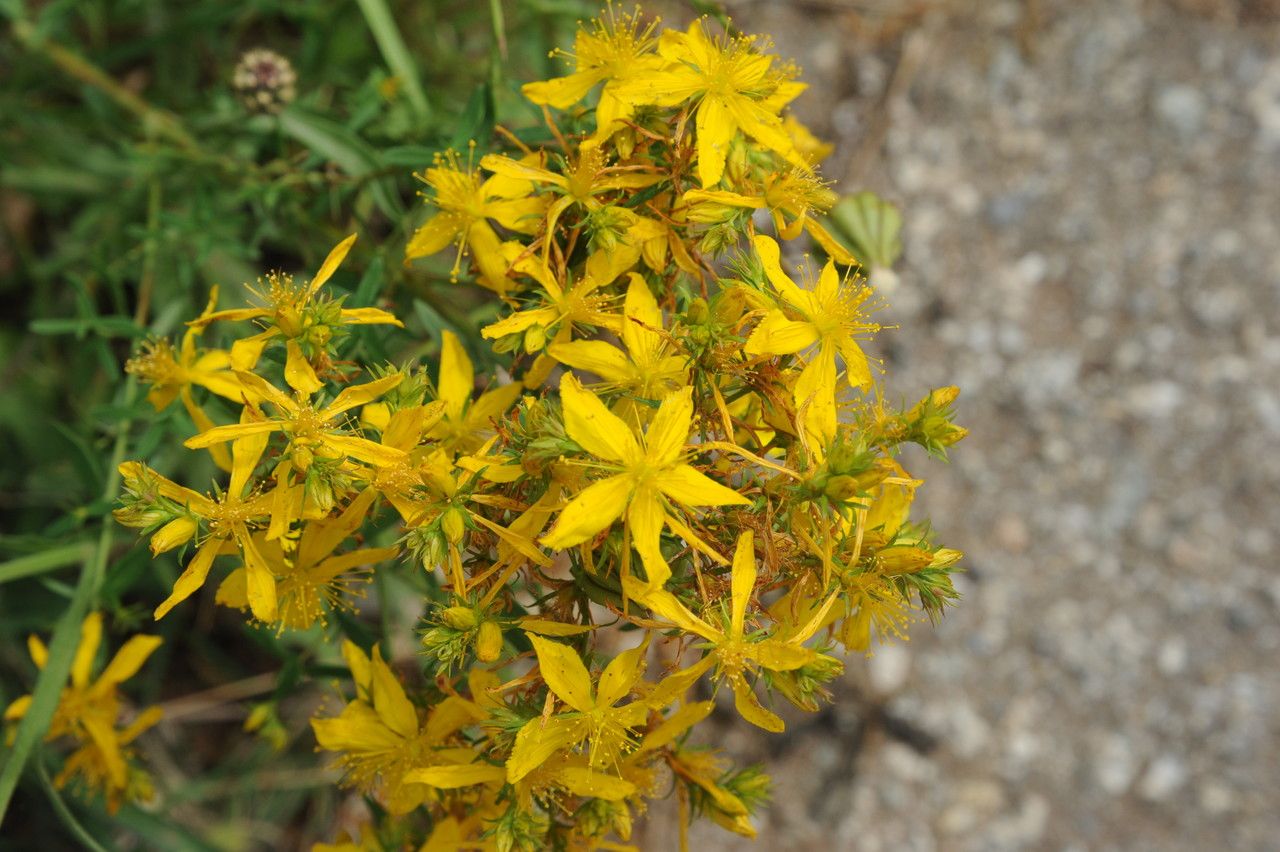
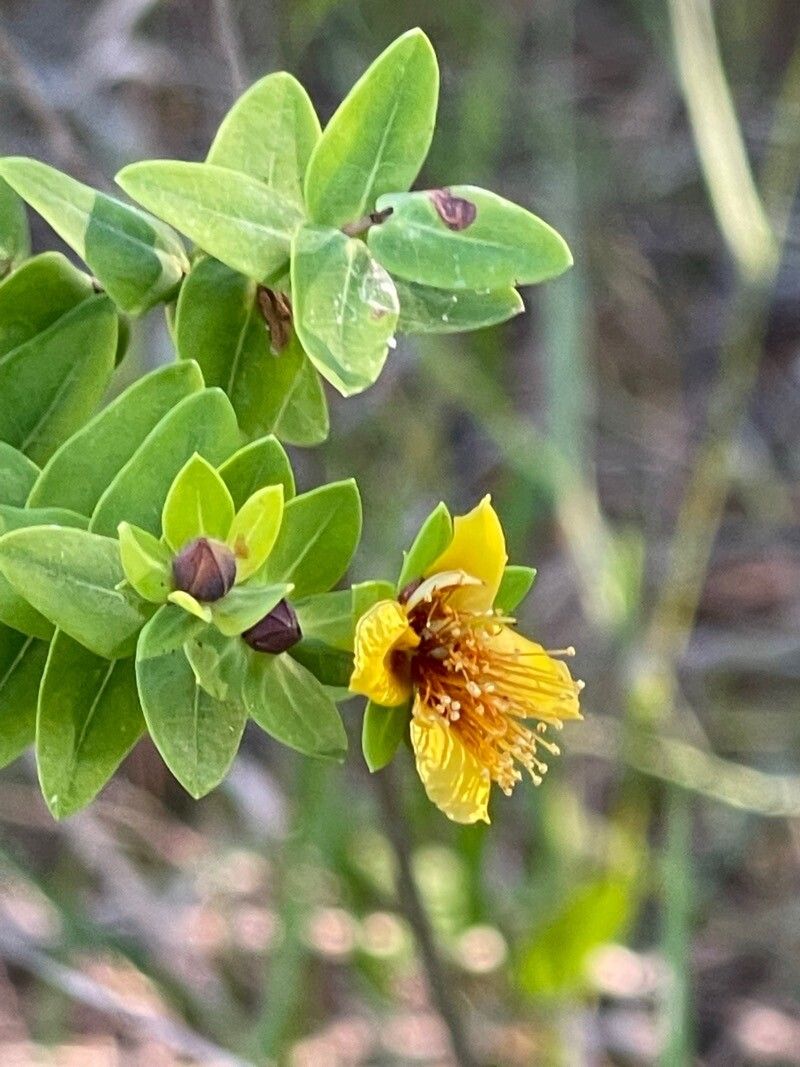
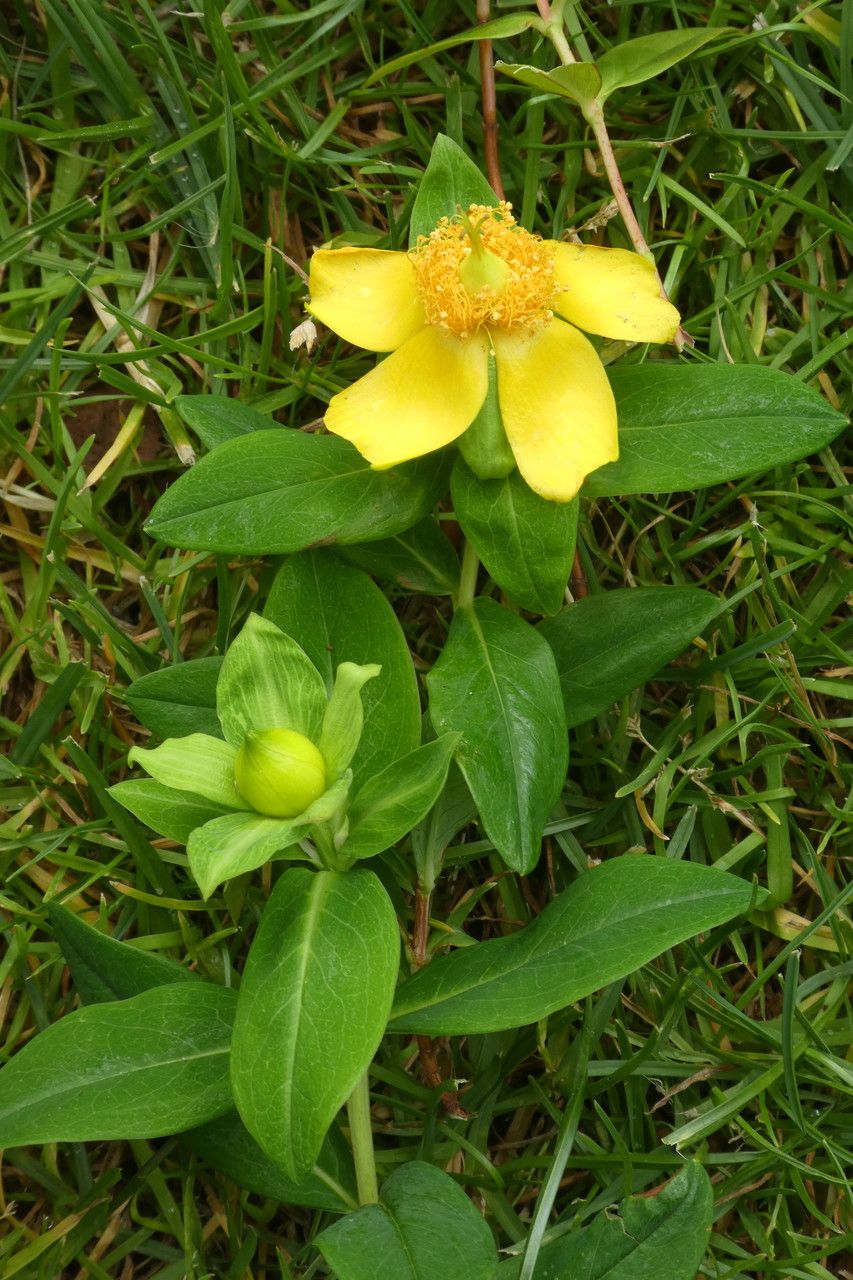
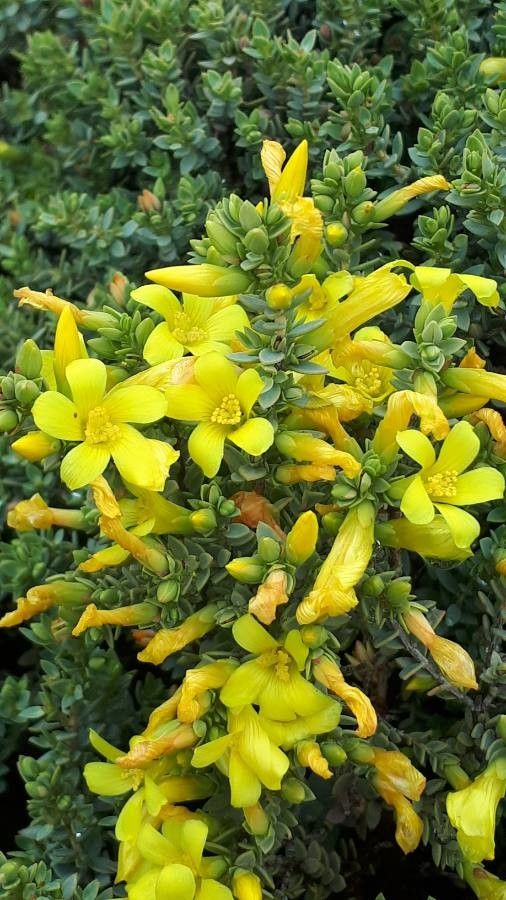
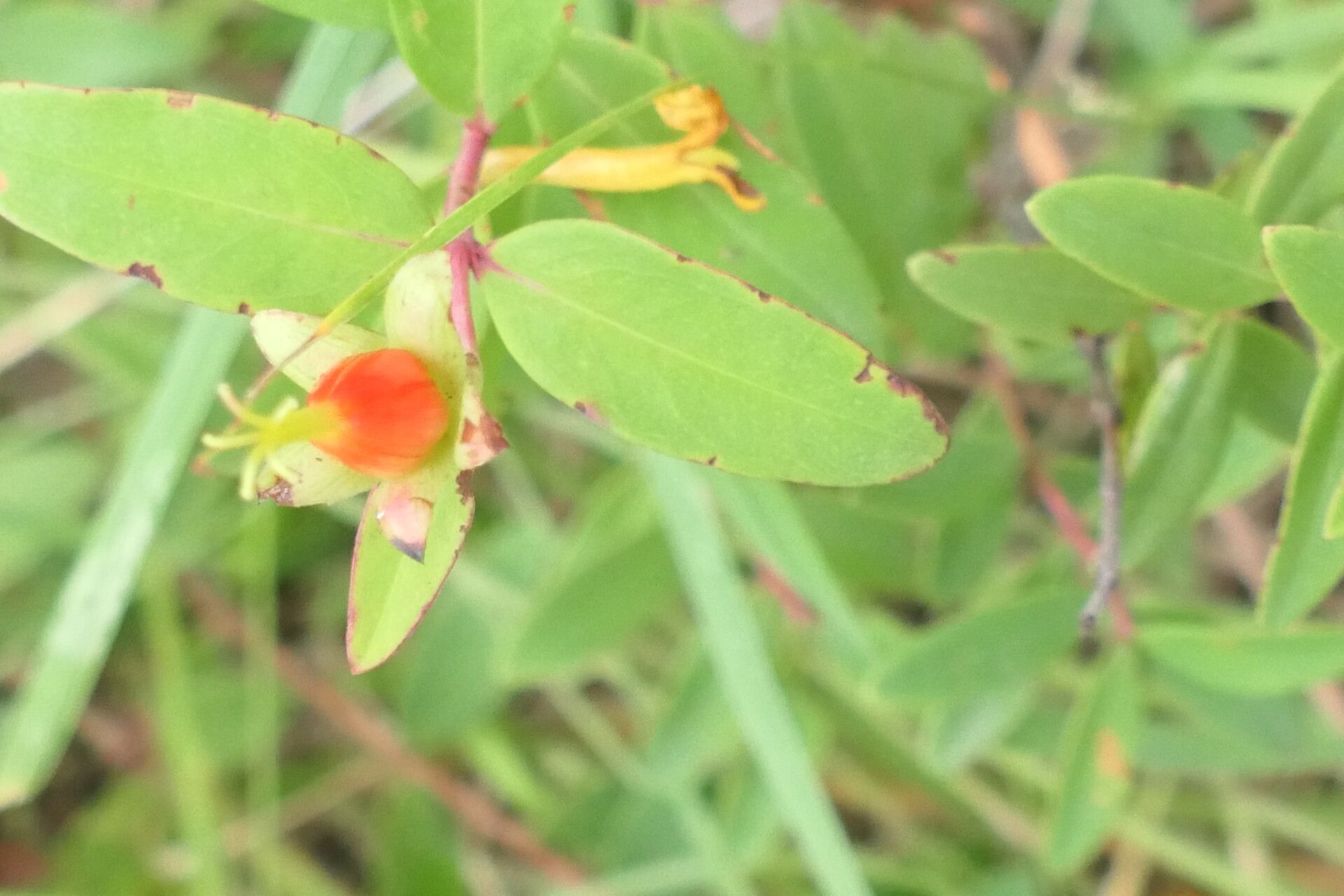
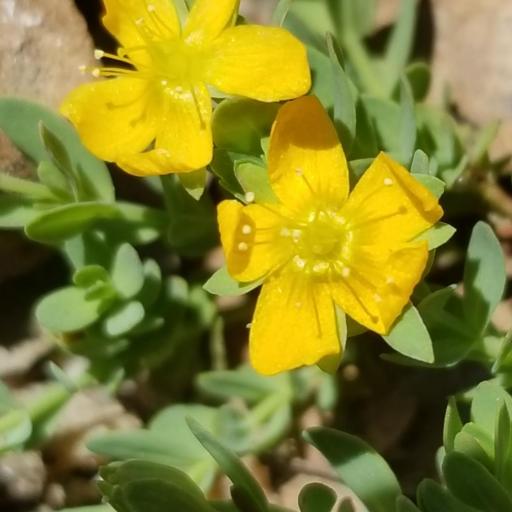
Hypericum myrtifolium, the myrtleleaf St. Johnswort, is a species of flowering plant in the St. John's wort family, Hypericaceae. It is endemic to the Southeastern United States. It was first described by Jean-Baptiste Lamarck in 1797.
Perforate St. John's Wort is fairly resistant to disease and is generally not prone to illnesses. However, it can be vulnerable to pests and diseases present in its environment. These problems are typically mild. In terms of care, this plant needs moderate maintenance. It should be pruned regularly to keep a neat appearance and encourage healthy growth. Fertilizing can also help boost flowering. Perforate St. John's Wort is well suited for anyone with outdoor space, such as a garden or patio, and does not demand extensive gardening experience. It may require more attention when grown indoors.
How to keep Hypericum Myrtifolium.
Light
Perforate St. John's Wort is a sun-loving perennial herbaceous plant native to open habitats, often thriving in meadows and grasslands. It prefers full sun, though it can tolerate partial sun conditions.
Water
Myrtleleaf St. John's Wort is drought-resistant but does not tolerate waterlogged soil. During the first year, give the plant 25 mm (1 inch) of water each week. From the second year onward, natural rainfall should be sufficient. Be careful not to overwater, as this can cause root rot and lead to withered leaves.
Temperature
Perforate St. John's Wort can tolerate a wide range of temperatures, but its distribution can still be restricted by different combinations of moisture and heat. It performs best in warm summer conditions with sufficient rainfall or watering. Extended stretches of cloudy, rainy weather or prolonged high temperatures can raise the risk of the plant dying. In winter, adequate protection from the cold can increase its chances of survival.
Fertilizer
The best time to fertilize Perforate St. John's Wort is in early spring, as it comes out of dormancy and starts active growth. Fertilizing supplies essential nutrients for healthy development. Although Perforate St. John's Wort has fairly low fertilizer requirements, applying fertilizer annually can improve its survival and encourage better, longer-lasting blooms.
Pruning
Myrtleleaf St. John's Wort is characterized by its small evergreen leaves and vibrant yellow flowers. To promote dense growth and encourage flowering, it’s best to prune in early spring. During pruning, remove any damaged branches and thin selectively to help strengthen the plant. Regular pruning also improves the plant's appearance and health by enhancing air circulation. For detailed techniques, consult expert resources.
Botanical profile.
- Plant Type
- Herb
- Life Cycle
- Perennial
- Genus
- Hypericum
- Family
- Hypericaceae
- Hardiness Zone
- 5-9
- Mature Height
- 30 cm to 61 cm
- Mature Spread
- 30 cm to 49 cm
- Leaf Color
- Green, Dark Green
- Leaf Type
- Deciduous
- Flower Color
- Yellow
- Flower Size
- 1.52 cm to 2.54 cm
- Bloom Time
- Summer
- Planting Time
- Spring, Summer, Autumn
- Harvest Time
- Late summer, Early fall, Mid fall
- Native Area
- Turkey, Tunisia, Italy, Spain, France, Cyprus, Algeria, Greece, Morocco, Portugal
Other names.
Reader questions.
What are the sunlight requirements for Myrtleleaf St. John's Wort (Hypericum myrtifolium)?
Myrtleleaf St. John's Wort (Hypericum myrtifolium) thrives in various sunlit conditions. For full sun exposure, it requires above 6 hours of direct sunlight per day. If situated in partial sun, it should receive about 3-6 hours of sunlight daily. It's beneficial to observe the movement of sunlight through your garden to find the ideal spots that offer a harmonious balance of light and shade, ensuring your plants are happy and healthy.
What is Myrtleleaf St. John's Wort?
Myrtleleaf St. John's Wort, known botanically as Hypericum myrtifolium, is a plant species with no additional details provided on its essentials or symptoms in the provided data.