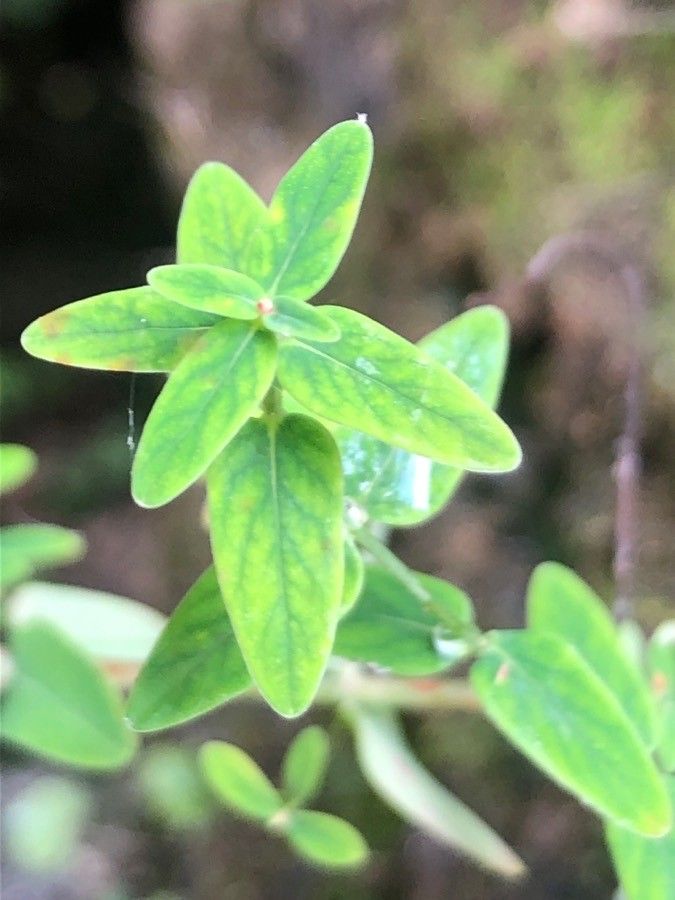
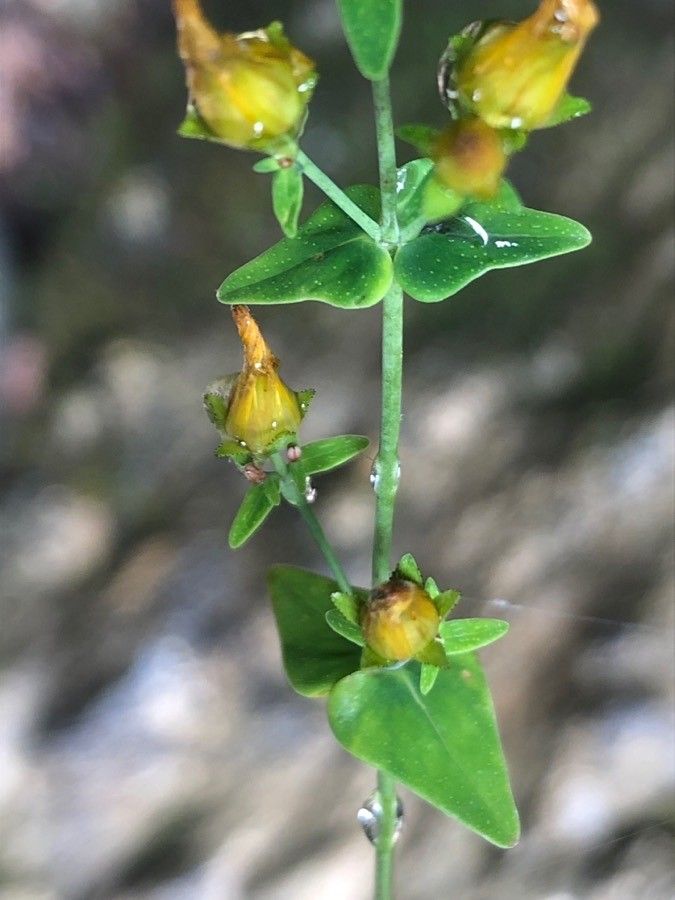
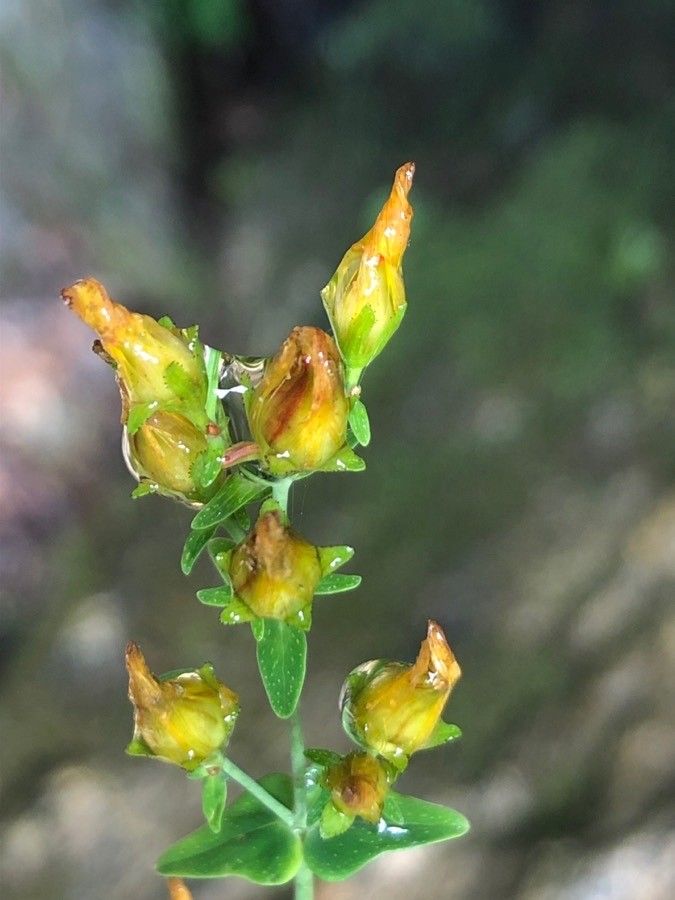
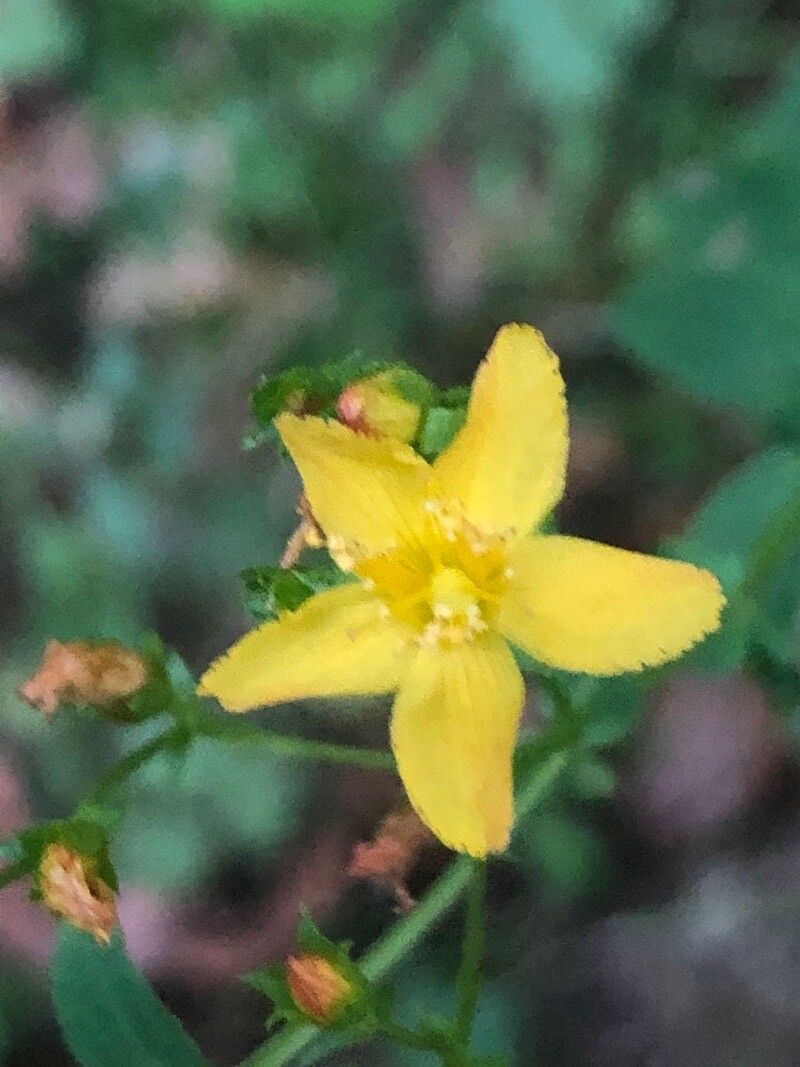
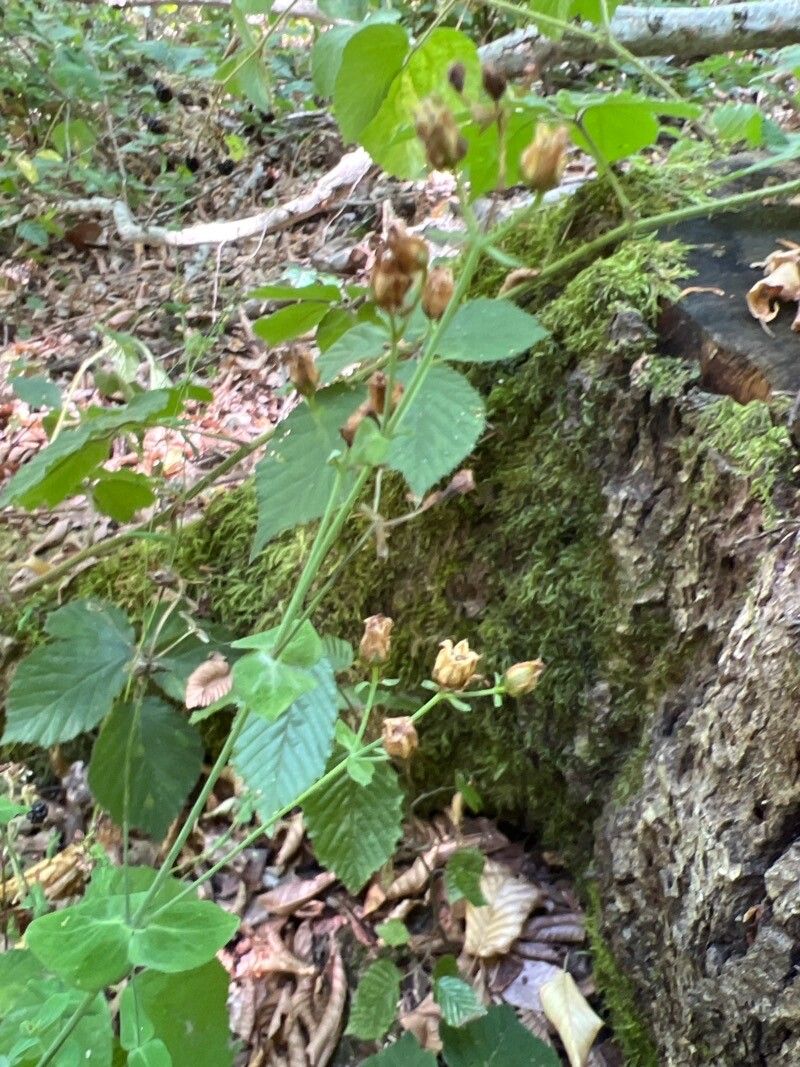
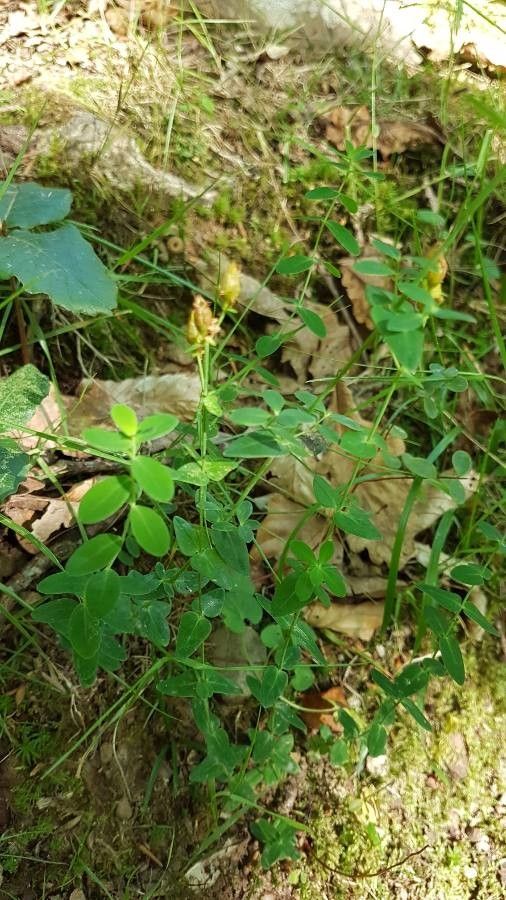
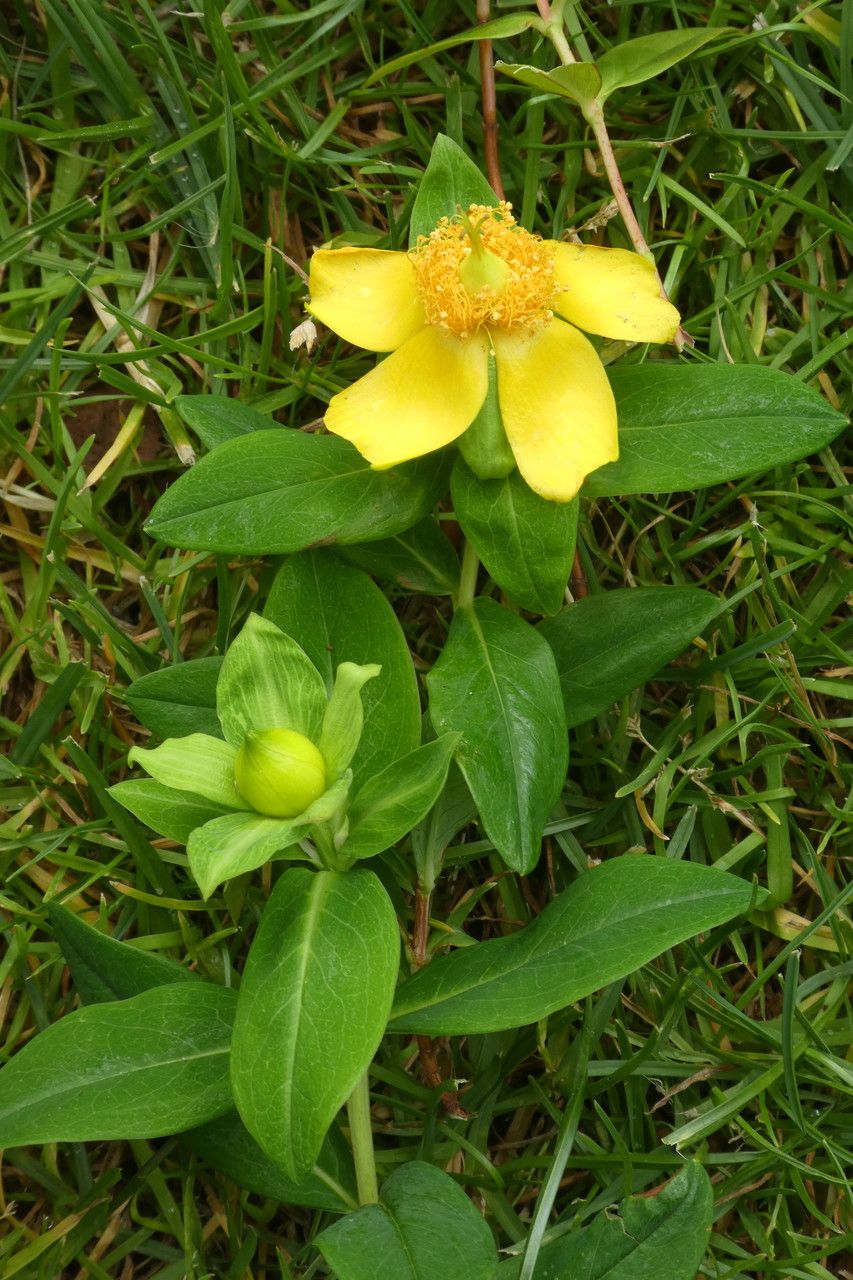
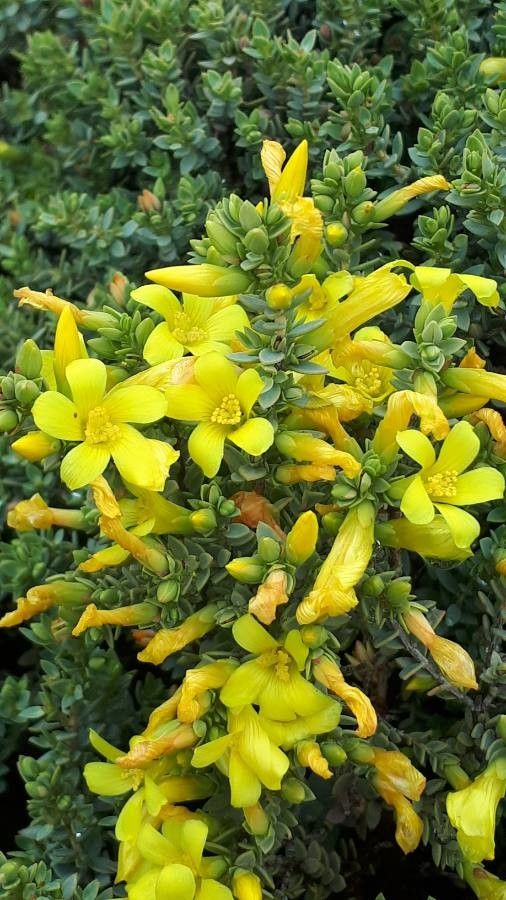
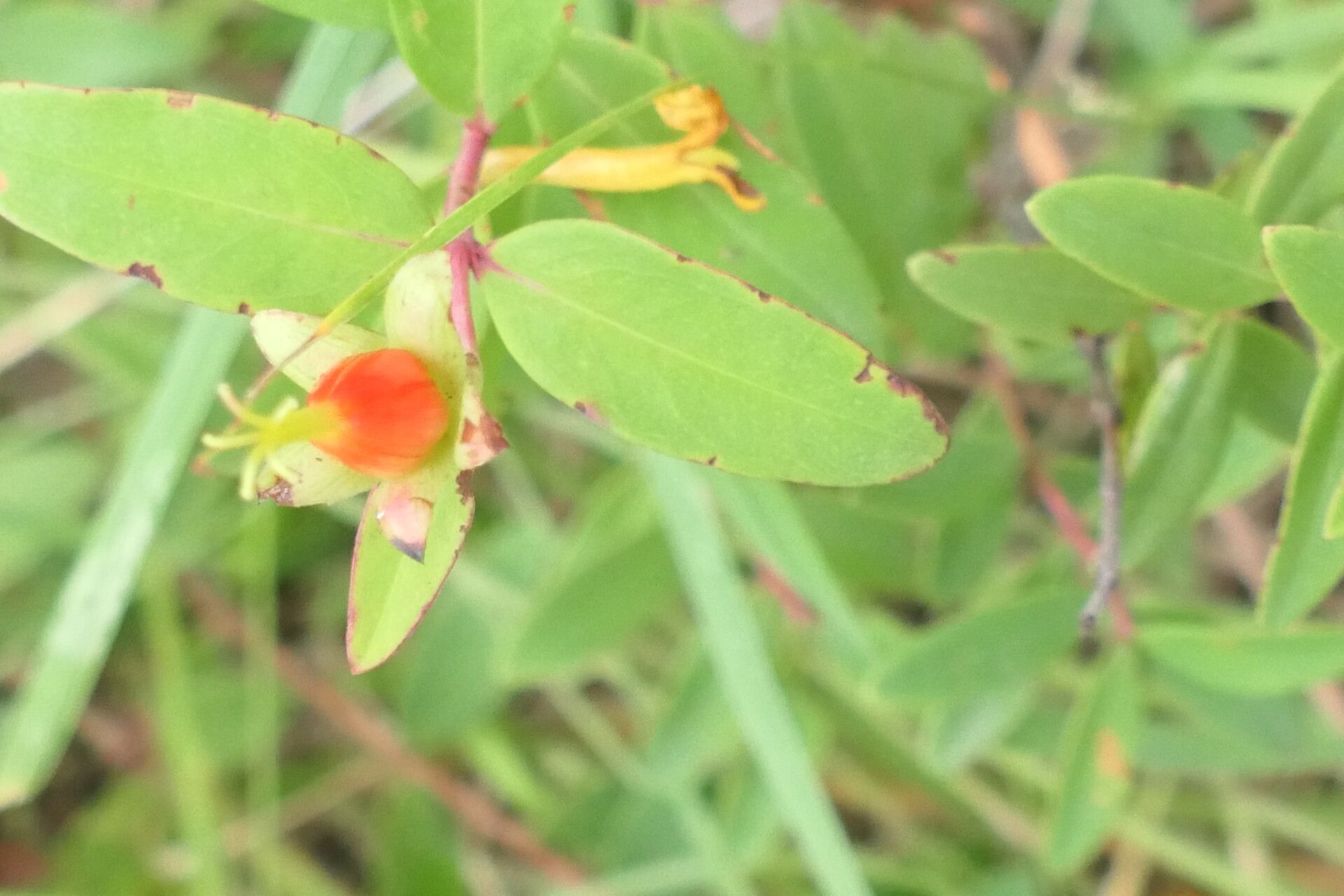
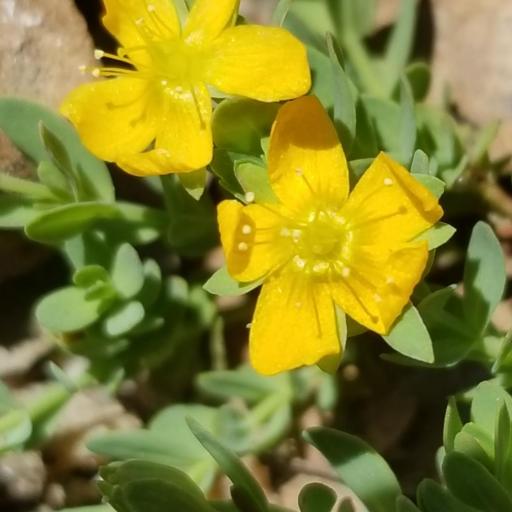
Hypericum pulchrum is a flowering plant in the family Hypericaceae, commonly known as slender St John's-wort. It is native to Western Europe.
Slender St. John's wort has strong resistance to disease and is generally not very susceptible to illnesses. That said, it can be affected by pests and diseases present in its surroundings. Such infections are typically mild. Regarding care, this plant needs moderate maintenance. It should be pruned regularly to maintain a tidy appearance and promote healthy growth. Applying fertilizer can also aid in encouraging blooms. Slender St. John's wort is well suited for anyone with outdoor space, like a garden or patio, and does not require extensive care experience. It may, however, need more attention if grown indoors.
How to keep Hypericum Pulchrum.
Light
Slender St. John's wort requires abundant sunlight during the day to thrive, generally preferring locations where sunlight is not blocked. Although it favors full, direct sun, it can tolerate somewhat reduced light. A lack of adequate sunlight can hinder the plant's growth and overall health.
Water
Slender St. John's Wort thrives in moderate climates with consistent moisture and well-drained, evenly moist soil. To maintain its health, water it weekly, although it has some drought tolerance. This herbaceous perennial is usually grown outdoors, where it can benefit from natural rainfall without being waterlogged.
Temperature
Slender St. John's wort is indigenous to regions where temperatures range from 41 to 77 °F (5 to 25 ℃), performing best under those thermal conditions. Seasonal temperature adjustments may be needed for optimal health and growth.
Fertilizer
The best time to fertilize a Slender St. John's wort is in early spring, as it comes out of dormancy and moves into active growth. Fertilizing supplies the key nutrients needed for healthy growth. Although Slender St. John's wort has fairly low fertilizer requirements, applying fertilizer once a year can improve its survival and encourage better, longer-lasting flowers.
Pruning
Slender St. John's Wort is characterized by its upright stems and yellow flowers. To keep it healthy and promote growth, it requires light pruning from early to late spring. During this time, trim any dead stems and shape the plant. Removing old blooms also encourages more flowers, helps prevent disease, and improves air circulation, all of which contribute to a vibrant plant.
Botanical profile.
- Plant Type
- Herb
- Life Cycle
- Perennial
- Genus
- Hypericum
- Family
- Hypericaceae
- Hardiness Zone
- 5
- Mature Height
- 40 cm
- Mature Spread
- 40 cm
- Leaf Color
- Dark Green
- Leaf Type
- Semi-evergreen
- Flower Color
- Yellow, Gold
- Flower Size
- 1.27 cm to 1.78 cm
- Bloom Time
- Summer
- Planting Time
- Spring, Summer, Autumn
- Harvest Time
- Early fall, Mid fall
- Native Area
- Sweden, Czech Republic, Poland, Croatia, Norway, Germany, Italy, Spain, Switzerland, Denmark, Netherlands, France, Ireland, United Kingdom, Belgium, Portugal
Other names.
Reader questions.
How should I water my Slender St. John's wort plant?
To properly water the Slender St. John's wort, follow these guidelines: 1. Use filtered water at room temperature: Tap water may contain harmful particles that can affect the plant's health. 2. Avoid cold water: The Slender St. John's wort is accustomed to warm environments, so cold water can be a shock to its system. 3. Don't overhead water: This can lead to foliage issues. Instead, apply the filtered room temperature water directly to the soil until it is thoroughly soaked. 4. Soak the soil: This is beneficial for the plant as it keeps the roots moist and helps them spread through the soil to gather necessary nutrients.
What are the sunlight requirements for Slender St. John's wort?
Slender St. John's wort requires a significant amount of sun exposure throughout the day to thrive optimally. It favors environments where sunlight is abundant and not obstructed, ideally in full, unfiltered sunlight. However, it can also adapt to conditions where light is somewhat diminished. Insufficient sunlight may negatively affect the plant's growth and health. It's recommended to observe how sunlight moves through your garden and choose spots that offer the right balance of light and shade, ensuring the plant's happiness.
What is the native climate for Slender St. John's wort?
Slender St. John's wort is native to climates with temperatures ranging from 41 to 77 °F (5 to 25 °C). It thrives best under these thermal conditions, indicating that seasonal temperature adjustments might be necessary to maintain its optimal health and growth.
What should I do if I give my Slender St. John's wort too much or too little water?
It's important to be mindful of both overwatering and underwatering when caring for your Slender St. John's wort, but overwatering is a more common problem. When this plant gets too much water, its stems and leaves may wilt and turn yellow. Overwatering for a prolonged period can also lead to diseases like root rot, mold, and mildew, which can be fatal to your plant. Underwatering is less likely to occur with the Slender St. John's wort due to its tolerance for drought. However, it is still possible and can cause the leaves to become brittle and brown. To prevent these issues, it's crucial to recognize the signs of overwatering early on. Some diseases caused by overwatering, like root rot, may become irreversible if left untreated. If you notice early signs of overwatering, reduce your watering schedule immediately. Assess the soil quality too, and if it drains poorly, replace it with a loose, well-draining potting mix. On the other hand, if you see signs of underwatering, simply water more regularly until the signs improve.
How can artificial lighting be used for indoor plants?
Indoor plants, including Slender St. John's wort, require adequate lighting for optimal growth, especially when natural sunlight is insufficient. Artificial lights, such as LEDs, can be an essential solution to promote faster, healthier growth. For full sun plants, 30-50W/sq ft of artificial light is advised, partial sun plants need 20-30W/sq ft, and full shade plants require 10-20W/sq ft. The light source should be placed 12-36 inches above the plant, mimicking natural sunlight as closely as possible. It's also important to mimic the natural daylight hours, with most plants needing 8-12 hours of light per day.
How does Slender St. John's wort handle cold weather?
Slender St. John's wort is highly tolerant of cold weather and does not require additional frost protection measures during winter. However, it is recommended to water the plant generously before the first freeze in autumn. This ensures the soil remains moist and enters a frozen state to help prevent drought and water scarcity for the plant during winter and early spring.
How frequently should I water my Slender St. John's wort?
If your Slender St. John's wort is in a pot, the best way to determine if it needs water is by checking the moisture level of the soil. Simply stick your finger into the soil and if the top two to three inches are dry, it's time to water. If you have the plant in the ground outdoors, you can use the same method. Again, if the top layer of soil is dry, it needs water. In the spring and early fall, you'll typically need to water once a week using this method. However, during extremely hot weather, you may need to increase watering to twice or more per week. That being said, mature and well-established Slender St. John's wort plants are usually quite resilient to drought conditions.
What are the signs of light deficiency in Slender St. John's wort?
Signs of light deficiency in Slender St. John's wort include smaller new leaves, leggy or sparse growth, faster leaf drop, slower or no new growth, lighter-colored new leaves, chlorosis, sunscald, leaf curling, wilting, and leaf scorching. These symptoms indicate that the plant is not receiving sufficient sunlight, affecting its ability to grow and maintain health optimally.
What should be done if Slender St. John's wort experiences temperatures below -25°C?
If the temperature drops below -25°C, Slender St. John's wort, despite its extreme cold tolerance, may show a decrease in sprouting or even experience no sprouting during the springtime. In such cases, it is advised to remove any parts of the plant that have failed to sprout in the spring.
How much water does my Slender St. John's wort plant require?
When watering your Slender St. John's wort, don't be afraid to give it a good amount of water. Make sure the top two to three inches of soil are dry before watering. It's important to thoroughly water the plant, ensuring that the soil is completely soaked. The water should be enough to cause excess water to flow out of the drainage holes at the bottom of the pot. If you don't see excess water draining, you might not have given enough water. However, be careful not to let water accumulate in the soil, as this can harm the plant. Additionally, if water isn't draining properly from the pot, it could mean that the soil doesn't drain well, which is not good for the plant's health. If the plant is outside, it will generally only need about 1 inch of rain per week.
How can you improve sunlight exposure for Slender St. John's wort?
To improve sunlight exposure for Slender St. John's wort, gradually move plants to a sunnier location each week until they receive at least 6 hours of direct sunlight daily. For indoor plants, use a south-facing window and maintain open curtains during the day, or use artificial light if the plant is large or not easily movable, keeping it on for at least 8 hours daily. For outdoor plants, it's crucial to move them gradually to avoid sunburn. Reducing obstructions like pruning trees or transplanting smaller plants during their dormant period can also help increase sunlight exposure. Remember, parts of the plant affected by insufficient sunlight might not recover, but new growth will be healthy with increased light exposure.
How does Slender St. John's wort react to high temperatures?
Slender St. John's wort is not tolerant of high temperatures. When the temperature exceeds 25°C, its growth will cease, and it becomes more susceptible to rot. To mitigate the effects of high temperatures, it is recommended to trim away the sunburned and dried-up parts of the plant, move the plant to a shaded location, or use a shade cloth to protect it from the midday and afternoon sun. Additionally, watering the plant in the morning and evening can help keep the soil moist.