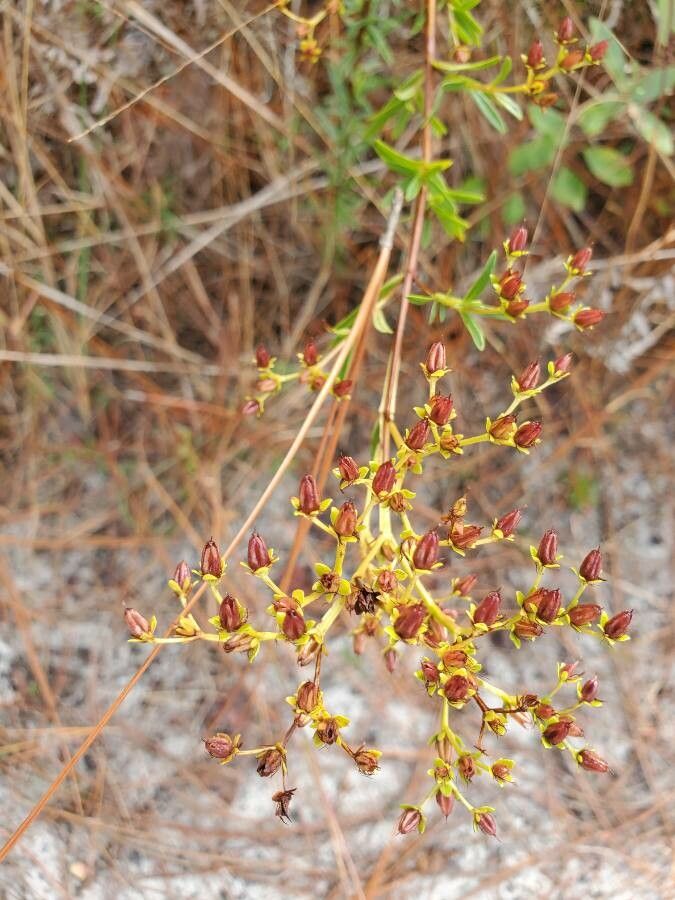
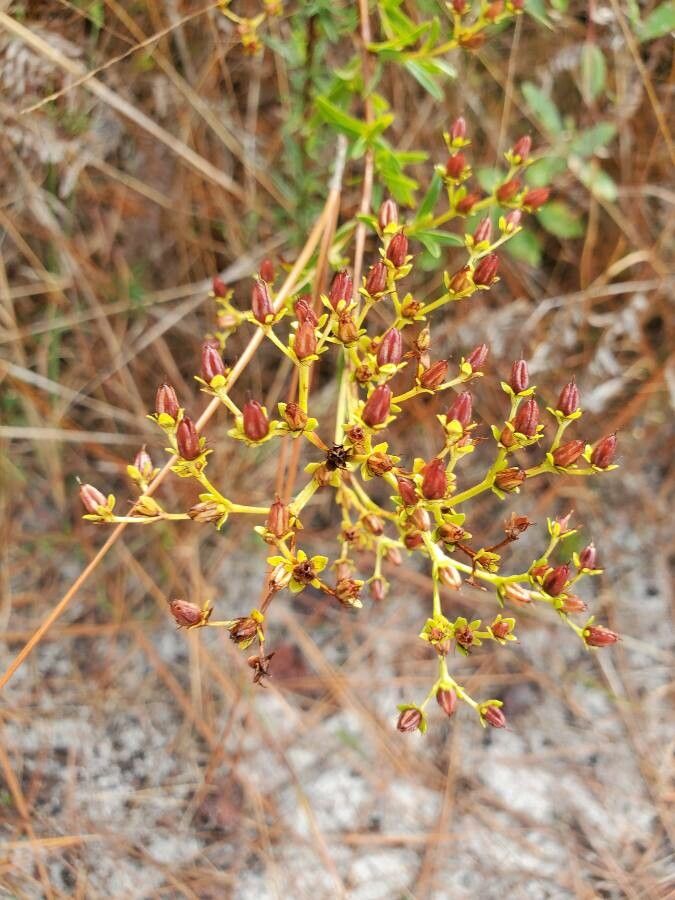
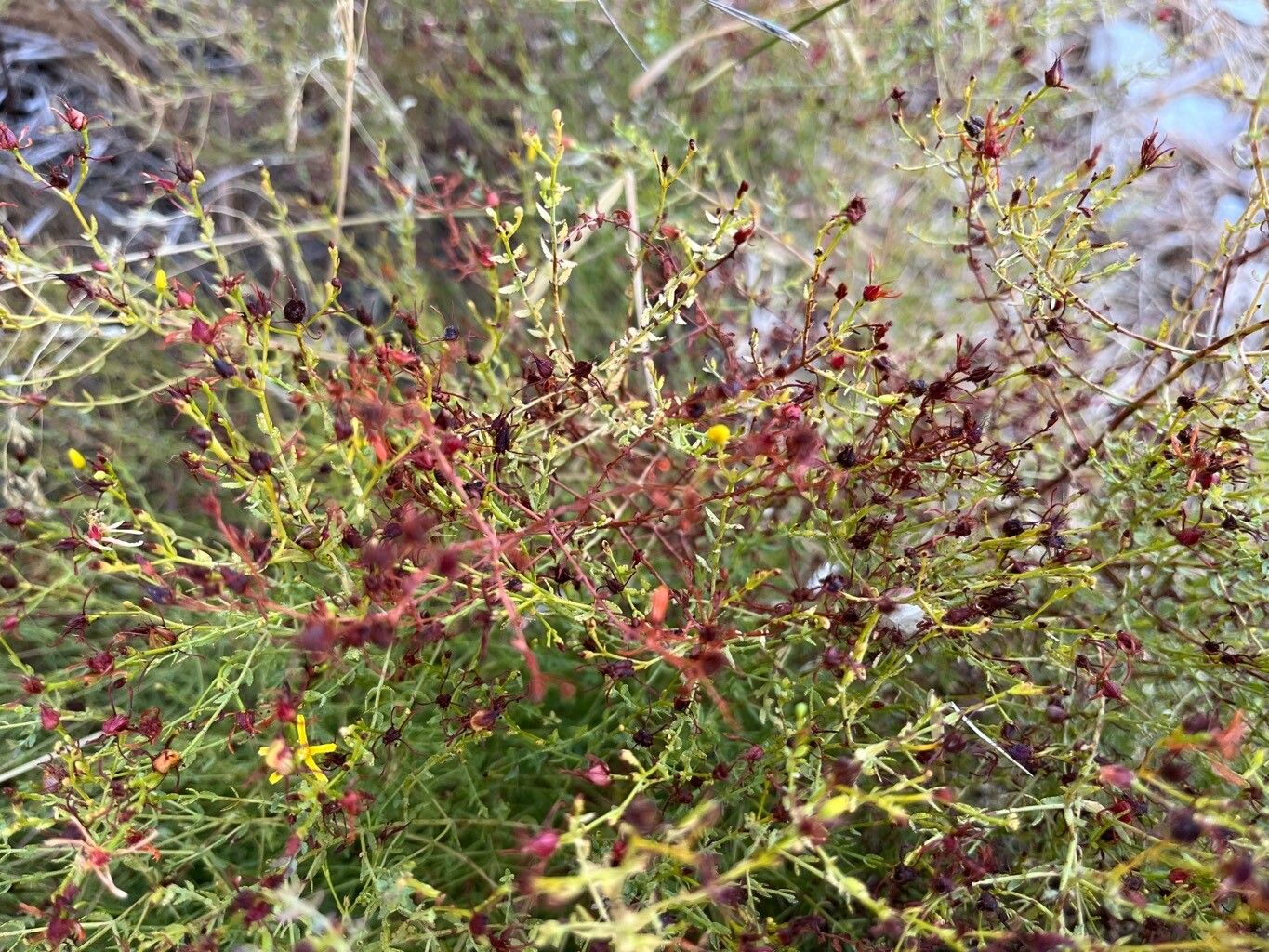
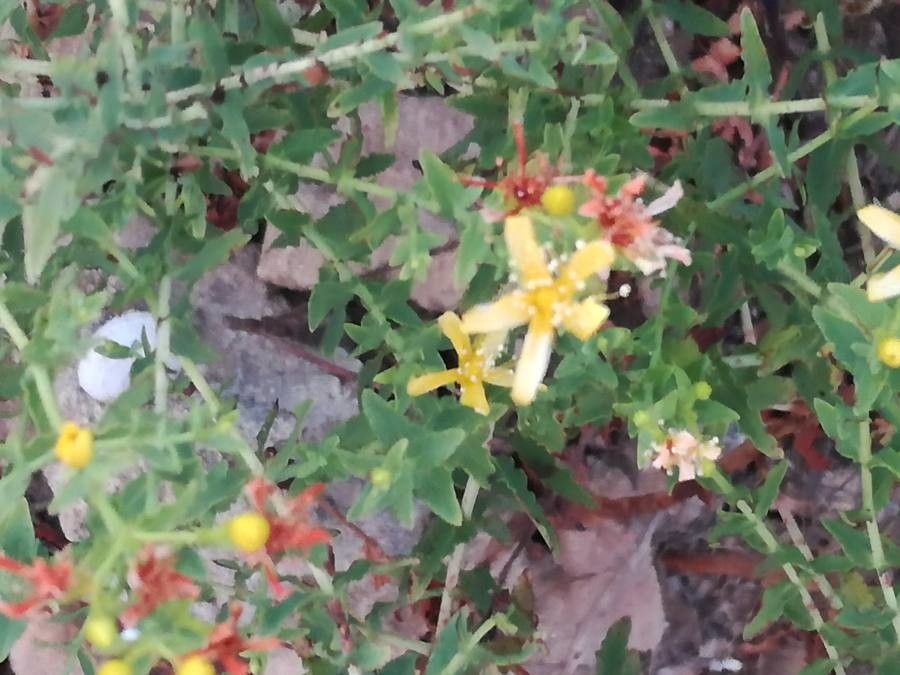
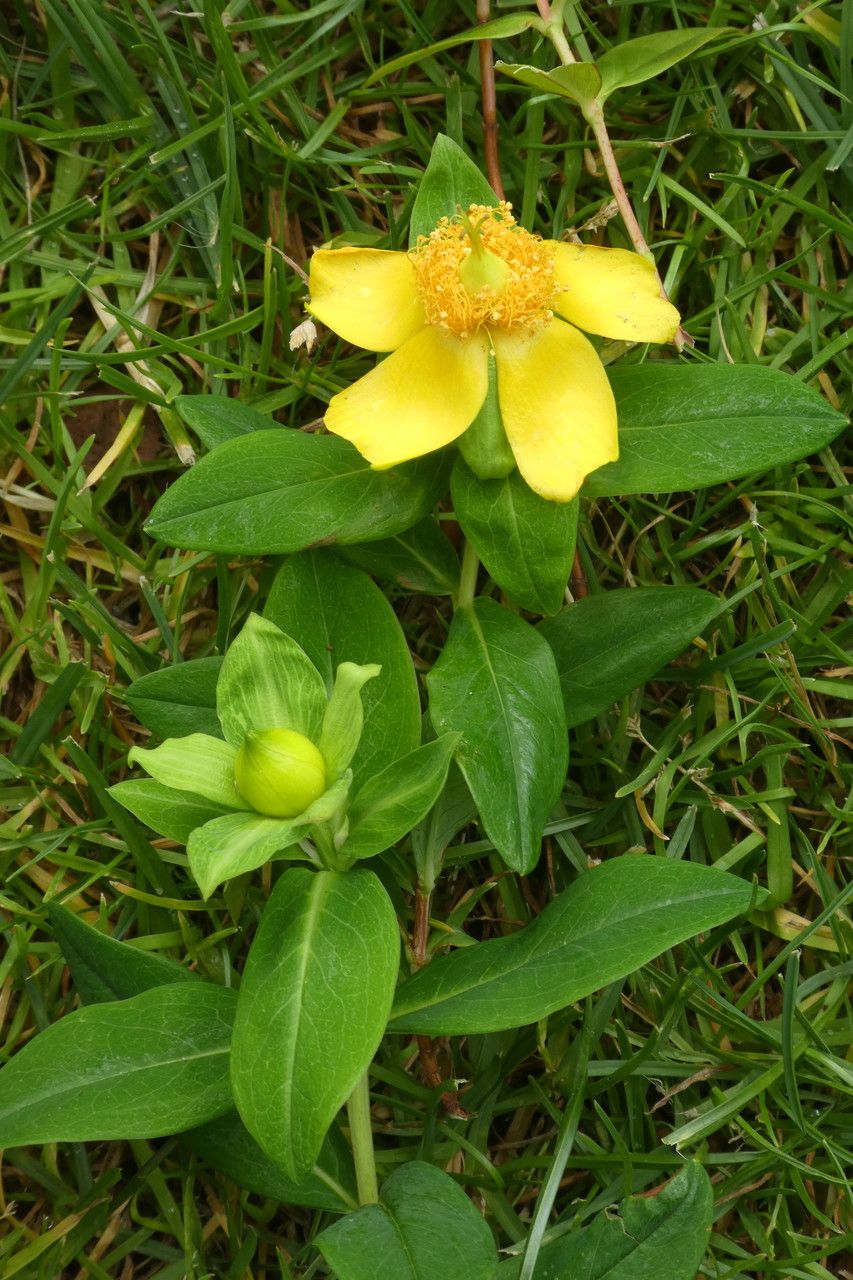
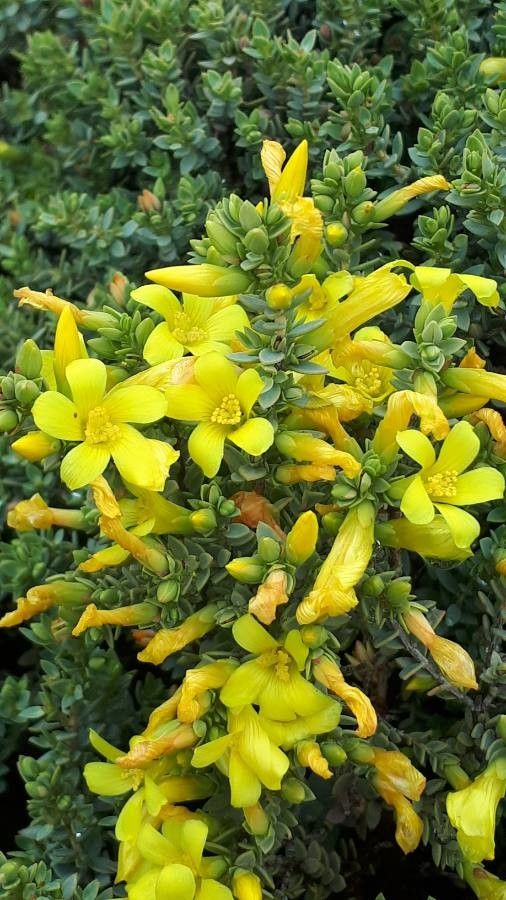
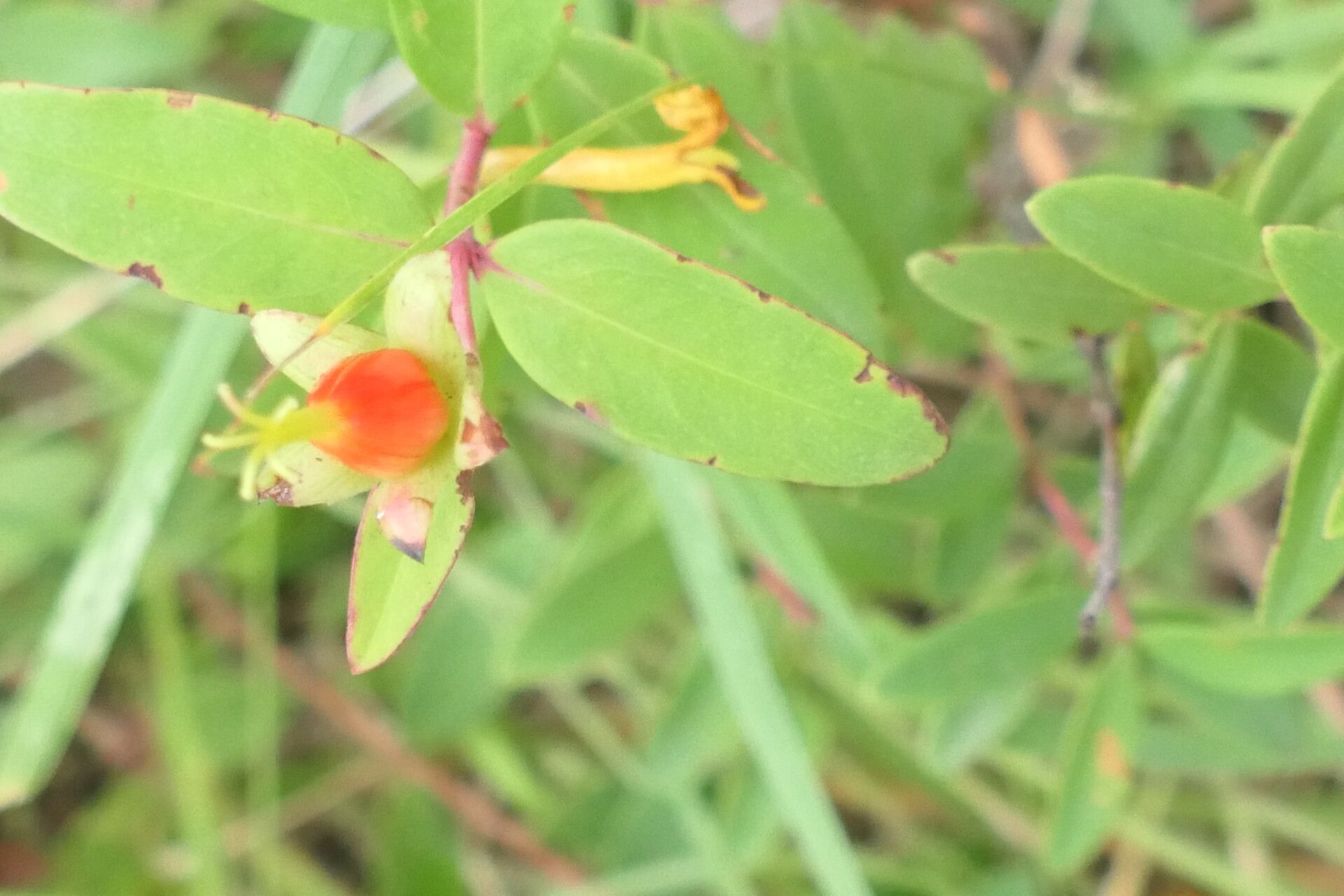
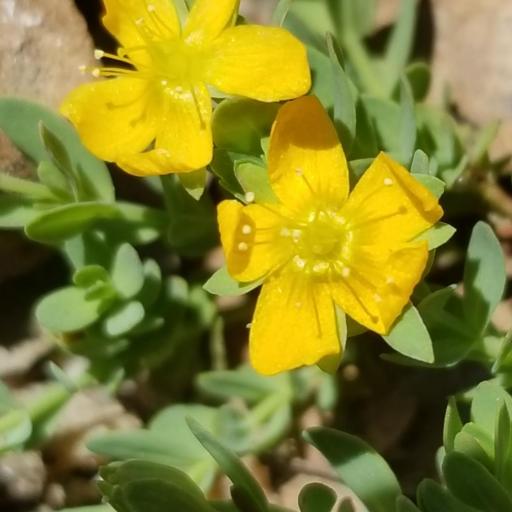
Hypericum triquetrifolium, commonly known as three-angled St. John's wort, is a perennial herbaceous plant in the Hypericaceae family. Native to Europe and Asia, it can be found in various habitats such as meadows, pastures, and forest edges.
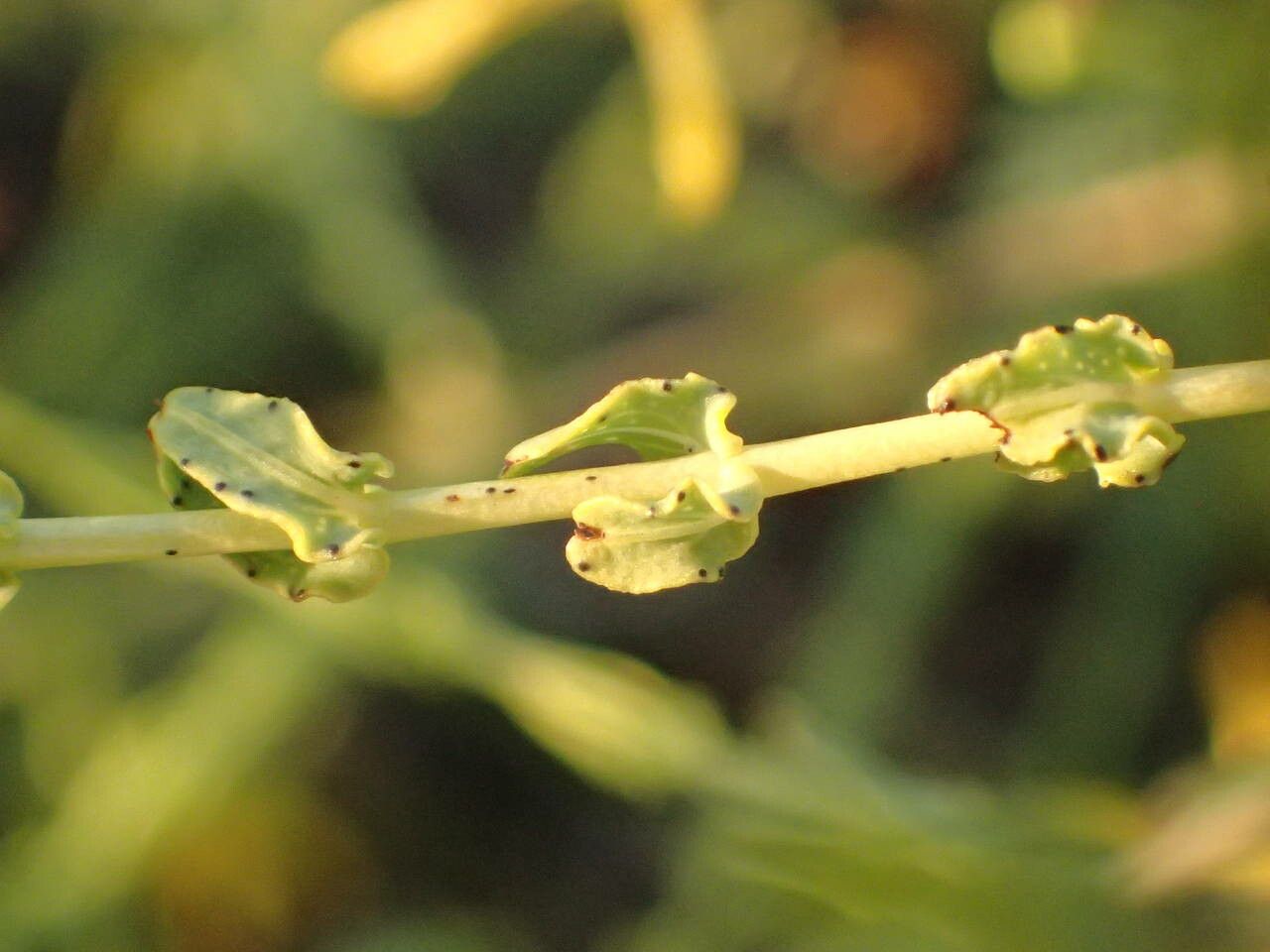
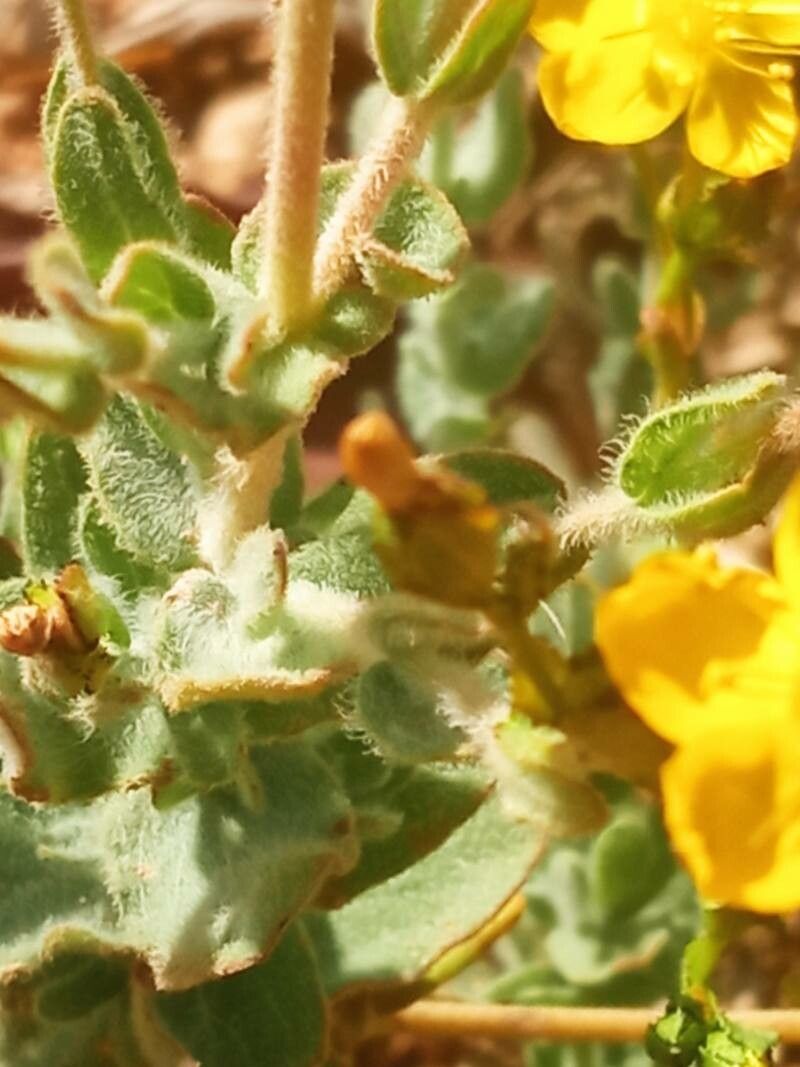
The plant can grow up to 60 cm tall and features a woody base with numerous branches. Its opposite, narrow-elliptic leaves have three prominent veins that give them a triangular appearance. The bright yellow flowers, consisting of five petals each, are arranged in clusters at the end of each stem.
For centuries, Hypericum triquetrifolium has been valued for its anti-inflammatory properties and has been traditionally used to treat wounds, burns, anxiety disorders, and depression.
The plant thrives in well-drained soils and full sun exposure but can also tolerate partial shade. It is easy to propagate from seeds or cuttings but requires regular pruning during its growing season.
Overall, Hypericum triquetrifolium is an attractive ornamental plant that adds color and texture to any garden or landscape. It also offers medicinal benefits when used properly under the supervision of trained professionals, as improper use can lead to potential side effects.
Pyramidal St. John's wort is fairly disease-resistant and is generally not susceptible to diseases. Regarding care, this plant is relatively low-maintenance. When grown outdoors it needs little watering, and larger specimens usually do not require pruning. Smaller plants, however, should be pruned after they have finished blooming. Pyramidal St. John's wort is suitable for anyone with an outdoor area, such as a garden or deck, and does not demand a great deal of gardening experience.
How to keep Hypericum Triquetrifolium.
Light
Pyramidal St. John's wort is native to open environments, such as sunny meadows and forest edges, that provide abundant light. It flourishes in Full Sun but can also tolerate Partial Sun, adapting well to a range of sunlight conditions.
Water
Pyramidal St. John's Wort is ideal for rocky, dry environments due to its exceptional drought tolerance. It needs moderate watering, approximately twice a week, and flourishes in temperate zones with well-draining soil that maintains consistent moisture without becoming waterlogged.
Temperature
Pyramidal St. John's wort shows strong adaptability to a wide range of climates, from scorching summers to cold winters. However, it does have a preferred temperature range for growth. If temperatures become too high, the plant is vulnerable to heat and humidity stress, which can lead to its death. In areas where temperatures approach the lower limit of its cold tolerance, it's important to use insulation measures to protect the plant.
Fertilizer
Timing matters when feeding Pyramidal St. John's wort. Apply fertilizer in early spring and repeat monthly up to early summer. Fertilizer encourages attractive blooms and supplies energy during both dormant and active growth stages.
Pruning
To keep your pyramidal St. John's wort healthy and vibrant year-round, start by pruning in early spring. Remove any dead or damaged branches, and thin out overcrowded areas to improve airflow. Perform light, regular pruning to maintain the plant's shape and health. This not only helps prevent disease but also encourages vigorous growth and flowering.
Botanical profile.
- Plant Type
- Shrub
- Life Cycle
- Perennial
- Genus
- Hypericum
- Family
- Hypericaceae
- Hardiness Zone
- 6-9
- Mature Height
- 25 cm to 34 cm
- Mature Spread
- 20 cm to 40 cm
- Leaf Color
- Green
- Leaf Type
- Semi-evergreen
- Flower Color
- Yellow
- Flower Size
- 1.02 cm
- Bloom Time
- Summer
- Planting Time
- Spring, Summer, Autumn
- Harvest Time
- Late summer, Early fall, Mid fall
- Native Area
- Saudi Arabia, Libya, Iraq, Syria, Tunisia, Turkey, Italy, Iran, Cyprus, Albania, Kuwait, Greece, Croatia, Lebanon
Other names.
Reader questions.
What are the sunlight requirements for Pyramidal St. John's wort?
Pyramidal St. John's wort (Hypericum triquetrifolium) thrives in different sunlight conditions depending on the desired growth outcome. For plants that require full sun, they will need above 6 hours of sunlight daily to flourish. Meanwhile, those needing partial sun should receive about 3-6 hours of sunlight. It's crucial to observe how sunlight moves through your garden throughout the day. Selecting the right spots that offer a healthy balance of light and shade is essential in ensuring the vitality and happiness of your Pyramidal St. John's wort.
What is Pyramidal St. John's wort?
Pyramidal St. John's wort, known botanically as Hypericum triquetrifolium, is a plant species. Currently, there is no detailed information provided about its essentials or symptoms related to it.