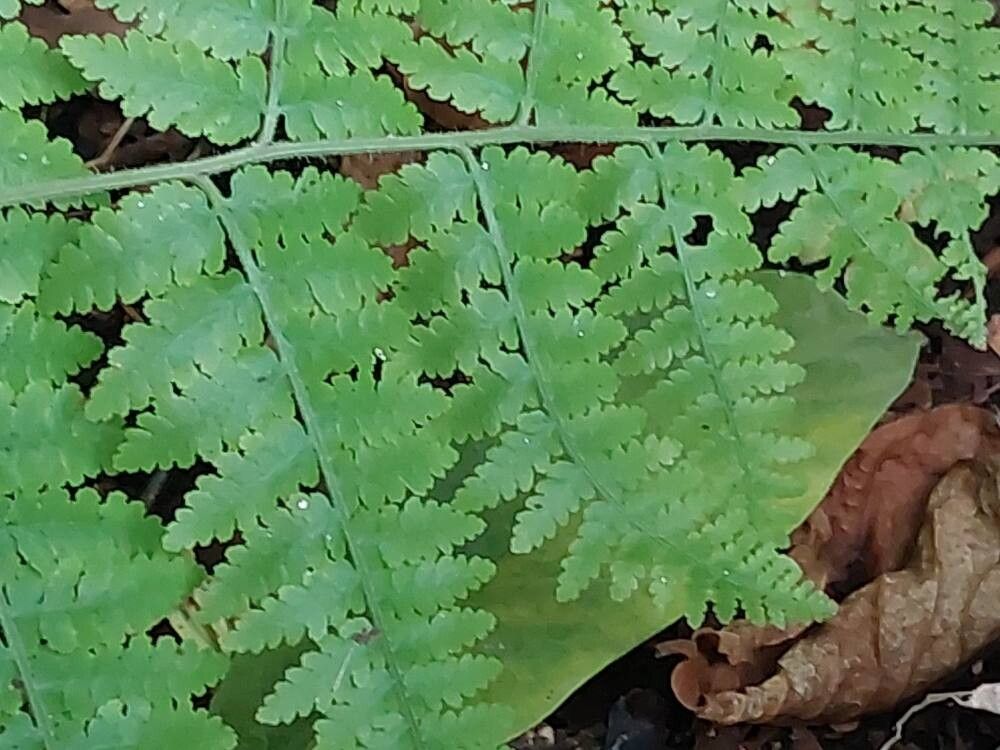
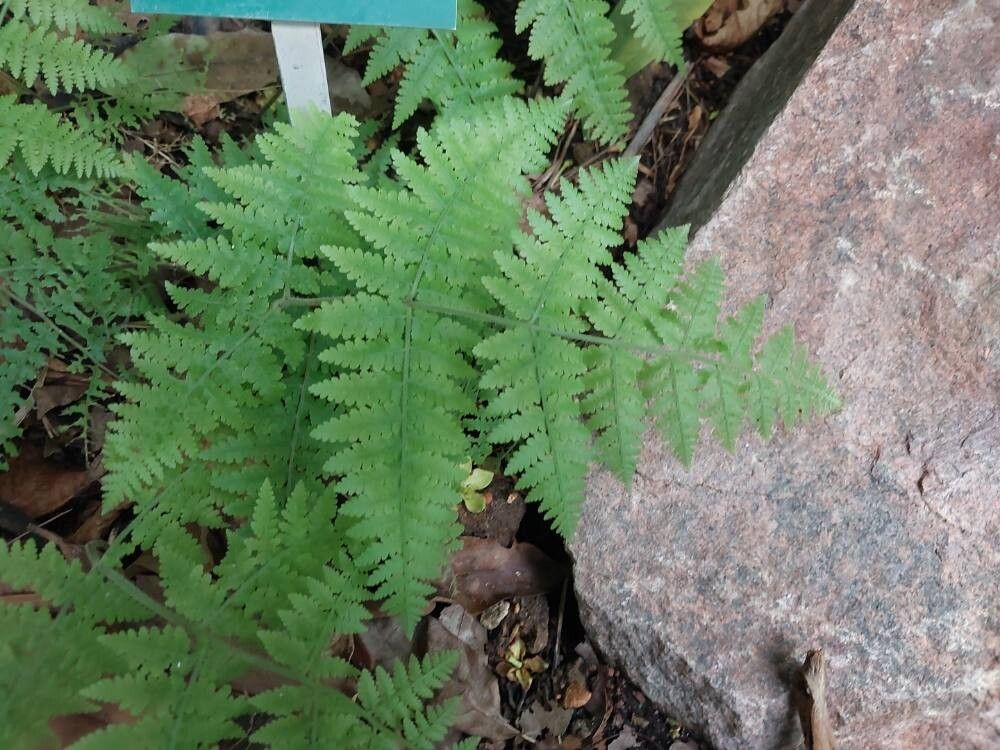
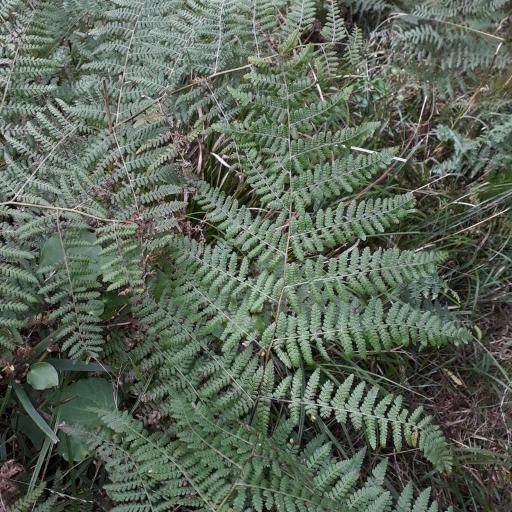
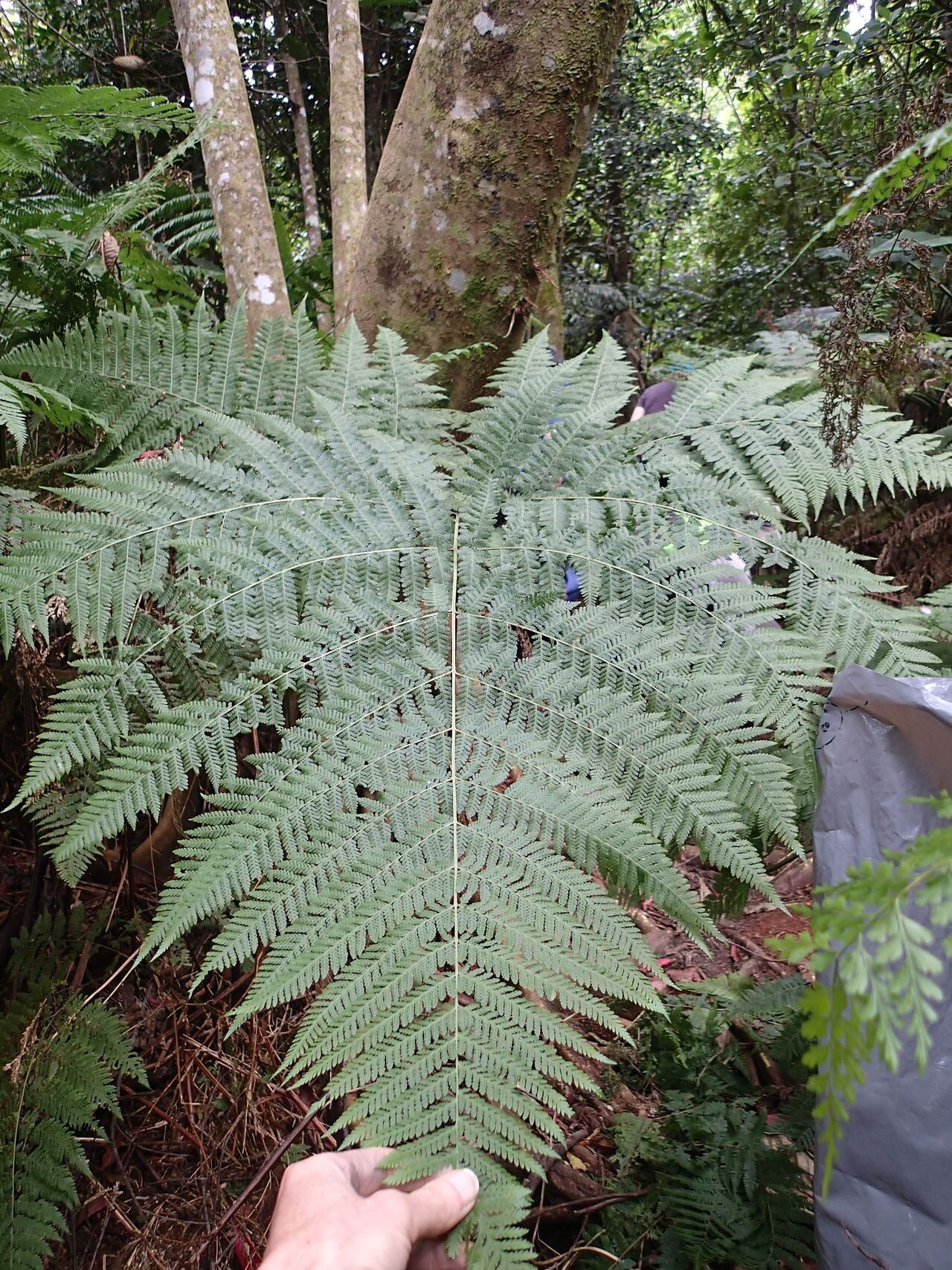
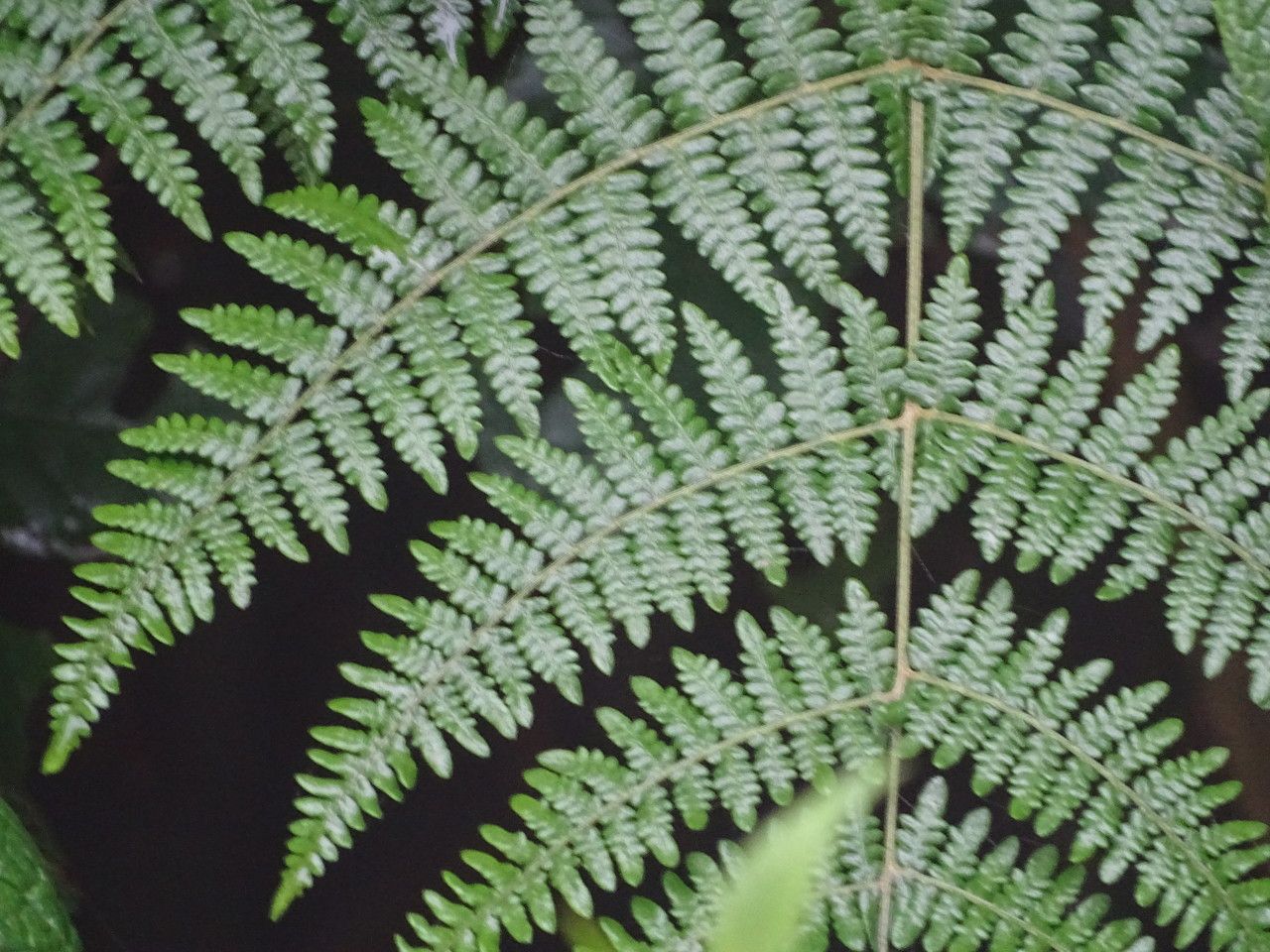
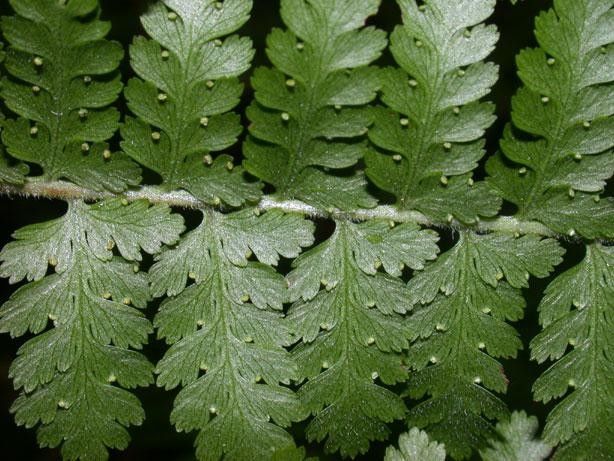
Dotted beadfern generally resists disease well and encounters relatively few insect pests. Its care level is considered difficult because it needs a moist environment and frequent watering. However, the roots are prone to rotting if overwatered or if the environment is not well ventilated. Dotted beadfern is suitable for people with some growing experience, since most people can keep it alive for a period of time. Still, it may have difficulty thriving, and its leaves can dry out and become less healthy over time.
How to keep Hypolepis Punctata.
Light
Dotted beadfern is native to habitats such as forest understories or rocky locations that provide natural shade. It prefers Full Shade but can tolerate Partial Sun.
Water
The dotted beadfern, native to humid environments, thrives in moist soil and prefers high humidity levels. To maintain optimal moisture, water it twice a week. As an evergreen fern, it grows best indoors, where you can regulate the humidity to ensure its vitality throughout the year.
Temperature
Dotted beadfern originates from habitats with moderate to high temperatures and does best in the range of 68 to 100 °F (20 to 38 °C). In colder seasons, it is recommended to provide warmer surroundings for optimal health.
Pruning
The Dotted Beadfern is known for its lacy fronds adorned with brown dots. This plant benefits from light pruning, where removing dead or damaged fronds in early spring can enhance its growth and shape. Minimal pruning helps to prevent stress and promotes the plant's overall health, making careful timing essential for achieving the best results.
Botanical profile.
- Plant Type
- Fern
- Life Cycle
- Perennial
- Genus
- Hypolepis
- Family
- Dennstaedtiaceae
- Hardiness Zone
- 10-11
- Mature Height
- 2.13 m
- Mature Spread
- 49 cm to 91 cm
- Leaf Color
- Light Green, Forest Green
- Leaf Type
- Semi-evergreen
- Planting Time
- Spring
- Native Area
- South Korea, Japan, China
Other names.