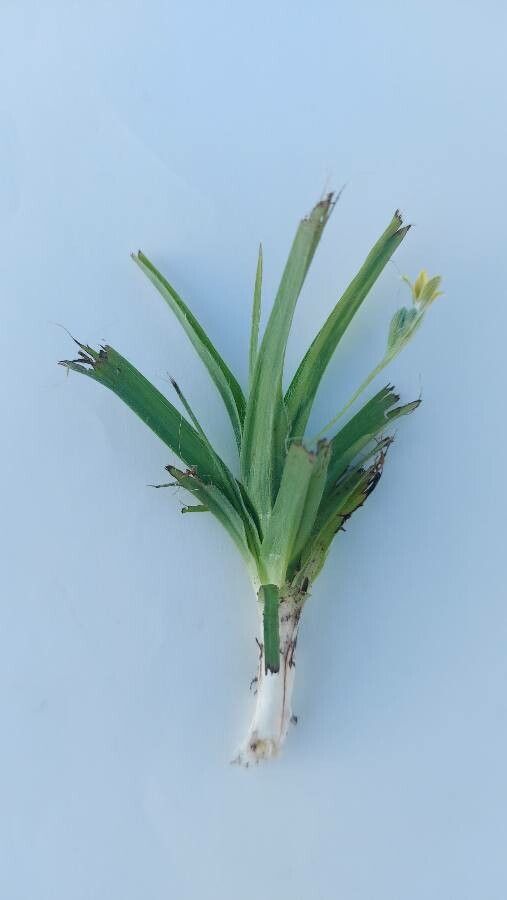
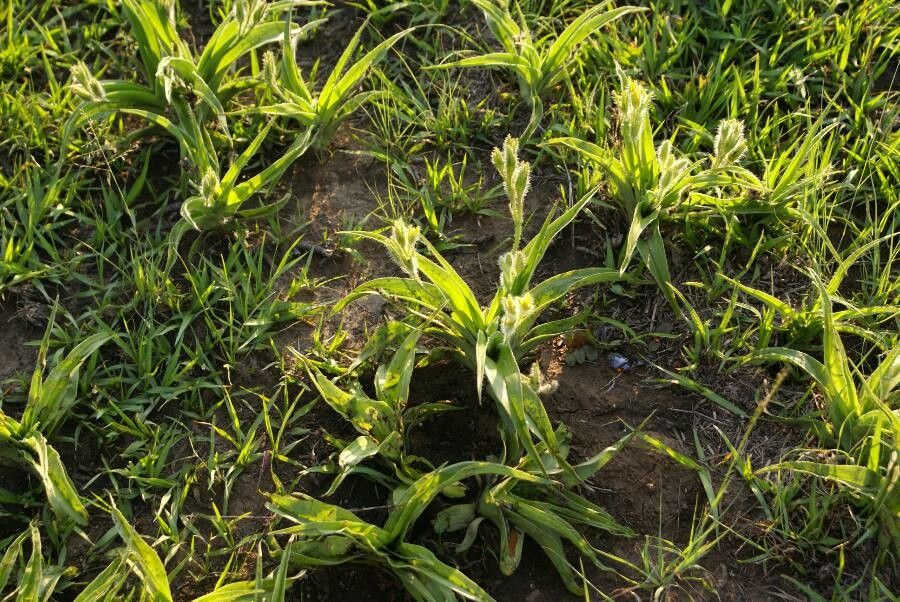
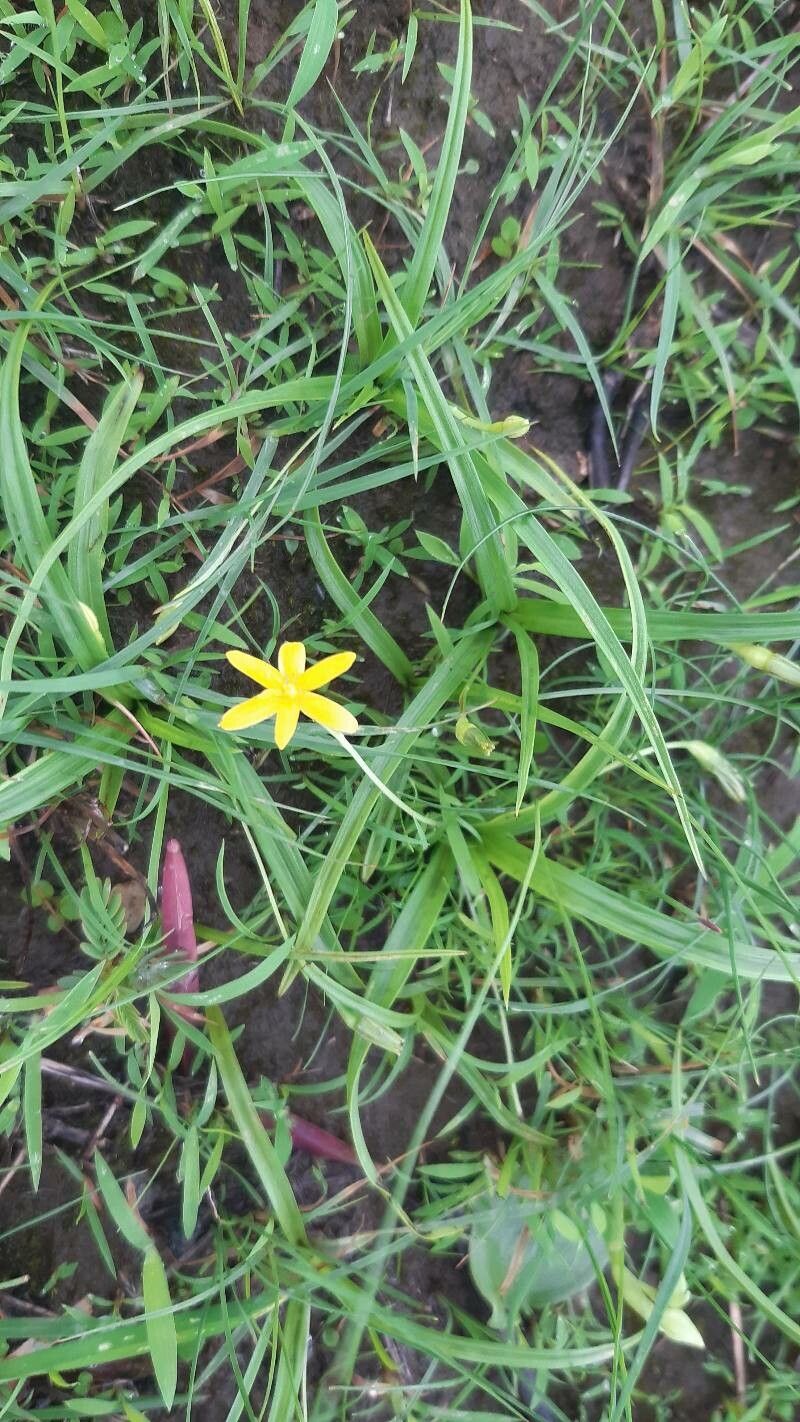
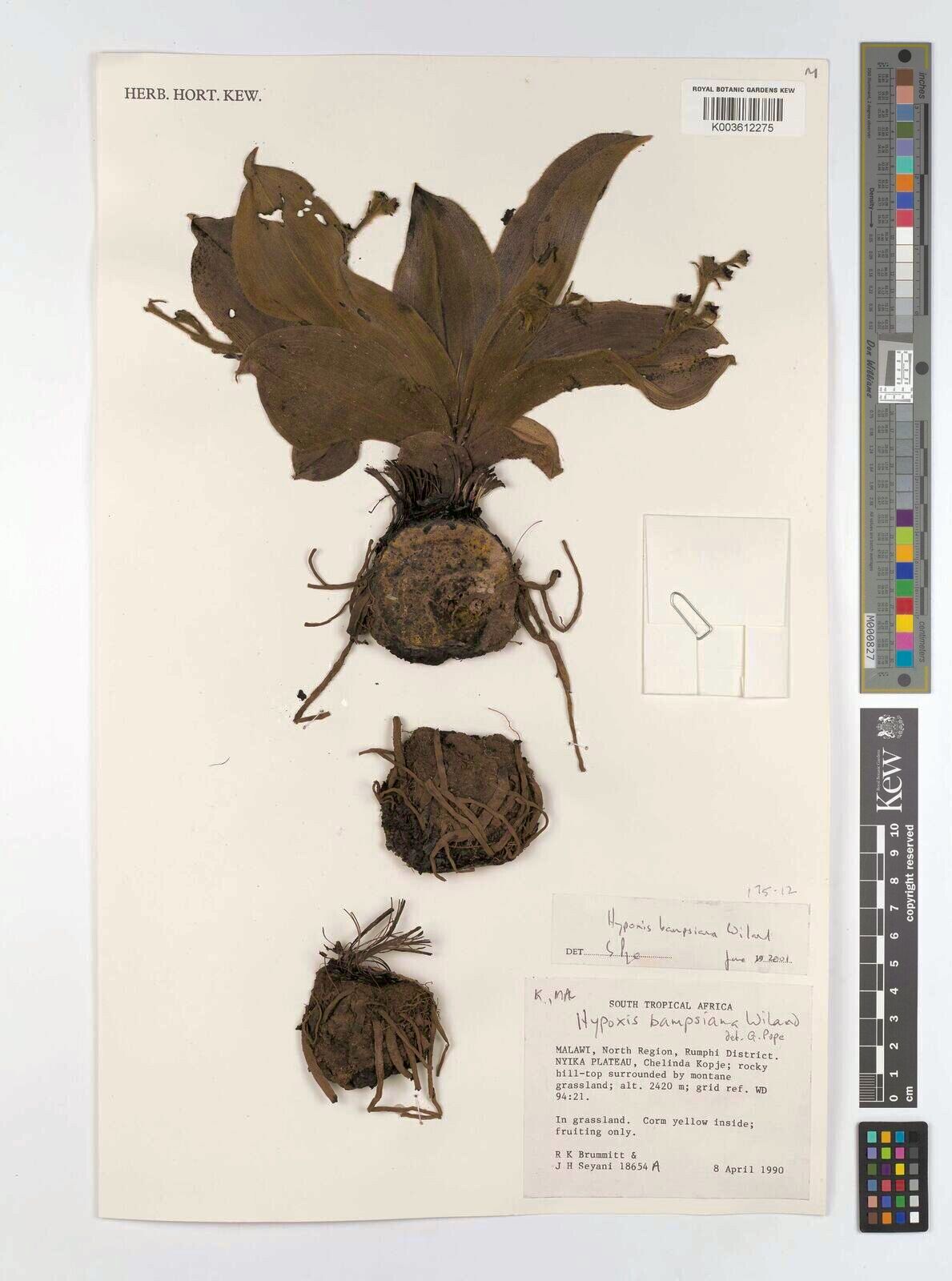
Hypoxis hemerocallidea, the African star grass or African potato, is a medicinal plant in the Hypoxidaceae family. It is native to southern Africa from South Africa as far north as Mozambique and Zimbabwe. This plant is the best known member of this genus.
The African potato is fairly disease-resistant and generally does not suffer from many illnesses. However, it can still be affected by pests and diseases present in its environment. Such infections are typically mild. In terms of upkeep, the plant requires moderate maintenance. Regular pruning is necessary to preserve its appearance and support healthy growth. Applying fertilizer can also encourage flowering. The African potato is suitable for anyone with an outdoor area, such as a garden or patio, and does not require extensive care experience. When grown indoors, it may need more attention.
How to keep Hypoxis Hemerocallidea.
Light
African potato is a sun-loving, perennial herbaceous plant native to open habitats and commonly found in meadows and grasslands. It prefers full sun but can also tolerate partial sun conditions.
Water
The African potato, native to Southern Africa, flourishes in areas with moderate rainfall and well-drained soil. For optimal growth, water the African potato weekly. As an herbaceous perennial, it thrives when grown outdoors, making the most of natural rain patterns to support its seasonal growth cycle.
Temperature
African potato is fairly adaptable to heat, tolerating high temperatures and wide temperature swings. In hot weather, care should be taken with watering and providing adequate shade to prevent sunburn. On the other hand, it has limited cold tolerance. While it can handle some chill, very low temperatures can cause frost damage.
Fertilizer
For African potato, the primary time to apply fertilizer is in early spring when flowers begin to form. The proper fertilizer promotes better blooms and helps the African potato produce attractive flowers. Fertilizing in early spring ensures strong flowers throughout the season and supplies energy for dormant growth stages.
Pruning
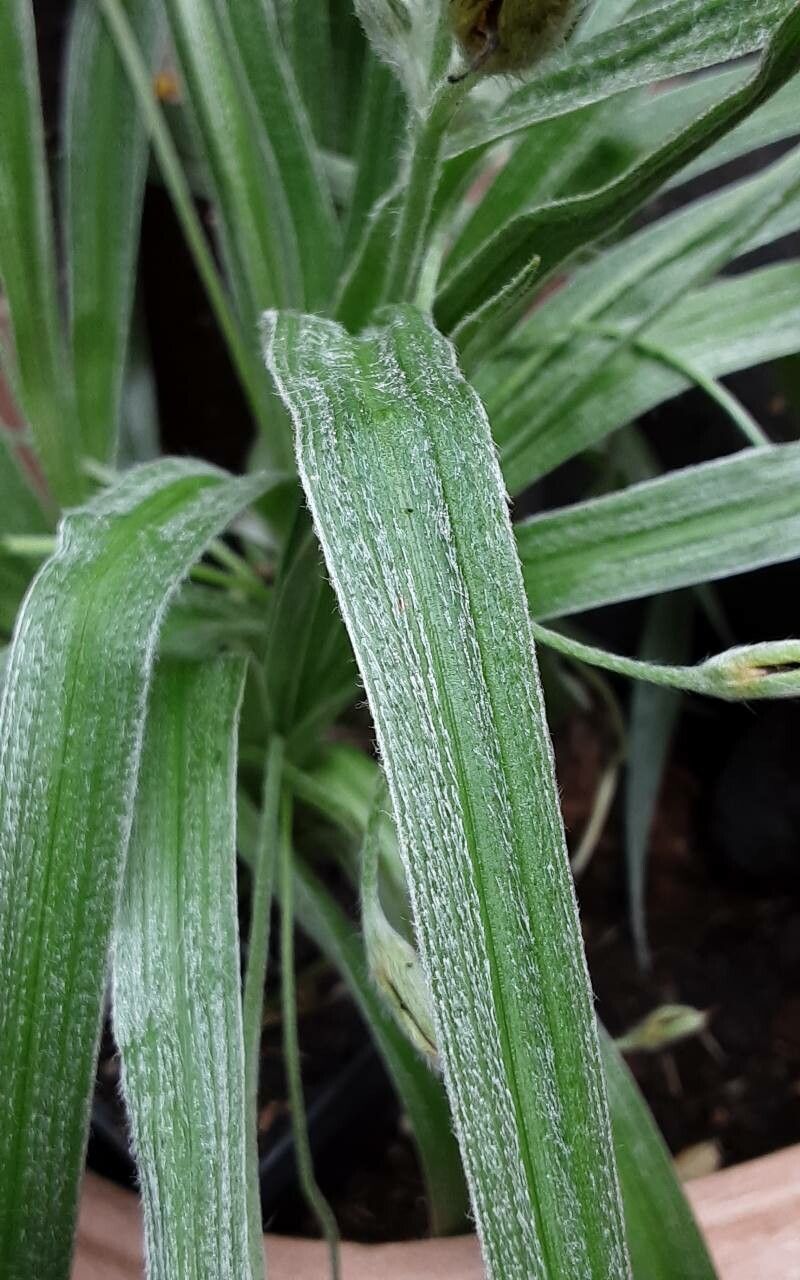
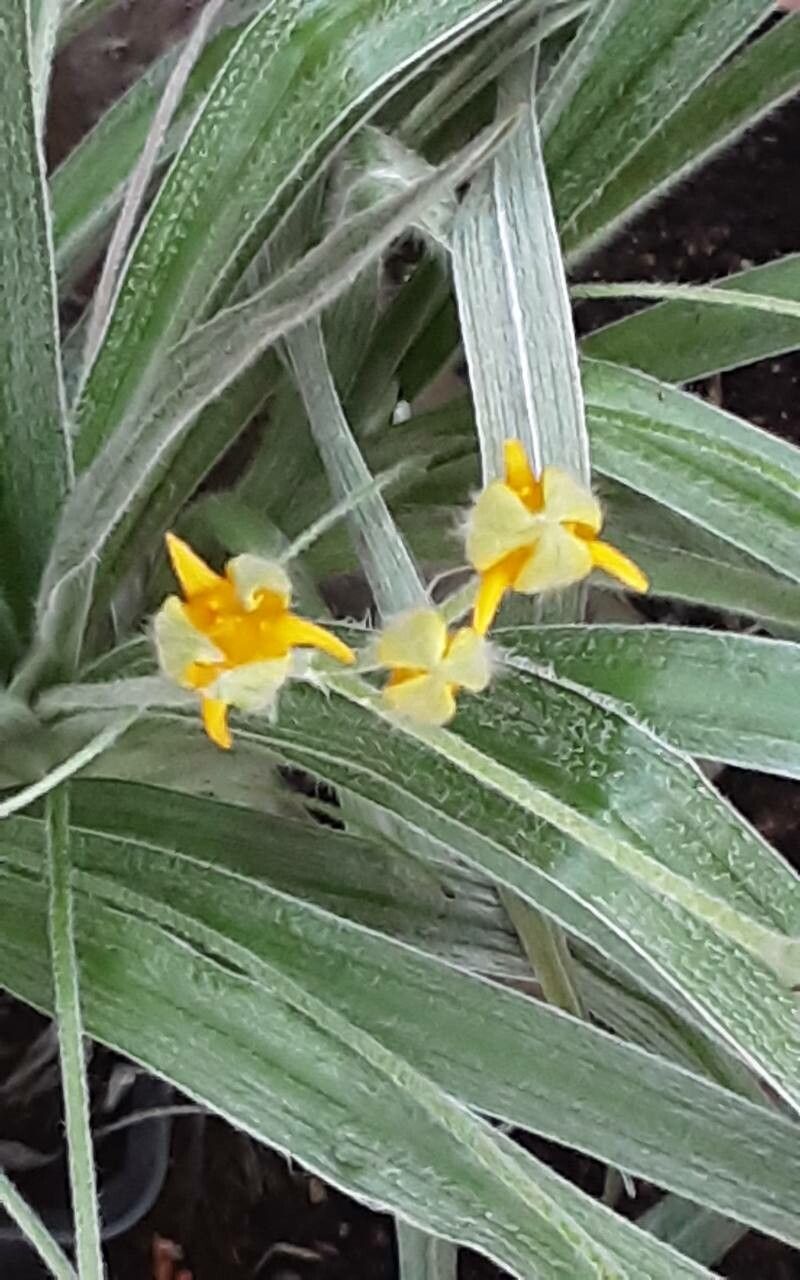
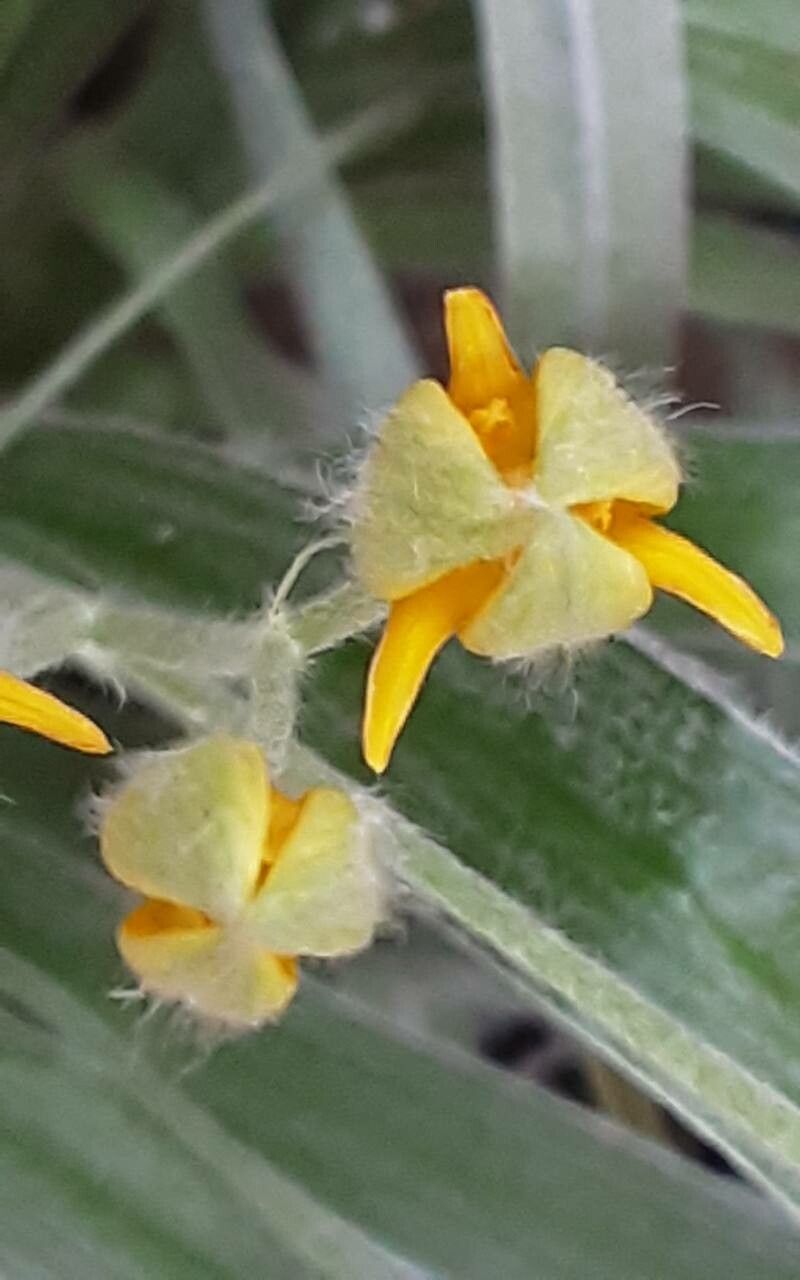
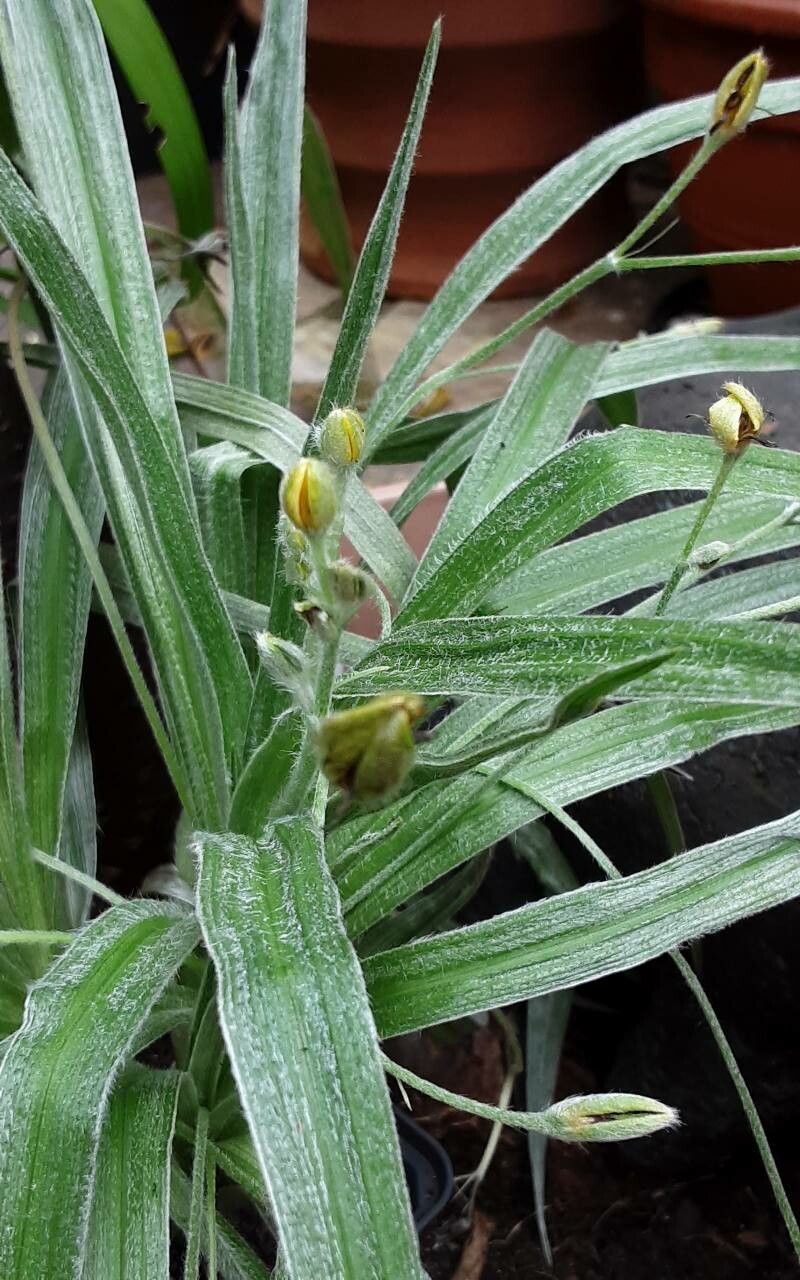
The African potato has grass-like leaves and bright yellow flowers. To enhance its growth, appearance, and vitality, it's important to prune the plant regularly from early to late spring. This includes removing dead leaves and spent flower stalks, which helps prevent disease and optimizes nutrient distribution.
Pot & Repot
To maintain the robust health of your compact African potato, repot it every 2–3 years. Use a medium-sized pot with good drainage to encourage healthy growth. After repotting, water the plant moderately and place it in partial sunlight to help it recover. Make sure the new pot is slightly larger to support its growth, but not so large that it risks causing rot.
Botanical profile.
- Plant Type
- Herb
- Life Cycle
- Perennial
- Genus
- Hypoxis
- Family
- Hypoxidaceae
- Hardiness Zone
- 8-11
- Mature Height
- 30 cm to 40 cm
- Mature Spread
- 20 cm to 30 cm
- Leaf Color
- Green
- Leaf Type
- Deciduous
- Flower Color
- Yellow
- Flower Size
- 2.03 cm to 3.05 cm
- Bloom Time
- Mid spring, Late spring, Early summer, Mid summer
- Planting Time
- Spring, Summer, Autumn
- Harvest Time
- Summer, Early fall
- Native Area
- Lesotho, Mozambique, South Africa, Eswatini, Botswana, Zimbabwe
Other names.
Reader questions.
What are the sun requirements for African potato (Hypoxis hemerocallidea)?
The African potato, or Hypoxis hemerocallidea, flourishes under specific sunlight conditions. Plants that receive above 6 hours of sunlight are considered to be in 'full sun,' which is ideal for those that thrive in bright environments. Those that receive about 3-6 hours of sunlight are said to be in 'partial sun,' suitable for species that prefer a balance between sunlight and shade. It is important to observe the way sunlight moves through your garden throughout the day. Selecting the ideal spots that offer the right blend of light and shade is crucial for the well-being of your plants, ensuring they grow happily and healthily.