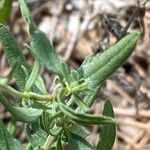
Hyssopus officinalis
Hyssop · Common Hyssop · Garden Hyssop · Herbal Hyssop · Wild Hyssop
Description
Source: leafsnapHyssopus officinalis, commonly known as hyssop, is a perennial herb belonging to the mint family. Native to the Mediterranean region, it has been utilized for medicinal and culinary purposes for centuries. The plant can grow up to 60 cm tall and features narrow, dark green leaves. Its small flowers, which are blue or purple, bloom from mid-summer to early fall. Hyssop has a strong aroma and flavor, reminiscent of mint or thyme. It contains essential oils such as thujone, pinocamphone, cineole, and camphor, which give it its distinctive scent. In traditional medicine practices around the world, such as Ayurveda and Traditional Chinese Medicine (TCM), hyssop was used to treat respiratory problems like coughs and bronchitis due to its expectorant properties, which help loosen phlegm from the lungs. In modern times, it's still incorporated into herbal medicine preparations like teas and tinctures. Additionally, it has found its way into culinary applications, where it is added fresh to salads, soups, and stews. Dried leaves of hyssop can also be included in spice blends like za'atar. Overall, Hyssopus officinalis is an easy-to-grow herb with a variety of medicinal and culinary uses.
🌳 Throughout the summer and fall, hyssop produces exceptionally attractive blooms that enhance the beauty of both cottage and herb gardens. Its spreading nature makes it an excellent choice for ground cover, while its flowers and evergreen foliage are popular in flower beds and along path borders. Gardens with hyssop attract bees, butterflies, and hummingbirds.
Care Guide
💧 Water Every 7 days
Hyssop thrives in Mediterranean climates due to its drought tolerance and preference for well-draining soil, which helps prevent root rot. While it requires weekly watering to maintain a balance of moisture, it can also withstand dry periods. Typically grown outdoors, hyssop flourishes in full sun.
How should I water my Hyssop plant?
To properly water the Hyssop, it is recommended to use filtered water at room temperature. Unlike tap water, filtered water is preferable because it lacks harmful particles. The Hyssop comes from a warm environment, so it's best to avoid using cold water as it may shock the plant. Additionally, it is advised not to water the plant from above, as this can lead to issues with the foliage. Instead, gently pour the filtered water onto the soil until it is completely saturated. This approach is highly beneficial for the plant, as it moistens the roots and aids in their spread throughout the soil, facilitating nutrient absorption.
What should I do if I give my Hyssop plant too much water or too little water?
Overwatering and underwatering can harm your Hyssop, but overwatering is more commonly an issue. When Hyssop gets too much water, its stems and leaves may wilt and turn yellow. Overwatering for a long time can also cause diseases like root rot, mold, and mildew, which can be fatal. While underwatering is less common because Hyssop can tolerate drought, it can still happen. When it does, the leaves become brittle and brown. It's crucial to identify signs of overwatering early when caring for your Hyssop. Some diseases caused by overwatering, like root rot, may be irreversible if not addressed promptly. Reduce your watering schedule immediately if you notice early signs of overwatering. Check the soil quality too, and replace it with loose, well-draining potting mix if it drains poorly. If signs indicate your Hyssop isn't getting enough water, simply water more regularly until the signs disappear.
How many times should I water my Hyssop plant?
If your Hyssop plant is in a pot, the most precise way to determine if it needs water is by checking the soil. Simply stick your finger into the soil and if the top two to three inches are dry, it's time to water. If you have your Hyssop planted outdoors in the ground, you can use a similar method to test the soil. Once the top few inches of soil have dried out, it's time to water. In the spring and early fall, watering about once a week is usually sufficient. However, during extremely hot weather, you may need to water two or more times a week. It's worth noting that mature and well-established Hyssop plants have a remarkable ability to withstand drought.
How much water should I give my Hyssop plant?
When watering your Hyssop, it's important not to hold back. Make sure the top few inches of soil are dry before watering. To thoroughly water the plant, soak the soil completely. Be sure to add enough water that it starts to drain out of the pot's drainage holes. If you don't see any excess water draining, you might not have watered enough. However, be careful not to let water accumulate in the soil, as this can harm the plant. If water isn't draining well, it could mean the soil doesn't drain properly, which is bad for the plant's health. If the plant is outside, watering with 1 inch of rain per week should be enough.
How do I water my Hyssop plant as it grows?
The water needs of the Hyssop can vary depending on its growth stages. When the Hyssop is in its early years or if it has recently been transplanted, it requires more water than usual. During these stages, the Hyssop focuses on growing new roots to support future growth, and these roots thrive with a bit more moisture. However, as the plant matures, it will require less water. Another growth stage that may require increased watering is during the bloom period. Flower development requires a significant amount of moisture, so giving the Hyssop more water during this time is beneficial.
☀️ Light Full sun
The hyssop prefers settings with abundant sunlight for most of the day but can also tolerate a moderate amount of light. The plant does best and is healthiest under these lighting conditions. Excessive exposure can damage it, while insufficient exposure can limit its growth. The environment where it originates reflects these light requirements.
What are the sunlight requirements for Hyssop to thrive?
Hyssop, known botanically as Hyssopus officinalis, flourishes in conditions where it receives abundant sunlight for most of the day but can also adapt to a moderate amount of sunlight. It requires full sun, which is above 6 hours of sunlight daily, or partial sun, about 3-6 hours of sunlight per day, to maintain optimal health. Overexposure or inadequate exposure to sunlight can affect the plant's growth and overall health negatively. Observing how sunlight interacts with your garden and choosing locations that offer the right balance of light and shade are crucial for the wellbeing of your Hyssop plants.
What to do if natural sunlight is insufficient for Hyssop?
When natural sunlight is insufficient, especially during winter or in less sunny spaces, artificial lighting can provide a viable solution for Hyssop plants. For optimal growth indoors, one should choose the right type of artificial light, such as LED lights that can offer specific wavelengths needed by plants. The amount of artificial light required varies by plant type: full sun plants need 30-50W/sq ft, partial sun plants 20-30W/sq ft, and full shade plants 10-20W/sq ft. The light source should be placed 12-36 inches above the plant, mimicking natural sunlight as closely as possible, and provided for 8-12 hours per day to promote faster and healthier growth.
How can you tell if a Hyssop plant isn't getting enough light?
Several symptoms indicate a Hyssop plant's light deficiency. New leaves may grow smaller than those previously matured, indicating inadequate light. The plant may exhibit leggy or sparse growth, characterized by longer spaces between leaves or stems, giving it a stretched-out appearance. Faster leaf drop and slower or halted growth are other signs of poor light conditions, as the plant conserves resources or enters survival mode. Lighter-colored new leaves or chlorosis, sunscald, leaf curling, wilting, and leaf scorching are additional symptoms that your Hyssop may display when it either receives too little or too much sunlight. These symptoms show the plant’s struggle to adapt to its lighting conditions.
What are some solutions for light-related issues in Hyssop?
To address light-related issues, gradually acclimatize your Hyssop to receive at least 6 hours of direct sunlight daily by moving it to a sunnier location each week. For indoor plants, use a south-facing window and keep curtains open during the day or consider using artificial lighting, like plant grow lights, if the plant is large or not easily movable, ensuring at least 8 hours of light daily. For outdoor plants, it's crucial to slowly adapt them to sunlight to prevent sunburn. Removing obstructions such as branches or leaves that block sunlight or transplanting smaller plants to a location with better sunlight and drainage during their dormant period can also be beneficial. Remember, parts of the plant that suffered from insufficient light may not recover, but new growth will be healthy following these adjustments.
🌡️ Temperature 0–37.8°C
Hyssop originates from areas where temperatures range from 32 to 100.4 °F (0 to 38 ℃). Hyssop prefers temperate climates, so adjusting its temperature requirements as the seasons change may not be necessary.
What is the native temperature range for Hyssop?
Hyssop, known botanically as Hyssopus officinalis, thrives in environments with a temperature range of 32 to 100.4°F (0 to 38°C). Native to temperate climates, hyssop typically does not require adjustments in its temperature needs with the changing seasons. Its strong cold resistance means that special frost protection measures are ordinarily not needed during winter. However, in regions where temperatures may drop below -35°C, providing cold protection by covering the plant with soil or straw is recommended. It is also advised to water the plant abundantly before the first freeze in autumn, to ensure the soil remains moist through winter, aiding in drought and water scarcity prevention for the plant.
What should I do if the temperature falls below -35°C?
Hyssop is remarkably cold-tolerant, ideally kept above 0°C and requires attention if winter temperatures fall below -30°C. At temperatures below -35°C, there might not be immediate noticeable changes, but the plant could exhibit a decrease in sprouting or fail to sprout during spring. To combat this, remove any parts that have failed to sprout once spring arrives.
How does high temperature affect Hyssop?
During the summer months, it's crucial to ensure that Hyssop's surrounding temperature does not exceed 38°C. Exposure to temperatures above 43°C can lead to the plant's leaves becoming lighter in color, curling, becoming prone to sunburn, and, in severe cases, the entire plant might wilt and dry out. To mitigate high temperature stress, trim away the sunburned and dried-up parts. Moving the plant to a shaded location, especially from the midday and afternoon sun, or using a shade cloth, can be beneficial. Furthermore, watering the plant in the morning and evening helps maintain soil moisture, providing relief from the heat.
💨 Humidity normal (40-60%)
This plant will thrive in moderate humidity, which is probably the level in your home. However, misting it a few times a week can be very beneficial. Make sure the room has good ventilation.
🪴 Soil 6-7
🌱 Fertilizer
To maximize Hyssop yield and flavor, supply ample nitrogen throughout the growth cycle, including pre-planting and at harvest. Well-watered and fertilized plants yield plentiful, healthy leaves and reduce bitterness. Before planting, amend the soil with organic matter such as compost or manure, ideally 2 to 8 weeks beforehand.
Why is it important to add fertilizer to my Hyssop plant?
Fertilization is important for the Hyssop for a few key reasons. Firstly, it provides crucial nutrients that support the plant's growth above and below the ground. However, the Hyssop's fertilization needs are generally low. While it may survive without fertilization at times, annual fertilization can greatly benefit the Hyssop. It helps to keep the plant alive and can even promote the production of better and longer-lasting flowers. Therefore, if you want your Hyssop to thrive and look its best, it's advisable to maintain annual fertilization.
When should I fertilize my Hyssop?
The best time to fertilize a Hyssop is in the late winter to early spring when it is coming out of its dormant phase and beginning to actively grow. Fertilizing during this time helps promote healthy growth and gives the plant a strong start for the season. Although it is generally best to fertilize in the early spring, it is also acceptable to fertilize in the fall. However, it is not recommended to fertilize a Hyssop during the summer or winter seasons.
When is the best time to not fertilize my Hyssop?
To avoid overfertilizing your Hyssop plant, it is best to only fertilize during late winter and early spring. This plant has low fertilization needs, so a single annual feeding is sufficient. Fertilizing during spring, summer, and fall can lead to overfertilization and its complications, unless you skipped fertilizing in spring, then it is acceptable to fertilize in fall. Additionally, there is no need to fertilize during winter as the Hyssop is in a dormant growth phase and doesn't produce new growth. Therefore, fertilizing during most of winter is not recommended.
What kind of plant food does my Hyssop require?
When choosing a fertilizer for Hyssop, most general-purpose types with a balanced mixture of the three main plant nutrients will suffice. However, there are specific nutrient blends that can provide even greater benefits. One belief among gardeners is that a higher phosphorus content in the fertilizer enhances root strength and flower quality. As Hyssop is a flowering plant, using a phosphorus-rich fertilizer may be the best choice. Whether in granular or liquid form, the key is to ensure that the fertilizer contains plenty of nutrients. In addition to manufactured fertilizers, you can also enhance the soil for your Hyssop using organic methods such as compost, manure, and similar materials. These can greatly contribute to creating a healthy growth medium for your Hyssop.
How should I make my Hyssop grow better?
To fertilize a Hyssop plant, the most common method is to use a granular or pellet fertilizer. It is important to remember that the best time to fertilize is when the plant is transitioning from its dormant winter phase to active growth. When early spring arrives and the plant starts sending shoots through the soil, that's when you should apply the fertilizer. Alternatively, some people prefer using liquid fertilizer instead of granular. If you choose this option, make sure to dilute the fertilizer with water before applying it. Regardless of which type of fertilizer you use, it is always recommended to moisten the soil before, during, and after applying the fertilizer.
🪴 Pot & Repot Every 12 months
✂️ Pruning
Hyssop is a perennial herb known for its aromatic leaves and vibrant flowers. To maintain its health and appearance, it's important to prune it from early to late spring. Begin by removing any dead stems, and then trim back one-third of the growth from the previous year. This process helps to encourage a dense and well-shaped plant. According to horticultural experts, regular pruning enhances the herb's vitality and increases its blooming potential.
🌿 Propagating
🐛 Diseases & pets
☠️ Toxicity
Characteristics
- Plant Type
- Herb, Shrub
- Life Cycle
- Perennial
- Genus
- Hyssopus
- Family
- Lamiaceae
- Hardiness Zone
- 3-11
- Mature Height
- 30 cm to 61 cm
- Mature Spread
- 46 cm to 61 cm
- Leaf Color
- Green, Gray
- Leaf Type
- Semi-evergreen
- Flower Color
- Purple, Lavender
- Flower Size
- 2.54 cm
- Bloom Time
- Early summer, Mid summer
- Planting Time
- Spring
- Harvest Time
- Mid summer