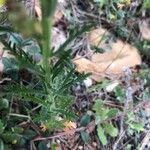
Iberis amara
Bitter candytuft · Rocket candytuft · Wild candytuft · Annual candytuft
Description
Source: leafsnapIberis amara, called wild candytuft, rocket candytuft and bitter candytuft, is a species of flowering plant in the family Brassicaceae, native to Belgium, France, Germany, Great Britain, Italy, Spain, and Switzerland. It has been introduced to numerous locations including Algeria, Sweden, Eastern Europe, the Caucasus, Iraq, Kazakhstan, the Indian Subcontinent, Korea, Far Eastern Russia, New Zealand, Argentina, Ecuador, Hispaniola, the United States, and Canada. It prefers to grow in warm and sunny conditions, in high-calcium soil.
Care Guide
💧 Water Every 7 days
The annual candytuft, native to the Mediterranean, thrives in well-drained soil and requires consistent moisture without becoming waterlogged. To encourage growth and flowering, water it weekly. Since candytuft only blooms during a single growing season, careful watering is essential to produce vibrant flowers, especially when the plant is grown outdoors.
How should I water my Annual candytuft plant?
There are various options for watering Annual candytuft, such as using a garden hose with a spray nozzle, a watering can, or any other common watering tool. This plant is not too demanding when it comes to water type, as it can thrive with rainwater, tap water, or filtered water. However, it is generally recommended to avoid watering from above, as it can harm the leaves and flowers and potentially cause disease. Instead, a drip irrigation system is often the best watering method as it delivers water evenly and directly to the soil. If you have a container-grown Annual candytuft, you can follow a similar approach but using a cup, watering can, or tap water to water the soil directly.
What should I do if I give my Annual candytuft too much or too little water?
If you notice that your Annual candytuft is not getting enough water, simply start watering it more regularly. However, overwatering can cause serious issues, including disease and death. To prevent this, choose a sunny location with good drainage for your plant. If you overwater your potted candytuft, consider changing it to a new pot with better drainage and loose soil.
How often do I need to water my Annual candytuft?
To properly care for your annual candytuft, it's important to water it regularly. Generally, watering once a week is sufficient during the spring. However, as the weather gets hotter, you may need to increase watering to two or three times per week. Make sure not to overwater, as this can harm your plant. It's also crucial to keep the soil moist but not saturated, regardless of how often you water. Watering a potted candytuft requires more attention, as the soil in the pot can dry out faster. In most cases, plan to water a container-grown candytuft a few times per week, compared to just once per week for a plant in the ground.
How much water does my candytuft need each year?
There are a few different ways to determine how much water your Annual candytuft needs. One method is to feel the soil for moisture and water until the first six inches are moist. Another option is to use a set measurement, like two gallons per week, adjusting based on temperature and soil dryness. However, following strict guidelines might result in overwatering. When growing in a container, check the moisture levels by sticking your finger in the soil or looking for excess water draining out of the pot.
How can I know if I'm giving enough water to my Annual candytuft?
Avoiding overwatering your Annual candytuft can be a bit tricky. While these plants have deep roots that require weekly soil moisture, they are also highly prone to root rot and browning if overwatered. Underwatering is less of an issue as these plants can survive without additional watering for a while. However, prolonged drought can cause wilting and dry leaves.
☀️ Light Full sun
The annual candytuft prefers abundant sunlight and performs best in conditions like its sun-drenched native habitat. Insufficient sun can cause poor growth and lackluster blooms. Conversely, too much sun can lead to overexposure and may scorch leaves and petals. Its sunlight requirements remain the same throughout all stages of its life.
What are the sunlight requirements for Annual Candytuft?
Annual candytuft requires significant sunlight exposure to flourish, ideally thriving under full sun conditions for more than 6 hours daily. It can also tolerate partial sun, receiving about 3-6 hours of sunlight each day. It’s critical to observe the movement of sunlight in your garden to ensure plants receive the appropriate balance of light and shade, thereby promoting optimal growth and flower production. An inadequate amount of sunlight might result in stunted growth and lackluster blooms, whereas too much sun exposure can lead to scorching of leaves and petals. The plant's requirement for sunlight remains constant throughout its life stages.
How can artificial lighting be used for Annual Candytuft indoors?
For indoor annual candytuft plants, especially when natural sunlight is insufficient, artificial lighting serves as an essential substitute to mimic sunlight conditions. LED lights are recommended due to their ability to provide specific light wavelengths needed for plant growth. Full sun plants require 30-50 watts per square foot of artificial light, partial sun plants 20-30 watts per square foot, and full shade plants 10-20 watts per square foot. The light should be placed 12-36 inches above the plant to simulate natural sunlight and be kept on for 8-12 hours per day to emulate the natural daylight duration.
What are the symptoms of insufficient or excessive sunlight exposure in Annual Candytuft?
Annual candytuft may show various symptoms depending on the light conditions. Insufficient light can lead to smaller new leaves, leggy or sparse growth, quicker leaf drop, slower or halted growth, and paler new leaves. In contrast, too much sunlight may cause chlorosis (leaves turning yellow), sunscald, leaf curling as a defense mechanism, wilting due to water loss, and leaf scorching characterized by brown, dry edges. These symptoms provide insights into the plant's health and its need for either more or less sunlight.
How can I address sunlight-related issues for Annual Candytuft?
To handle sunlight-related issues with annual candytuft, gradually adjust the plant's sunlight exposure. Indoors, move the plant to a sunnier spot progressively, aiming for at least 6 hours of direct sunlight by using a south-facing window or considering artificial light for added exposure. Outdoors, likewise, adapt your plants to brighter locations slowly to prevent sunburn. Reducing obstructions and considering transplanting during dormant periods for ground plants can also help in optimizing light intake. While parts suffering from poor light may not recover, new growth will flourish under improved conditions.
🌡️ Temperature 10–35°C
Annual candytuft is native to environments where temperatures typically range from 68 to 95 °F (20 to 35 ℃). It has a strong preference for these warmer climates. Be mindful to adjust its surroundings, particularly in cooler seasons, to replicate this natural habitat.
What is the native environment of Annual candytuft?
Annual candytuft is native to environments where temperatures typically range between 68 to 95 °F (20 to 35 °C). It thrives in these warmer climates, and it's important to adjust the plant's surroundings, particularly in cooler seasons, to replicate this natural habitat. Despite its strong cold resistance, special frost protection measures should be considered if winter temperatures are expected to drop below -25°C, by covering the plant with materials such as soil or straw. Moreover, before the first freeze in autumn, it is recommended to water the plant abundantly to ensure the soil remains moist and enters a frozen state, which helps prevent drought and water scarcity for the plant during winter and early spring.
How does low temperature affect Annual candytuft, and what are the solutions?
Annual candytuft is cold-tolerant and performs best when the temperature remains above 20°C. It should be kept above 0°C during the winter. When the temperature falls below -25°C, there may not be any noticeable changes during winter, but there might be a decrease in sprouting or even no sprouting at all during springtime. To address this, in spring, remove any parts of the plant that have failed to sprout.
What is the impact of high temperature on Annual candytuft, and how can these issues be mitigated?
During summer, it is crucial to ensure that the Annual candytuft's surrounding temperature does not exceed 35°C. Temperatures above 38°C can cause the leaves to lighten in color, become prone to curling, susceptible to sunburn, and in severe cases, the entire plant may wilt and dry out. To mitigate these issues, trim away the sunburned and dried-up parts of the plant. Relocate the plant to an area that offers shade during the midday and afternoon sun, or use a shade cloth. Additionally, watering the plant in the morning and evening helps keep the soil moist, which is crucial for its survival in high temperatures.
💨 Humidity
🪴 Soil 5-7
🌱 Fertilizer
Once most of Annual candytuft's blooms have opened to full size, resume fertilizing. Around the time the blooms are at peak output, fertilize once every three to four weeks, weather permitting. Then, after Annual candytuft begins to produce fewer new blooms, stop fertilizing; there is no need to fertilize when the plant can no longer produce more blooms.
Why do I have to put fertilizer on my Annual candytuft?
Gardeners understand that plants need nutrients to survive. For Annual candytuft, without sufficient food, it will wither after the first pollination. To maintain a healthy and blooming Annual candytuft, it is crucial to provide the right nutrients in the correct amounts. Using fertilizer aids in developing a strong root system for this delicate plant. By fertilizing at planting, Annual candytuft can establish a stable and solid root structure, allowing for a dazzling display of flowers. Timely fertilization can significantly prolong the flowering period of Annual candytuft.
When should I fertilize my Annual candytuft for the best results?
Annual candytuft experiences rapid growth in the early growing season, after the last frost risk has passed. During this time, it is advised to fertilize the plant, specifically during planting. Whether it's planted in the ground or in planters, this initial dose of fertilizer should suffice until later in the year when blooms are abundant. Once the season is fully underway and most of the blooms have reached their full size, it is time to resume fertilizing. This should be done every three to four weeks, as weather conditions allow, coinciding with the peak bloom period. However, once Annual candytuft starts producing fewer new blooms, it's best to stop fertilizing as there is no need to fertilize a plant that can no longer produce blooms.
When is it not a good idea to put fertilizer on my Annual candytuft?
Regular fertilizing is important for Annual candytuft, but it is crucial to apply it at the right time. Sometimes, it is necessary to hold back on fertilizer application due to certain factors. These factors include climate conditions and other controllable issues. If something is wrong with the plant, soil, or climate, it is best to wait until the issue is resolved and the plant has recovered before fertilizing. For example, if there are sudden severe changes in the weather, such as a cold snap in the middle of summer, it is advisable to wait until the weather becomes warm again before applying fertilizer. Similarly, if the soil is too dry or compacted, it is best to refrain from fertilizing as the fertilizer will not be effectively absorbed by the roots. During high temperatures, such as when it reaches the 90-degree Fahrenheit range, it is not recommended to apply fertilizer. This is because fertilizers can break down at different rates depending on temperature, and it is important to prevent them from breaking down too quickly in hot temperatures. Additionally, it is important to treat and clear up any pests or diseases before applying fertilizer again.
What kind of plant food does my Annual candytuft need?
Annual candytuft requires a specific balance of nutrients from fertilizer, mainly in the form of a high-yield blooming plant fertilizer. The best option is a fertilizer with a higher level of phosphorus, indicated by a higher P number in its NPK number (such as 10-30-10). Many fertilizer brands offer a suitable fertilizer for blooming plants like Annual candytuft, which is an effortless way to provide the necessary nutrients. If using a pre-mixed fertilizer, it's important to follow the package instructions to avoid over or under fertilizing the Annual candytuft, as both can negatively impact its growth and even cause wilting.
How should I fertilize my Annual candytuft?
When it comes to fertilizing Annual candytuft, the instructions can vary depending on the type of fertilizer you're using. However, here are some general tips that can apply to most fertilizers. For the initial fertilizer application, which should be done when planting the Annual candytuft, you'll need to mix the recommended amount of fertilizer into the soil before planting and water the plants. For subsequent fertilizing, the process may be a bit different. If you're using pellet fertilizers, simply mix the pellets into the top inch of soil around the outer edge of the plant where the roots are. Make sure to water them in thoroughly at first and then water regularly afterwards. For other types of fertilizers, you can mix them into a watering can and apply them like a regular watering. Follow any instructions on the fertilizer packaging for consistency. If you prefer a regular schedule, aim to fertilize every three to four weeks.
🪴 Pot & Repot
✂️ Pruning
Annual candytuft produces clusters of fragrant white flowers. To encourage denser growth and more vibrant blooms, prune the plant from early to late spring. Be sure to remove any spent flowers and damaged stems to improve air circulation and overall plant health. Avoid excessive pruning during the summer, and always use clean tools to prevent infections.
🌿 Propagating
🐛 Diseases & pets
☠️ Toxicity
Annual Candytuft is considered non-toxic to people and pets. However, it's best to avoid ingesting large quantities as the plant may cause stomach upset, especially in sensitive individuals.
Characteristics
- Plant Type
- Herb
- Life Cycle
- Annual, Perennial
- Genus
- Iberis
- Family
- Brassicaceae
- Hardiness Zone
- 6-9
- Mature Height
- 15 cm to 30 cm
- Mature Spread
- 20 cm
- Leaf Color
- Green
- Leaf Type
- Semi-evergreen
- Flower Color
- White
- Flower Size
- 2.54 cm
- Bloom Time
- Mid spring, Late spring, Early summer
- Planting Time
- Spring, Summer
- Harvest Time
- Summer
- Native Area
- Germany, Italy, Spain, Switzerland, France, United Kingdom, Croatia, Belgium, Netherlands