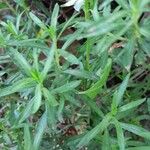
Iberis gibraltarica
Gibraltar candytuft · Gibraltar Candy-tuft
Description
Source: leafsnapIberis gibraltarica, the Gibraltar candytuft, is a flowering plant of the genus Iberis and the family Brassicaceae. It is the symbol of the Upper Rock Nature Reserve in Gibraltar, but is a native of North Africa. Gibraltar is the only place in Europe where it is found growing in the wild. The candytuft grows from crevices in the limestone, and is often seen growing in abundance from the north face of the Rock of Gibraltar. Its flowers range from pale violet to almost white, and can reach up to 8 cm (3.1 in) across.This species of candytuft is the national flower of Gibraltar, where it appeared on the local 50 pence coin between 1988 and 1989.
Care Guide
💧 Water
The Gibraltar candytuft flourishes in dry regions and is highly drought-tolerant. It needs minimal watering, usually just once a week, and its evergreen leaves retain moisture throughout the year. This characteristic makes the plant less reliant on frequent irrigation.
How should I water my Gibraltar candytuft?
To properly water the Gibraltar candytuft, it is best to use filtered water at room temperature. Tap water may contain harmful particles for this plant. It is important to use room temperature or slightly warmer water because this plant is accustomed to warm environments and cold water can be a shock to it. Avoid overhead watering as it can cause issues with the foliage. Instead, apply the filtered room temperature water directly to the soil until it is completely soaked. This helps moisten the roots and allows them to spread and collect nutrients from the soil effectively.
What do I need to do if I give my Gibraltar candytuft too much or too little water?
Overwatering is a common issue for Gibraltar candytuft and can cause wilting, yellowing of stems and leaves, as well as diseases like root rot, mold, and mildew that can be fatal. Underwatering is less likely, but can cause brittle and brown leaves. It is important to notice signs of overwatering early and reduce watering immediately. Check the soil's drainage and replace it if necessary. If underwatering is detected, simply increase watering until the signs improve.
How often should I water my Gibraltar candytuft? How often should I give water to my Gibraltar candytuft?
If your Gibraltar candytuft plant is in a pot, the best way to check if it needs water is by sticking your finger into the soil. If the top two to three inches of soil are dry, it's time to water it. If you are growing the plant outdoors in the ground, you can use the same method to check the soil. Once again, if the first few inches of soil have dried out, it's time to water. Usually, during spring and early fall, you'll need to water the plant about once a week using this method. However, during extremely hot weather, you may need to increase watering to twice a week or more. It's important to note that mature, well-established Gibraltar candytuft plants can tolerate drought well.
How much water does my Gibraltar candytuft plant need?
To properly water your Gibraltar candytuft, be generous with the amount of water you give. Make sure the top two to three inches of soil are dry before watering. Give enough water to saturate the soil completely, causing excess water to flow out of the pot's drainage holes. If no excess water is draining, you may have not given enough water. However, be cautious of water accumulating in the soil, as it can harm the plant. Poor drainage in the soil can also be detrimental, so make sure to avoid it. If the plant is outdoors, 1 inch of rain per week should be enough.
How do I water my Gibraltar candytuft at different stages of growth?
The water needs of the Gibraltar candytuft can vary depending on its growth stages. When it is in its early years or newly transplanted, it will require more water than usual. During these stages, the plant will focus on developing new roots to support future growth, and these roots require additional moisture. As the plant matures over a few seasons, it will need less water. Another stage in which it may need more water is during the bloom period, as flower development can utilize a significant amount of moisture.
☀️ Light Full sun
Gibraltar candytuft is a sun-loving, perennial herbaceous plant native to open habitats and commonly found in meadows and grasslands. It prefers full sun but can also tolerate partial sun.
What are the sunlight requirements for Gibraltar candytuft?
Gibraltar candytuft thrives in full sun, requiring more than 6 hours of sunlight daily, but it can also tolerate partial sun conditions, which means about 3-6 hours of sunlight. It's important to observe how sunlight moves through your garden to ensure that you place your Gibraltar candytuft in a spot that provides an optimal balance of light and shade, contributing to the plant's wellbeing.
How does Gibraltar candytuft react to different light conditions, and what are the possible symptoms of inadequate lighting?
Gibraltar candytuft, when exposed to inadequate lighting, might not show immediate symptoms, but over time, you may notice signs such as smaller new leaves, leggy or sparse growth due to longer spaces between leaves or stems, premature leaf drop, delayed or halted growth, paler new leaves, and conditions like chlorosis, sunscald, leaf curling, wilting, and leaf scorching. These symptoms stem from either too little or too much sunlight, with the plant either struggling to perform photosynthesis efficiently or trying to minimize damage from excessive sunlight.
What are efficient solutions for managing Gibraltar candytuft's exposure to sunlight?
For optimal growth, gradually shifting your Gibraltar candytuft to receive at least 6 hours of direct sunlight daily is beneficial. Indoors, you can achieve this by placing it near a south-facing window or using artificial light sources like desk lamps or professional grow lights for a minimum of 8 hours daily. Outdoors, moving your plant to sunnier locations gradually each week helps prevent sunburn. Additionally, for plants grounded outdoors where sunlight is obstructed, pruning nearby trees or transplanting the plant to a sunnier spot with good drainage can improve light exposure. Note, parts of the plant affected by past sunlight insufficiency may not recover, but new growth should be healthy with better light conditions.
How can artificial lighting be used to supplement sunlight for Gibraltar candytuft?
Indoor Gibraltar candytuft plants can benefit from artificial lighting, especially when natural light is insufficient. LED lights are recommended as they can be customized for the plant's needs, with full sun plants requiring 30-50W/sq ft, partial sun plants 20-30W/sq ft, and full shade plants 10-20W/sq ft of light. The artificial light source should be placed 12-36 inches above the plant to simulate natural sunlight and provided for 8-12 hours per day depending on the plant species’ natural daylight hours.
🌡️ Temperature 15–35°C
Gibraltar candytuft can tolerate a wide range of temperatures, but its distribution may still be constrained by different combinations of moisture and heat. It does best in warm summer conditions with sufficient rainfall or watering. Extended periods of cloudy, rainy weather or prolonged high temperatures can raise the chance of Gibraltar candytuft dying. In winter, adequate protection from cold can increase the plant's survival rate.
What is the common name of Iberis gibraltarica?
The common name of Iberis gibraltarica is Gibraltar candytuft.
What botanical information is available for Gibraltar candytuft?
Gibraltar candytuft is known botanically as Iberis gibraltarica. Beyond its naming, there doesn't appear to be additional botanical information provided in the data.
💨 Humidity
🪴 Soil 6-7
🌱 Fertilizer
For Gibraltar candytuft, a single spring application of fertilizer is generally adequate, though multiple feedings can enhance growth. Apply fertilizer every month to month and a half. Fertilization improves the leaves' appearance and function, maintaining even color and a healthy texture. It also encourages root development and nutrient uptake, supporting long-term plant health.
Why do I have to put fertilizer on my Gibraltar candytuft?
The main structure of the Gibraltar candytuft is formed by its leaves, and fertilization is an important factor in maintaining the appearance and function of these leaves. By properly fertilizing, you can ensure that your Gibraltar candytuft maintains consistent leaf color and a healthy texture. Fertilization also has benefits below the soil's surface, as it helps the plant develop new roots and maintain existing ones within the root system. This means that fertilization not only keeps the plant healthy in the present, but also improves its ability to absorb nutrients from the soil in the future.
When should I fertilize my Gibraltar candytuft for the best results?
If you grow your Gibraltar candytuft outdoors, it will start growing new leaves in early spring, indicating that it's time to fertilize. Usually, one application of fertilizer is enough for the candytuft to thrive. However, if you want to maximize its growth, you can fertilize it several times during spring and early summer, about once every month to a month and a half.
When is the best time to not use fertilizer on my Gibraltar candytuft?
During the late fall and winter, your Gibraltar candytuft goes into a dormant phase where it doesn't grow anymore. Avoid fertilizing it during this time. In the spring and summer, if you choose to fertilize multiple times, start reducing the amount as summer comes because the growth rate of your Gibraltar candytuft slows down too. Overall, it's not a good idea to fertilize your Gibraltar candytuft when the weather is unusually hot or the soil is very dry. Fertilizing in these conditions can stress and harm your Gibraltar candytuft.
What kind of fertilizer does my Gibraltar candytuft plant need?
Fortunately, choosing the right fertilizer for a Gibraltar candytuft is simple. These plants thrive on a garden fertilizer with equal parts nitrogen, phosphorus, and potassium. Aim for a 10-10-10 ratio or something similar for best results. Avoid fertilizers high in nitrogen if unsure. Granular fertilizers, especially slow-release ones, are ideal for Gibraltar candytuft. Applying them to the soil is a breeze. Additionally, using organic soil amendments like compost can be beneficial when feeding your Gibraltar candytuft.
How should I fertilize my Gibraltar candytuft?
To ensure proper growth of your Gibraltar candytuft, follow these steps. First, wait for the plant's leaves to appear in early spring. Then, apply a balanced granular slow-release fertilizer to the soil around the base of the plant. If necessary, you can repeat this process later in the season. Remember to apply the fertilizer to the soil, not the plant itself. You may need to move aside some leaves to access the roots. Additionally, it is recommended to water the plant before and after fertilizing.
🪴 Pot & Repot 2-3 years
When repotting Gibraltar candytuft, choose a pot 1–2 inches (2.5–5.1 cm) larger with good drainage. Use a well-draining potting mix. Repot in spring or fall, making sure the root ball sits slightly lower than the rim of the pot. Water thoroughly after repotting and keep in a warm spot with indirect sunlight.
✂️ Pruning
To help Gibraltar candytuft flourish, it's important to prune it from early to late spring. Pruning during this time enhances growth and encourages more blooms. After the flowers have bloomed, trim the plant to shape it and remove any spent flowers. This not only improves the plant's appearance but also reduces the risk of disease. Regular pruning results in denser foliage and a vibrant floral display, which can greatly enrich any garden setting.
🌿 Propagating
🐛 Diseases & pets
☠️ Toxicity
Characteristics
- Plant Type
- Herb
- Life Cycle
- Perennial
- Genus
- Iberis
- Family
- Brassicaceae
- Hardiness Zone
- 7-10
- Mature Height
- 30 cm
- Mature Spread
- 30 cm
- Leaf Color
- Dark Green
- Leaf Type
- Evergreen
- Flower Color
- White, Lavender
- Flower Size
- 1.52 cm to 2.03 cm
- Bloom Time
- Spring
- Planting Time
- Spring, Summer, Autumn
- Harvest Time
- Summer
- Native Area
- Morocco