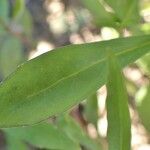
Iberis umbellata
Garden candytuft · Annual candytuft · Globe candytuft · Common candytuft · Umbellate candytuft
Description
Source: leafsnapIberis umbellata, commonly known as candytuft, is a flowering plant belonging to the Brassicaceae family. Native to the Mediterranean region, it can also be found in various parts of Europe and Asia. This plant grows up to 30 cm in height and produces clusters of small white or pink flowers that bloom from late spring through summer. Candytuft is a popular choice for gardens due to its attractive flowers and easy-to-grow nature. It prefers well-drained soil with full sun exposure but can tolerate partial shade. While the plant requires regular watering during dry periods, it can endure short spells of drought. Historically, candytuft has been used for medicinal purposes, primarily due to its anti-inflammatory properties. It has also served as a natural remedy for respiratory ailments such as coughs and bronchitis. In summary, Iberis umbellata, or candytuft, is not only a visually appealing garden plant but also comes with medicinal benefits, making it an excellent addition to any garden or landscape design.
🎭 Apathy, kindness and loveliness.
Care Guide
💧 Water Every 7 days
Globe candytuft, native to the Mediterranean, thrives in dry, sunny conditions and can withstand moderate drought. To avoid waterlogging, water it weekly. This outdoor plant flourishes in full sun and is ideal for rock gardens or borders. During the peak growing season, monitor moisture levels carefully for optimal flowering.
How should I water my Globe candytuft plant?
Globe candytuft can be easily watered using various tools such as a garden hose with a spray nozzle or a watering can. They are not too particular about the type of water they receive, whether it's rainwater, tap water, or filtered water. It's advisable to avoid watering this plant from overhead to prevent damage to the leaves and flowers and minimize the risk of disease. Drip irrigation systems work effectively for watering Globe candytuft by providing even and direct watering to the soil. When watering a container-grown Globe candytuft, simply use a cup, watering can, or tap water to apply water directly to the soil.
What should I do if I give my Globe candytuft too much or too little water?
Underwatering Globe candytuft can be fixed by simply watering it more regularly when you notice it lacking moisture. On the other hand, overwatering can be more serious and lead to diseases and even death of the plant. To prevent this, it is important to choose a proper location for growing, with plenty of sunlight to dry the soil and good drainage to prevent waterlogging. If you have overwatered Globe candytuft in a pot, consider changing it to a new pot with better drainage. When repotting, make sure to use loose soils and a pot that drains efficiently.
How frequently should I water my Globe candytuft?
To keep your Globe candytuft healthy, it's important to water it regularly. In the spring, you should water the plant once a week. As the season progresses and it gets hotter, you may need to increase the watering to two or three times a week. However, be cautious not to overwater, as that can harm the plant. It's also important to keep the soil relatively moist, but not overly wet. If you're growing Globe candytuft in a pot, remember that the soil in containers dries out faster. So, you'll need to water it a few times a week compared to just once a week for a plant in the ground.
How much water does my Globe candytuft require?
Determining how much water to give your Globe candytuft can be done in a few different ways. Some gardeners prefer to gauge water volume by assessing the moisture in the soil. This method suggests watering until the top six inches of soil feel moist. Another option is using a specific measurement to determine watering needs. Typically, Globe candytuft requires about two gallons of water per week, depending on the temperature and how quickly the soil dries. However, following strict guidelines like this can result in overwatering if the plant actually needs less water. When growing Globe candytuft in a container, a different approach is needed. In this case, it is recommended to moisten all dry layers of soil. You can test this by checking for moisture with your finger or by watering until a slight trickle of excess water comes out of the pot's drainage holes.
How do I know if I'm giving enough water to my Globe candytuft plant?
Avoiding overwatering your Globe candytuft can be somewhat challenging due to the plant's deep roots, which should be moistened weekly. However, Globe candytuft is highly vulnerable to root rot and may also develop browning from excessive watering. Underwatering is not as common for Globe candytuft, as they can survive for some time without additional watering. Nevertheless, if you neglect to water the plant for too long, it may start to wilt and exhibit dry leaves.
☀️ Light Full sun
Globe candytuft grows best when it gets the maximum possible hours of daylight. This maximizes its growth and overall vigor. In locations with less sunlight it can tolerate the conditions, but it may not thrive as well. Both too much and too little sun can harm the plant, leading to discoloration or stunted growth.
What are the sunlight requirements for Globe Candytuft?
Globe Candytuft requires full sun, which means it should receive above 6 hours of sunlight, though it can also thrive in partial sun conditions, involving about 3-6 hours of sunlight. Observing the way sunlight moves through your garden can help you choose the best spots that provide an ideal balance of light and shade, ensuring your plants stay healthy and happy.
How important is sunlight for the growth of Globe Candytuft?
Sunlight is crucial for the optimal growth and overall health of Globe Candytuft. It flourishes best when exposed to maximum hours of daylight. Although the plant can tolerate less sunlight, it may not grow as abundantly. Too much or too little sunlight can lead to adverse effects such as discoloration or stunted growth. In situations where natural light is insufficient, particularly during winter or in less sunny spaces, artificial lighting can be a beneficial solution, promoting faster, healthier growth. LED lights, mimicking the required wattage based on the plant’s sun exposure category, and ensuring the correct distance and duration of light exposure, can help meet its lighting needs.
What symptoms indicate Globe Candytuft is not receiving enough light?
When Globe Candytuft does not receive enough light, it may exhibit symptoms such as smaller new leaves, leggy or sparse growth, faster leaf drop, slower or halted new growth, lighter-colored new leaves, chlorosis (yellowing leaves), sunscald, leaf curling, wilting, and leaf scorching. These symptoms serve as signs that the plant is struggling with light deficiency, affecting its growth and overall health negatively.
What steps can be taken to ensure Globe Candytuft receives adequate sunlight?
To ensure Globe Candytuft receives adequate sunlight, gradually increase its exposure to direct sunlight to at least 6 hours daily. This can be done by moving the plant to a sunnier location each week, using a south-facing window for indoor plants, and making sure curtains are kept open during the day. If natural sunlight is insufficient, consider using artificial light sources, like desk lamps or professional grow lights, for at least 8 hours daily for additional light. For outdoor plants, it's crucial to move them gradually to avoid sunburn. If obstructions like trees are blocking sunlight, consider pruning to improve light access. For smaller plants, transplanting them during their dormant period to a location with ample sunlight and good drainage can be beneficial.
🌡️ Temperature 0–32.2°C
Globe candytuft comes from temperate regions and grows best at temperatures of 68 to 95 °F (20 to 35 ℃). In periods of extreme heat or cold, modify its surroundings to keep it within that preferred temperature range.
What is the preferred temperature range for Globe candytuft?
Globe candytuft, botanically known as Iberis umbellata, is native to temperate climates and prefers a temperature range between 68 to 95 °F (20 to 35 °C). It thrives in these conditions, but when temperatures reach extremes, either too hot or too cold, adjustments should be made to its environment to keep it within this preferred range. The plant has a strong resistance to cold and usually does not require special frost protection measures during winter. However, in the case of exceptionally low winter temperatures dropping below -35°C, protective measures like covering the plant with soil or straw are necessary to prevent cold damage.
How do you protect Globe candytuft during winter?
To protect Globe candytuft during winter, especially when temperatures are expected to fall below -35°C, it is important to take certain precautions. Before the onset of the first freeze in autumn, the plant should be watered abundantly to ensure the soil remains moist and enters a frozen state as winter sets in. This method helps in preventing drought and water scarcity for the plant during the cold months and early spring. Furthermore, covering the plant with protective materials such as soil or straw can offer additional protection against extreme cold conditions.
What should you do if Globe candytuft experiences low temperatures?
Globe candytuft is cold-tolerant and performs best when temperatures are maintained above 20°C. During the winter, temperatures should ideally be kept above 0°C. Should temperatures plummet below -35°C, the plant may not show noticeable changes during the winter, but there could be a decrease in sprouting or a complete lack of sprouting in the spring. In such cases, it is recommended to remove any parts of the plant that have failed to sprout once spring arrives.
How can Globe candytuft be cared for during high temperatures?
During the summer, it is important to ensure that the Globe candytuft does not endure temperatures above 35°C. In situations where the temperature surpasses 38°C, the leaves may become lighter in color, prone to curling, susceptible to sunburn, and in severe cases, the entire plant may wilt and become dry. To mitigate these effects, trim away the sunburned and dried parts of the plant. Moving the plant to a location with shade from the midday and afternoon sun can help, as can employing a shade cloth to generate additional shade. Additionally, watering the plant in the morning and evening will help to keep the soil moist and the plant hydrated.
💨 Humidity
🪴 Soil 6-7
🌱 Fertilizer
When most of the Globe candytuft's blooms have opened to full size, resume fertilizing. Around the time the blooms are at peak output, apply fertilizer once every three to four weeks, as weather permits. Then, after Globe candytuft begins to put out fewer new blooms, stop fertilizing; there's no need to fertilize when the plant can't produce any more blooms.
Why should I add fertilizer to my Globe candytuft?
Globe candytuft, like all plants, requires nutrients to survive. It is important for gardeners to provide the appropriate nutrients, as without them, the plant will die soon after pollination. By fertilizing the Globe candytuft with the right type and amount of nutrients, it can thrive throughout the blooming season and produce large, beautiful flowers. Fertilizer is also beneficial for the plant's root system, which is thin and easily damaged. Fertilizing at planting helps the Globe candytuft develop a strong root structure that provides both stability and the potential for a remarkable flowering display. Strategic timing of fertilization can significantly lengthen the plant's flowering period.
When should I put fertilizer on my Globe candytuft?
Globe candytuft experiences rapid growth in the early growing season, but it is best to fertilize during planting. This means applying fertilizer when first putting the plant in the ground or in planters. This initial dose of fertilizer will be sufficient until the blooms are in full force later in the year. Once the season is in full swing and most of the blooms have opened, it is time to start fertilizing again. This should be done once every three to four weeks, depending on the weather, when the blooms are at their peak. However, once the Globe candytuft starts producing fewer new blooms, it is unnecessary to continue fertilizing.
When is it best to not use fertilizer for my Globe candytuft?
Regular fertilizing is important for Globe candytuft, but it is crucial to apply it at the right time. There are certain situations, such as climate-related factors, where it is best to hold back on fertilizing. These controllable factors can include issues with the plant, the soil, or the climate. It is important to wait until these issues have been resolved and the plant has recovered. Here is an example of when not to fertilize: if there are sudden changes in the weather, like a cold snap in the middle of summer, it is best to wait until it warms up again before applying fertilizer. Similarly, if the soil becomes too dry or compacted to absorb anything, fertilizing at this time will result in the fertilizer going straight to the roots, which is not beneficial for the Globe candytuft. During the hottest parts of the day when temperatures reach into the 90-degree Fahrenheit range, it is also advised not to apply fertilizer. This is because fertilizer can break down at different speeds depending on temperature, and it is important not to allow hot temperatures to break it down too quickly. It is also necessary to address any pest or disease issues before re-fertilizing.
What kind of fertilizer does my Globe candytuft plant need?
Most types of Globe candytuft require a balanced nutrient supply from fertilizer. It is recommended to use a fertilizer specifically formulated for high-yield blooming plants, with a higher level of phosphorus. This can be identified by a higher P number in its NPK ratio, such as 10-30-10. Many fertilizer brands offer suitable options for blooming plants like Globe candytuft, which makes it convenient to provide the necessary nutrients. If using a pre-mixed fertilizer, carefully follow the instructions on the package to avoid over or under fertilizing Globe candytuft, as this can negatively affect its growth and even cause wilting.
How should I fertilize my Globe candytuft?
When fertilizing Globe candytuft, the specific instructions may vary depending on the type of fertilizer you have. However, there are some general tips to follow. For the initial fertilizer application, mix the recommended amount of fertilizer into the soil before planting and water the Globe candytuft. Subsequent fertilizing will be different. With pellet fertilizers, mix them into the top inch of soil around the plant's outer edge where the roots are, and water them well. For other fertilizers, mix them into a watering can and apply them like regular watering. Follow the instructions on the fertilizer packaging for consistency, but aim for fertilizing every three to four weeks if you prefer a regular schedule.
🪴 Pot & Repot Every 12 months
When repotting Globe candytuft, choose a pot that is 1–2 inches (2.5–5.1 cm) larger in diameter and make sure it has good drainage. Use a well-draining potting mix, and consider adding perlite for extra drainage. Repot in spring or early summer, then water thoroughly and place in a shady location at first.
✂️ Pruning
To promote the growth and flowering of globe candytuft, prune the spent stems in early spring and again later in the season. Removing dead branches helps maintain the plant's vigor, encourages dense growth, and controls its size. Regular pruning keeps globe candytuft looking attractive, enhancing the overall appearance of your garden.
🌿 Propagating
🐛 Diseases & pets
☠️ Toxicity
Annual Candytuft is considered non-toxic to people and pets. However, it's best to avoid ingesting large quantities as the plant may cause stomach upset, especially in sensitive individuals.
Characteristics
- Plant Type
- Herb
- Life Cycle
- Annual, Biennial
- Genus
- Iberis
- Family
- Brassicaceae
- Hardiness Zone
- 3-8
- Mature Height
- 30 cm to 49 cm
- Mature Spread
- 20 cm to 30 cm
- Leaf Color
- Green, Blue
- Leaf Type
- Deciduous
- Flower Color
- White, Pink, Purple, Red, Lavender
- Flower Size
- 0.20 cm to 0.76 cm
- Bloom Time
- Late spring, Early summer, Mid summer
- Planting Time
- Spring
- Harvest Time
- Mid summer
- Native Area
- Italy, Montenegro, Albania, Croatia, France