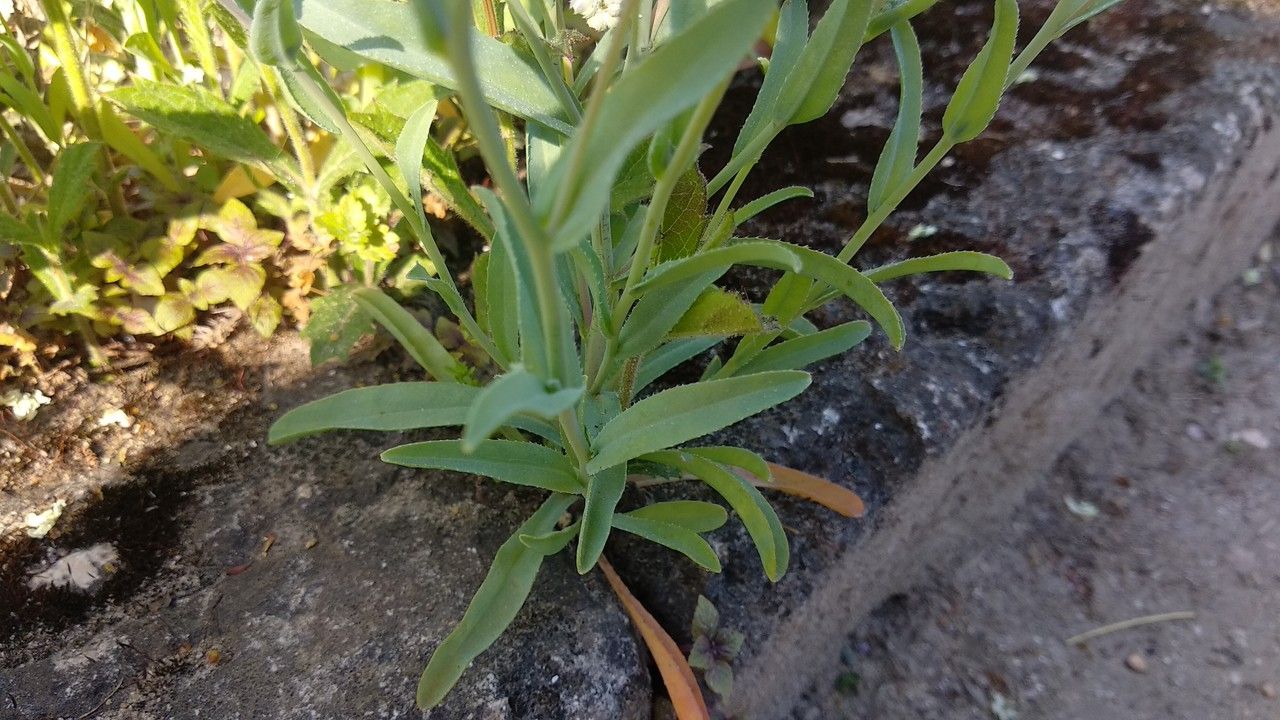
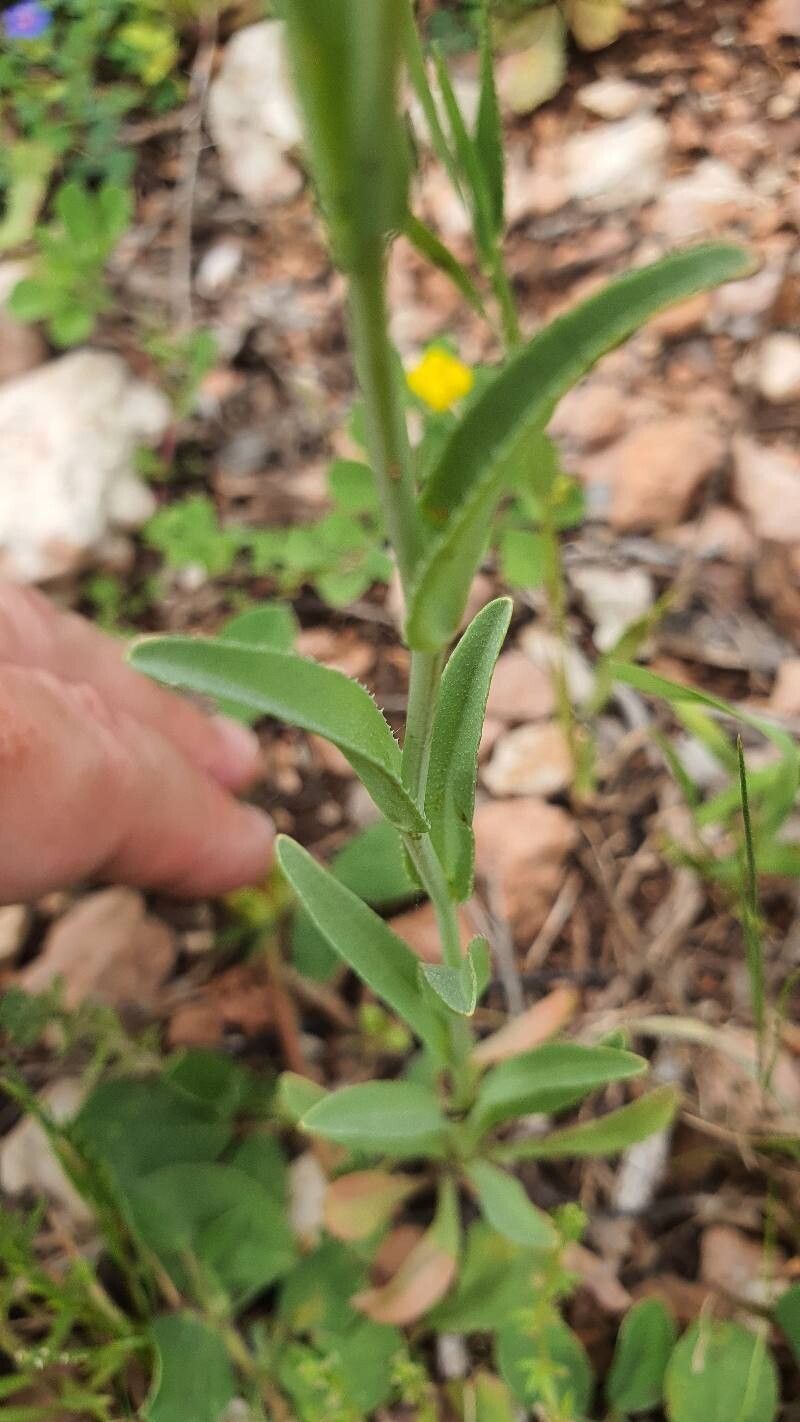
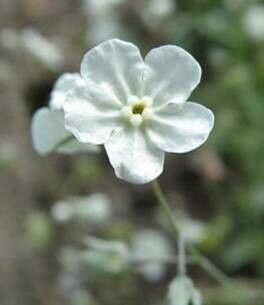
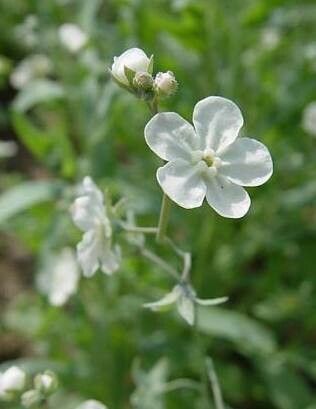
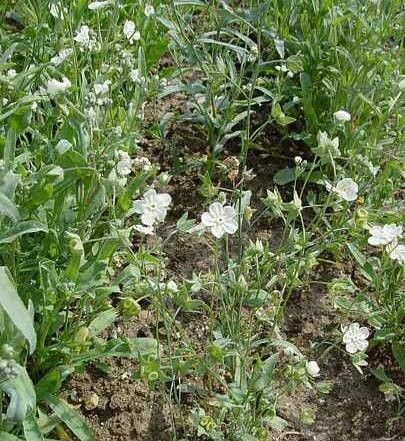
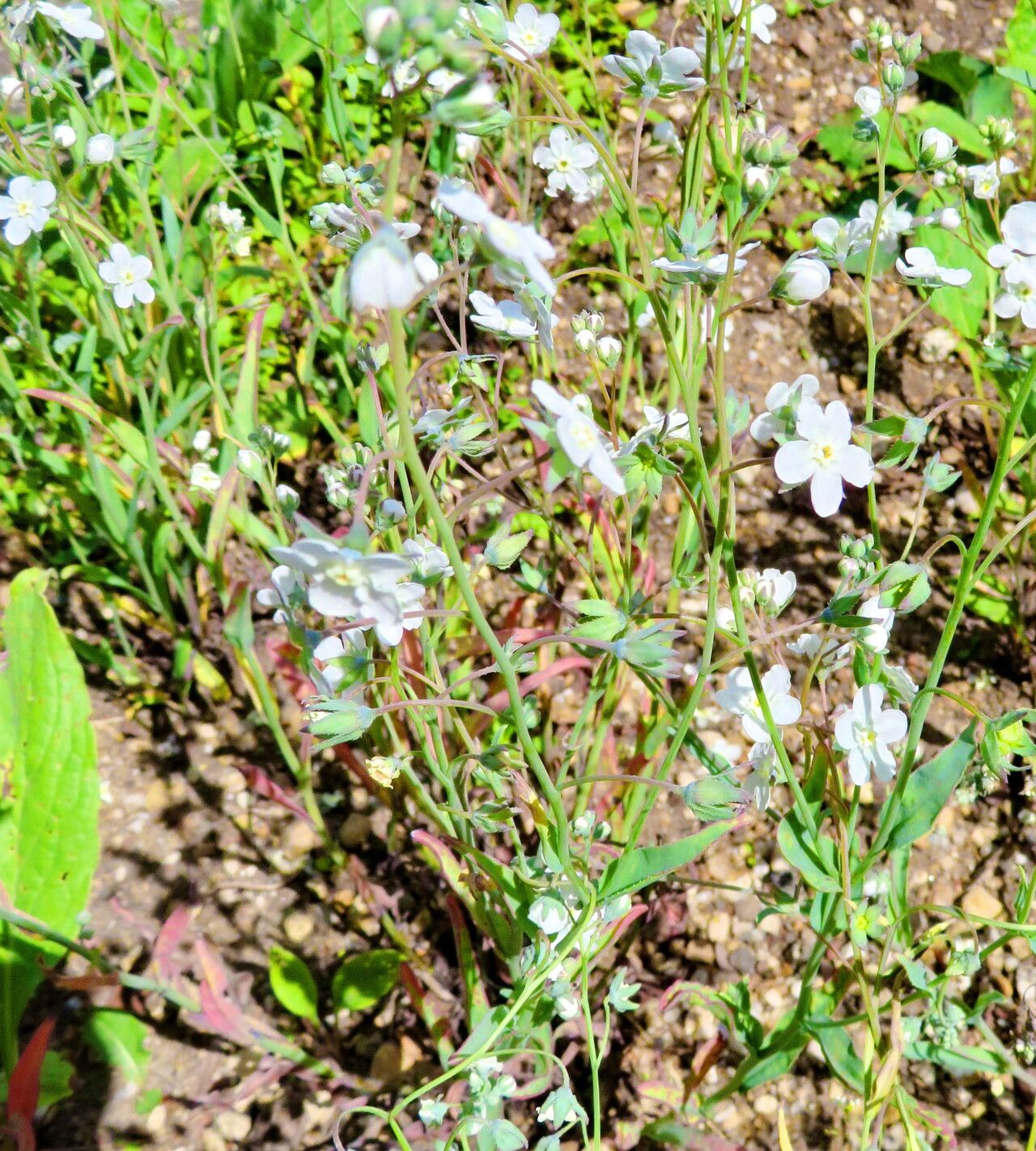
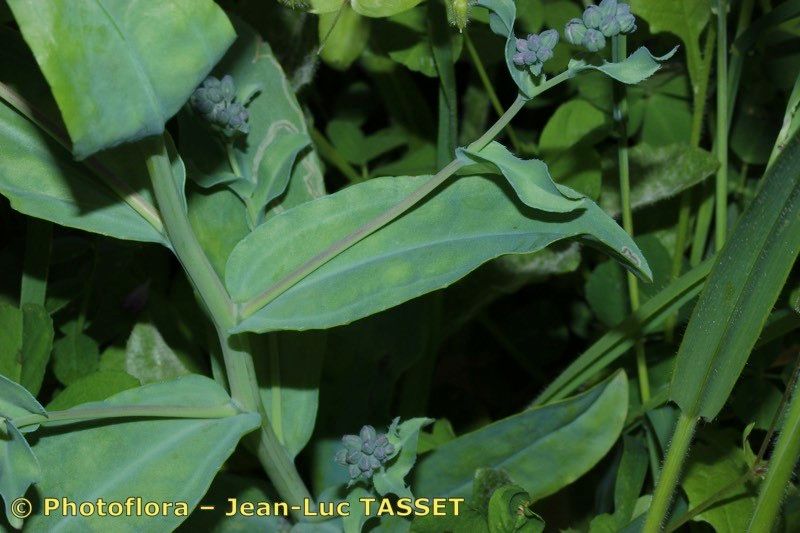
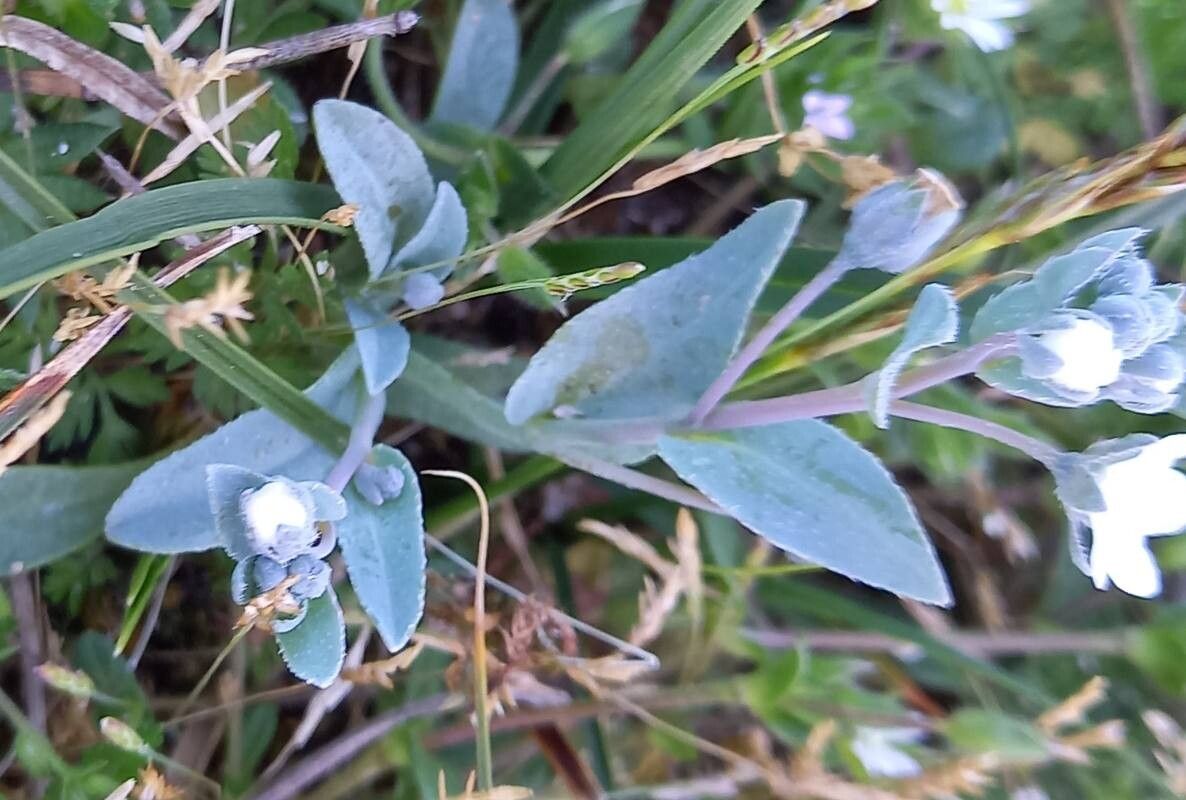
Venus's navelwort is fairly disease-resistant and generally not prone to illness. Still, it can be affected by pests and diseases present in its environment. Such infections are ordinarily mild. Regarding care, this plant needs moderate maintenance. It should be pruned regularly to preserve a neat appearance and support healthy growth. Fertilizing can also encourage flowering. Venus's navelwort is appropriate for anyone with outdoor space, like a garden or patio, and does not demand extensive care experience. It may need extra attention if kept indoors.
How to keep Iberodes Linifolia.
Light
Venus's navelwort comes from bright, open habitats where it does best in full sun. It will tolerate partial sun but prefers direct sunlight for optimal growth. This annual and biennial plant is recognized for its sun-loving habit.
Water
Venus's navelwort thrives with consistent watering, ideally twice a week, as it is adapted to moderate moisture. It is resilient enough to flourish indoors, even in lower light conditions. However, be careful not to overwater it, since evaporation rates are lower in indoor environments.
Temperature
Venus's navelwort can tolerate a wide range of temperatures, but its distribution may still be limited by various combinations of water and heat conditions. It performs best in warm summer climates with adequate rainfall or watering. Extended periods of cloudy, rainy weather or sustained high temperatures can raise the likelihood of Venus's navelwort dying. In winter, proper protection from the cold can increase the plant's survival rate.
Fertilizer
When most of Venus's navelwort flowers have fully opened, resume fertilizing. At the height of bloom, apply fertilizer every three to four weeks, weather permitting. Then, once the plant begins producing fewer new flowers, discontinue fertilizing; there's no point in feeding it when it can no longer form additional blooms.
Pruning
Venus's navelwort is known for its delicate flowers and fine foliage. To encourage new growth and maintain its shape, prune the plant from early to late spring. Be sure to remove any dead stems and trim back overgrown areas to improve air circulation. Avoid heavy pruning, as this can inhibit flowering. For care specific to your region, it is recommended to consult horticultural guides.
Botanical profile.
- Plant Type
- Herb
- Life Cycle
- Annual
- Genus
- Iberodes
- Family
- Boraginaceae
- Hardiness Zone
- 5-9
- Mature Height
- 25 cm to 30 cm
- Mature Spread
- 15 cm to 30 cm
- Leaf Color
- Green, Gray, Silver
- Leaf Type
- Evergreen
- Flower Color
- White
- Flower Size
- 0.51 cm to 1.02 cm
- Bloom Time
- Mid spring, Late spring, Early summer
- Planting Time
- Spring
- Harvest Time
- Summer
- Native Area
- Spain, Portugal, France
Other names.