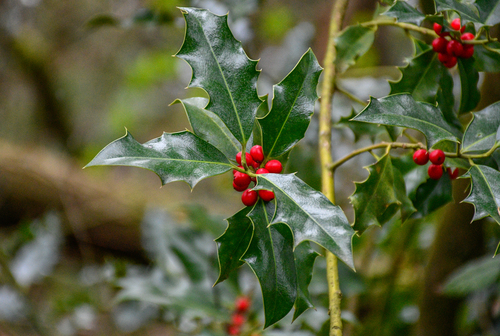
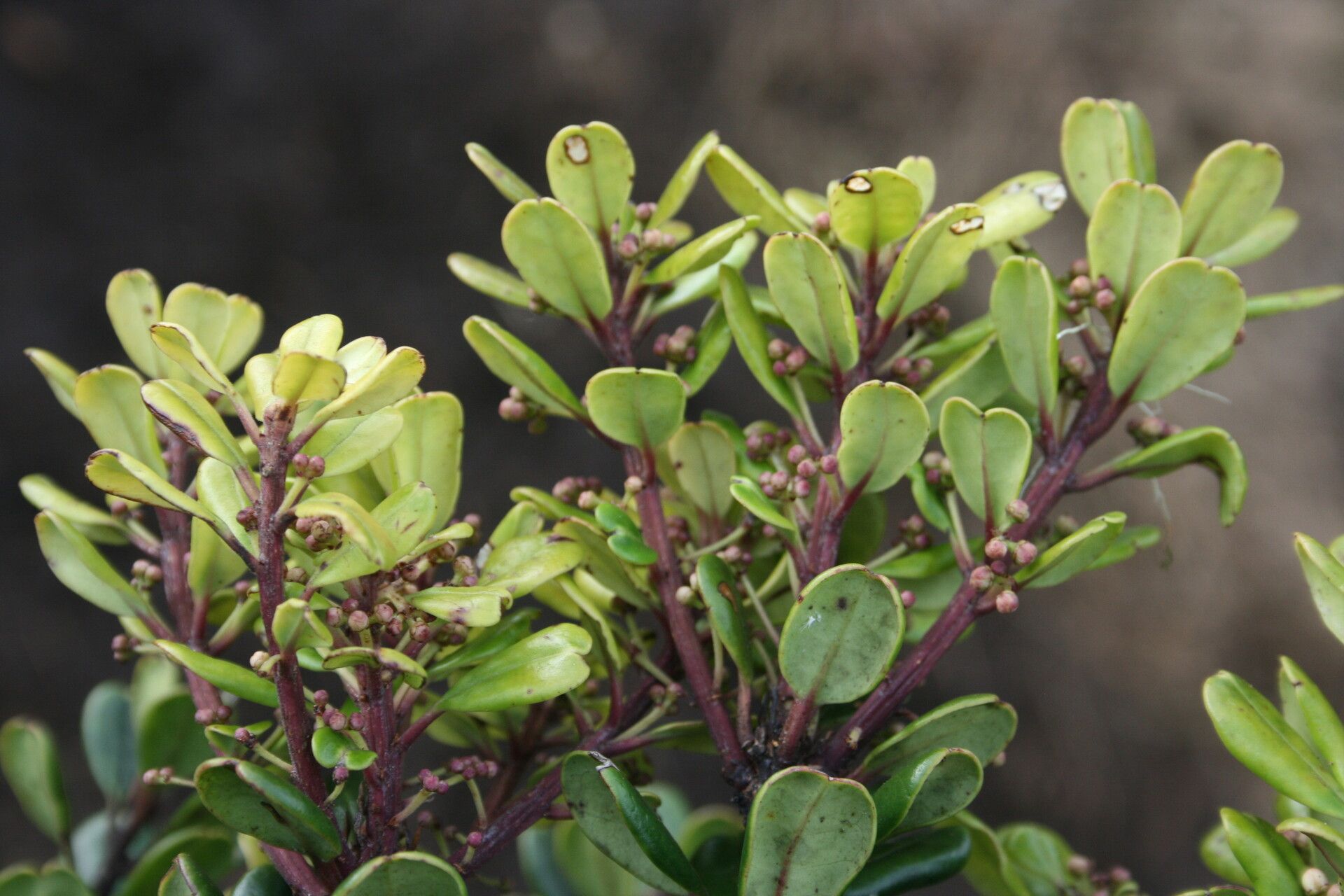
Ilex mitis, commonly known as Cape Holly or Mitre Holly, is a small to medium-sized evergreen tree that belongs to the Aquifoliaceae family. Native to South Africa, it is found primarily in the Eastern Cape and KwaZulu-Natal provinces.
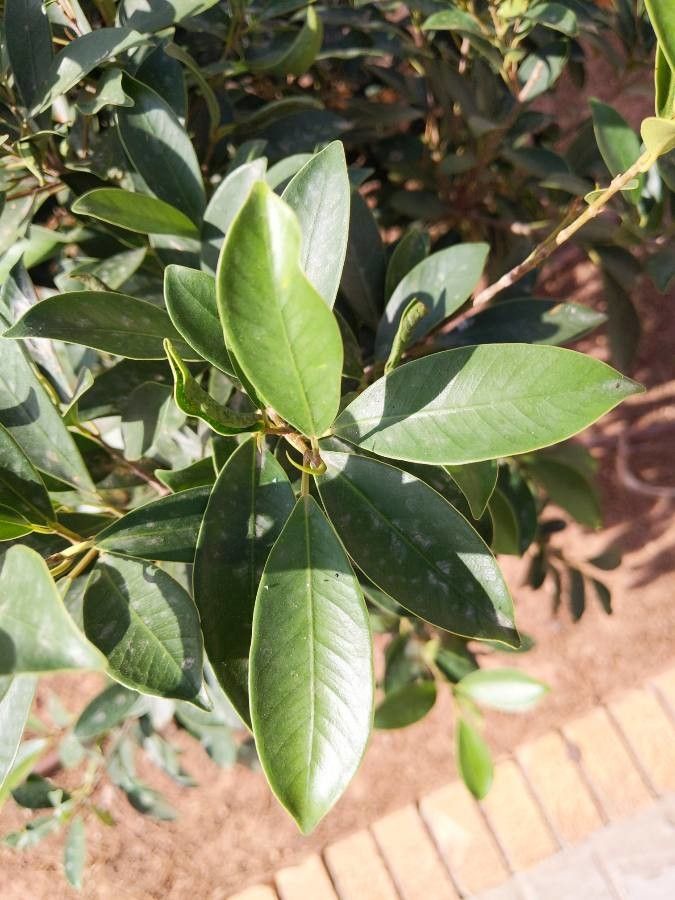
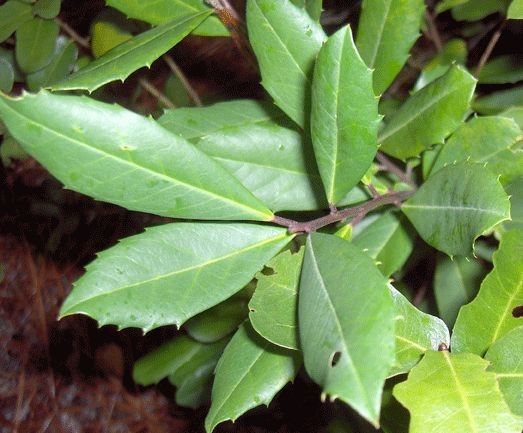
This tree features a dense, rounded crown and glossy, dark green leaves that are leathery in texture with serrated edges. The leaves are alternately arranged on the stem and can grow up to 10 cm long.
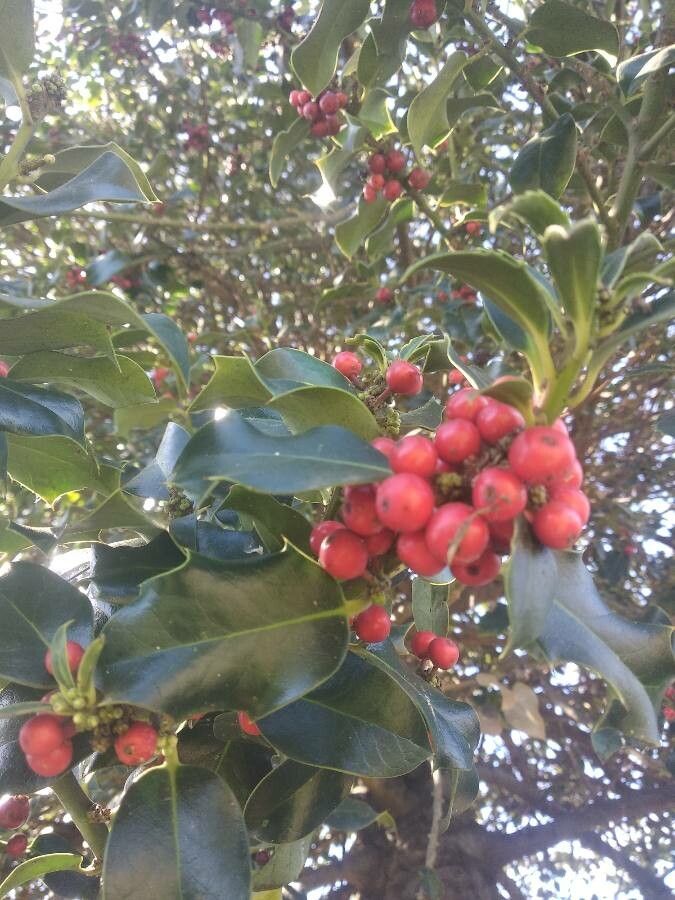
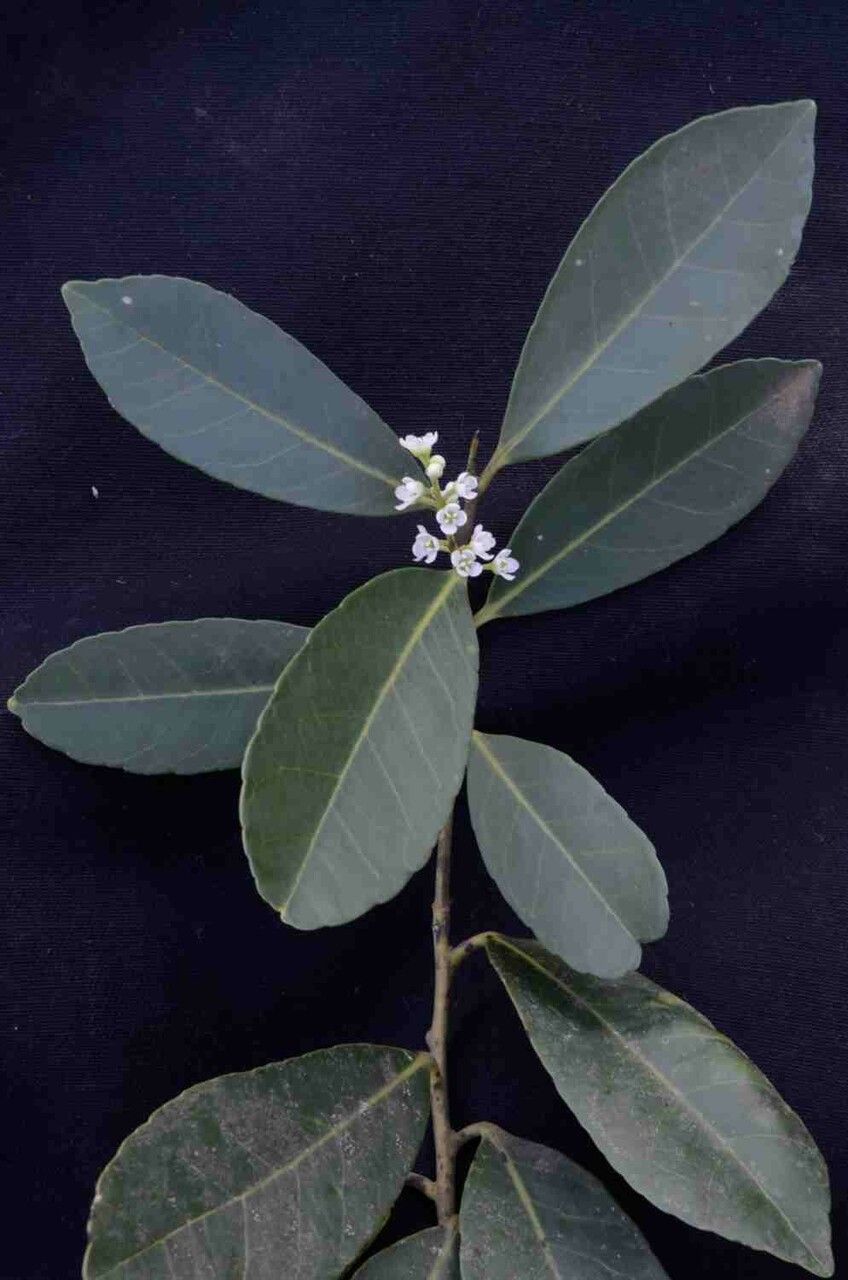
From September to November, Ilex mitis produces small white flowers, which are followed by bright red berries that ripen between December and February. These berries serve as an important food source for birds.
The plant thrives in well-drained soils with moderate moisture levels but is capable of tolerating drought conditions once established. It grows best in full sun or partial shade.
In traditional medicine, Ilex mitis has been valued for its anti-inflammatory properties and as a treatment for stomach ailments such as diarrhea and dysentery.
Overall, Ilex mitis is an attractive evergreen tree, noted for its glossy foliage and bright red berries, and it provides ecological benefits by serving as a food source for birds.
African holly demonstrates good resistance to disease and is typically not susceptible to illnesses. Regarding care, this plant is fairly low-maintenance. When grown outdoors it requires minimal watering, and larger specimens usually do not need pruning. Smaller plants, however, should be trimmed after they have finished blooming. African holly is appropriate for anyone with outdoor space, such as a garden or deck, and does not require extensive plant-care experience.
How to keep Ilex Mitis.
Light
African holly is native to habitats such as forest understories or rocky areas, where it receives natural shade. It prefers partial sun but can tolerate full sun or full shade, showing its versatile, hardy nature.
Water
African holly is native to the African rainforests, where it thrives in environments with consistent moisture and high humidity. To keep this evergreen plant vibrant throughout the year, it needs soil that is moist but not waterlogged. Watering it weekly will help maintain its lush foliage.
Temperature
African holly is native to areas where temperatures range from 50 to 95 °F (10 to 35 ℃). It flourishes in milder climates. For best growth, keep seasonal temperature variations within that range.
Fertilizer
Timing is important when fertilizing African holly. Apply fertilizer in early spring and continue once a month until early summer. Fertilizer encourages attractive blooms and supplies energy during both dormant and active growth stages.
Pruning
African holly is an evergreen shrub or small tree known for its glossy dark green leaves and vibrant red berries. To keep the plant healthy, prune it from early to late winter. This will help remove dead or diseased branches, improve air circulation, and encourage both flowering and berry production. To maintain the desired shape, make cuts just above outward-facing buds.
Botanical profile.
- Plant Type
- Tree
- Life Cycle
- Perennial
- Genus
- Ilex
- Family
- Aquifoliaceae
- Hardiness Zone
- 6-9
- Mature Height
- 20.12 m
- Mature Spread
- 4.88 m to 7.92 m
- Leaf Color
- Green
- Leaf Type
- Evergreen
- Flower Color
- White
- Flower Size
- 3.05 cm
- Bloom Time
- Mid fall, Late fall, Early winter
- Planting Time
- Spring, Autumn
- Harvest Time
- Mid spring, Late spring, Early summer, Mid summer
- Native Area
- Malawi, Lesotho, Angola, South Africa, Zambia, Madagascar, Rwanda, Eritrea, Sudan, Nigeria, Guinea, Kenya, Uganda, Tanzania, Zimbabwe, Sierra Leone, Cameroon, Liberia, Mozambique, Burundi, Eswatini, Ethiopia, Congo (DRC)
Other names.
Reader questions.
What are the sun requirements for African holly (Ilex mitis)?
African holly (Ilex mitis) thrives in conditions that meet its specific sunlight needs. The plant requires full sun exposure, defined as receiving more than 6 hours of sunlight daily, to flourish. However, it can also adapt to partial sun, which means an environment that gets about 3-6 hours of sunlight. It's important to observe the movement of sunlight through your garden carefully, allowing you to identify spots that offer an ideal mix of light and shade. Such careful placement ensures that your African holly plants remain healthy and happy.
What is the indigenous environment of African Holly?
African Holly, botanically known as Ilex mitis, is indigenous to environments that have a temperature range of 50 to 95 °F (10 to 35 °C). It thrives best in milder climates that maintain seasonal temperature fluctuations within this specified range for optimal growth.