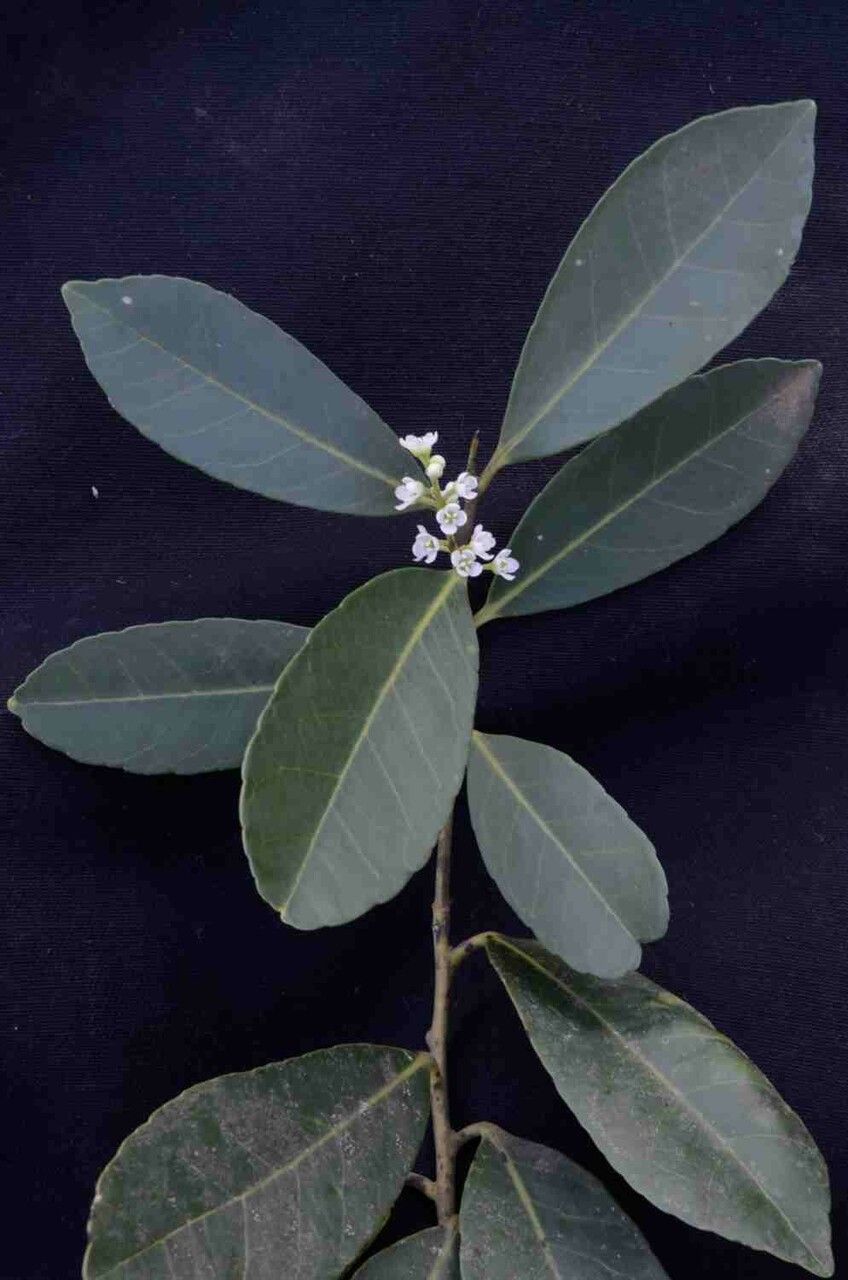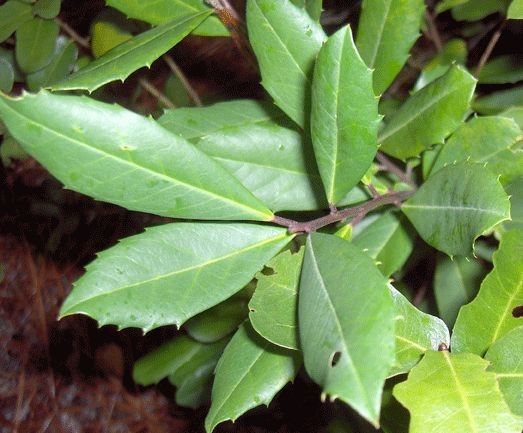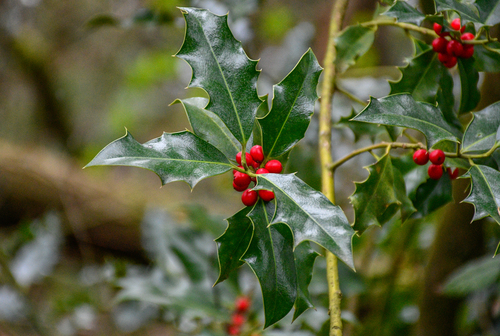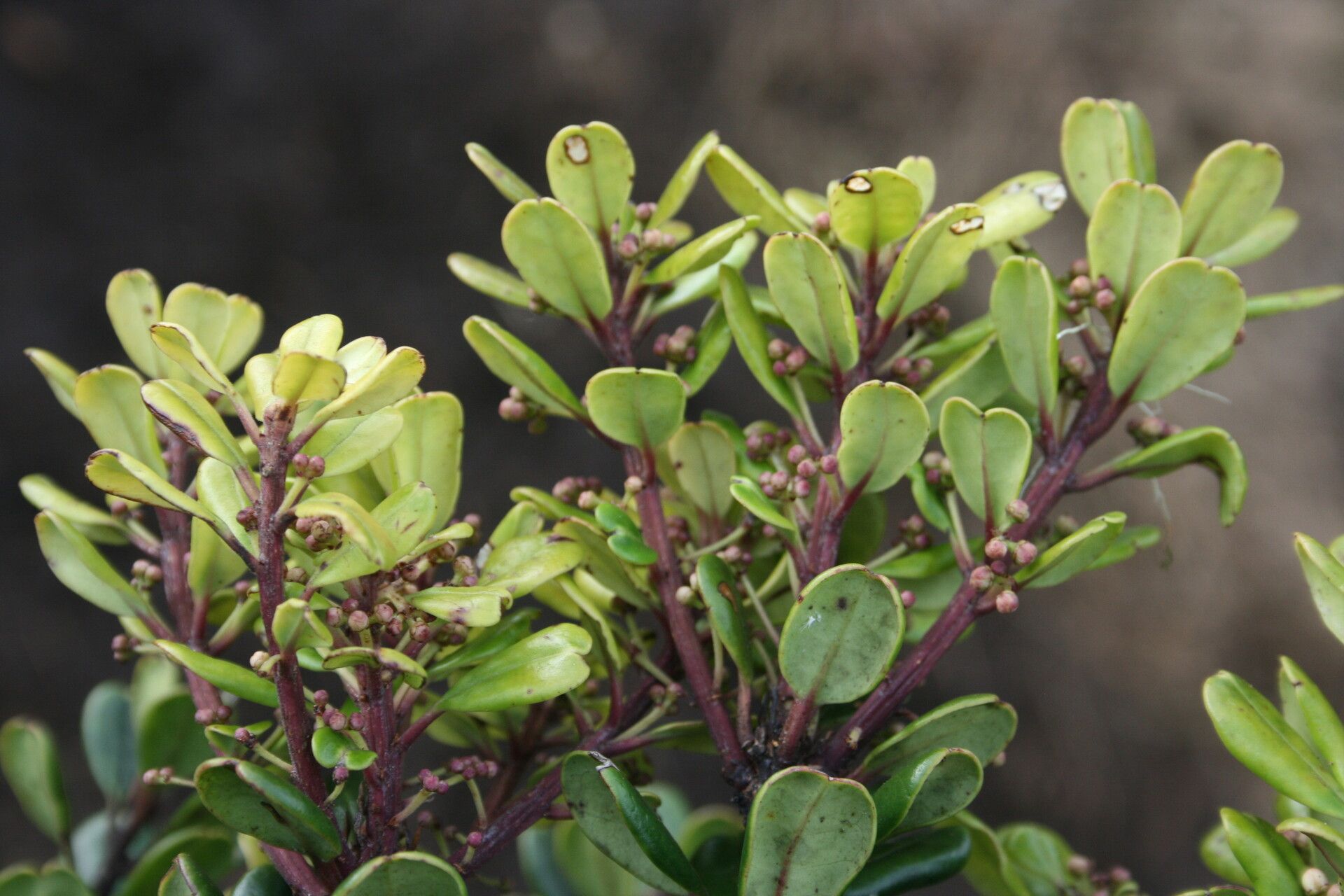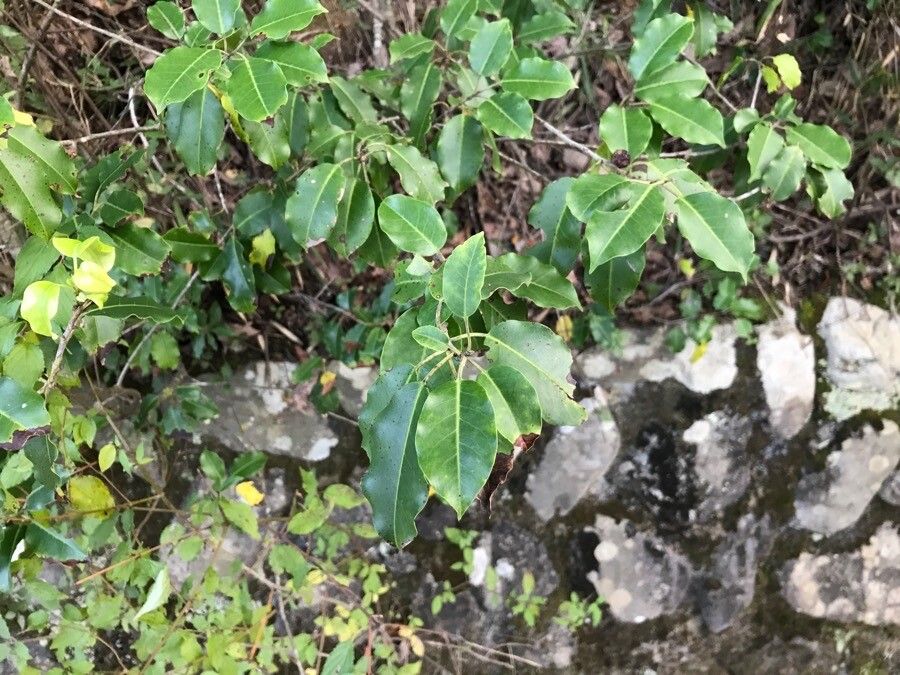
Ilex pedunculosa, called longstalk holly, is a species of flowering plant in the genus Ilex, native to central and southern China, Taiwan, and Japan. A lanky shrub or shrubby tree typically reaching 5 m (16 ft) in the garden, it is quite cold hardy (to USDA zone 5a). It gets its specific epithet and common name from its long peduncle (the stalk from which the berry depends). The red berries are relished by birds. It is deer resistant.
Long-stalk holly resists disease well and is generally not susceptible to illness. In terms of care, this plant is fairly low-maintenance. When grown outdoors it needs only minimal watering, and larger specimens usually do not require pruning. Smaller plants, however, should be pruned once they have finished blooming. Long-stalk holly is appropriate for anyone who has an outdoor area, such as a garden or deck, and does not demand extensive gardening experience.
How to keep Ilex Pedunculosa.
Light
The long-stalk holly grows best in places with plenty of sunlight, though it can tolerate areas with less light. In its native habitat, which offers that kind of illumination, it remains healthy. Too much or too little light can negatively affect its growth.
Water
Long-stalk holly is native to regions with moderate moisture levels, so it prefers soil that is evenly hydrated. While it can withstand short periods of dryness, it should be watered every 1-2 weeks. This plant thrives outdoors in climates where natural rainfall provides enough moisture to support its growth without causing over-saturation.
Temperature
Long-stalk holly is a plant adapted to temperatures of 59–95 °F (15–35 °C) in its native habitat. She prefers warmth but not excessive heat. Seasonal adjustments should be made based on local conditions and needs.
Fertilizer
Fertilize your Long-stalk holly in early spring to encourage healthy growth. Routine feeding improves the plant’s overall health, producing vigorous growth, better tolerance of harsh conditions, and greater resistance to diseases and pests. Keep a consistent fertilization schedule for your Long-stalk holly to preserve vibrant, deeply colored foliage and a lush appearance.
Pruning
Prune long-stalk holly during early to late winter to remove dead branches and shape the plant for healthy growth. Be careful not to prune too heavily, as this plant grows slowly. Regular pruning helps improve light and air circulation, which reduces the risk of disease. Always use clean, sharp tools to make precise cuts.
Botanical profile.
- Plant Type
- Tree, Shrub
- Life Cycle
- Perennial
- Genus
- Ilex
- Family
- Aquifoliaceae
- Hardiness Zone
- 8-9
- Mature Height
- 2.13 m to 14.94 m
- Mature Spread
- 3.05 m to 4.57 m
- Leaf Color
- Green, Blue
- Leaf Type
- Evergreen
- Flower Color
- White
- Flower Size
- 2.54 cm
- Bloom Time
- Late spring, Early summer
- Planting Time
- Autumn
- Harvest Time
- Mid summer, Late summer, Fall, Winter
- Native Area
- Japan, China
Other names.
Reader questions.
How should I water my Long-stalk holly plant?
To water your Long-stalk holly, you have various options. You can use watering cans, hoses, or even cups - whichever you prefer. It's important to water the plant directly at the soil, making sure to evenly moisten all areas to ensure every part of the root system gets the water it needs. Using filtered water is recommended, as tap water may have harmful particles. Additionally, it's best to use water that is at or slightly above room temperature to avoid shocking the plant. However, the Long-stalk holly generally responds well to whatever water you provide.
Why should I put fertilizer on my Long-stalk holly plant?
No matter which type of Long-stalk holly you have, regular fertilization is key for its overall health. When you provide the right nutrients, your plant will grow stronger and become more resilient to tough growing conditions. This also helps it ward off diseases and pests. Since the foliage is one of its most attractive features, it's important to maintain it. This involves following a fertilization schedule tailored to your Long-stalk holly, which will result in lush leaves with vibrant color.
How many hours of sunlight does Long-stalk holly need each day to grow healthy?
To ensure healthy growth, Long-stalk holly needs a minimum of 3–6 hours of sunlight per day. In fact, this is the least amount of sun it requires—plants that can tolerate some shade can also flourish in full sun, as they need less light for photosynthesis. This makes them more adaptable compared to plants that specifically need full sun or part shade.
What temperature is best for Long-stalk holly?
Plants are affected by colder temperatures because they adjust to the air around them. When they are exposed to the sun, they warm up again, but this doesn't happen in the winter. The Long-stalk holly prefers temperatures between 70-85℉(21-30℃), but it can tolerate temperatures as low as 20-30℉(-6-0℃) or even 15℉(-10℃) for a short time before suffering from frost damage. To ensure their well-being, it's important to maintain maximum temperatures within the range of 70-85℉(21-30℃), while also providing occasional misting and shade to prevent wilting.
What should I do if I give my Long-stalk holly plant too much water or too little water?
Outdoor plants, especially newly planted ones or seedlings, are prone to not getting enough water. It's important to water them sufficiently for a few months until the tree is small or newly planted. Once the roots are established, Long-stalk holly can rely on rain most of the time. When Long-stalk holly is planted in pots, overwatering is more likely to happen. If you accidentally overwater your Long-stalk holly, there are steps you can take to fix the situation. First, immediately stop watering the plant to minimize the effects of overwatering. Then, remove the holly from its pot to inspect the roots. If the roots do not show signs of rot, you can return the plant to its container. However, if there is root rot, trim away the affected roots and consider applying a fungicide to prevent further damage. Finally, repot the Long-stalk holly in well-draining soil. On the other hand, if your Long-stalk holly is underwatered, simply water it more frequently. Underwatering can be easily fixed. When a plant is underwatered, its leaves will droop, dry out, and fall off. After sufficient watering, the leaves will quickly return to their fullness. It's important to correct your watering frequency as soon as you notice underwatering.
When should I fertilize my Long-stalk holly plant for the best results?
To promote healthy growth, it's recommended to fertilize your Long-stalk holly in late winter or early spring. This provides necessary nutrients for when the weather warms up. If you live in a warm climate, it can be beneficial to fertilize again in early fall. This not only adds nutrients for the next growing season but also helps the holly be more resilient during winter. Fertilizing earlier ensures that new branches have enough time to grow and withstand the cold.
What kind of sunlight does Long-stalk holly require?
Long-stalk holly prefers full or part sun and thrives when it receives direct morning light. However, in the summer, it requires protection from the intense afternoon sun to prevent leaf damage and maintain its overall appearance and health, especially in temperate climates.
Should I change the temperature for the Long-stalk holly plant as it goes through different stages of growth?
When growing Long-stalk holly, it's important to research and ensure the correct temperature. Some growers may choose to lower their plant's thermostats to save on HVAC costs, but it's crucial to understand how temperature affects flowering, pest management, and plant quality. During winter, some species of Long-stalk holly may enter a dormant state and stop growing. As the seasons change, the base temperature increases, leading to faster growth. Species from warmer habitats have higher optimum temperatures compared to those from cooler climates. Cool temperatures can lead to reduced uniformity and delays when exposing Long-stalk holly seeds. Lowering the temperature during flowering, but not at other phases, may be beneficial. Additionally, cooler night temperatures require less water, so irrigation should be adjusted accordingly.
How frequently should I give water to my Long-stalk holly?
For most outdoor plants, natural rainfall is sufficient for normal growth. However, if your area doesn't receive enough rainfall, you should water your plants every 2 weeks in the spring and fall, and more frequently in the summer. In the winter, when plants require less water, it's best to water them sparingly or not at all. Be sure to give extra water to young or newly planted Long-stalk holly plants to help them establish and become more adaptable to drought conditions. When it comes to potted Long-stalk holly plants, there are two main approaches for determining watering frequency. The first is to follow a pre-set schedule, either once a week or every other week. However, this may not always be accurate as it doesn't consider the specific growing conditions of your plant. Alternatively, you can assess the soil moisture and water accordingly. Wait until the top two to four inches of soil (around ⅓ to ½ of the depth of the pot) have completely dried out before watering again. Keep in mind that during the summer, when water needs are highest, a predetermined schedule may not be sufficient.
When is it not a good idea to fertilize my Long-stalk holly?
To ensure proper care for your Long-stalk holly, there are specific periods of the year when you should avoid fertilizing. Firstly, during the early and mid-winter months, the plant is dormant and does not require any nutrients. Additionally, it is not advisable to fertilize it in late spring and throughout summer due to the hot and dry weather conditions. Fertilizing during this time may negatively impact the plant. To prevent any issues, it is best to stick to a fertilization schedule that involves feeding only in early spring and early fall.
Can the sun hurt Long-stalk holly? How can I keep Long-stalk holly safe from the sun and heat?
Long-stalk holly planted indoors can be harmed by direct sunlight if it's suddenly moved outdoors. To prevent sunburn, it's best to slowly transition the pots from shade to a brighter area. However, even well-adjusted plants can still be harmed by extreme heat. During a heatwave, it's important to keep the soil consistently moist to help the plants handle excessive heat. To protect sensitive Long-stalk holly during extreme weather, you can either move containers to shaded areas in the afternoon or place a shade cloth over them.
How can I make sure Long-stalk holly stays warm during cold seasons?
To help the Long-stalk holly withstand colder temperatures, stop fertilizing the plant so that new growth does not occur. Instead, allow the existing branches to become hardy. Additionally, you can protect the plant from the cold by building structures around it, such as cages or trellises. Another option is to use heat mats, which can maintain a consistent and ideal temperature range for the Long-stalk holly by gently warming the soil.