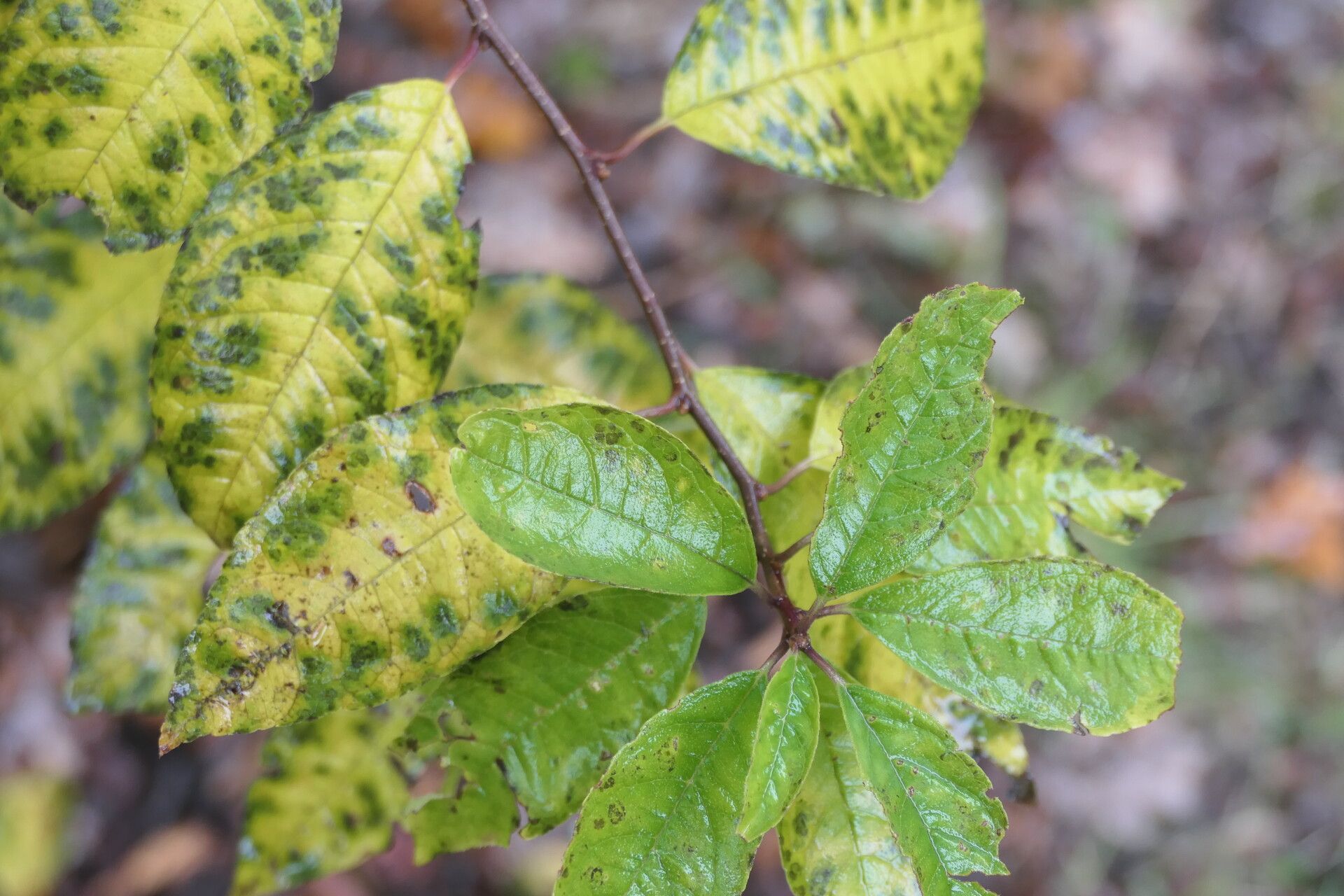
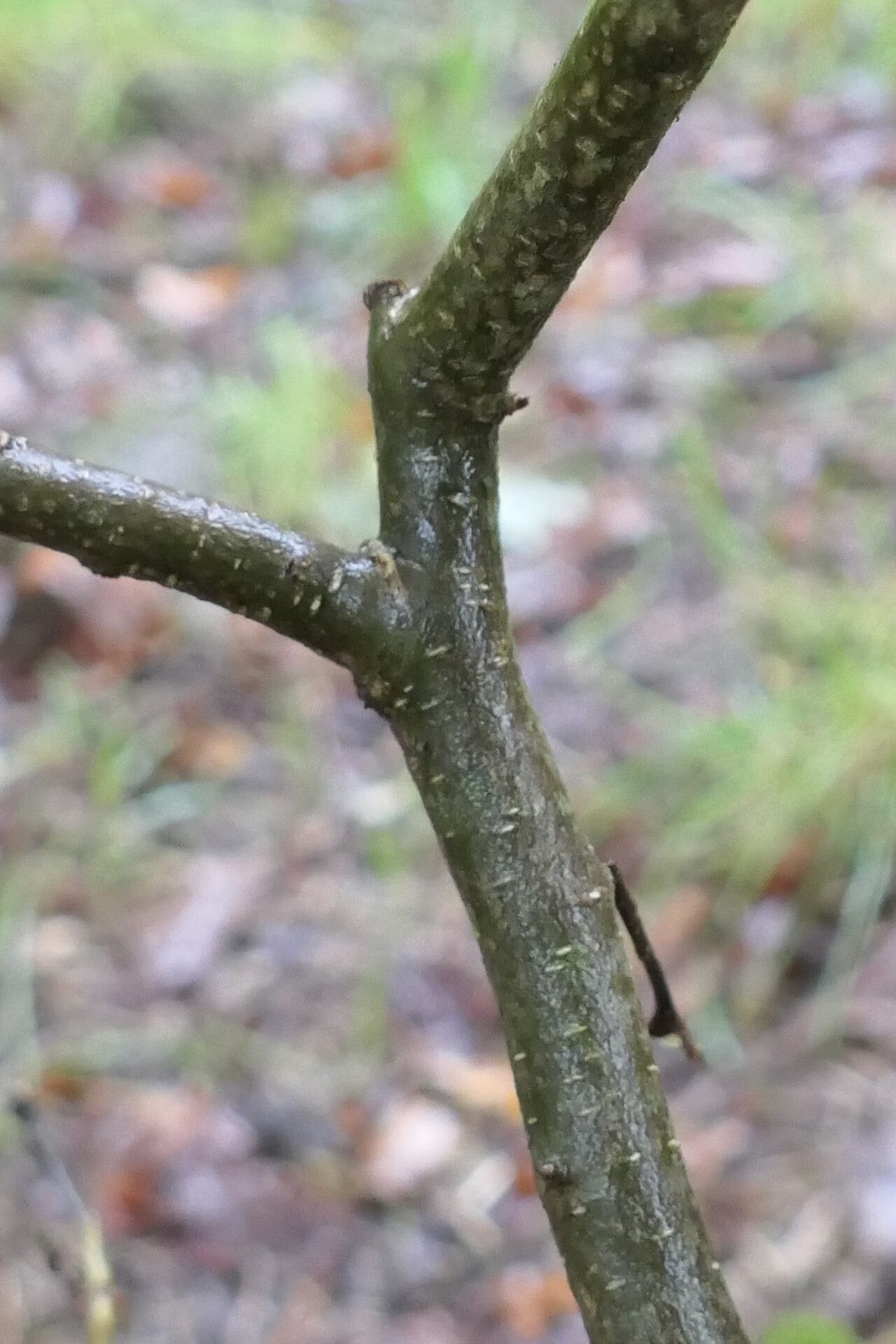
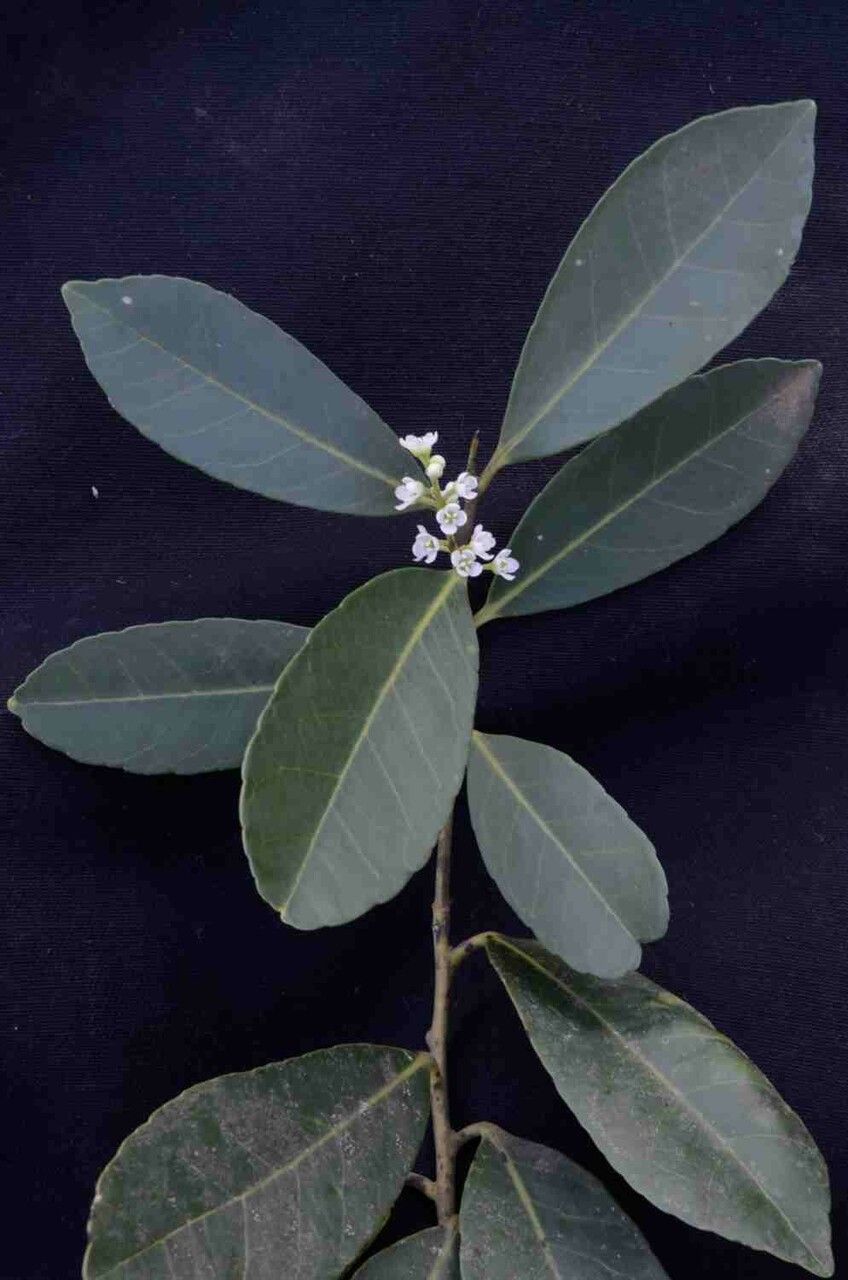
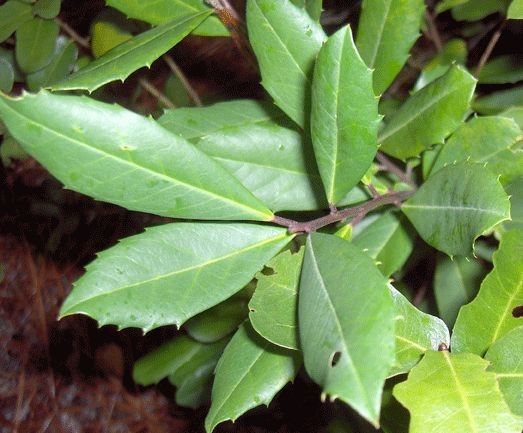
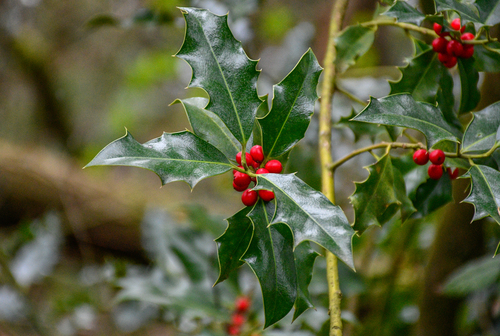
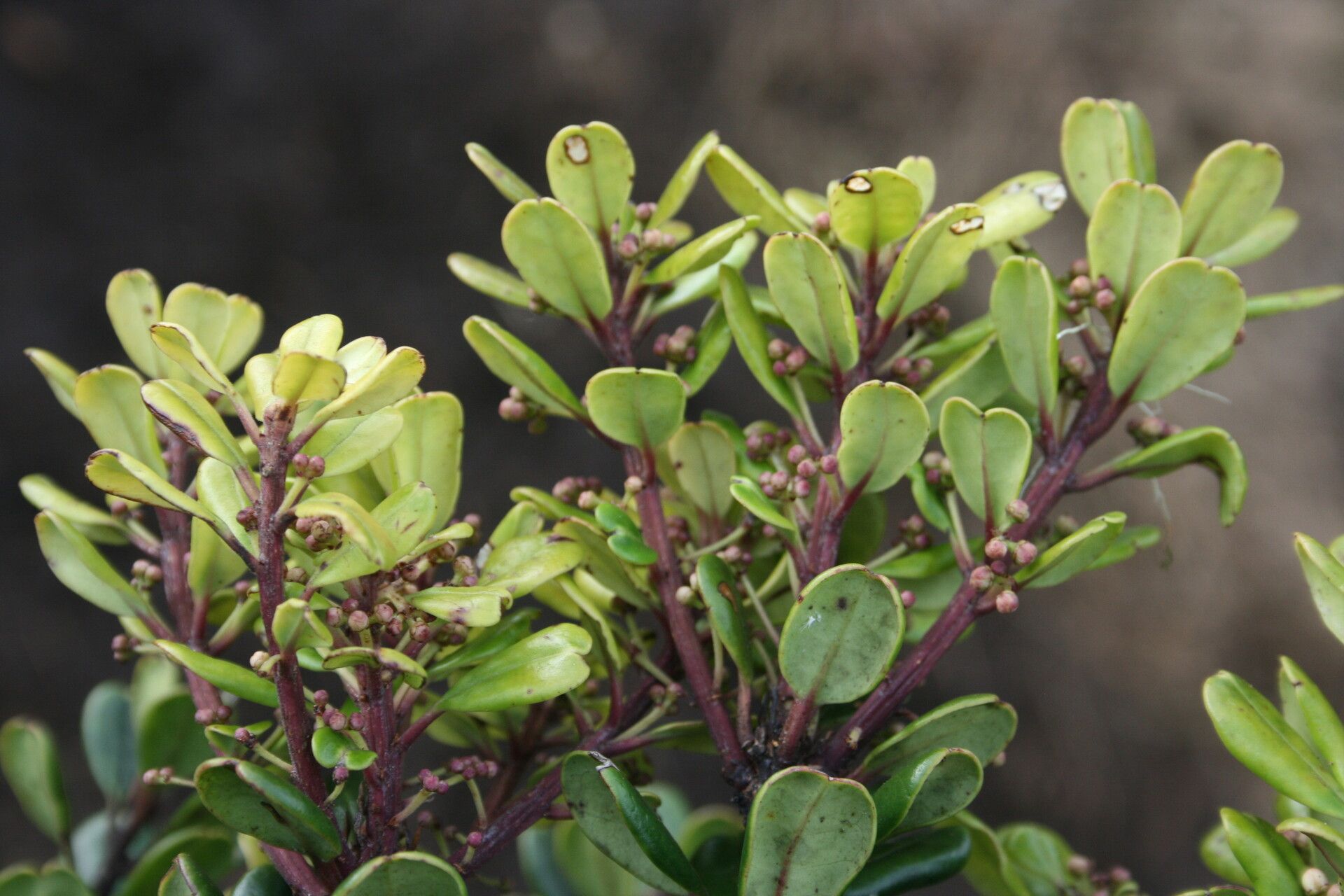
Ilex serrata is a species in the Ilex (holly) genus and the family Aquifoliaceae. It is an evergreen shrub or small tree up to about 4.5 m high. In Japan where it naturally occurs, it is a hardy species with ovate dark green leaves, pink flowers and red berries on the female plant.
Japanese winterberry has strong resistance to disease and is generally not susceptible to illnesses. In terms of care, this plant is fairly low-maintenance. When grown outdoors it needs only light watering, and larger specimens typically do not require pruning. Smaller plants, however, should be pruned after they finish blooming. Japanese winterberryt is suitable for anyone with an outdoor area, such as a garden or deck, and does not demand much experience in plant care.
How to keep Ilex Serrata.
Light
Winterberry native to Japan thrives naturally in areas like forest understories or rocky settings, which are typically shaded. This plant's ideal sunlight exposure is partial sun, however, its robust and flexible nature allows it to tolerate full sunlight or complete shade.
Water
Japanese winterberry is well-suited for areas with varying moisture levels. It thrives in moderate humidity, requiring watering every 1-2 weeks. Its natural resilience makes it adaptable to temperate climates, where outdoor conditions determine its watering requirements.
Temperature
The Japanese winterberry showcases remarkable resilience to a wide range of weather conditions, from sweltering summers to frosty winters. Nonetheless, there is an ideal temperature range for its development. High temperatures can cause severe heat and moisture stress to the plant, potentially leading to its death. If the temperatures in certain areas reach the lower end of the plant's cold endurance range, it becomes crucial to put insulation strategies into action to safeguard the plant.
Fertilizer
Fertilizing Japanese winterberry at the right time is essential. Apply fertilizer at the start of spring and keep doing it once a month until the early summer season begins. Fertilizer assists in creating beautiful blossoms and supplies energy during periods of both inactive and active growth.
Pruning
The Japanese winterberry is known for its red berries and serrated leaves. To maintain its health and appearance, prune the plant during the winter when it is dormant. Focus on removing dead or crossing branches to improve airflow and sunlight exposure. Regular pruning helps to enhance the shape and health of the plant, boosts berry production, and prevents overcrowding. This promotes vibrant growth and increases its visual appeal.
Botanical profile.
- Plant Type
- Shrub
- Life Cycle
- Perennial
- Genus
- Ilex
- Family
- Aquifoliaceae
- Hardiness Zone
- 5-8
- Mature Height
- 0.61 m to 1.22 m
- Mature Spread
- 0.61 m to 1.22 m
- Leaf Color
- Dark Green, Forest Green
- Leaf Type
- Evergreen
- Flower Color
- White
- Flower Size
- 0.51 cm to 0.76 cm
- Bloom Time
- Late spring, Early summer
- Planting Time
- Spring, Summer, Autumn, Winter
- Harvest Time
- Fall, Early winter, Mid winter
- Native Area
- Japan, China
Other names.