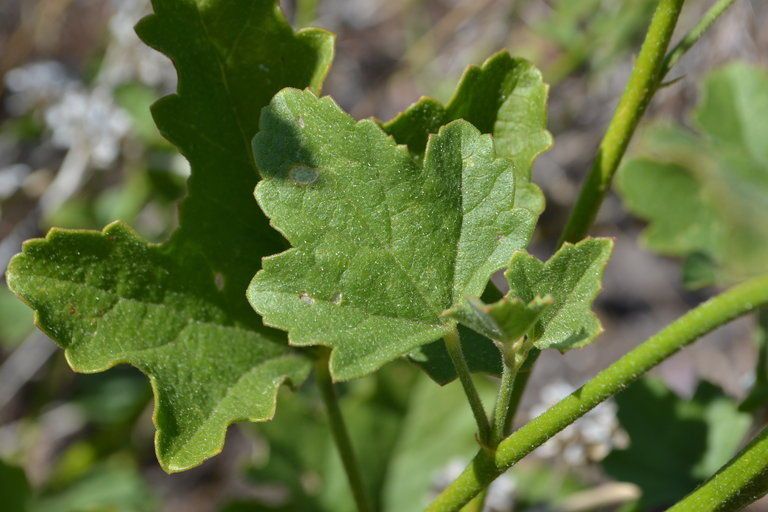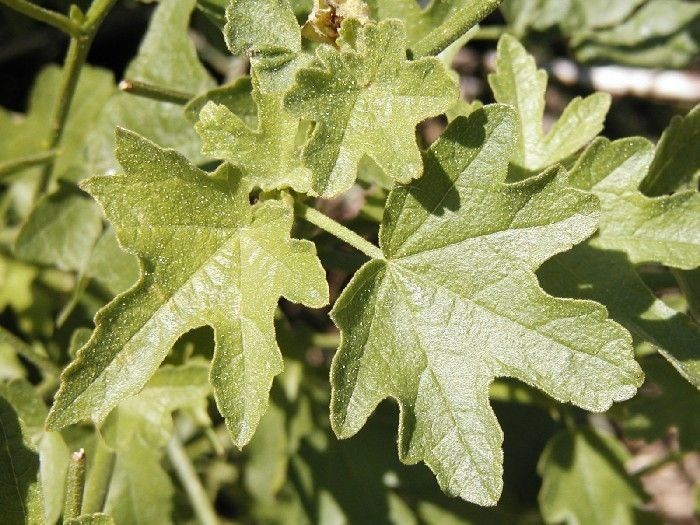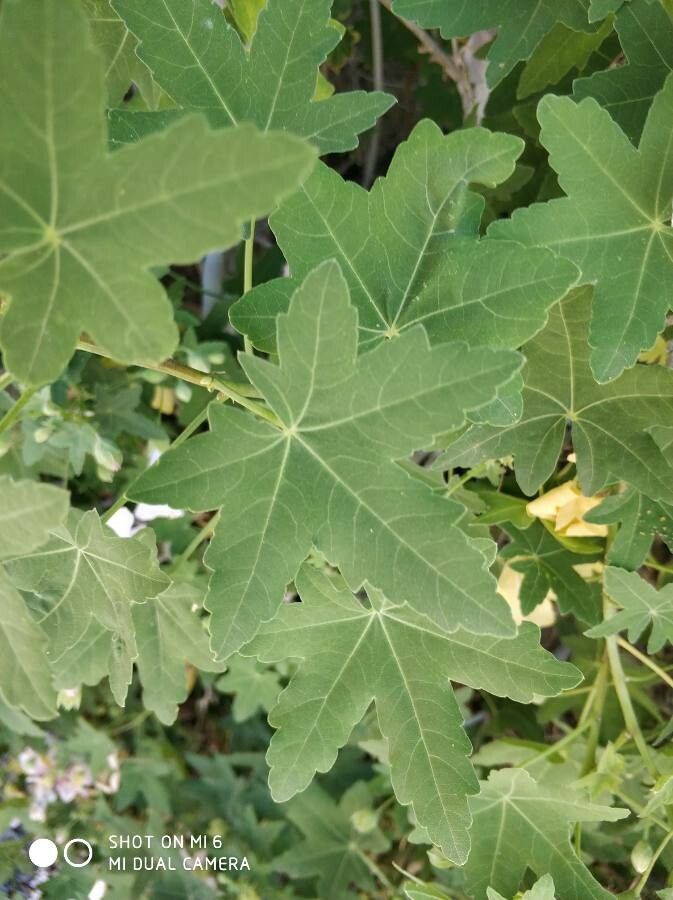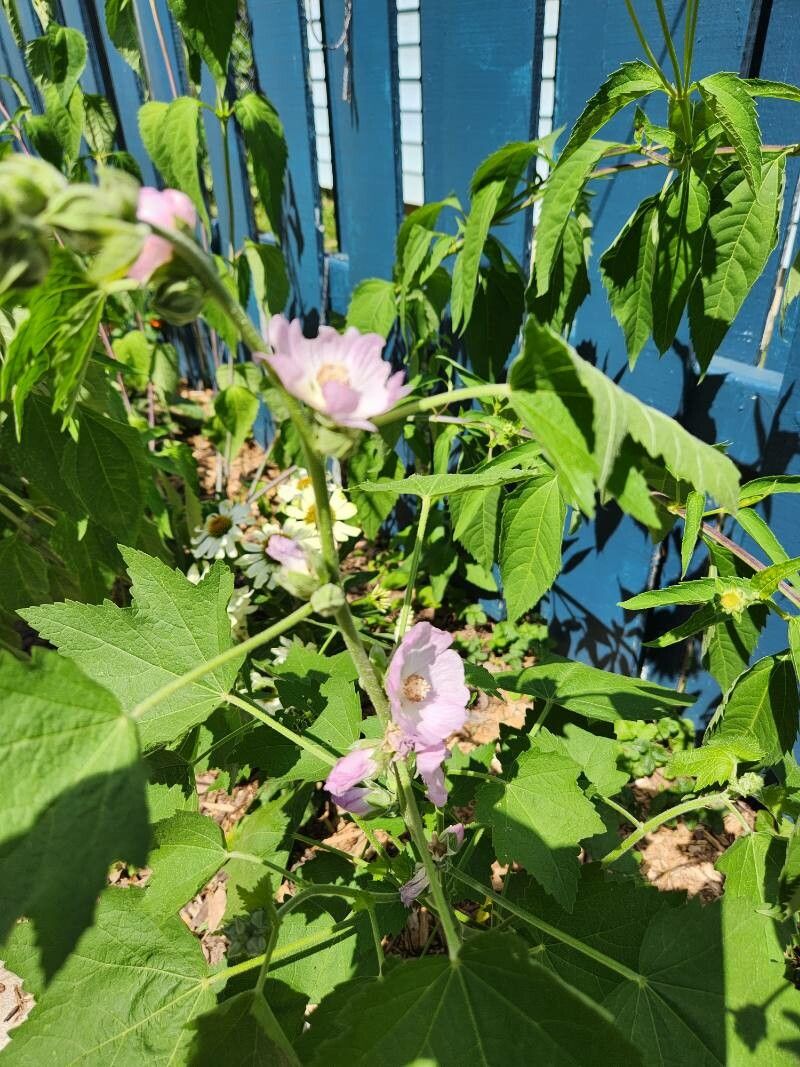
Iliamna remota, commonly known as the Kankakee mallow, is an endangered species of flowering plant in the mallow family. It is endemic to a single location, the 700-metre-long (2,300 ft) Langham Island in Kankakee River State Park, in the US state of Illinois.
Kankakee mallow shows strong resistance to disease and is usually not susceptible to illnesses. However, it can still be affected by pests and diseases present in its surroundings. These problems are typically not serious. For care, the plant requires moderate maintenance. It should be pruned regularly to keep a neat appearance and promote healthy growth. Fertilizing can also help enhance flowering. Kankakee mallow is suitable for anyone with outdoor space, such as a garden or patio, and does not need extensive gardening experience. It may demand more care when grown indoors.
How to keep Iliamna Remota.
Light
The kankakee mallow prospers in the bright sunlight, demonstrating an ability to endure light conditions akin to filters. Sunlight significantly affects its vigor and development, much like in its original environment comprising of expansive, sunny terrains. Damage can be caused by both overexposure and inadequate sun.
Water
The Kankakee mallow thrives in consistently moist soil and needs to be watered weekly, taking care not to create waterlogged conditions. This plant grows best outdoors and benefits from a layer of mulch, which helps retain moisture and buffer temperature changes, especially during its active growing season.
Temperature
The Kankakee mallow plant is perfectly adapted to thrive in temperatures between 41 and 77 °F (5 and 25℃). It evolves from a region characterised by a temperate climate and thrives in colder conditions. Modification of seasonal temperatures can be advantageous to replicate the conditions of its original environment.
Fertilizer
The best period to add fertilizer to a Kankakee mallow is during the beginning of the spring season, when it awakens from dormancy and starts to grow actively. Fertilization supplies crucial nutrients needed for robust growth. Even though the Kankakee mallow does not require much fertilization, applying fertilizer yearly can boost its longevity and contribute to the production of superior, more durable flowers.
Pruning
The Kankakee mallow is a tall perennial plant known for its striking pink flowers. To keep the plant healthy and looking its best, prune it in early spring to remove any winter damage. Later in the season, prune again to maintain its shape. Be sure to remove any old stems and crowded branches to improve air circulation, which will enhance both the plant's health and appearance. Pruning at the right time is essential for ensuring strong blooms.
Pot & Repot
Repot the Kankakee mallow every 2 to 3 years in the spring. Choose a pot that is 2 to 3 inches wider than the previous one. Use well-draining soil and make sure the pots have drainage holes. After repotting, place the plant in indirect sunlight and keep the soil consistently moist, being careful not to overwater, to ensure optimal recovery.
Botanical profile.
- Plant Type
- Herb
- Life Cycle
- Perennial
- Genus
- Iliamna
- Family
- Malvaceae
- Hardiness Zone
- 4
- Mature Height
- 1.22 m to 1.83 m
- Mature Spread
- 1.22 m
- Leaf Color
- Green
- Leaf Type
- Deciduous
- Flower Color
- Pink
- Flower Size
- 5.08 cm to 7.62 cm
- Bloom Time
- Early summer, Mid summer
- Planting Time
- Spring, Summer
- Harvest Time
- Late summer, Early fall