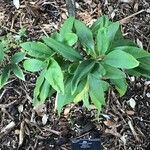
Illicium floridanum
Florida anise-tree · Florida anisetree · Purple-anise · Florida anise · Stink bush
Description
Source: leafsnapIllicium floridanum, commonly known as Florida anise or purple anise, is a flowering evergreen shrub native to the southeastern United States. A member of the Schisandraceae family, this plant can grow up to 10 feet tall and 6 feet wide. Florida anise features glossy, dark green, lance-shaped leaves that release a fragrant aroma when crushed. In early spring, the plant produces star-shaped flowers with deep maroon petals, which attract pollinators such as bees and butterflies. Florida anise thrives in moist, well-drained soil and can flourish in either partial shade or full sun. Once established, it is also drought-tolerant. This shrub is popular in landscaping due to its attractive foliage and flowers. The plant contains a compound called anethole, which imparts a characteristic licorice-like scent. Anethole also has medicinal properties, including anti-inflammatory effects, and has traditionally been used to treat ailments such as coughs, colds, and digestive issues. Overall, Illicium floridanum is a beautiful ornamental shrub with medicinal benefits, making it both aesthetically pleasing and useful for health purposes.
🌳 Aside from its ornamental use, purple Anise is not widely known for practical applications. However, its capacity to thrive in wetland ecosystems indicates potential use in environmental research, such as assessing wetland health or serving as a bioindicator species. Its vibrant flowers also attract certain pollinators, underscoring its ecological value.
Care Guide
💧 Water Every 7 days
Purple Anise thrives in moist, humid environments and can tolerate moderate drought. To mimic its natural cycle, water it every two weeks. Although primarily an outdoor plant, it benefits greatly from rainfall and dew, which help maintain its evergreen foliage throughout the seasons.
How should I water my Purple Anise plant?
Your Purple Anise is not fussy about how you water it. Any common watering tool, like a watering can, hose, or cup, will work fine. Just make sure to water it directly on the soil and give each area equal moisture to support the entire root system. Using filtered water is helpful to avoid harmful particles, and it's best to use water at or slightly above room temperature to prevent shocking the plant. However, the Purple Anise generally reacts well to any water you give it.
What should I do if I give my Purple Anise plant too much water or too little water?
For outdoor plants, especially newly planted plants or seedlings, they are prone to lack of watering. Remember to water them consistently for a few months when the tree is small or just planted. Once the roots are established, Purple Anise can rely on rain most of the time. When your Purple Anise is planted in pots, overwatering is often a problem. If you accidentally overwater your Purple Anise, take immediate action. Stop watering your plant to minimize the effect of overwatering. Then, remove your Purple Anise from its pot to check its roots. If you find no signs of root rot, you can return it to its pot. If you do find root rot, trim affected roots and apply fungicide to prevent further damage. Finally, repot your Purple Anise in well-draining soil. If you underwater your Purple Anise, simply water it more frequently. Underwatering is usually an easy fix. The leaves will droop, dry out, and fall off when underwatered, but they will regain fullness after sufficient watering. Adjust your watering frequency as soon as you notice underwatering.
How frequently should I water my Purple Anise plant?
Here are some tips for watering your plants: - Most outdoor plants can rely on rainfall for their watering needs, but if you live in an area with little rainfall, you'll need to provide adequate watering every 2 weeks in the spring and fall, and more regularly in the summer. - In the winter, when plants are not growing as quickly and require less water, you can water them less frequently or not at all. - If you have a young or newly planted Purple Anise, it's important to water it more often to help it establish and grow into a more adaptable and drought-tolerant plant. - When it comes to potted plants, there are two main ways to determine watering frequency for Purple Anise: 1. You can set a predetermined watering schedule, such as once a week or once every other week. However, this may not always be accurate as it doesn't consider the specific conditions of your plant's environment. 2. Alternatively, you can assess the moisture level of the soil. Wait until the top 2-4 inches of soil have dried out completely before watering again. This is usually about one-third to half the depth of the pot.
How much water does my Purple Anise plant require?
When watering your Purple Anise, remember that it doesn't always need a lot of water. If only a few inches of soil have dried since the last watering, giving it about five to ten ounces of water will support healthy growth. Consider the moisture of the soil when determining how much water to give. Take note of how many inches of soil have dried between waterings. To ensure the Purple Anise gets enough moisture, water all the soil layers that have dried since the last watering. If more than half of the soil is dry, give more water until excess water drains from the pot's holes. If the Purple Anise is planted in a rainy outdoor area, it may not need additional watering. For young or newly established plants, provide 1-2 inches of rain per week. As the plant grows and establishes itself, it can rely solely on rainwater. Only give it a full watering if there's been no rainfall and the weather is hot for 2-3 weeks to prevent stress.
How can I know if I'm giving enough water to my Purple Anise?
The Purple Anise is commonly overwatered, and there are clear signs to watch out for. When overwatered, the plant's leaves turn yellow and it may lose some leaves. Overwatering can also cause the plant to shrink and lead to root rot. On the other hand, an underwatered Purple Anise will start to wilt and may have brown or brittle leaves. Regardless of whether you see signs of overwatering or underwatering, it's important to take action and revive the health of your Purple Anise.
☀️ Light Partial sun
Purple Anise thrives in settings where it receives medium amounts of sunlight which guarantees its suitable development. It can also endure in places where sunlight is scarce. With its roots tracing back to habitats where the light permeates through the leaves, its growth remains unaffected by diminished sunlight exposure. Nevertheless, the plant may be adversely affected by excessive exposure to strong sun rays.
How much sunlight does Purple Anise need to grow
Purple Anise needs both sunlight and shade to stay healthy. It requires 3-6 hours of direct sunlight daily, preferably in the morning. However, it also needs some shade during the hottest parts of the day to avoid sun damage. If the temperature is not too hot, Purple Anise can tolerate some afternoon sun. To provide the right amount of sunlight, it is recommended to plant Purple Anise in an area that receives partial sun, such as under a tree or on the east side of a building.
What happens if Purple Anise doesn't get enough sunlight?
To avoid sun damage to Purple Anise, it is important to provide some shade during the hottest parts of the day. When exposed to excessive direct sunlight, the leaves may turn yellow, dry out, or even burn, and the plant may wilt or become stunted. Ways to provide shade include using a shade cloth or planting Purple Anise near taller plants that can naturally provide shade.
What happens if Purple Anise gets too much sunlight?
If Purple Anise doesn't receive sufficient sunlight, it may become tall and thin, with few leaves. Additionally, the leaves may turn yellow or pale green because the plant is not producing enough chlorophyll due to the lack of sunlight. To fix this issue, consider moving Purple Anise to a sunnier location or trimming nearby foliage to enable more light to reach the plant.
🌡️ Temperature 15–35°C
Purple Anise is best adapted to environments that have a temperature range from 59 to 95 °F (15 to 35 ℃). It is native to temperate regions, appreciates a moderate climate, and may necessitate changes to keep optimal conditions throughout extreme seasons.
What is the best temperature for Purple Anise?
Purple Anise thrives best in temperatures ranging from 65~80℉(18~27℃). During its primary growing phase, it can tolerate temperatures as high as 95℉(35℃) and as low as 15℉(-10℃). This species is resilient to freezing winters and can withstand low temperatures. For optimal conditions, aim for the following temperature ranges: Perfect: 65~80℉(18~27℃), Highest: 85~95℉(30~35℃), Lowest: -5~15℉(-20~-10℃) or below.
Do I need to change the temperature for Purple Anise at different stages of growth?
According to research, Purple Anise is prone to stunted growth when the temperature stays high for long periods, particularly when it comes to the development of axillary buds and the growth of main shoots. To promote healthy growth after germination or transplanting, it is recommended to maintain consistent and cooler temperatures, around 65℉ (18℃).
How do I make sure Purple Anise stays warm during the cold seasons?
Purple Anise is able to tolerate freezing temperatures if it is planted in the ground in places where the temperature does not dip below 15℉(-10℃) during winter. However, if it is planted in pots or containers, the roots need to be shielded from the cold weather. This can be done by wrapping the container in a blanket or bringing it indoors to ensure complete protection from the elements.
What will happen to Purple Anise if it gets too hot or too cold?
Purple Anise is more likely to suffer greater harm from consistently high temperatures than from consistently low temperatures. When it gets too hot, the plant's seed germination and photosynthesis efficiency decrease due to heat stress-triggered hormones. This can be observed through signs of wilting, leaf browning, and potentially plant death. On the other hand, if Purple Anise gets too cold, its functions like nutrient uptake and photosynthesis will stop, which can lead to plant death. If a single freezing event happens during the growing season, it might cause a phase transition in the plant's membrane, resulting in a cease of functions and ultimately plant death.
What should I remember about temperature for Purple Anise?
To ensure the health and growth of Purple Anise, it is crucial to maintain a consistent soil temperature. This can be achieved by following a few strategies such as regularly watering the plants, covering bare soil with mulch, and planting the Anise in shaded areas. By adopting these practices, you can promote successful budding, flowering, and the development of new growth.
💨 Humidity
🪴 Soil 5-6
🌱 Fertilizer
The timing of fertilizing Purple Anise is vital. Perform the fertilization at the start of spring and continue on a monthly basis until the beginning of summer. Fertilizer contributes to the growth of beautiful blossoms and offers energy during periods of dormancy and active development.
Why is it important to fertilize my Purple Anise?
Fertilizing a Purple Anise is crucial for multiple reasons. Firstly, it helps the plant produce beautiful blooms. Secondly, fertilizing in early spring ensures excellent flowers during the season. Additionally, fertilizer provides the Purple Anise with energy it can store in the ground during dormant growth phases. By giving it extra nutrients during fall planting or late spring, the Purple Anise can store more energy to use for active growth.
When should I fertilize my Purple Anise plant for the best results?
To effectively fertilize Purple Anise, it is important to consider timing. Applying fertilizer too early, while the plant is still dormant, will result in ineffective use and wash away during rain, causing waste and pollution. The first application of fertilizer should be in early spring, followed by monthly fertilization until early summer.
When is the best time to not fertilize my Purple Anise plant?
To ensure proper blooming, avoid using fertilizer with excessive nitrogen for Purple Anise. Instead, choose a fertilizer that has a lower nitrogen content compared to other nutrients. It is also important to refrain from fertilizing after early autumn as this can promote excessive growth before the winter season. Additionally, avoid fertilizing Purple Anise during hot and dry periods, as dry soil does not effectively deliver nutrients and can result in stimulated growth that requires more water than is available. It is recommended to use fertilizer during cooler temperatures earlier in the season. Lastly, be cautious not to unintentionally provide double the amount of fertilizer to Purple Anise by using fertilizer that has been applied to nearby plants or lawns.
What kind of fertilizer does my Purple Anise plant need?
To ensure the healthy growth of Purple Anise plants, a fertilizer with a balanced mix of the three main nutrients is recommended, with slightly higher levels of phosphorus. Another option is to enhance the soil by incorporating organic materials like compost, worm castings, and manure. Experienced gardeners may choose to supplement with water-soluble fertilizers containing phosphorus when the flower buds begin to appear. This will promote better flower development, leading to larger and longer-lasting blooms. There are various types of fertilizers available, but liquid or powdered forms are particularly effective for Purple Anise. Regardless of the type chosen, it is important to dilute the fertilizer and apply it while watering the plants.
How can I make my Purple Anise plant grow better?
When using fertilizer for the Purple Anise, it's important to follow the specific instructions for that type of fertilizer. Make sure to research how to properly use it for your Purple Anise. Over-fertilizing can be harmful, so it's crucial to determine the correct amount to use. A general guideline is to use the age of the tree or the trunk diameter. Estimate using one-tenth of a pound of fertilizer per year or per inch of trunk, with a maximum of one pound. Granular and organic fertilizers like blood meal can be applied around the base of the tree, avoiding contact with the trunk. Spread the fertilizer from the base to the drip line, the area beneath the branches. The granules will break down over time and be absorbed by the roots through the soil. After fertilizing, add a one-inch layer of compost around the base of the tree and water thoroughly.
🪴 Pot & Repot 2-3 years
Repot the purple anise every 2-3 years in the spring, using a pot that is just slightly larger than the root ball. After repotting, place the purple anise in a shaded area and keep the soil consistently moist. This will help the plant acclimate and encourage vibrant foliage and its unique star-shaped flowers.
✂️ Pruning
Purple Anise is known for its star-shaped flowers and aromatic leaves. It benefits from annual pruning, which should be done from early to late winter. This process helps shape the plant, remove dead branches, and improve air circulation. Regular pruning also prevents disease, encourages blooming, and maintains the plant's aesthetic appeal. To minimize the risk of infection during pruning, always use clean tools.
🌿 Propagating
🐛 Diseases & pets
☠️ Toxicity
Characteristics
- Plant Type
- Tree, Shrub
- Life Cycle
- Perennial
- Genus
- Illicium
- Family
- Schisandraceae
- Hardiness Zone
- 7-10
- Mature Height
- 1.83 m to 3.05 m
- Mature Spread
- 1.83 m to 3.05 m
- Leaf Color
- Green
- Leaf Type
- Evergreen
- Flower Color
- Red, Purple
- Flower Size
- 2.54 cm to 7.62 cm
- Bloom Time
- Mid spring, Late spring, Early summer
- Planting Time
- Spring, Autumn
- Harvest Time
- Early summer, Mid summer
- Native Area
- Mexico