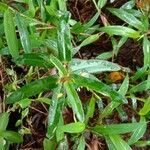
Impatiens rosea
Care Guide
💧 Water
☀️ Light Partial sun
Garden balsam does well in spots that receive a moderate amount of sunlight each day, although it can also tolerate stronger light. Native to areas with mixed sun exposure, it has adapted to these varying light levels. Still, too much or too little light can impede healthy development, causing reduced flowering or weak growth.
🌡️ Temperature 0–37.8°C
Garden balsam comes from warm regions and prefers temperatures of 68 to 100 °F (20 to 38 °C). A hot summer climate is important for it to flourish. In colder months, keeping it indoors with heat is recommended to mimic its native habitat.
💨 Humidity
🪴 Soil 6-7
🌱 Fertilizer
Begin fertilizing Garden balsam again once most of its flowers have opened to full size. Around the time the plant is at its peak bloom, resume feeding every three to four weeks, as weather allows. When the plant starts producing fewer new blooms, stop fertilizing; there is no need to feed it when it can no longer produce more flowers.
🪴 Pot & Repot
When repotting Garden balsam, choose a pot 1-2 inches (2.5–5.1 cm) larger in diameter that has good drainage. Use a well-draining potting mix and consider adding perlite for extra drainage. Repot in spring or early summer, water thoroughly afterward, and place it in a shady spot at first.
✂️ Pruning
🌿 Propagating
🐛 Diseases & pets
☠️ Toxicity
Characteristics
- Plant Type
- Herb
- Life Cycle
- Annual
- Genus
- Impatiens
- Family
- Balsaminaceae
- Hardiness Zone
- 2-11
- Mature Height
- 61 cm to 91 cm
- Mature Spread
- 30 cm to 40 cm
- Leaf Color
- Green
- Leaf Type
- Evergreen, Deciduous
- Flower Color
- Pink, Red, Purple, White
- Flower Size
- 3.05 cm to 4.06 cm
- Bloom Time
- Early summer, Mid summer
- Planting Time
- Spring, Summer
- Harvest Time
- Mid summer, Late summer
- Native Area
- Afghanistan, India, Cambodia, Vietnam, Myanmar, Bangladesh, Pakistan