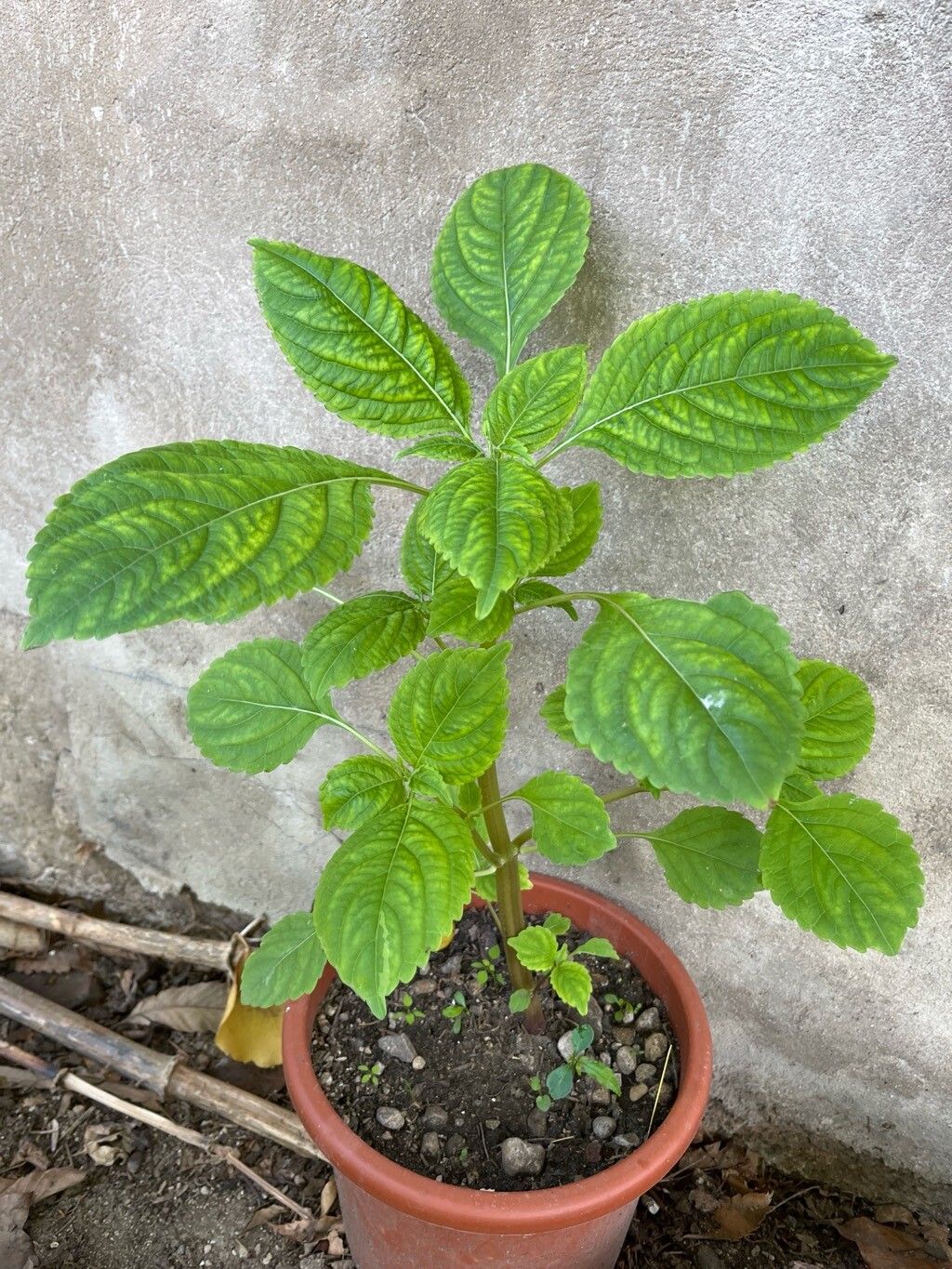
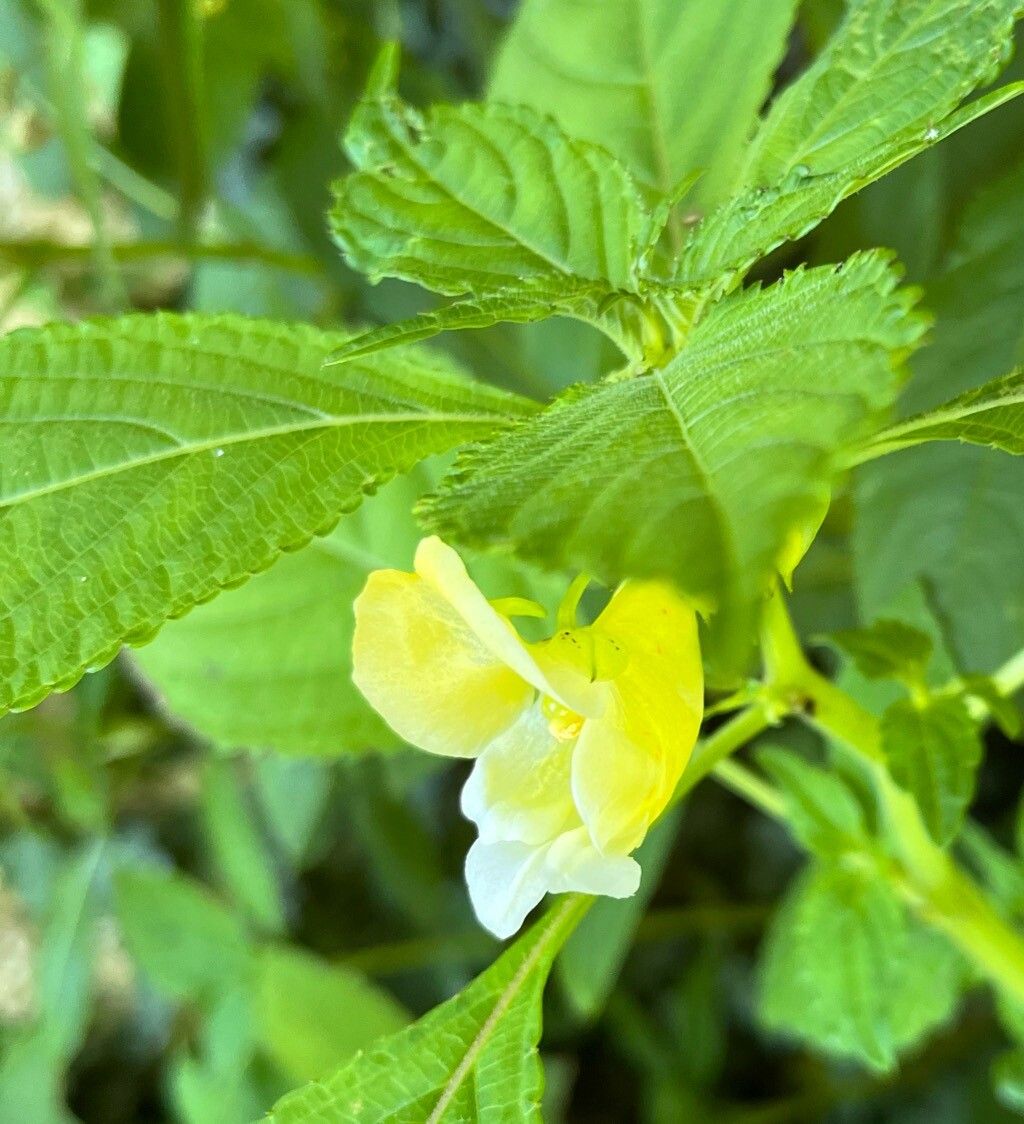
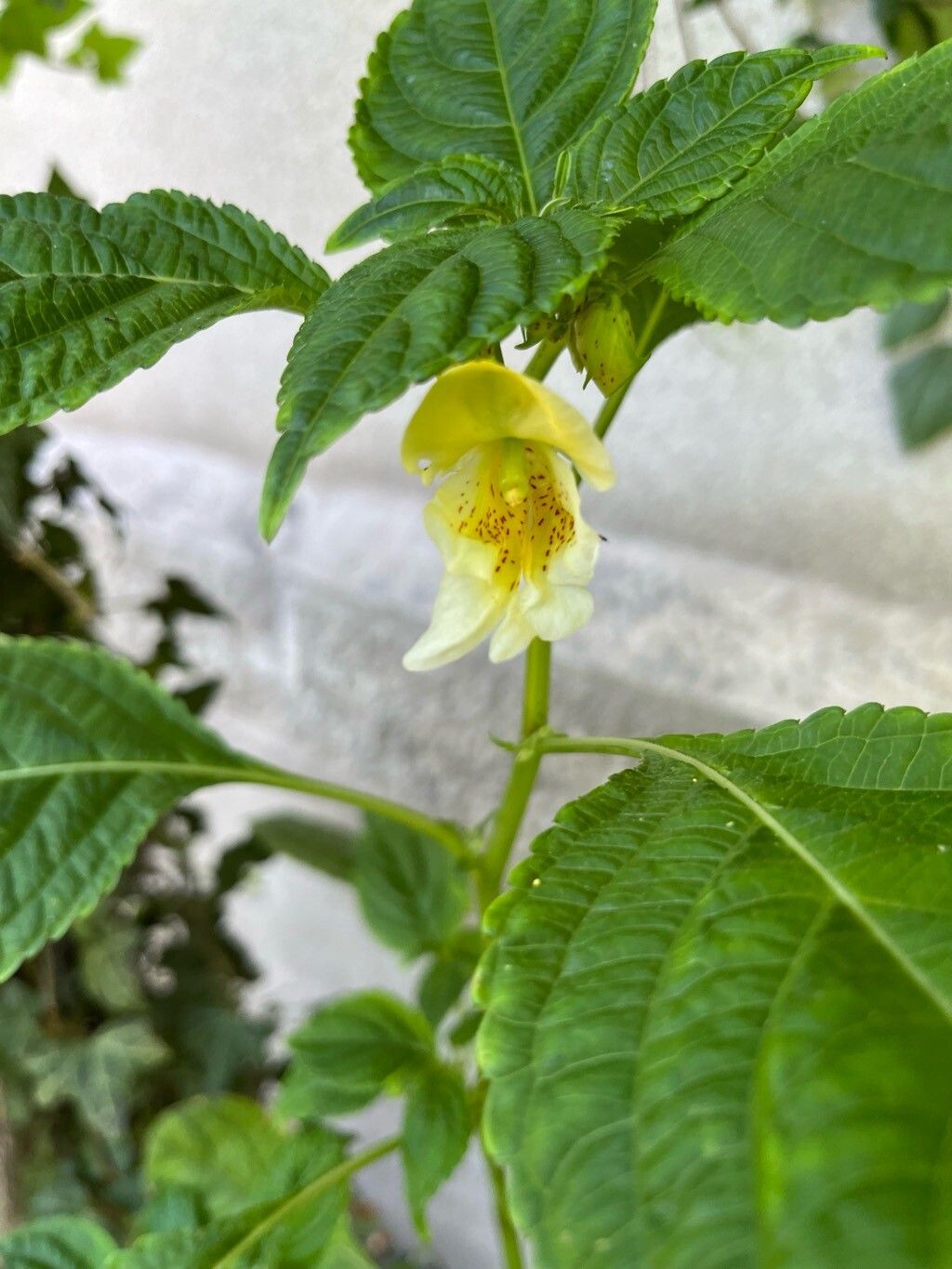
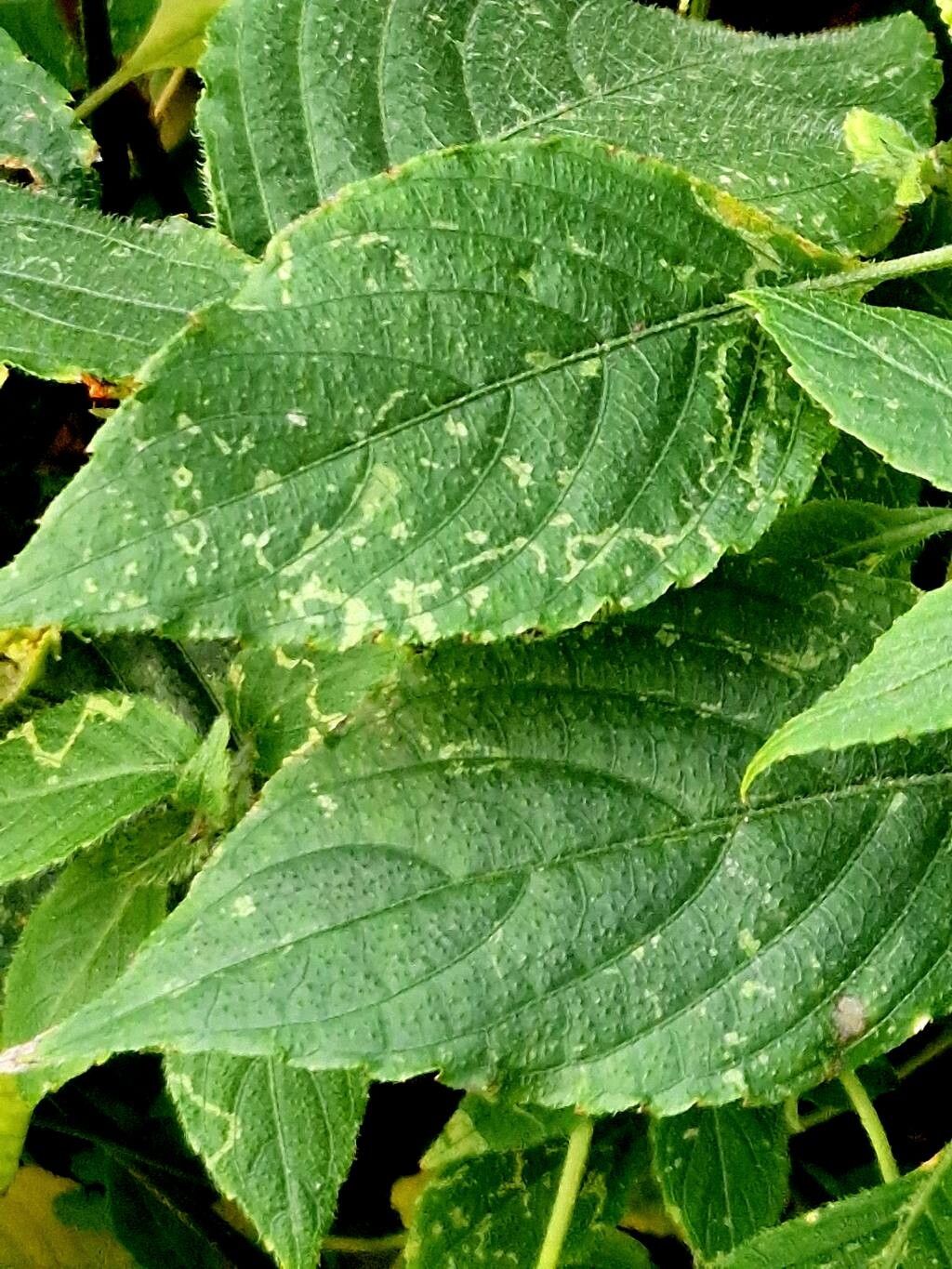
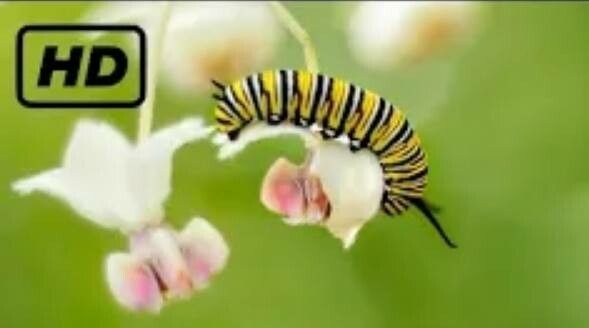
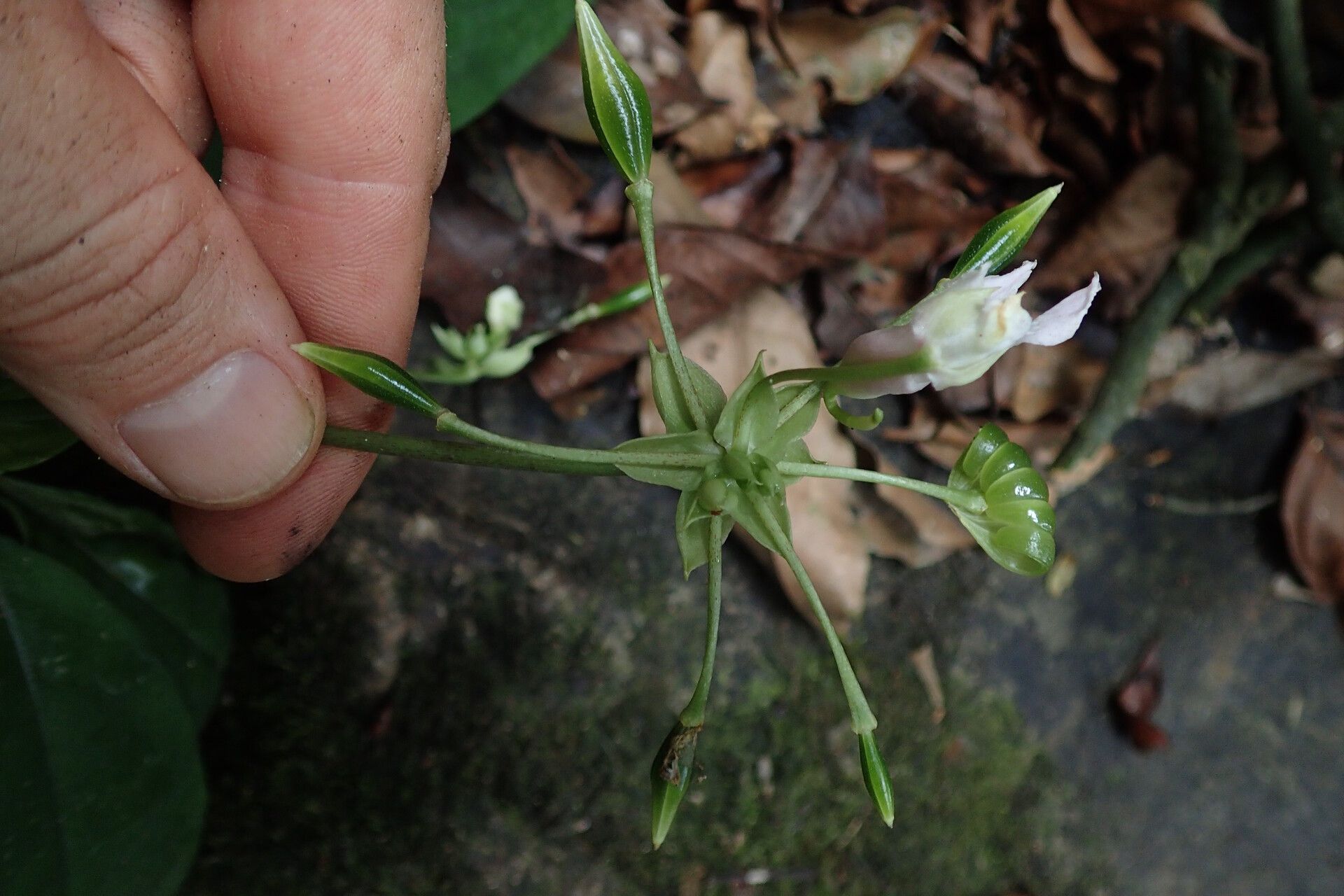
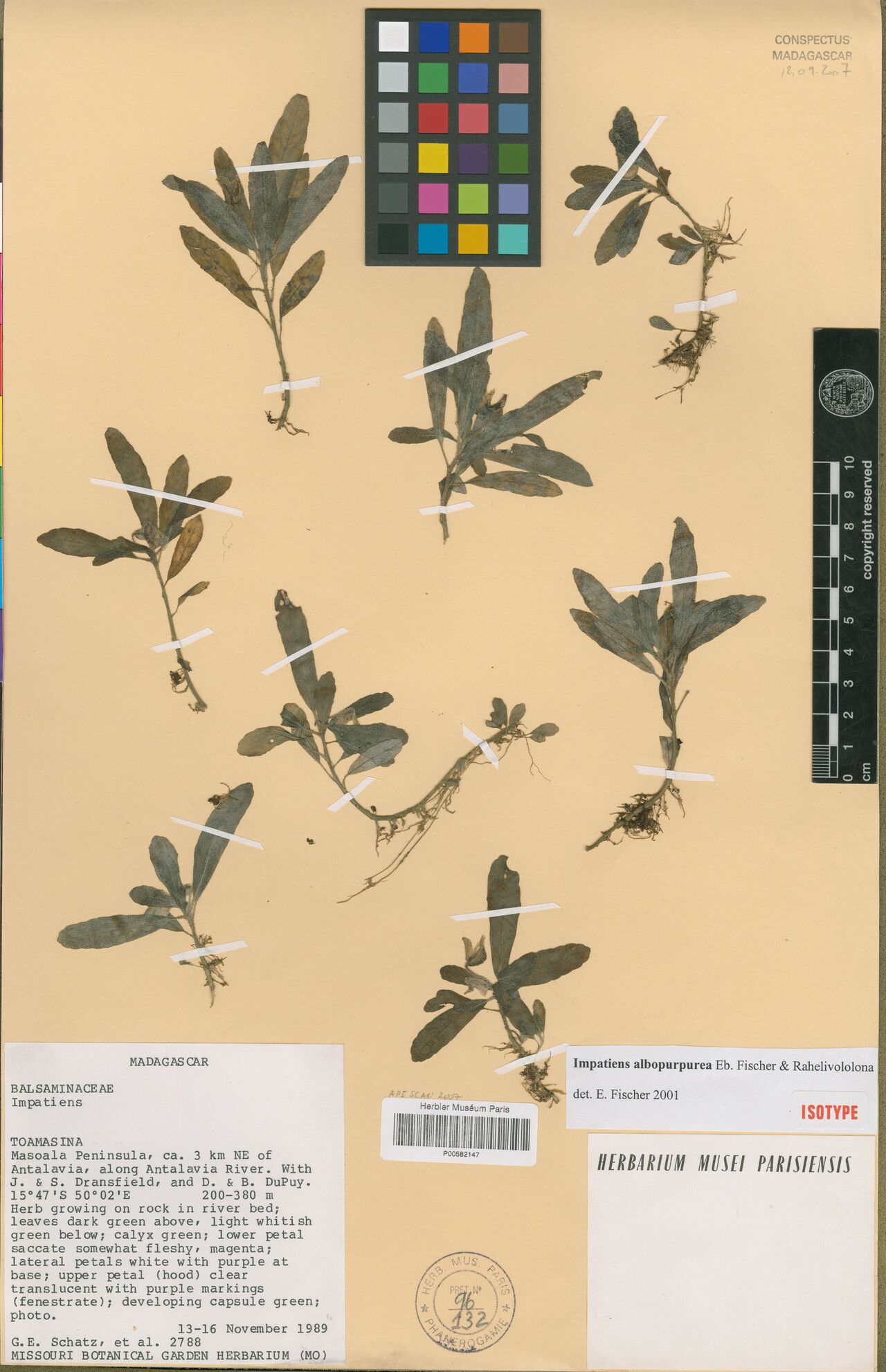
Rindliya has strong resistance to disease and is generally not susceptible to illnesses. However, it can be vulnerable to pests and diseases present in its environment. These infections are typically mild. In terms of care, the plant requires moderate maintenance. It should be pruned regularly to preserve a good appearance and support healthy growth. Fertilizing can also encourage flowering. Rindliya is suitable for anyone who has an outdoor area, such as a garden or patio, and does not demand much care experience. It may need extra attention when kept indoors.
How to keep Impatiens Scabrida.
Light
Rindliya takes root in settings provided with filtered sunlight, like forest undergrowth or rocky regions that offer inherent shade. It prospers in semi-sunlit conditions, but it is also capable of adapting to exposure to the full sun.
Temperature
Rindliya is originally from regions with temperate climates and performs optimally in temperatures between 68 and 95 °F (20 to 35 ℃). Throughout various seasons, mild temperature modifications might be needed to maintain its desired temperature range.
Fertilizer
When Rindliya's blooms are mostly completely open, it signifies the time to recommence fertilization. As weather allows, restart the fertilization roughly once every three to four weeks, corresponding with the period of maximum bloom output. However, once the Rindliya begins to generate fewer fresh blooms, halt the fertilization process since there is no benefit in fertilizing when the plant is unable to produce additional blooms.
Botanical profile.
- Plant Type
- Herb
- Life Cycle
- Annual
- Hardiness Zone
- 8
- Mature Height
- 30 cm to 49 cm
- Mature Spread
- 30 cm to 46 cm
- Leaf Color
- Green, Dark Green
- Leaf Type
- Semi-evergreen
- Flower Color
- Yellow, Orange
- Flower Size
- 2.54 cm
- Bloom Time
- Mid summer, Late summer, Early fall, Mid fall
- Planting Time
- Spring, Summer, Autumn
- Harvest Time
- Fall
- Native Area
- Nepal, India, Myanmar, Bhutan, Pakistan, China
Other names.