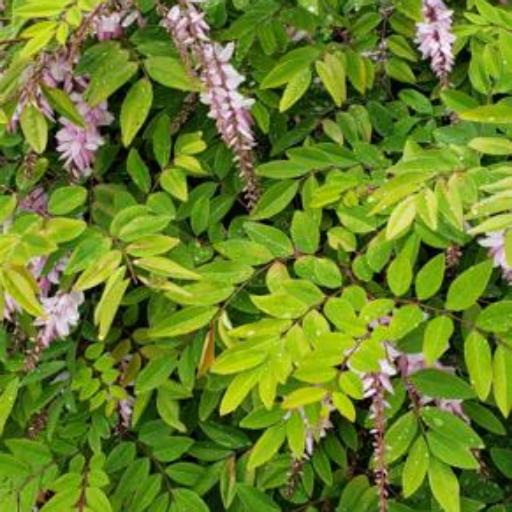
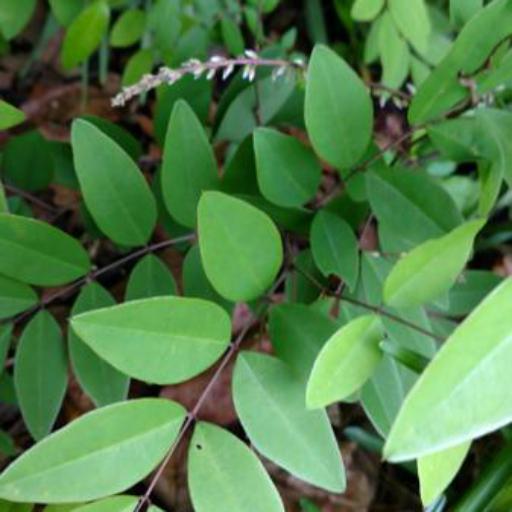
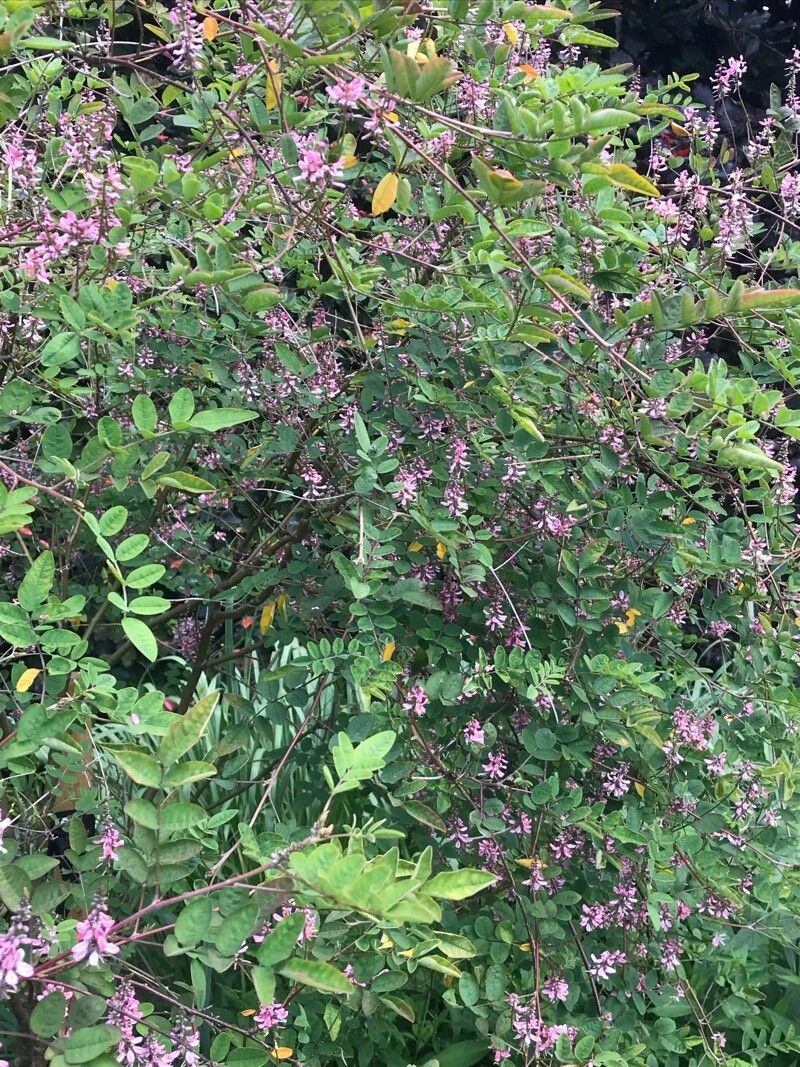
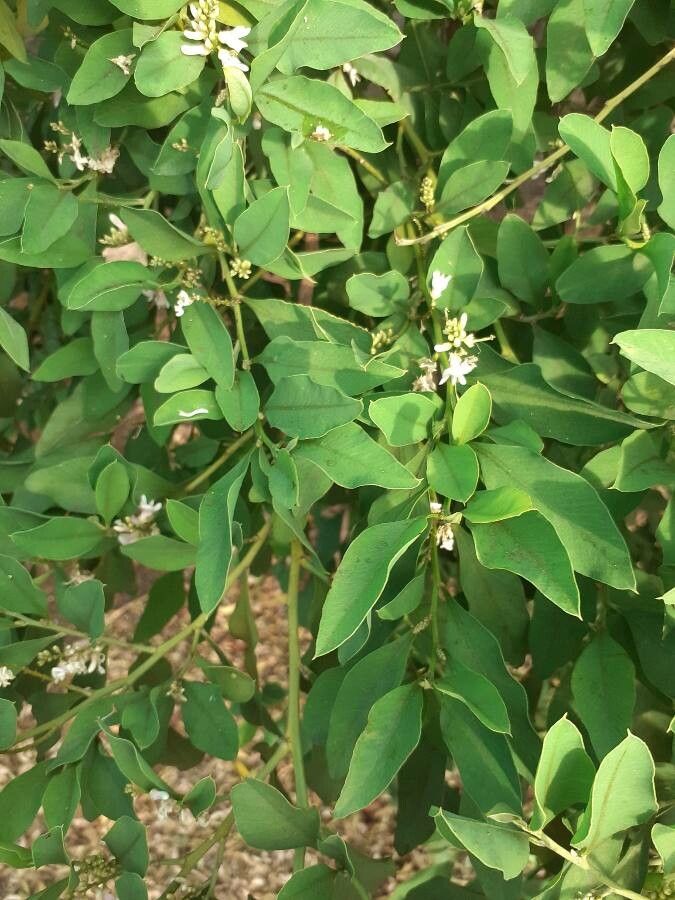
Indigofera kirilowii is a perennial plant belonging to the Fabaceae family, native to China. It can grow up to 1.5 meters tall and features a woody stem with branches adorned with small, pinnately compound green leaves.
The plant produces small, pinkish-purple flowers that bloom in clusters at the tips of the branches from late spring through summer.
For centuries, Indigofera kirilowii has been utilized in traditional Chinese medicine due to its medicinal properties, particularly compounds like indirubin, which possess anti-inflammatory benefits.
This plant thrives in well-drained soil with full sun exposure but can also tolerate partial shade. It is drought-tolerant once established but requires regular watering during its initial growth phase.
Overall, Indigofera kirilowii is an attractive ornamental plant with valuable medicinal properties, making it a great addition to any garden or landscape design.
Kirilow's indigo is resistant to disease and generally not vulnerable to illnesses. Regarding care, this plant is fairly low-maintenance. When grown outdoors it needs only light watering, and larger specimens typically do not need pruning; however, smaller plants should be trimmed after they finish blooming. Kirilow's indigot is appropriate for anyone with outdoor space, like a garden or a deck, and does not demand much gardening experience.
How to keep Indigofera Kirilowii.
Light
Kirilow's indigo comes from open habitats, such as sunny meadows and forest edges, where there is plenty of light. It does best in Full Sun but can also tolerate Partial Sun, adjusting well to different levels of sunlight.
Water
Kirilow's indigo flourishes best in moderately moist conditions, needing to be watered consistently every one to two weeks. While it can adapt to different climates, it thrives in temperate zones where water availability aligns with its natural growth cycles.
Temperature
Kirilow's indigo is highly adaptable to a variety of climates, from blazing summers to freezing winters. Still, it has a preferred temperature range for optimal growth. When temperatures get too high, the plant is susceptible to heat and humidity stress, which can cause it to die. In areas where temperatures approach the lower limit of its cold tolerance, it is important to provide insulation to protect the plant.
Fertilizer
The timing of fertilizing Kirilow's indigo is critical. Apply fertilizer in early spring and repeat it monthly through early summer. Fertilizer supports the production of attractive blooms and supplies energy during both dormant and active growth phases.
Pruning
Kirilow's Indigo has delicate pink to purple flowers and lush, divided leaves. To keep the plant healthy and vibrant, prune it in early spring by removing any dead or overcrowded branches, which will improve air circulation. It's beneficial to cut back about one-third of the plant to promote flowering and overall health. Annual pruning helps maintain the plant's shape and prevents disease.
Botanical profile.
- Plant Type
- Shrub
- Life Cycle
- Perennial
- Genus
- Indigofera
- Family
- Fabaceae
- Hardiness Zone
- 5-9
- Mature Height
- 61 cm to 91 cm
- Mature Spread
- 0.91 m to 1.22 m
- Leaf Color
- Green
- Leaf Type
- Deciduous
- Flower Color
- Pink
- Flower Size
- 2.54 cm
- Bloom Time
- Early summer, Mid summer
- Planting Time
- Spring, Summer, Autumn
- Harvest Time
- Late summer, Early fall
- Native Area
- Koppen, Japan, South Korea, China
Other names.