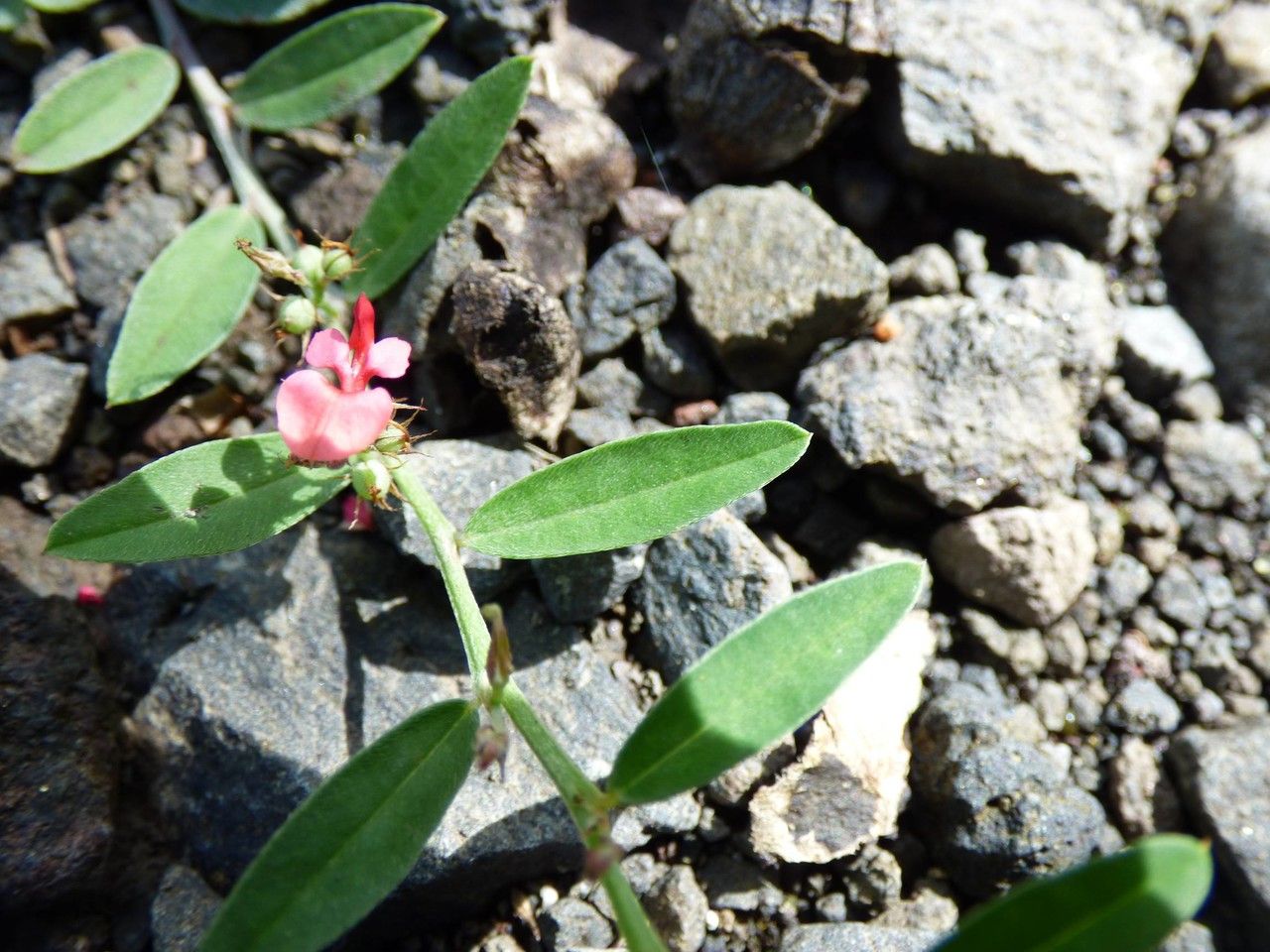
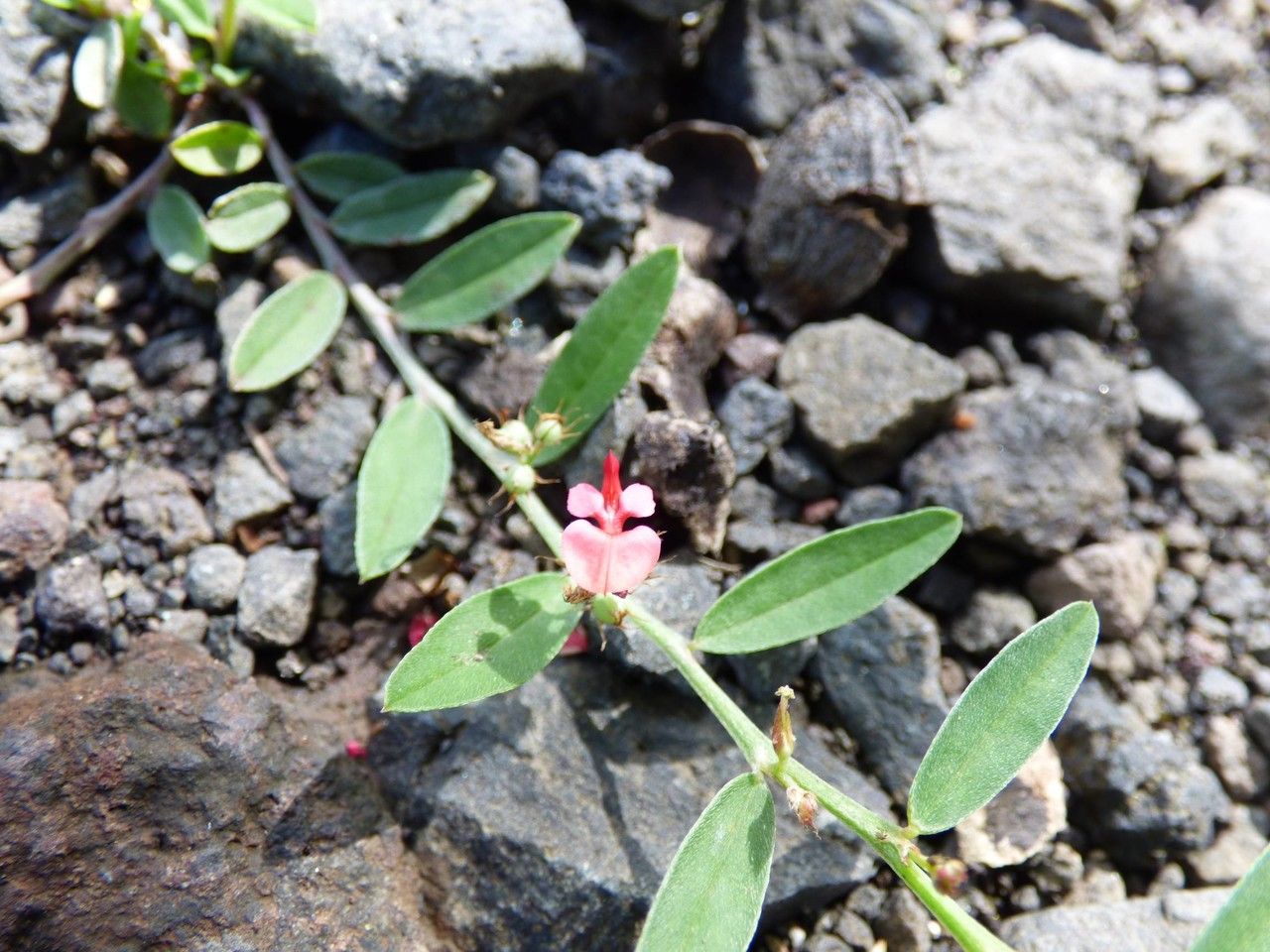
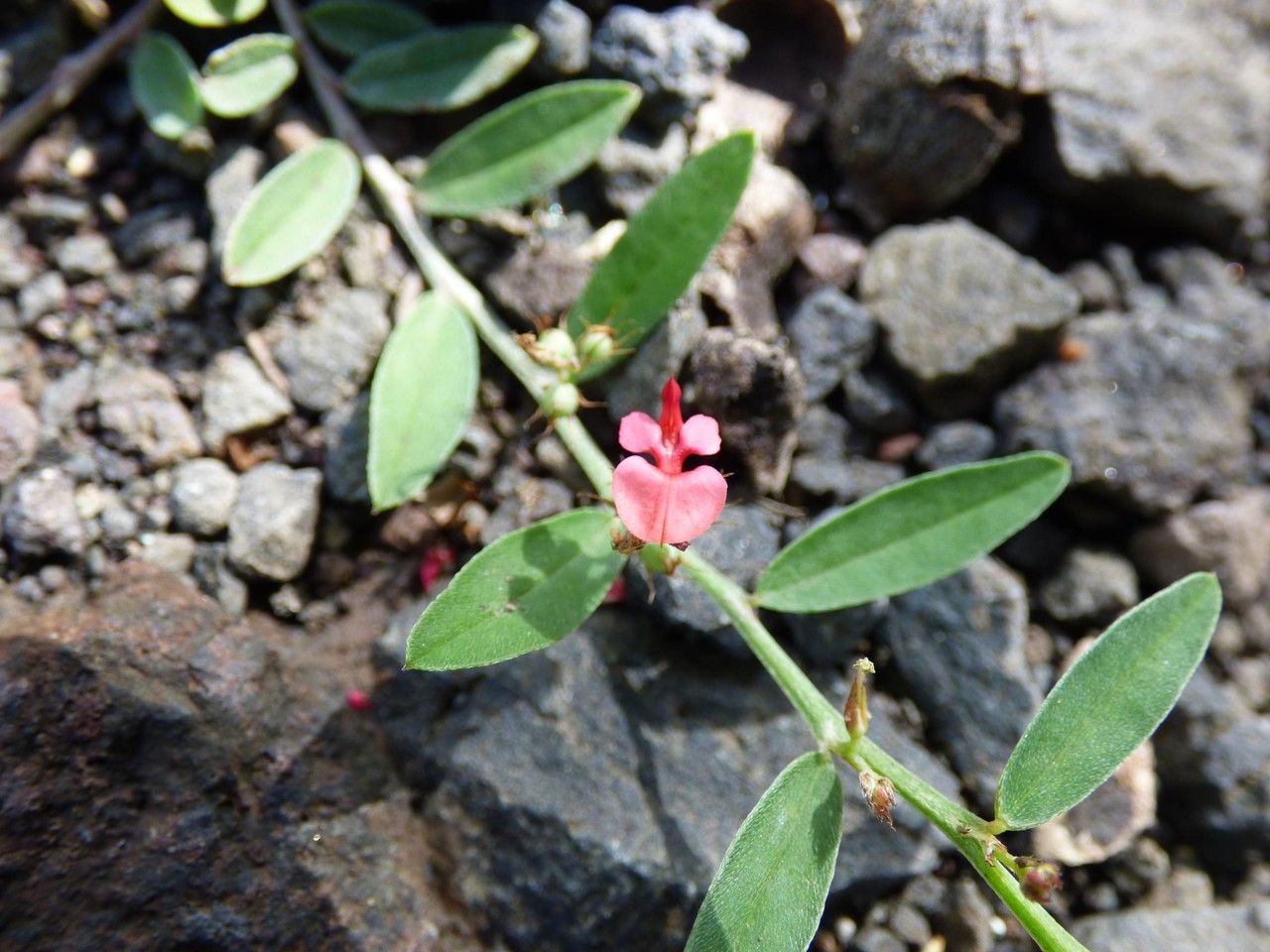
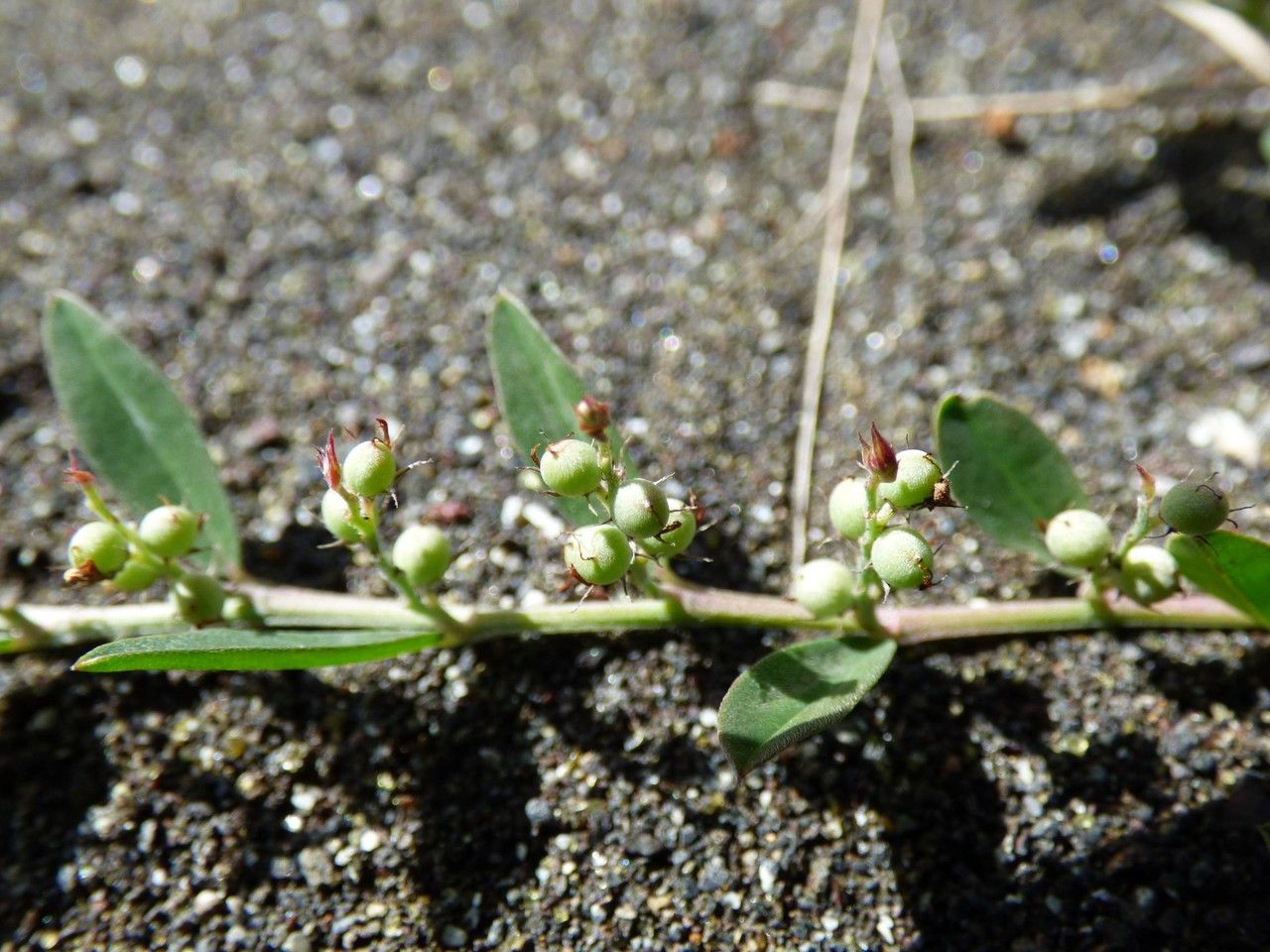
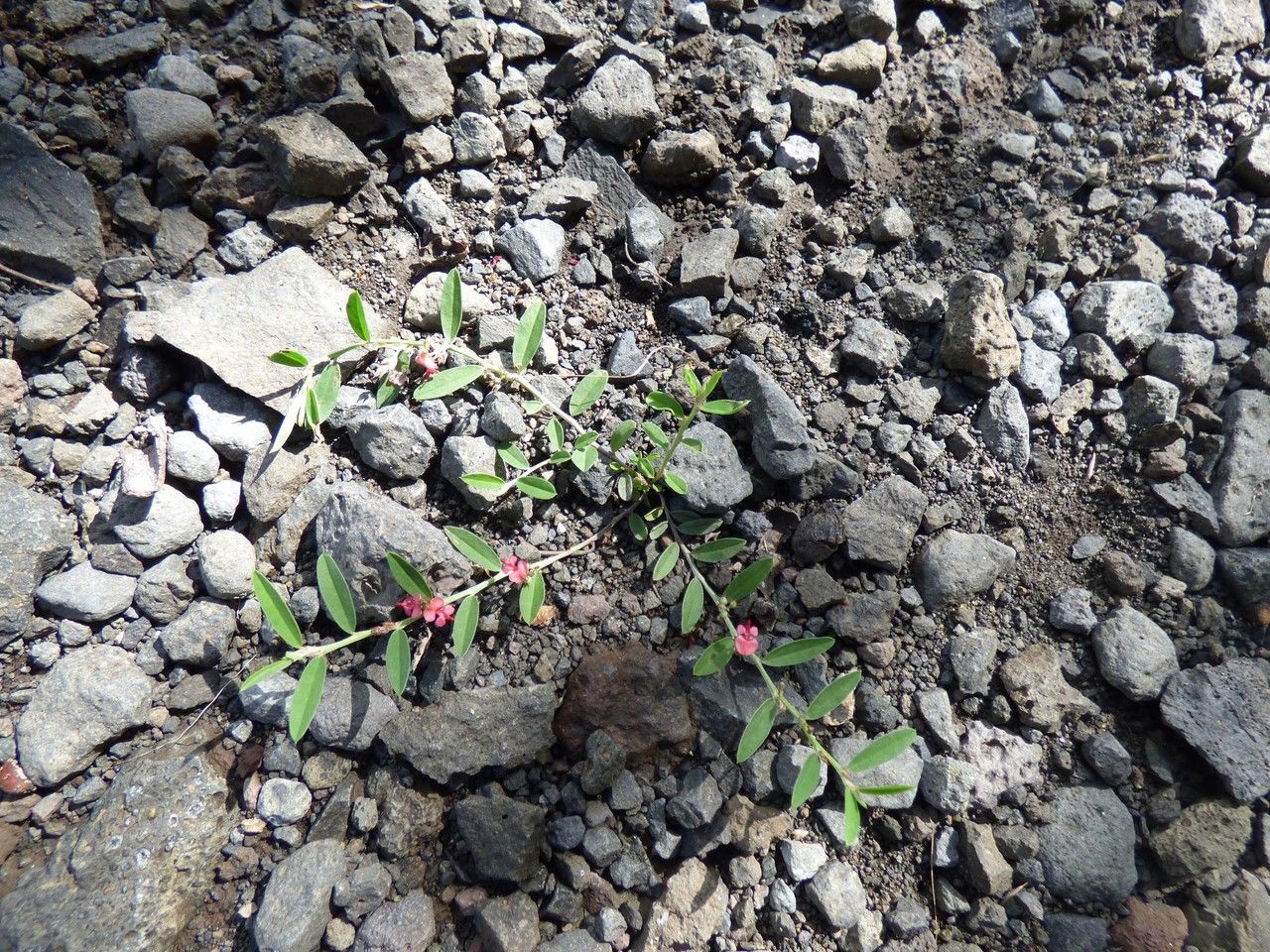
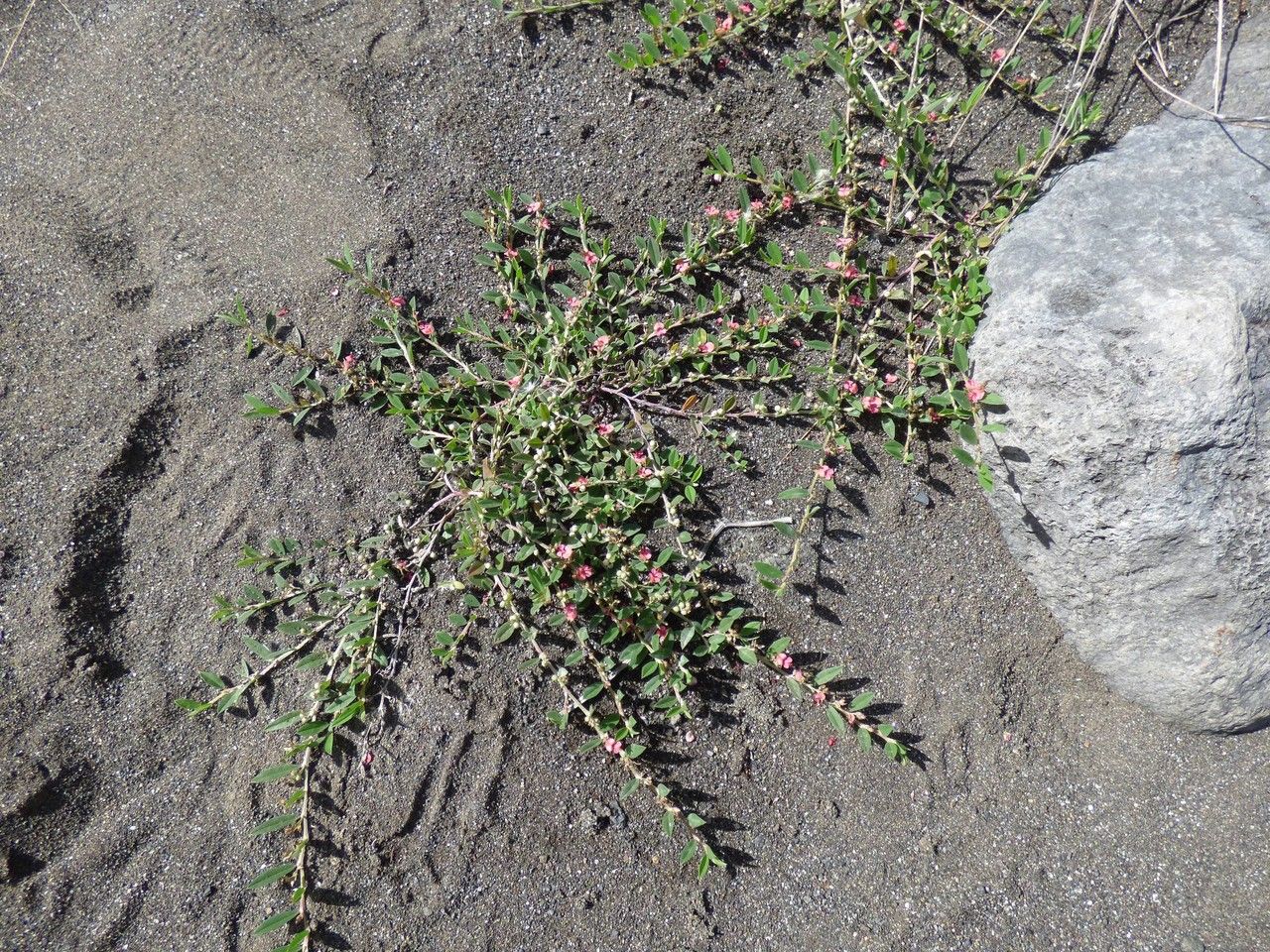
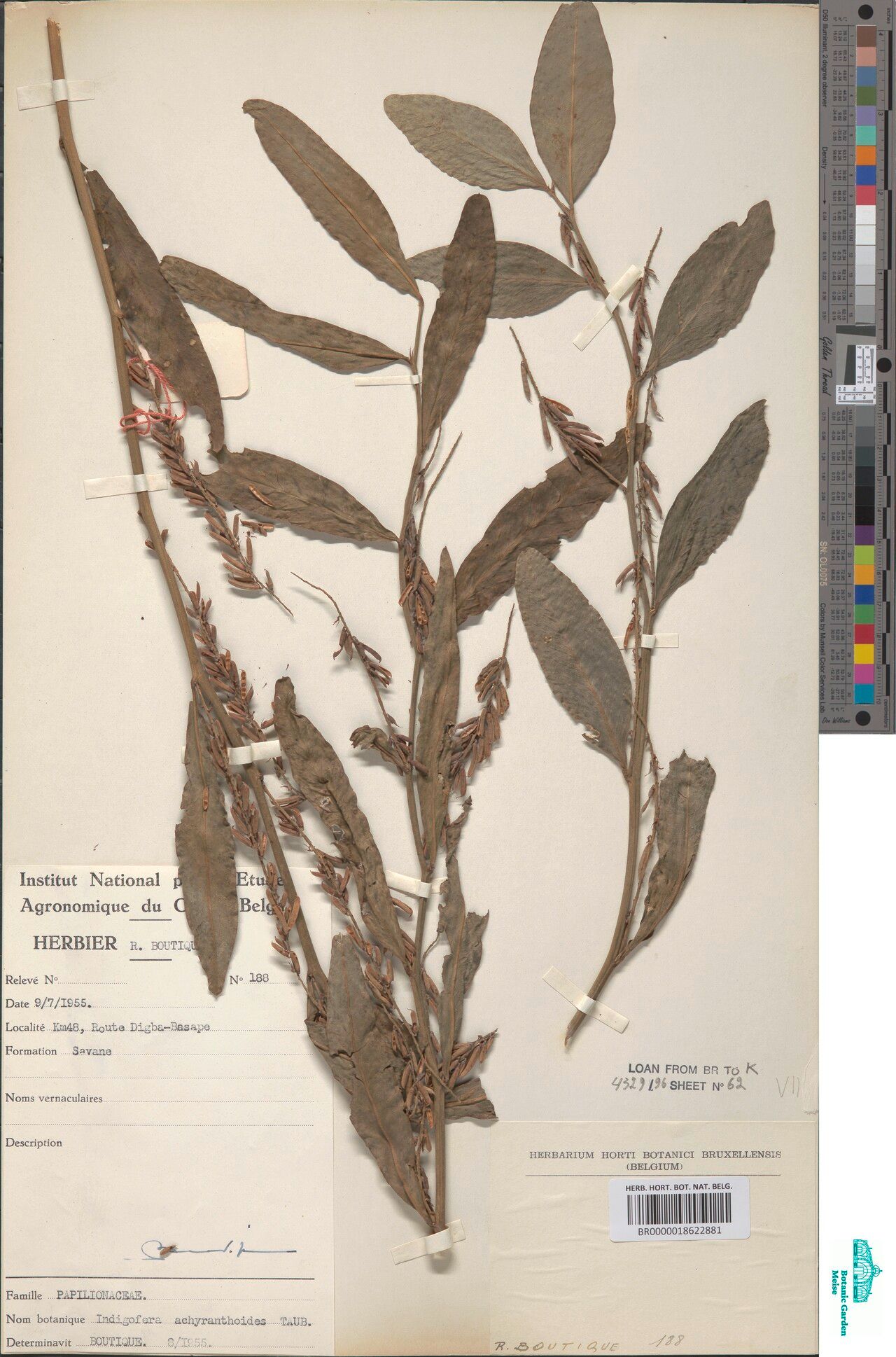
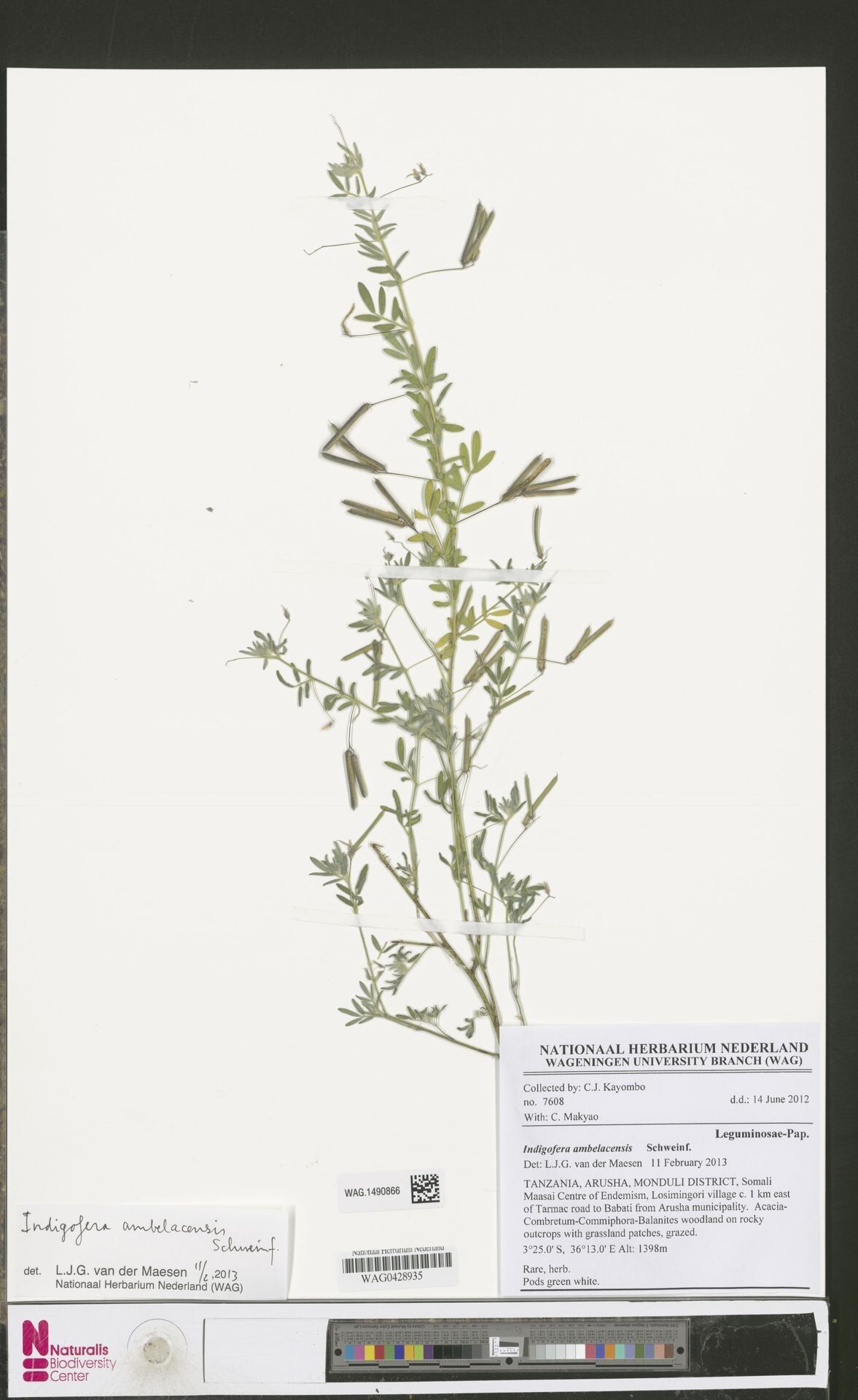
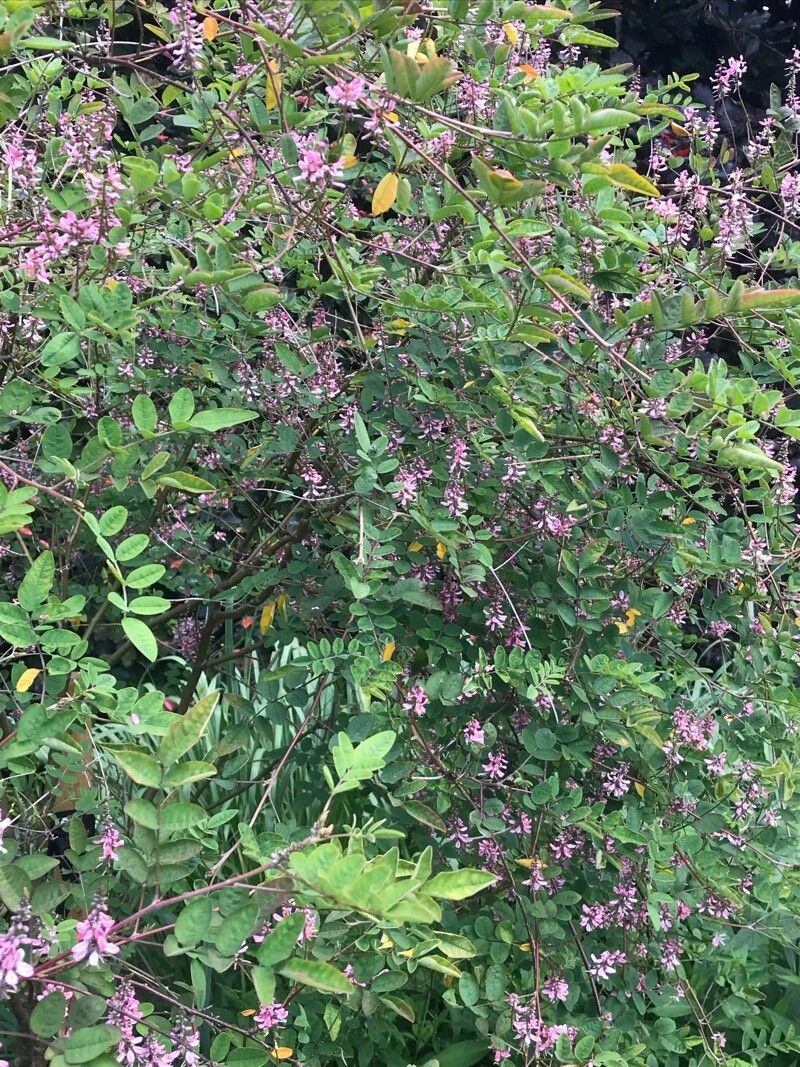
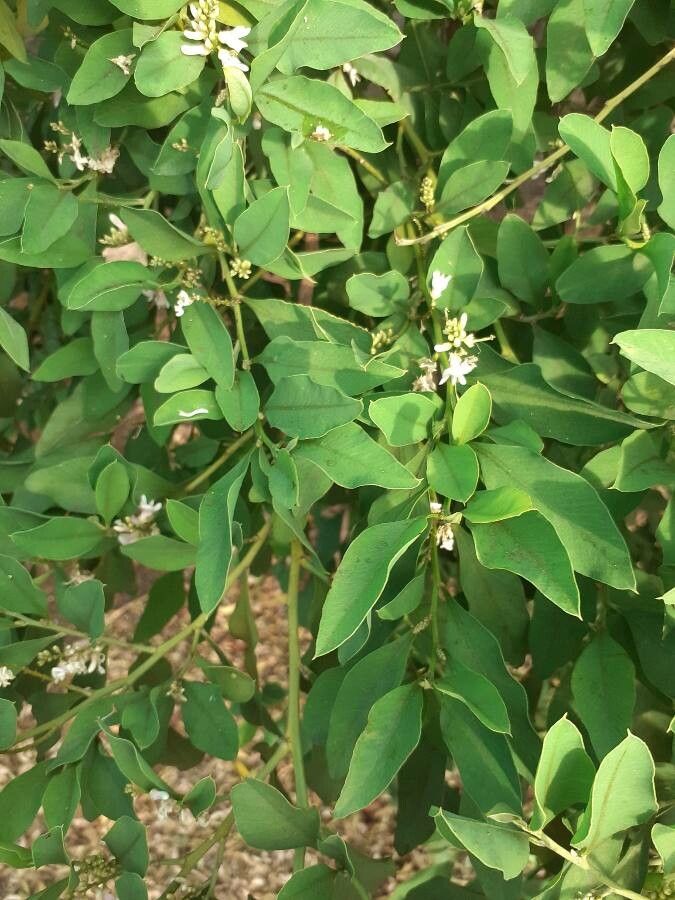
Indigofera linifolia, the narrowleaf indigo, is a species of flowering plant in the family Fabaceae. It is very widely distributed from Sudan eastwards to the Indian Subcontinent, Southeast Asia, Malesia, New Guinea and Australia, and it has been introduced to Réunion and New Caledonia. Livestock can consume it as fodder, and in times of famine humans can grind and bake the seeds into a bread. It grows on dry slopes, grasslands, and riversides.
Narrow leafed indigo has strong resistance to disease and is generally not prone to illnesses. Still, it can be affected by pests and diseases present in its surroundings, though those infections are typically mild. Care-wise, the plant requires moderate maintenance. It should be pruned regularly to preserve a good appearance and healthy growth, and fertilizing can help encourage flowering. Narrow leafed indigo is suitable for anyone with an outdoor area, such as a garden or patio, and does not demand extensive care experience. It may need more attention if grown indoors.
How to keep Indigofera Linifolia.
Light
Narrow-leafed indigo does well in places where it can take in large amounts of solar radiation. That light helps it grow healthily. However, a lack of light does not reduce its tolerance. Both excessive and insufficient solar exposure can harm its vigor. In its natural habitat, narrow-leafed indigo prospers in unobstructed sunlight.
Water
Narrow-leafed indigo is well-suited for arid conditions because of its exceptional drought tolerance. This plant requires only weekly watering, and it's important to ensure the soil is well-drained to prevent root rot. While it is primarily grown outdoors, narrow-leafed indigo thrives in dry environments that mimic its native habitat, highlighting its hardy nature and minimal need for moisture.
Temperature
Narrow-leafed indigo is suited to warm climates and is native to areas where temperatures range from 68 to 100 °F (20 to 38 °C). To encourage optimal growth, keep temperatures within that range, with warmer conditions in spring and summer and cooler ones in fall and winter.
Fertilizer
Narrow-leafed indigo needs the most fertilizer during its active growth period, which occurs mainly in spring, summer, and early fall. Fertilization supplies essential nutrients the soil may lack, supporting healthy root and stem development and the attractive foliage that is a key feature of this plant.
Pruning
Narrow-leafed indigo is characterized by its slender leaves and indigo-colored flowers. To promote better airflow, growth, and flowering, it is best to prune the plant from early to late spring. Be sure to remove any dead or diseased stems, and use clean tools to prevent the spread of disease. Regular pruning helps maintain a healthy and visually appealing narrow-leafed indigo.
Botanical profile.
- Plant Type
- Herb
- Life Cycle
- Perennial
- Genus
- Indigofera
- Family
- Fabaceae
- Hardiness Zone
- 10-12
- Mature Height
- 30 cm to 40 cm
- Mature Spread
- 30 cm
- Leaf Color
- Green, Light Green
- Leaf Type
- Deciduous
- Flower Color
- Pink, Purple
- Flower Size
- 0.51 cm to 0.76 cm
- Bloom Time
- Summer, Early fall, Mid fall
- Planting Time
- Spring, Summer, Autumn
- Harvest Time
- Late summer, Fall, Early winter
Other names.
Reader questions.
How should I water my Narrow leafed indigo plant?
To properly water the Narrow leafed indigo plant, it is recommended to use filtered water at room temperature. Tap water may contain harmful particles that can negatively affect the plant's health. The plant prefers water that is at room temperature or slightly warmer since it naturally thrives in warm environments. Cold water can potentially shock the plant. Additionally, it is best to avoid overhead watering as it can lead to leaf problems. Instead, the filtered room temperature water should be applied directly to the soil until it is thoroughly soaked. This method helps moisten the roots, allowing them to spread and gather essential nutrients from the soil.
How much sunlight does Narrow leafed indigo need to grow?
To ensure the healthy growth of narrow leafed indigo, it requires a minimum of six to eight hours of direct sunlight each day. If you choose to grow the plant outdoors, find a location that receives full sunlight all day. However, if you prefer to grow it indoors, place the plant near a south-facing window or any spot that receives ample sunlight. Although full sunlight is necessary for narrow leafed indigo, it is important to prevent direct exposure during extremely high temperatures, such as those exceeding 35°C (95℉), or on hot summer afternoons. Intense sunlight can scorch or wilt the leaves, so consider using sheer curtains or blinds to filter the sunlight or relocate the plant to a shadier area to avoid this.
What is the best temperature for Narrow leafed indigo?
To help your tropical plants thrive, it's best to maintain a temperature range of 75℉ to 90℉ (25-32℃). While different species can tolerate temperatures outside this range, sticking within a few degrees of these limits will ensure optimal growth. However, there are extreme temperature limits to be aware of. Anything below 50℉ (10℃) or above 95℉ (35℃) can hinder growth and cause issues with the leaves and stems. Low temperatures are particularly damaging, as even a light frost can lead to the death of your tropical plants. In fact, cellular death can occur rapidly, with some species dying within 12 to 24 hours.
What should I do if I give my Narrow leafed indigo too much or too little water?
Overwatering is a more common issue than underwatering for Narrow leafed indigo plants. When overwatered, the plant's stems and leaves may wilt and turn yellow. Over time, this can lead to diseases like root rot, mold, and mildew, which can be fatal. Underwatering is less common but can still happen. In this case, the plant's leaves will become brittle and brown. It's important to notice signs of overwatering early on since some diseases may not be reversible if left untreated. If you see these signs, reduce your watering schedule and check the soil's drainage. If it drains poorly, replace it with a loose, well-draining potting mix. If signs of underwatering are present, simply increase watering until the signs disappear.
What happens if Narrow leafed indigo doesn't get enough sunlight?
Insufficient sunlight can pose challenges to the growth of your Narrow leafed indigo. It may become feeble and lanky, while its leaves might turn yellow, suggesting the plant's insufficient access to sunlight required for chlorophyll production. In severe instances, the plant could perish.
Does Narrow leafed indigo need different temperatures during different stages of growth?
Narrow leafed indigo is not affected by changes in temperature when it transitions between growing phases. However, it is still important to maintain consistency in temperature. Fluctuations in temperature can slow down its growth, regardless of the current phase it is in. Therefore, it is recommended to keep this plant in a controlled environment. The optimal temperature range for narrow leafed indigo is between 75℉ and 90℉ (25-32℃), with a focus on staying above the lower limit. While it is not ideal to exceed 90℉ (32℃), this tropical plant can handle higher temperatures without significant damage. On the other hand, exposing narrow leafed indigo to temperatures below 50℉ (10℃) and especially 40℉/5℃ will directly harm this plant species, which thrives in warmth.
How frequently do I need to water my Narrow leafed indigo plant?
If your Narrow leafed indigo plant is in a pot, the most precise way to determine if it needs water is by sticking your finger into the soil. If the top two to three inches of soil are dry, it's time to water. If you are growing your Narrow leafed indigo outdoors in the ground, you can use the same method to test the soil. When the top few inches of soil have dried out, it's time to water. In spring and early fall, you will typically need to water this plant about once a week using this method. During extremely hot weather, you may need to water it twice or more per week. However, mature and well-established Narrow leafed indigo plants have a good ability to withstand drought.
What happens if Narrow leafed indigo gets too much sunlight?
Narrow leafed indigo requires full sunlight, but it's important to prevent overexposure. If the plant is exposed to intense sunlight for too long, it can develop sunburn symptoms, like brown or scorched leaves. To prevent this, regularly check on the plant and relocate it to a shadier area if needed.
Does Narrow leafed indigo require different temperatures in each season?
Narrow leafed indigo is a low-maintenance plant that does not require different temperatures for different growing seasons. The key to caring for it is maintaining a stable environment within the optimal temperature range. This is why it is recommended to keep this plant indoors, as it allows you to control the temperature regardless of outside conditions. In addition to temperature, light is also crucial for tropical species like narrow leafed indigo. These plants thrive when exposed to partial side-level sunlight, which means the light they receive should be dappled or filtered. When growing your plants indoors, bright but indirect light is the best choice. Too much direct sunlight can harm the leaves and impede their growth potential.
How much water does my Narrow leafed indigo plant need?
To properly water your Narrow leafed indigo, make sure you are generous with the amount of water you give. Wait until the top two to three inches of soil are dry, and then give your plant a thorough watering. Water enough so that the soil is completely soaked and excess water flows out from the drainage holes at the bottom of the pot. If you don't see any excess water draining, it means you have watered too little. However, be careful not to let water accumulate in the soil as it can harm the plant. On the other hand, if the water doesn't drain well from the pot, it may indicate that the soil is not draining properly, which is bad for the plant's health. If your plant is grown outside, one inch of rain each week should be enough.
What temperature should you keep your Narrow leafed indigo in to keep it healthy?
Here are three tips to help you take care of your plants: 1. Keep your plants away from windows during colder months: Cold air can leak into your home through cracks in the windows, and any plants placed near them will be affected. Move tropical plants to an area with bright but indirect light, while avoiding potential drafts. 2. Watch out for dry patches, which may indicate too much sunlight or heat: If you notice white or scorched leaves, your plant may be getting too much heat or sunlight. This can lead to dehydration and hinder growth. Dry spots can spread and eventually cause your plants to die if left unaddressed. 3. Be cautious of frost: Colder temperatures and frost can damage plants by disrupting their water circulation. This can lead to a lack of moisture in the stems and leaves. Look out for signs of hydrosis (a water-soaked appearance) and if the issue persists, the plant may shrivel and turn dark brown or black, eventually leading to death.
How do I water my Narrow leafed indigo as it grows?
The water needs of the Narrow leafed indigo can vary depending on its growth stages. In the early years or after transplanting, it requires more water. During these stages, the plant focuses on developing new roots, which need extra moisture for optimal growth. As the plant matures, it will require less water. Additionally, the bloom period is another phase when the plant may need more water due to the significant amount of moisture used in flower development.