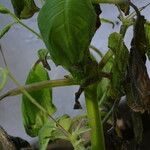
Indigofera suffruticosa
Anil indigo · Anil-de-Pasto · Anil de pasto · Guatemala indigo · Small-leaved indigo
Description
Source: leafsnapIndigofera suffruticosa, commonly known as Guatemalan indigo, small-leaved indigo (Sierra Leone), West Indian indigo, wild indigo, and anil, is a flowering plant in the pea family, Fabaceae. Anil is native to the subtropical and tropical Americas, including the southern United States, the Caribbean, Mexico, Central America, and South America as far south as northern Argentina. This species has been widely introduced to other parts of the world and today has a pantropical distribution. It is an erect branching shrub growing to 1 m (3.3 ft) tall with pinnate leaves, and is commonly found growing in dry, highly disturbed areas such as roadsides and fallow fields. Anil is commonly used as a source for indigo dye, and if mixed with Palygorskite clays, can produce Maya blue, a pigment used by the Mesoamerican civilizations.
Care Guide
💧 Water
Anil de pasto is native to tropical regions and thrives in consistently moist environments. It needs regular watering, with weekly hydration being sufficient for its health. When grown outdoors, rainwater can supplement the watering schedule and further support its growth.
How should I water my Anil de pasto?
To properly water the Anil de pasto, it is recommended to use filtered water at room temperature or slightly warmer. This plant prefers filtered water as tap water may contain harmful particles. Since the Anil de pasto comes from a warm environment, cold water can shock its system. It is also advised to avoid overhead watering, as it can lead to complications with the foliage. Instead, gently pour your filtered, room temperature water directly onto the soil until it is completely soaked. This method benefits the plant by moistening the roots and aiding in their spread through the soil to absorb necessary nutrients.
What should I do if I give my Anil de pasto too much or too little water?
It's important to be aware of the effects of both overwatering and underwatering on the health of your Anil de pasto. However, overwatering is more commonly seen and can cause wilting, yellowing leaves, and diseases like root rot, mold, and mildew. Underwatering is less common because this plant has good drought tolerance, but it can still happen and result in brittle, brown leaves. To prevent irreversible damage from overwatering, it's crucial to recognize the signs early and reduce watering immediately. Assessing the soil's drainage is also important - if it's poor, replace it with a well-draining potting mix. If signs of underwatering are evident, simply increase the watering frequency until the signs subside.
How often do I need to water my Anil de pasto?
If your Anil de pasto plant is in a pot, you can check if it needs water by sticking your finger in the soil. If the top two to three inches of soil are dry, it's time to water it. If you have your Anil de pasto plant growing outdoors in the ground, you can use a similar method to test the soil. When you find that the top few inches of soil are dry, it's time to water it. Typically, during the spring and early fall, watering once a week using this method should be sufficient. However, during extremely hot weather, you may need to water it twice a week or more. It's worth noting that mature and well-established Anil de pasto plants are quite resilient to drought and can withstand dry conditions effectively.
How much water does my lawn grass need?
To ensure proper watering for your Anil de pasto plant, it is important to be generous with the amount of water you provide. When the top two to three inches of soil are dry, it is time for a thorough watering. Make sure to water the plant enough so that the entire soil is soaked. You can test this by checking if excess water starts to flow out of the drainage holes at the bottom of the pot. If you don't see any excess water draining, it means you might be giving too little water to your plant. However, be cautious not to let water accumulate in the soil, as this can be harmful to the plant. On the other hand, if the water doesn't drain through the pot, it might be a sign of poorly draining soil, which is not good for the plant's health. Avoid such soil conditions. If the plant is outside, it will typically need about 1 inch of rainfall per week.
How should I water my lawn at different times it is growing?
The water needs of the Anil de pasto can vary depending on its growth stages. In the early years and after transplanting, it requires more water due to the development of new roots. These young roots need extra moisture for optimal growth. As the plant matures, it will require less water. Another stage when increased watering may be necessary is during the bloom period, as the flowers utilize a lot of moisture.
☀️ Light Full sun
Anil de pasto does best in full sun, though it can also grow satisfactorily in dappled sunlight. Coming from a habitat with plentiful light, its growth can be reduced by too little light, while excessive exposure may cause leaf scorch.
What are the sunlight requirements for Anil de pasto?
Anil de pasto, or Indigofera suffruticosa, requires full sun exposure to thrive, which means it should receive more than 6 hours of sunlight daily. However, it can also grow under partial sun, about 3-6 hours of sunlight. It's important to observe how sunlight moves through your garden to find spots that offer the perfect balance for your plants. Inadequate light can hinder growth, while too much sun exposure can cause leaf scorch.
Can artificial lighting be used for Anil de pasto, and how?
Yes, artificial lighting can support the growth of Anil de pasto, especially when natural sunlight is insufficient. This is often necessary during winter or in less sunny spaces. Optimal growth requires adequate lighting; LED lights are recommended because they can be customized to provide specific wavelengths needed by plants. For full sun plants, 30-50W/sq ft of light is required, while partial sun plants need 20-30W/sq ft, and full shade plants require 10-20W/sq ft. The light source should be placed 12-36 inches above the plant to mimic natural sunlight, and most plants will need 8-12 hours of light per day.
What are the symptoms of inadequate lighting for Anil de pasto?
Symptoms of inadequate lighting in Anil de pasto include the development of smaller leaves than previous ones, leggy or sparse growth, faster leaf dropping, slower or no new growth, and lighter-colored or pale new leaves. Chlorosis, or the yellowing of leaves due to a breakdown of chlorophyll from excessive sunlight, sunscald, leaf curling, wilting, and leaf scorching are also indicators of improper lighting conditions.
What are the solutions for Anil de pasto suffering from inadequate sunlight?
To address inadequate sunlight for Anil de pasto, gradually move the plants to a sunnier location each week to ensure they receive at least 6 hours of direct sunlight daily. For indoor plants, use a south-facing window or consider artificial lighting, keeping lights on for at least 8 hours daily. Outdoor plants should be gradually moved to better spots, avoiding sudden changes to prevent sunburn. Minimize obstructions by pruning trees or branches and consider transplanting smaller plants during their dormant period to areas with more sunlight and good drainage.
🌡️ Temperature 20–37.8°C
Anil de pasto thrives where temperatures reach 68 to 100°F (20 to 38℃) and is very particular about its temperature. Make sure this range is maintained, with seasonal adjustments when necessary.
What temperature conditions are ideal for Anil de pasto (Indigofera suffruticosa)?
Anil de pasto thrives in warm environments, with optimal temperatures ranging from 68 to 100°F (20 to 38°C). This heat-loving plant can be at risk if exposed to cold temperatures, thus requiring seasonal adjustments to maintain its preferred temperature range. During the colder months, especially in the autumn, it's advised to bring outdoor Anil de pasto plants indoors, placing them near a brightly lit window but away from direct heat sources like heaters. To promote healthy growth throughout winter, keeping the temperature above 20°C is beneficial, while temperatures nearing 5°C can be harmful to the plant.
How does low temperature affect Anil de pasto and what are the solutions?
Anil de pasto is sensitive to cold temperatures, thriving best when the temperature remains above 20°C and needing it to stay above 5°C during winter. Exposure to temperatures below 1°C can cause the leaves to lighten in color, which after frost damage, turn brown or black. This damage is accompanied by wilting and drooping of the plant. If frost damage occurs, trim off the affected parts and move the plant to a warmer indoor location immediately for protection. Placing it near a south-facing window can ensure it receives enough sunlight. It's also important to avoid placing the plant near heaters or air conditioning vents, which can cause the air to become excessively dry.
What should be done if Anil de pasto is exposed to high temperatures?
During summer, it is crucial to keep Anil de pasto's temperature below 38°C to prevent stress from high heat. Exceeding temperatures of 43°C can lighten the leaves' color and increase susceptibility to sunburn. To mitigate damage, sunburned and dried-up parts of the plant should be trimmed away. Relocating the plant to a shaded area during the peak sun of midday and afternoon helps to protect it. Additionally, watering the plant in the morning and evening can help maintain soil moisture, ensuring the plant remains hydrated.
💨 Humidity
🪴 Soil 6-7
🌱 Fertilizer
Appropriate fertilization is essential for Anil de pasto's health and appearance. Apply fertilizer to Anil de pasto during the summer, repeating the application monthly throughout the season. The nutrients support growth and help maintain the plant's parts. Fertilizing improves Anil de pasto's flower display, ensuring the best blooms.
Why should I put fertilizer on my lawn?
Plants, including the Anil de pasto, need soil nutrients to grow. However, it's not always guaranteed that the soil will have all the necessary nutrients. Fertilization and soil amendments are used to provide the plants in your garden with both basic nutrients and specific ones they need. For the Anil de pasto, fertilizer is essential for healthy root and stem development throughout the growing season. Fertilization also ensures that this plant has attractive leaves, which are its main ornamental feature.
When should I fertilize my Anil de pasto?
An Anil de pasto requires the most fertilizer when it is actively growing, which is primarily during spring, summer, and early fall. Ideally, you should feed it every two to four weeks from the end of winter until the autumn months. As fall approaches, gradually reduce the amount of fertilizer you give until you stop completely in preparation for winter, when the Anil de pasto will experience limited growth.
When is it best to not put fertilizer on my lawn?
Throughout most of the year, including spring, summer, and most of the fall, it is important to regularly feed your Anil de pasto. However, there are a few exceptions to this rule. If you notice that your plant has received too much fertilizer or has been fertilized incorrectly, causing issues like fertilizer burn, you should address those problems before continuing with regular feeding. The only time when you should not fertilize your Anil de pasto is during the winter. If you are growing the plant indoors in a cold area, it will go through a dormant phase during this time. Feeding the plant during dormancy is not only unnecessary and unhelpful for its growth, but it can also result in fertilizer burn.
What kind of fertilizer does my Anil de pasto (grass) need?
An ideal fertilizer for Anil de pasto has a specific blend of nutrients, each present in relatively low amounts. The preferred N-P-K ratio for a fertilizer is 3-1-2. However, a general-purpose fertilizer with an even nutrient blend can also work well in some cases. When using a balanced fertilizer, the volume of each nutrient should be at 10 or lower. The fertilizer can be either granular or liquid-based. If you opt for a liquid-based fertilizer, it's best to dilute it by half. While there are no significant downsides to granular fertilizer, using liquid fertilizer is often more practical, especially if you water your Anil de pasto while feeding it.
How should I fertilize my turfgrass?
When purchasing fertilizer for your Anil de pasto, you will receive application instructions that are generally important to follow. However, for this specific plant, it is crucial to fertilize either just before or while watering the soil. This will prevent any harm to the plant's roots caused by the fertilizer. If you are using a slow-release granular fertilizer, sprinkle it onto the soil and immediately water it. On the other hand, if you are using a liquid-based fertilizer, dilute it with water, apply it to the soil, and then provide some more water. Remember to dilute the fertilizer at least half the recommended concentration, especially during spring and fall, as these are times when the plant is either growing rapidly or slowing down its growth.
🪴 Pot & Repot
✂️ Pruning
Anil de Pasto is a vibrant subshrub that thrives with annual pruning, ideally carried out from early to late spring. Begin by removing any dead stems to improve air circulation and encourage bushier growth. Make clean, angled cuts to prevent disease and maintain the plant's shape, which ultimately enhances its overall health and flowering.
🌿 Propagating
🐛 Diseases & pets
☠️ Toxicity
Characteristics
- Plant Type
- Herb, Shrub
- Life Cycle
- Perennial
- Genus
- Indigofera
- Family
- Fabaceae
- Hardiness Zone
- 10-12
- Mature Height
- 0.76 m to 1.52 m
- Mature Spread
- 1.52 m
- Leaf Color
- Green, Blue
- Leaf Type
- Evergreen
- Flower Color
- Pink, Purple
- Flower Size
- 2.03 cm to 3.05 cm
- Bloom Time
- Summer, Early fall, Mid fall
- Planting Time
- Spring, Summer
- Harvest Time
- Late summer, Fall, Early winter
- Native Area
- Belize, Mexico, Guatemala, Dominican Republic, Jamaica, Cuba, Paraguay, Argentina, Haiti, Venezuela, Brazil, Suriname, Chile, Honduras, Peru, Panama, Colombia, Bahamas, Bolivia, Myanmar, El Salvador, Nicaragua, Ecuador, Costa Rica