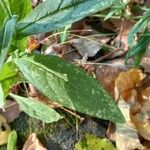
Inula britannica
British elecampane · Meadow-fleabane · British yellowhead · British fleabane · Meadow Inula
Description
Source: leafsnapPentanema britannica, the British yellowhead or meadow fleabane, is a Eurasian species of plant in the daisy family. It is widespread across much of Europe and Asia, and sparingly naturalized in scattered locations in North America.Pentanema britannica is an erect herb up to 75 cm (30 inches) tall, with fine hairs but not the thick woolly coat characterizing some related species. Leaves are lance-shaped, up to 5 cm (2 inches) long. One plant produces a few heads, each on a long flower stalk. Each had contains 50-150 yellow ray flowers and 100-250 yellow disc flowers.The plant produces the flavonol axillarin.
Care Guide
💧 Water
The British yellowhead thrives in moist environments near bodies of water and prefers consistent moisture, although it can tolerate moderate drought. To keep it well-hydrated, it should be watered weekly. This herbaceous perennial is typically grown outdoors, where it can benefit from natural rainfall during the growing season.
How should I water my British yellowhead plant?
For optimal care of the British yellowhead plant, it is important to use filtered water at room temperature. Tap water may contain harmful particles, so filtered water is preferable. As the British yellowhead originates from a warm environment, it is best to avoid using cold water, which can shock the plant. Additionally, overhead watering should be avoided as it can cause issues with the foliage. Instead, the soil should be thoroughly soaked with filtered, room temperature water. This helps to moisturize the roots and promote their growth and nutrient absorption.
What should I do if I give too much or too little water to my British yellowhead?
Overwatering is a more common issue that can harm your British yellowhead by causing wilting and yellowing of its stems and leaves. It can also lead to diseases like root rot, mold, and mildew, which can be fatal for the plant. Underwatering is less common for this species due to its drought tolerance, but it can still occur, causing brittle and brown leaves. It is important to detect and address signs of overwatering promptly, as some diseases may not be reversible if left unattended. Reduce watering and improve the soil drainage if overwatering is suspected. Increase watering if signs of underwatering are present.
How often do I need to water my British yellowhead?
To determine if your potted British yellowhead plant needs water, check the soil by sticking your finger into it. If the top two to three inches of soil are dry, it's time to water. The same method can be used if you have a British yellowhead planted outdoors. When the top few inches of soil have dried out, add water. In spring and early fall, watering once a week is usually sufficient. During hot weather, you may need to water twice or more per week. However, mature British yellowhead plants can tolerate drought well.
How much water does my British yellowhead bird need?
To properly water your British yellowhead, don't hold back on the amount of water you give. Wait until the top few inches of soil are dry, then give the plant a good, thorough watering. Make sure to add enough water to completely saturate the soil and allow excess water to drain out through the holes at the bottom of the pot. If you don't see any excess water draining out, you may not be giving enough water. However, be careful not to let water accumulate in the soil as this can harm the plant. On the other hand, if water is not draining properly, it could indicate that the soil is not draining well, which is not good for the plant's health. If the plant is outdoors, about 1 inch of rain per week should be enough.
How should I water my British yellowhead plant as it grows?
The water needs of the British yellowhead can vary depending on its growth stages. When it is in its early years or has just been transplanted, it requires more water than usual. During these stages, the plant is focused on developing new roots, which need additional moisture to support future growth. As the plant matures, its water needs reduce. However, during the bloom period, when flowers are developing, the British yellowhead may require more water to meet the high moisture demands of flower growth.
☀️ Light Full sun
For optimal growth, the british yellowhead needs a considerable amount of sunlight, although it also does well in moderate light. This requirement comes from its native habitat, which received substantial daily light. Either too much or too little sunlight can hamper its growth or even cause the plant to become unhealthy.
What are the sunlight requirements for British Yellowhead?
British Yellowhead (Inula britannica) thrives best in locations that provide full sun, meaning it requires more than 6 hours of sunlight daily. However, it can also grow in partial sun, where it gets about 3-6 hours of sunlight. Observing how sunlight moves through your garden will help you find spots that offer a balanced mix of light and shade, ensuring the well-being of your plants.
How important is sunlight for the growth of British Yellowhead?
Sunlight plays a crucial role in the optimal growth of British Yellowhead, stemming from its native habitat which receives substantial daily light. Although the plant manages well in moderate light conditions, too much or too little sunlight can hinder its growth or cause sickness. When natural sunlight is insufficient, especially during winter or in less sunny locations, artificial lighting can promote healthier, faster growth. LED lights, which can provide the specific wavelengths needed by plants, are recommended. Full sun plants generally require 30-50W/sq ft, partial sun plants 20-30W/sq ft, and full shade plants 10-20W/sq ft of artificial light.
What are the symptoms of improper lighting for British Yellowhead?
When British Yellowhead is exposed to inadequate lighting, several symptoms can arise. These include small, underdeveloped new leaves, leggy or sparse growth, premature leaf drop, slower or halted growth, paler new leaves, chlorosis, sunscald, leaf curling, wilting, and leaf scorching. These symptoms highlight the plant's struggle in unsuitable light conditions, affecting its health and growth.
What solutions can improve the growth of British Yellowhead in inadequate light conditions?
To improve growth under inadequate light conditions, gradually moving plants to sunnier spots to receive at least 6 hours of direct sunlight daily is beneficial. If moving the plant isn’t feasible, supplementing with artificial light like a desk or grow lights for at least 8 hours daily can also help. For outdoor plants, ensure gradual adaptation to prevent sunburn. In cases where obstructions limit sunlight, consider pruning or transplanting the plant to a sunnier location. While parts of the plant affected by insufficient sunlight may not recover, new growth should flourish under better lighting.
🌡️ Temperature 5–32.2°C
British yellowhead does best in areas with temperatures between 41 and 89.6 °F (5 and 32 ℃). If temperatures climb above this range, consider offering some shade to protect against extreme heat.
What is the ideal temperature range for British yellowhead?
British yellowhead thrives in areas with temperatures ranging from 41 to 89.6 °F (5 to 32 °C). It's well-suited to a variety of conditions, showing strong resistance to cold. During warmer seasons, if temperatures rise beyond its comfort zone, providing some shade can protect the plant from extreme heat.
How does British yellowhead handle extreme winter conditions?
British yellowhead has a strong cold resistance and generally doesn't require special frost protection measures during winter. However, if winter temperatures are expected to drop below -25°C, it's important to protect the plant. Covering the plant with soil or straw can offer necessary cold protection. Additionally, watering the plant abundantly before the first freeze in autumn, ensuring the soil is moist, helps prevent drought and water scarcity during winter and early spring.
What should be done if British yellowhead is exposed to temperatures below its cold tolerance level?
If the temperature falls below -25°C, British yellowhead may not show immediate changes during winter, but there could be a decrease in sprouting or no sprouting at all in spring. To manage this, in spring, remove any parts of the plant that have failed to sprout as a response to the extreme cold exposure.
What are the symptoms of high temperature stress in British yellowhead, and how can they be mitigated?
When exposed to temperatures above its tolerance (exceeding 35°C), British yellowhead may show signs of stress such as lighter colored leaves, curling, susceptibility to sunburn, and in severe cases, the entire plant may wilt and become dry. To mitigate high temperature stress, trim away sunburned and dried-up parts of the plant. Relocate the plant to an area that provides shade during the midday and afternoon sun, or use a shade cloth. Additionally, keeping the soil moist by watering in the morning and evening can help.
💨 Humidity
🪴 Soil 6-7
🌱 Fertilizer
The best time to fertilize a British yellowhead is in early spring, as it emerges from dormancy and begins active growth. Fertilizing supplies essential nutrients for healthy development. Although British yellowhead has relatively low fertilizer requirements, giving it fertilizer once a year can improve its survival and encourage better, longer-lasting flowers.
🪴 Pot & Repot
✂️ Pruning
British yellowhead is a herbaceous perennial plant known for its vibrant yellow flowers. To promote healthy growth, prune the plant between early and late spring, removing any dead stems. After the plant has finished blooming, cut the flower stems back to the base to maintain its shape. Be sure to use sharp tools for clean cuts, and consider your local climate to determine the best timing for these tasks.
🌿 Propagating
🐛 Diseases & pets
☠️ Toxicity
Characteristics
- Plant Type
- Herb
- Life Cycle
- Perennial
- Genus
- Inula
- Family
- Compositae
- Hardiness Zone
- 5-8
- Mature Height
- 30 cm to 76 cm
- Mature Spread
- 23 cm to 61 cm
- Leaf Color
- Green, Dark Green
- Leaf Type
- Deciduous
- Flower Color
- Yellow
- Flower Size
- 2.54 cm
- Bloom Time
- Mid summer, Late summer, Early fall
- Planting Time
- Spring, Summer
- Harvest Time
- Early fall, Mid fall
- Native Area
- Turkey, Sweden, India, Austria, Belarus, Uzbekistan, Russia, Germany, Estonia, South Korea, Romania, Latvia, Belgium, Moldova, Netherlands, France, Tajikistan, Bulgaria, Armenia, Poland, Greece, Ukraine, China, Lithuania, Norway, Kyrgyzstan, Kazakhstan, Italy, Spain, Switzerland, Denmark, Japan, Mongolia, Iran, Albania, Azerbaijan, Hungary, Turkmenistan